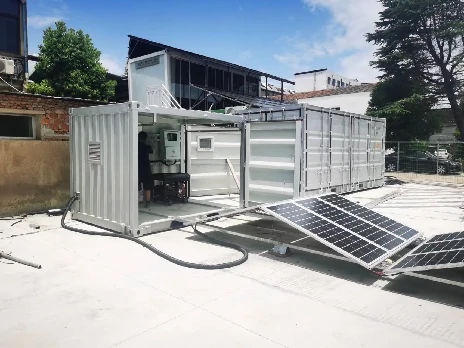
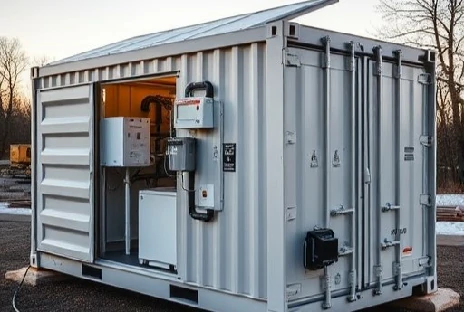
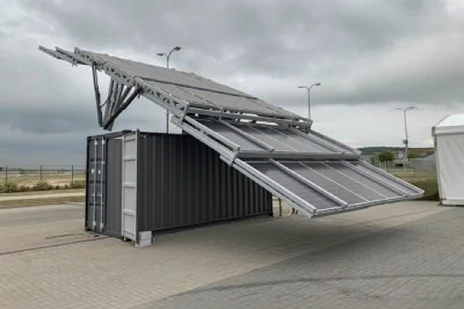
Solar containers refer to containerized solar power solutions that integrate photovoltaic generation, energy storage, inverters, and control systems into standardized container structures. These systems are designed to provide fast, flexible, and reliable access to clean electricity in locations where traditional grid infrastructure is insufficient, unavailable, or costly to deploy.
As a modular form of distributed energy infrastructure, solar containers combine the advantages of renewable power generation with the mobility and durability of industrial containers. They are increasingly used across industrial, commercial, and emergency power scenarios.
In practical applications, solar containers are often configured as mobile solar container solutions to support temporary or relocatable power demands. This allows the entire power system to be transported between different job sites without dismantling the core equipment.
Such mobile deployment models are widely adopted in construction projects, mining operations, remote engineering sites, outdoor events, and disaster recovery zones, where fast power availability and rapid system relocation are critical.
A solar shipping container is built on a standard ISO container platform and houses a complete solar generation and storage system inside. Batteries, inverters, power distribution units, and monitoring systems are pre integrated within the container to ensure plug and play operation.
In some configurations, a shipping container with solar panels is used, where photovoltaic modules are installed on the container roof or deployed through external foldable mounting structures. This design balances energy generation efficiency, transportation convenience, and structural protection.
From an operational perspective, solar containers significantly reduce installation time, civil engineering workload, and on site construction risk. From a financial perspective, they improve asset utilization and shorten project payback cycles. From a sustainability perspective, they support low carbon power generation and reduce dependence on diesel generators and fossil fuel based electricity.
With the ongoing global transition toward decentralized energy and clean power systems, solar containers are becoming a key infrastructure form for emergency power supply, off grid electrification, mobile energy deployment, and resilient energy networks.
Solar Containers represents a category of solutions, technologies, or insights related to this topic. It is important because it helps users better understand key concepts, applications, and benefits within this field.
Applications of Solar Containers are commonly found in commercial, industrial, and project-based environments. It is typically used to improve performance, optimize workflows, or support technical decision-making.
Key advantages include improved efficiency, reduced costs, enhanced reliability, and better long-term results. Depending on the context, it may also support flexibility, scalability, and optimized resource utilization.
Choosing the right Solar Containers solution depends on your requirements, budget, expected project scale, and performance needs. Comparing features and reviewing real-world use cases can help you make an informed decision.
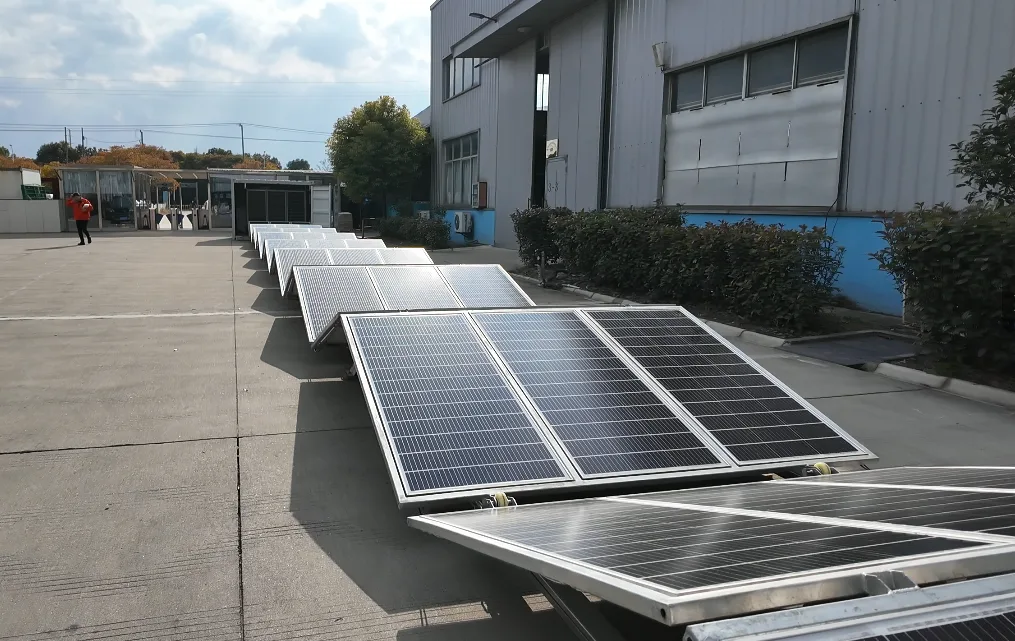
Learn how to use solar panels on a shipping container to create a portable, off-grid energy system. Discover setup steps, key components, and real-world uses for clean, reliable power anywhere.
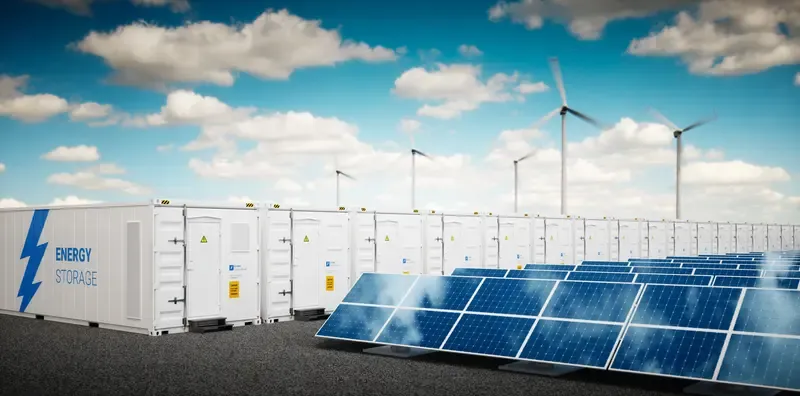
Talk about the best mobile solar container options, their characteristics, and price ranges. Understand how to choose the right solar container for off-grid or remote deployments.
Get in Touch to Power Your Project with Sustainable Energy