
Which is better, Off-Grid or On-Grid Solar System?
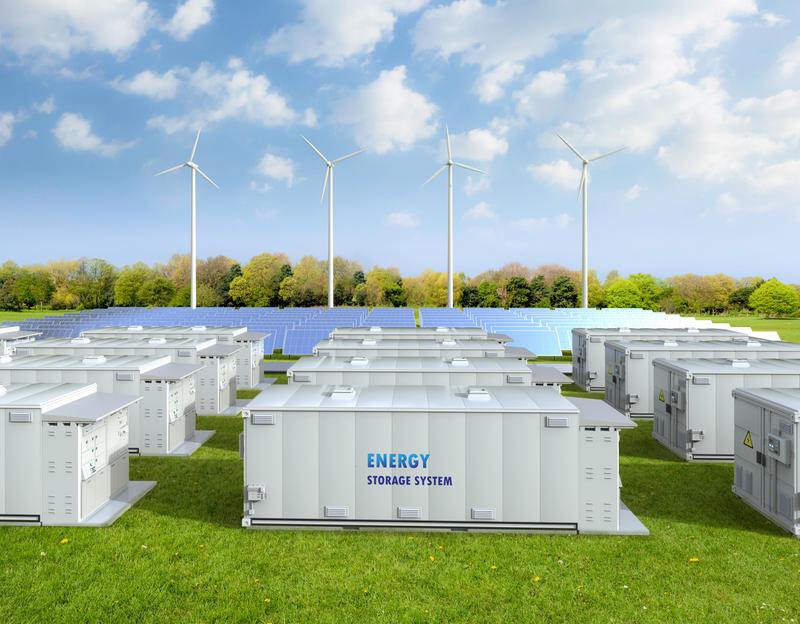
The debate on “Which is better, off-grid or on-grid solar system?” has become increasingly important with the transforming global energy landscape. Rising electricity costs, grid instability, and the need for decarbonization have forced homeowners, enterprises, and organizations to explore solar as a possible alternative. Off-grid and grid-connecting systems both harness the power of the sun, but the cost, technical, and operational distinctions are dramatic.
This paper is intended for readers in the market for solar investment options, including residential consumers seeking energy independence, commercial properties optimizing operational costs, and policymakers creating rural electrification programs.
Off-Grid Solar Systems: Autonomy and Resilience
An off-grid solar system is a system independent of the utility grid. It is made up of solar panels, a charge controller, an inverter, and—most importantly—a battery storage system.
Benefits are:
- Energy autonomy with no reliance on utility providers.
- Essential in off-grid or disaster situations where the grid is unreliable or non-existent.
- Savings from rising electricity tariffs.
Problems are:
- Initial high cost because of storage needs of batteries.
- Replacement of batteries on a regular basis, particularly in heavy-load applications.
- Risk of oversizing: should load be underestimated, consumers will face power cuts during periods with low sunlight.
A good example is in the Turkana County of Kenya, where off-grid solar mini-grids have been deployed by NGOs to electrify rural villages. Lacking the interconnectivity of a grid system, these devices are powering schools, water pumping, and small enterprises, demonstrating their role in establishing sustainable development goals.
On-Grid Solar Systems: Efficiency and Cost Savings
An on-grid solar system (grid-tied) is wired into the utility grid. It does not require a battery, although hybrid systems with storage as a choice are becoming more popular.
Strengths are:
- Cheaper to install than off-grid systems.
- Possible net metering, where excess energy is fed back to the grid for credits.
- Easier maintenance.
Weaknesses are:
- Dependence on the grid; in most locations, grid-tied systems are programmed to shut down during blackouts because of safety issues.
- Policy dependency; incentives for net metering differ widely by jurisdiction.
For example, in the state of California, United States, thousands of residential homes are supported by net energy metering (NEM) so that homeowners can offset their bills using excess solar energy. However, recent policy changes lowering the rate of credits demonstrate the susceptibility of on-grid economics to policy change.
Technical and Economic Comparison
The decision as to which is preferable, off-grid or on-grid solar system, typically comes down to balancing autonomy against cost-effectiveness.
- Initial Outlay:Off-grid systems require batteries and thus are more expensive to install initially. On-grid systems are cheaper to install but are not independent.
- Independence from Energy:Off-grid systems provide blackout protection, which is critical for life-dependent buildings such as hospitals and remote schools. On-grid systems are dependent on grid centralization.
- Operating Expenditure:Replacing the battery after every 7–12 years can present substantial long-term expenses for off-grid systems, while grid-connected ones may have policy-based incentives.
- Sustainability Impact:Both reduce the carbon footprint, but off-grid measures directly benefit by changing lives with no energy access before.
Industry Patterns Driving the Choice
Emerging advancements obscure the distinction between off-grid and on-grid systems:
- Hybrid Solar Systems:Utilize the reliability of battery storage combined with the economy of grid supply.
- Lowering Battery Costs:BloombergNEF anticipates LiFePO₄ battery pack costs to decrease by 20% by 2027, and even off-grid installations could be competitive.
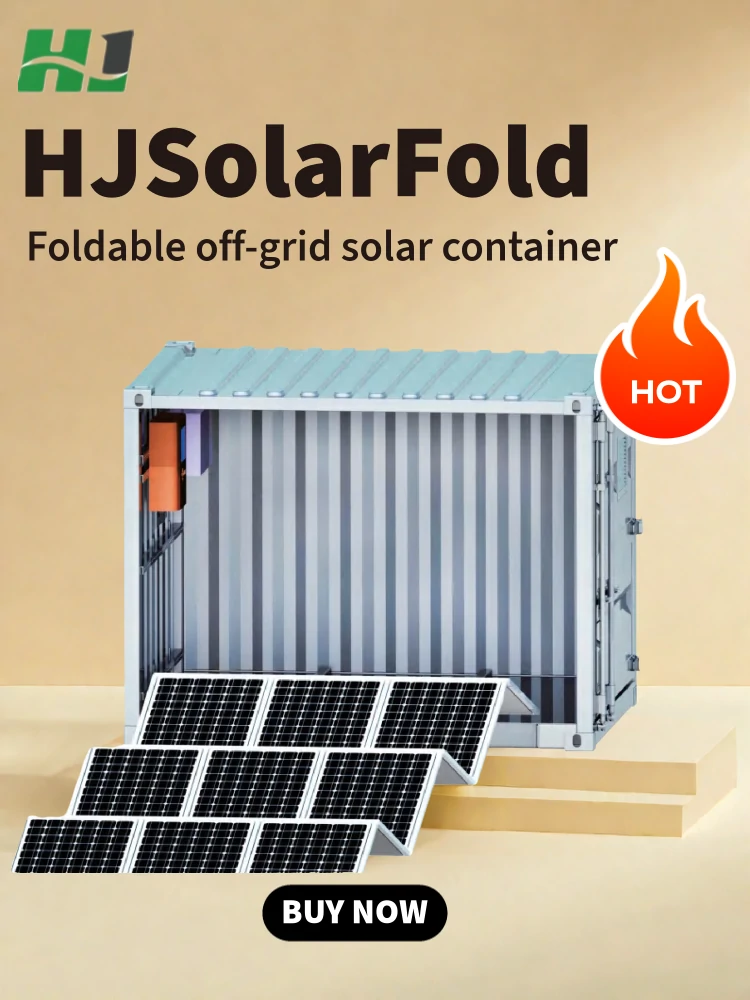
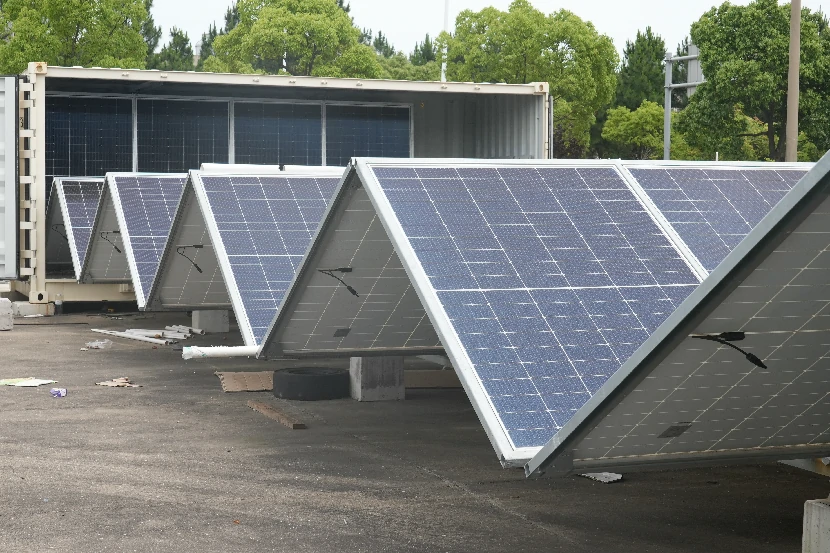
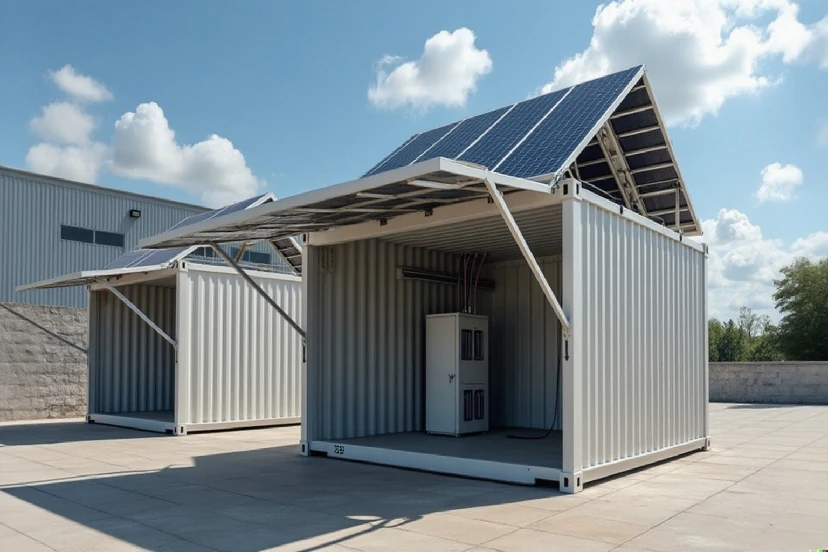
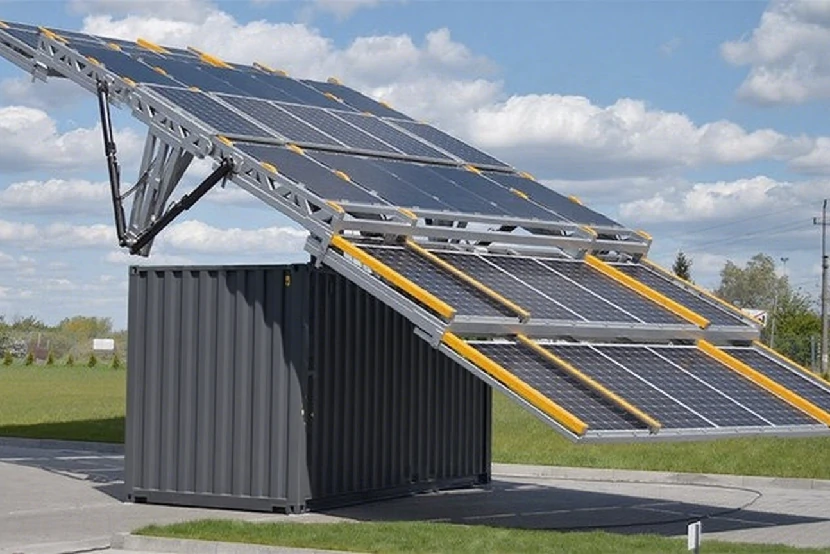
- Microgrids and Modular Containers:Roll-out solutions, such as solar containers used for post-disaster recovery in Puerto Rico, demonstrate flexible off-grid applications.
- Smart Inverters:Grid-forming inverters enable integration of distributed resources and create community-level resilience.
Important Factor for End Users
In deciding between what is optimal, off-grid or on-grid solar system, one must ask himself: Is economic savings or energy independence the priority?
- If independence is the priority—such as for a farm stand in a rural area, a telecommunications tower, or an African clinic deep in the bush—off-grid systems are the logical choice.
- If maximizing cost and policy-driven incentives is the objective, particularly in urban and suburban areas, grid-tied systems retain a strong argument.
The strongest option is highly context-sensitive. For homeowners in established markets with a reliable grid, on-grid installations are generally the most convenient. For homeowners without access to a secure grid, off-grid alternatives are revolutionary at higher cost.
The response to “Which is better, off-grid or on-grid solar system?” is not absolute. The preferred option depends on geography, regulatory policy, economic resources, and energy security objectives. As technology advances and costs of energy storage continue to drop, hybrid options could more and more represent the best of both worlds, with autonomy and economy.
Contact US