
5 Factors Affecting Mobile Solar Container Prices
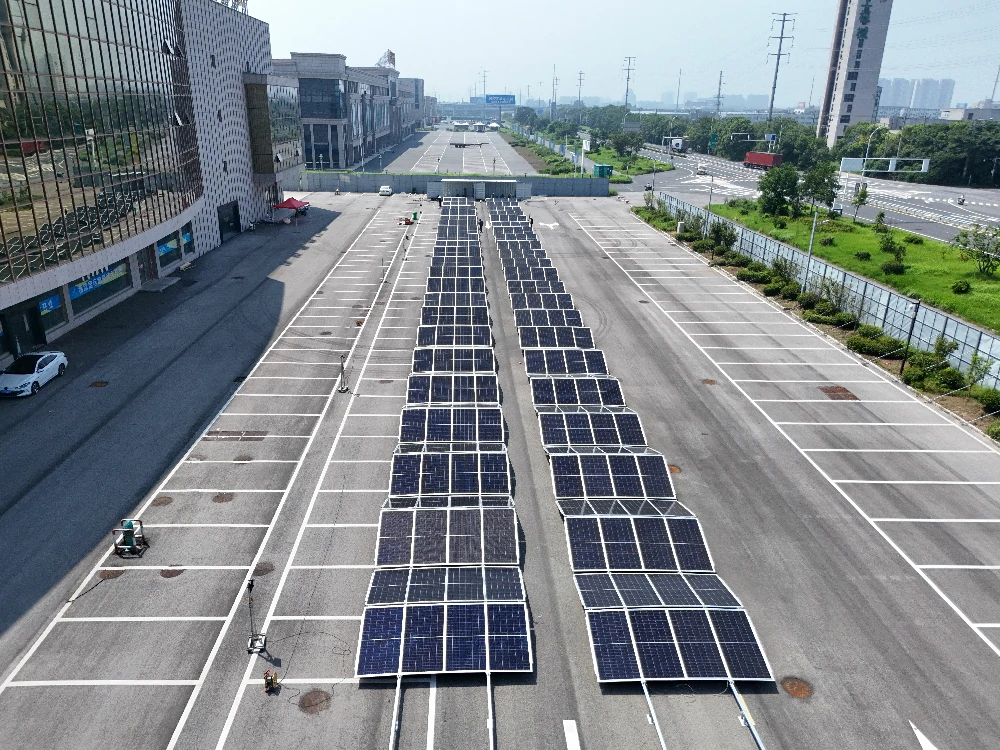
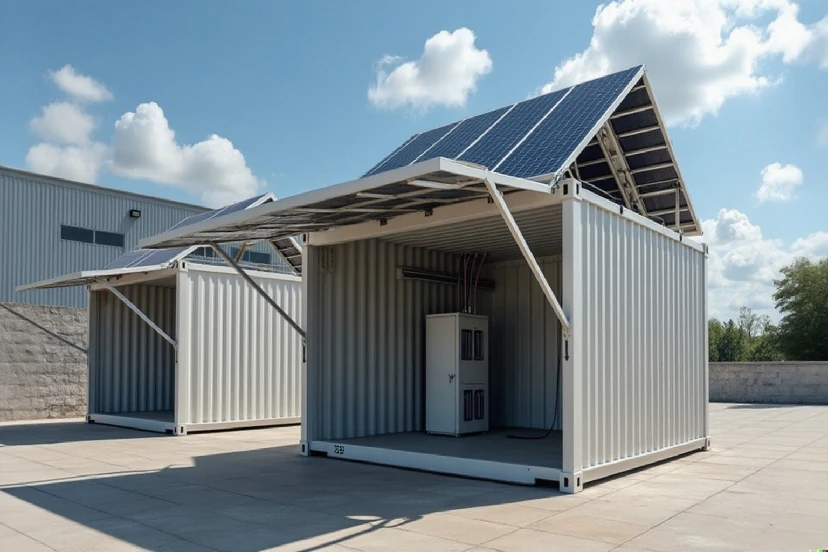
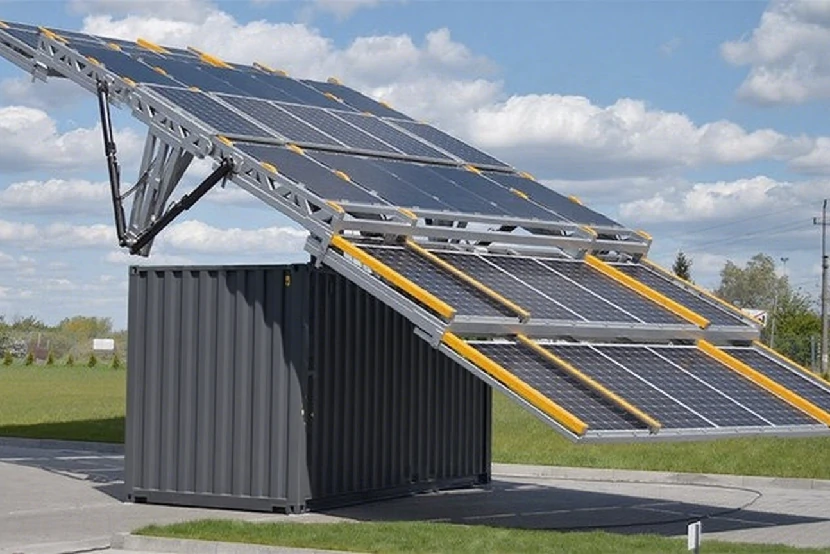
Solar container mobile solutions are increasingly popular for remote industries, disaster relief, and rural electrification. A mobile solar container is essentially a shipping or modular container with solar panels, batteries, inverters, and occasionally more to serve as an off-grid solar system. Why does the cost increase or decrease? The following are five of the most important factors, derived from real data and trends.
1. Battery Storage Technology & Dwindling Costs
One of the biggest expense items in a mobile solar container is a battery. The cost of battery storage has been dropping sharply in recent years. In Battery Energy Storage Systems: Key to Renewable Power Supply-Demand Gaps, IRENA announces that fully installed battery storage project costs have fallen from about USD 2,571/kWh in 2010 to USD 192/kWh in 2024.
As mobile solar containers rely heavily on battery capacity, these declines straight up reduce their cost. Better tech (like lithium iron phosphate – LFP chemistry) also reduces prices from more lifespan, safety, and performance.
2. System Size, Capacity & Scale
The energy storage capacity of panel and battery within a solar box for a mobile use is highly significant. More wattage solar panels and larger kWh capacity containers are more costly, but often the cost per kW or the cost per kWh is minimized at larger capacities due to economies of scale.
In a Balochistan, Pakistan pilot project, a techno-economic study reflected that LCOE reduces significantly as power generation capacity is increased. Single-axis or fixed, or dual-axis PV plants had different mean LCOEs, the larger installations being likely to report lower LCOE because overheads are spread over more output.
Thus, if you purchase a higher capacity mobile solar container, you may pay more overall but you generally get more value per unit of energy or power stored.
3. Design Features, Mobility & Environmental Protection
Its build largely dictates the price at which a mobile solar container will be sold. Its price is escalated by the following features:
- Weatherproofing and dustproofing
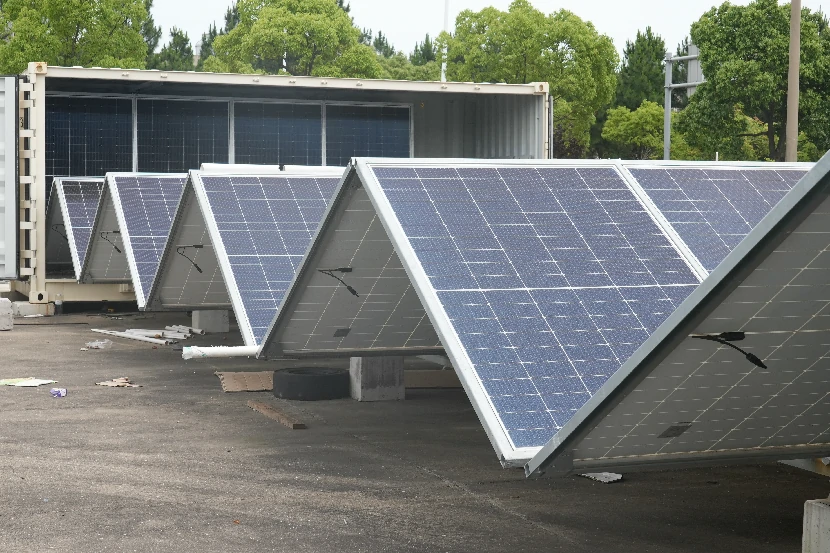
- Foldable or deployable panels versus fixed panels
- Thermal management (active cooling, vents, insulation)
- Remote monitoring and control systems
- Reinforced or ruggedized structure for transport
One does wonder: Why not a fixed off-grid solar farm rather than a mobile solar container? The answer is in mobility and deployment speed, especially convenient in disaster-struck regions or thinly populated communities where there is limited infrastructure.
4. Regulatory, Import & Local Market Conditions
Pricing is significantly influenced by fees, taxes, import charges, and domestic policies. For example, Business and Finance Models for Solar-Powered Irrigation in Pakistan (CGIAR) report reveals that the price of solar panels in Pakistan fell to PKR 35-40 per watt (USD ~0.13-0.14/W) as of November 2024, while the initial investment remains out of reach for most farmers.
Similarly, regulatory incentives or subsidies can reduce the cost of buyers, and stringent certification or safety requirements can add cost. Installation and local labor costs also matter.
5. Off-Grid Solar System Integration
The application case is a significant cost driver. What is the box for?
Fully off-grid systems for very remote villages need lots of battery storage and sometimes backup (hybrid or generator), which incurs cost.
Solar containers used as backup at telecom or base station sites have mixed load profiles, demanding stable power supply along with rugged build.
Hybrid (solar + battery + periodically diesel) use boosts cost but increases reliability.
Off-grid solar solutions globally are set to provide first-time electricity access to almost 400 million people by 2030, stated a World Bank press release. What functionality the customers want to pay for is determined by economical viability and demand.
World Bank
Frequently Asked Questions About Mobile Solar Containers
1.Will a mobile solar container fully replace diesel generators?
In most cases, yes. A properly sized container with enough storage will accommodate community or commercial loads. Still, in regions of extremely high demand, hybrid systems combining solar with diesel backup are still prevalent.
2.Is it more advantageous to invest now or wait for additional cost savings?
With the price of battery storage falling over 80% since 2010, it is already possible to enjoy strong returns by buying today. Waiting may provide slightly lower prices down the line, but procrastination all too often means delayed profit.
3.How long does a solar container last?
Weatherproofed and well-maintained, such systems will last more than 15 years. Even in extreme conditions, durability is one of their strengths.
Contact US