
The Rise of Solar Container Systems in 2025 and Beyond
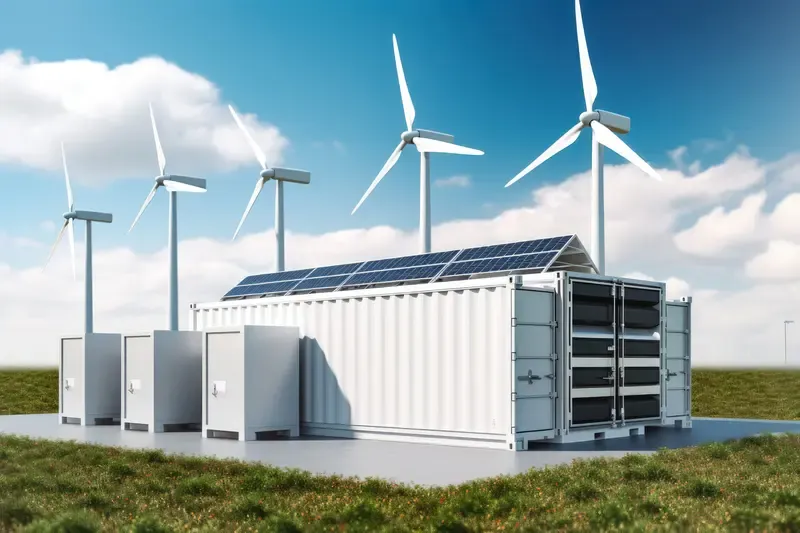
While the world continues to push for clean energy solutions, solar container systems are emerging as game changers. Portable solar container units provide a combination of portability, modularity, and off-grid capability in one system—ideal for remote locations, disaster relief, and energy access programs. Why is 2025 a tipping point year for solar containers, and what can we expect in the future? Let’s dive in.
What Is a Solar Container?
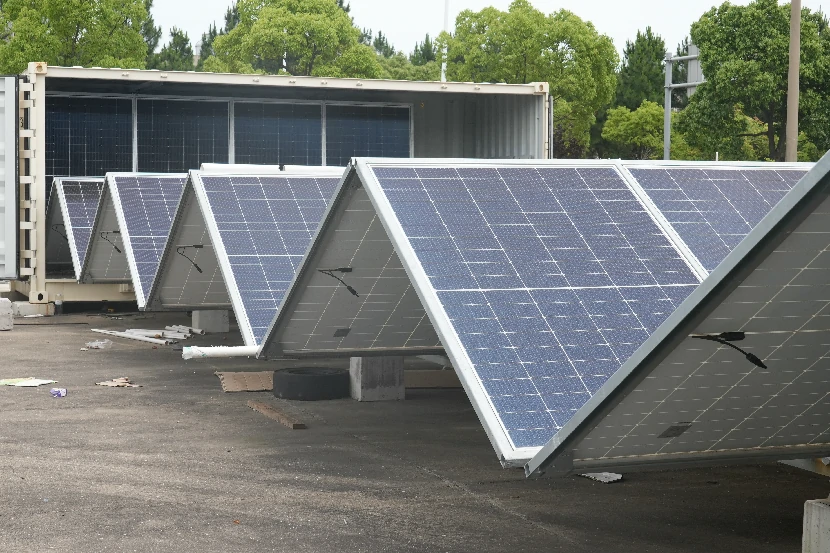
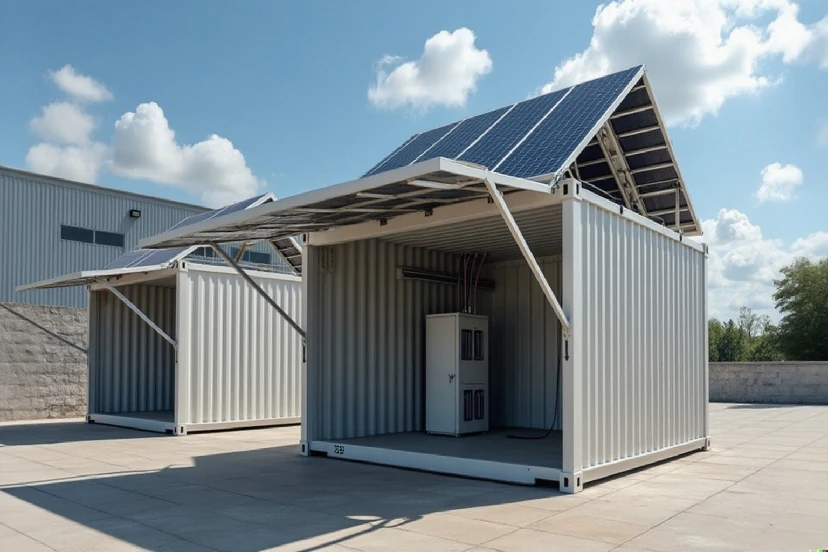
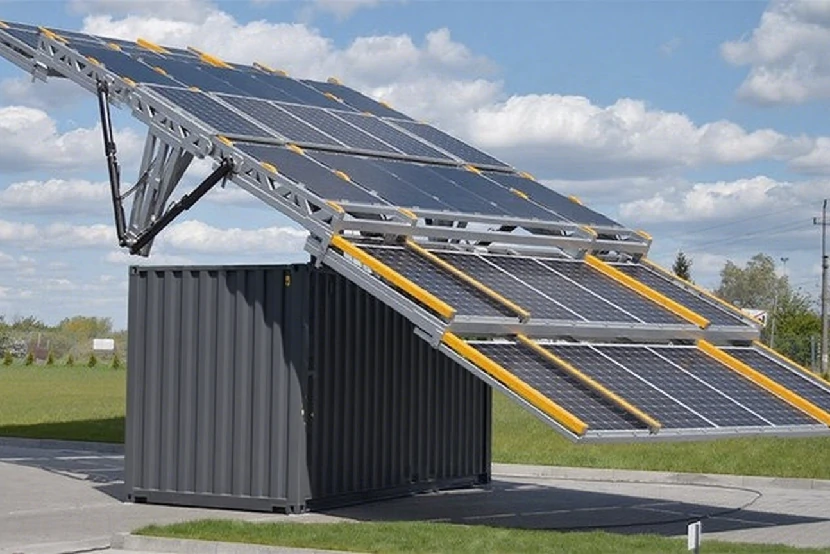
A solar container is a pre-fabricated, portable energy system housed in a shipping container (or container-like modular unit). It will generally include:
- Photovoltaic panels (fixed or foldable)
- Battery storage (often lithium-based)
- Inverters/controllers to manage power flow
- Ventilation, thermal protection, and monitoring
When one wonders, why a solar container instead of fixed solar panels?, it boils down to mobility and speed of deployment for the most part. These systems can be shipped, deployed, and relocated where and when required—unlike fixed installations which are stationary.
Why 2025 Is Significant: Cost Trends & Market Signals
There are several pointers that indicate 2025 is going to be a critical year for solar containers.
- According to IRENA’s report entitled “Renewable Power Generation Costs in 2022” the Levelized Cost of Electricity (LCOE) of utility-scale solar PV fell to USD 0.049/kWh in 2022, from the previous years. This makes solar much more competitive.
- Moreover, Reuters reported that about 90% of newly commissioned renewable projects globally in recent years are now more economically attractive than their fossil fuel alternatives. The cost of battery energy storage has plummeted since 2010.
These cost improvements render the base cost for solar containers (panels, storage, inverters) more affordable, making adoption more accessible.
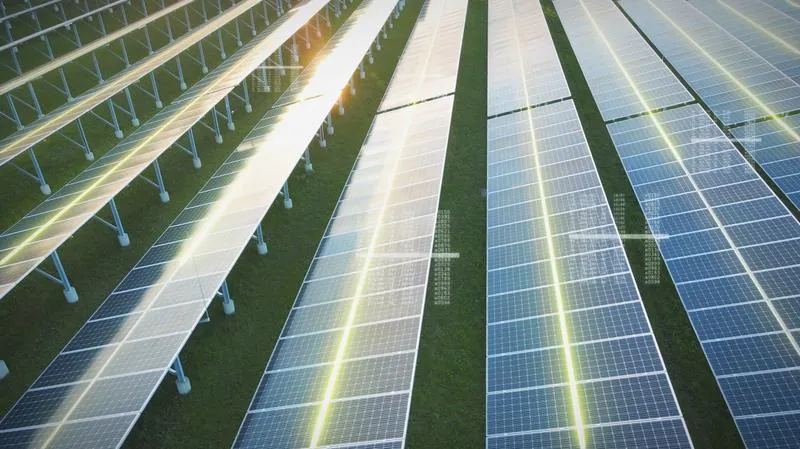
Key Drivers Behind the Growth of Solar Container Systems
The following are some prominent drivers behind the growth of mobile solar container adoption.
1. Off-Grid Energy Access
Most of the world with limited grid penetration—rural Africa, Asia, and Latin America—needs reliable electricity. A mobile solar container can be a micro-grid node with immediate energy without waiting for full grid construction.
2. Disaster Relief & Temporary Installations
When disasters strike, time is critical. Solar container systems can be deployed rapidly to power medical centers, communication centers, or shelters—reducing the dependence on diesel and logistics. Portability is a major advantage.
3. Hybrid Systems & Modular Expansion
Solar containers typically now are offered with hybrid solutions (solar + battery + optional backup generation) integrated and are modular in design, enabling the addition of additional units as the load grows.
4. Reducing Costs of Solar & Storage Components
Panels, batteries, and inverters continue to get cheaper. Decrease in LCOE of solar PV, along with the cost of battery storage, directly affects the cost structure of solar container systems.
Examples
- Off-grid Solar Access: A World Bank press release identifies that off-grid solar products can light up the lives of nearly 400 million individuals globally for the first time by 2030. This indicates how mobile solar container systems are part of efforts to reach such populations.
- Large-scale Solar Cost Reductions:IRENA’s statistics that the global solar PV LCOE dropped to USD 0.049/kWh in 2022 prove that the economics of solar are ever more attractive—even for containerized systems with storage and other overheads.
Challenges & Considerations
Although everything looks good, there are obstacles to widespread utilization of solar containers:
- High Upfront Cost:Even though component prices are falling, solar containers with batteries, cooling, and protection systems still require high investment.
- Logistics & Transport: Shipping containers to remote or hard-to-reach locations can add cost.
- Maintenance & Durability:Battery degradation, environmental exposure (heat, dust, corrosion) all need to be dealt with. Robust design and maintenance are essential.
- Regulatory & Permitting Issues:Some countries have unique certifications, import duties, or safety standards that can delay or increase cost.
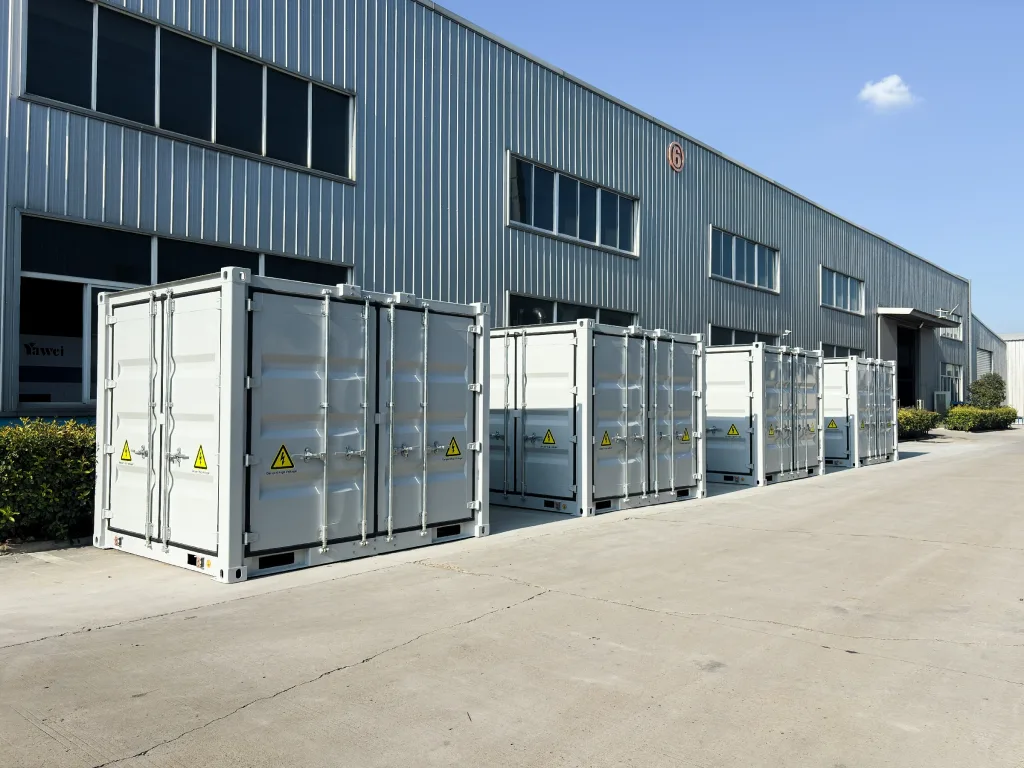
What to Expect Beyond 2025
Looking ahead, these trends are possible:
- Standardization of solar container designs to reduce engineering cost.
- More monitoring and AI-driven management to optimize lifespan and performance.
- More hybrid solutions combining solar containers with micro-wind, diesel backup, or grid-tie capability.
- Finance plans (e.g., leasing or pay-as-you-go) to facilitate affordability of mobile solar containers for low-income or under-resourced communities.
Common Questions
Can a mobile solar container fully replace grid power in remote communities? In most cases yes, especially where there is sufficient storage and demand is stable. But in some cases backup is still necessary for peak demands or when generation is low.
Is it better to wait for further cost drops, or invest now? Given the manner in which solar LCOE has dropped and technologies are maturing, investing now generally pays off, especially where energy access is important.
Contact US