
How Much Are Mobile Solar Containers in Chile in 2025?
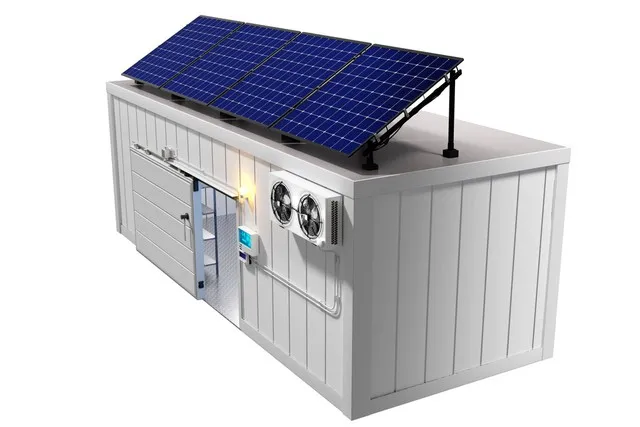
If you are going to invest in a mobile solar container or solar container system in Chile this year, 2025, you may ask: What is the current price today? As Chile rapidly increases its off-grid solar system installations—especially in mining plants and rural towns—being familiar with pricing, market status and component segmentation matters.
What Is a Mobile Solar Container?
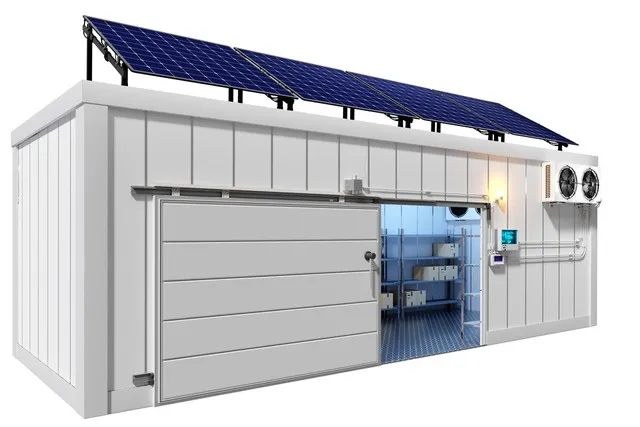
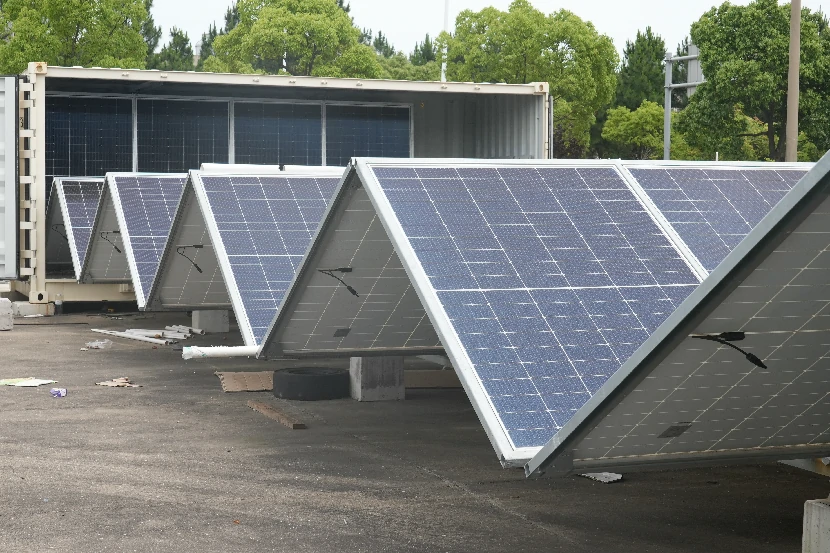
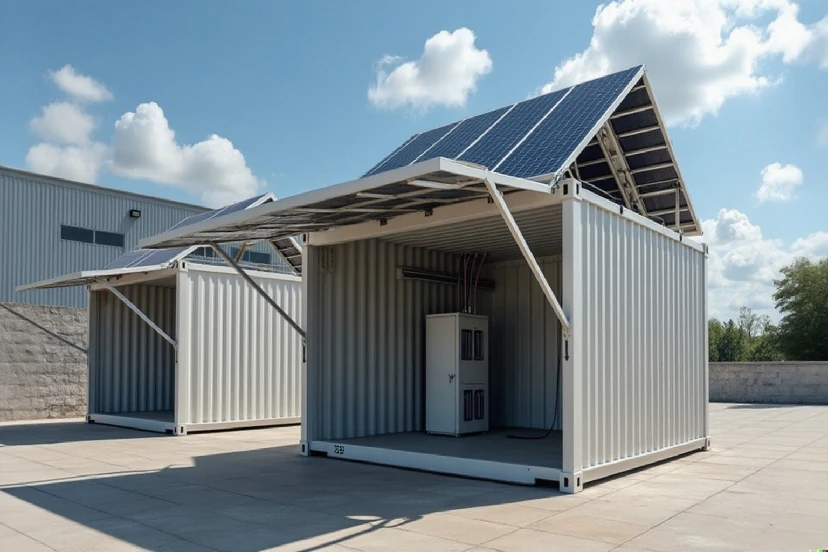
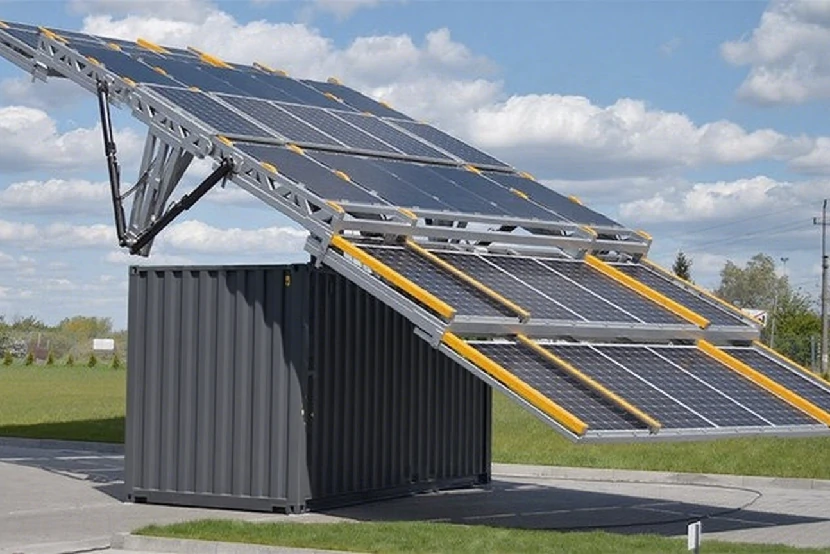
A mobile solar container is an entirely self-contained off-grid solar system in a shipping container. It usually includes fold-out solar panels, storage battery, inverter and energy management system—roll out ready. Its cousin, the term solar container, sometimes gets used interchangeably, but “mobile” emphasizes portability and plug-and-play deployment.
Key Components
- Container chassis (20′or 40′)
- Fold-up or expand solar panels
- Battery bank (storage)
- Inverter + EMS controls
- Mounting & transport hardware
Understanding this definition helps put cost components and the causes of price variances.
Chile Market Context for Solar + Storage
The solar market in Chile is not just stationery—mobile units are gaining momentum. The country’s high solar irradiation, especially in Antofagasta and Atacama, makes off-grid solar systems highly appealing. For instance, Chile seeks to boost battery energy storage systems (BESS) alongside PV projects as part of its renewables push.
Average Price Ranges for Mobile Solar Containers in Chile
What is the kind of budget to expect for a solar container mobile in Chile? While precise Chile-market specific information is limited, we may use international and continental estimates as follows:
| System Size | Approximate Price* | Comments |
| Small-scale (~10 kW solar + ~40 kWh battery) | US $60,000–90,000 | Often ideal for remote camps or telecom locations. |
| Medium (~50 kW solar + ~200 kWh battery) | US $250,000–350,000 | A good fit for mining base/off-grid village. |
| Large modular container (~1 MW solar + multi-MWh battery) | US $1M+ | Industrial scale, typically several containers. |
*Estimates based on global data from container BESS listings:
The Chile-specific market may add additional transport, import tax and site-specific fees (location in a remote area adds expense).
Why Is the Price Range So Wide?
- Solar array size:More kW, more cost.
- Battery capacity and chemistry: Lithium-ion vs LFP vs other battery types.
- Container size & portability:20′ versus 40′ or foldable panel modules.
- Installation logistics:Remote Chilean sites (e.g., Atacama Desert) add expense.
- Energy management & integration complexity:Hybrid with backup generator adds expense.
What Factors Really Drive Price? (And Can You Optimize?)
Okay, let’s discuss five mobile solar container price-driving factors—yes, I know you’re here for price, but understanding drivers puts you in the driver’s seat.
- Solar and Storage System Size
Larger systems cost more. Doubling PV or battery size is roughly double cost.
A question to ask yourself: Do I need full 24-h independence? If not, a smaller system may be sufficient.
- Chemistry & Battery Capacity
Battery packs are generally 30-50% of total cost. Being open to using LFP (Lithium Iron Phosphate) rather than older chemistries may increase up-front cost but reduce cost of ownership.
- Mobility and Container Format
An actual mobile solar container has transport-ready chassis, foldable solar panels or container side deployment. Mobility features add cost compared to fixed-mount scenarios.
- Installation & Logistics in Chile
Off-grid areas like Atacama or Antofagasta involve transport, special mounting for hostile environments, and occasionally local permits—adding to cost.
- Certification, Monitoring & Quality
Higher-cost systems have remote monitoring, EMS, higher-rated inverters and better warranties. They add cost but add reliability and ROI as well.
Deployment Case Studies
Mining Camp, Antofagasta Region
In 2024, a 20-foot mobile solar container (72 kWp + battery bank) installation in northern Chile saved ~25,000 L/year of diesel.
That means off-grid solar container installations aren’t theory—pay-back.
Off-grid Village, Northern Chile
Village employs a number of containers (~50 kW each) for a microgrid instead of individual rooftop installations—economies of scale reduce cost per kW.
How to Approach Procurement & Budgeting
- Know your capacity requirements: daily load, autonomy hours.
- Choose battery chemistry (LFP optimal for extreme climates).
- Know mobility requirements: Will your system be moved or fixed in place?
- Logistics: account for shipping, customs, Chilean topography.
- O&M and lifecycle: account for warranties, serviceability of maintenance.
Frequently Asked Considerations
Others ask—is it prudent to hold out for further price declines before buying a mobile solar container? With the pressures of replacing diesel and with the commercial readiness of containerised solar-storage technology, waiting can be more expensive in terms of fuel and downtime.
Will the high upfront cost pay off? If you’re operating in remote Chilean terrain where diesel is expensive and grid unreliable, a mobile solar container can deliver stronger ROI.
By understanding these pricing frameworks and market drivers, you’ll be better positioned to evaluate mobile solar container options in Chile’s 2025 environment—aligning budget, scale, and deployment for maximum value.
Contact US