
Mobile Solar Container Technical Parameters: Everything You Should Know
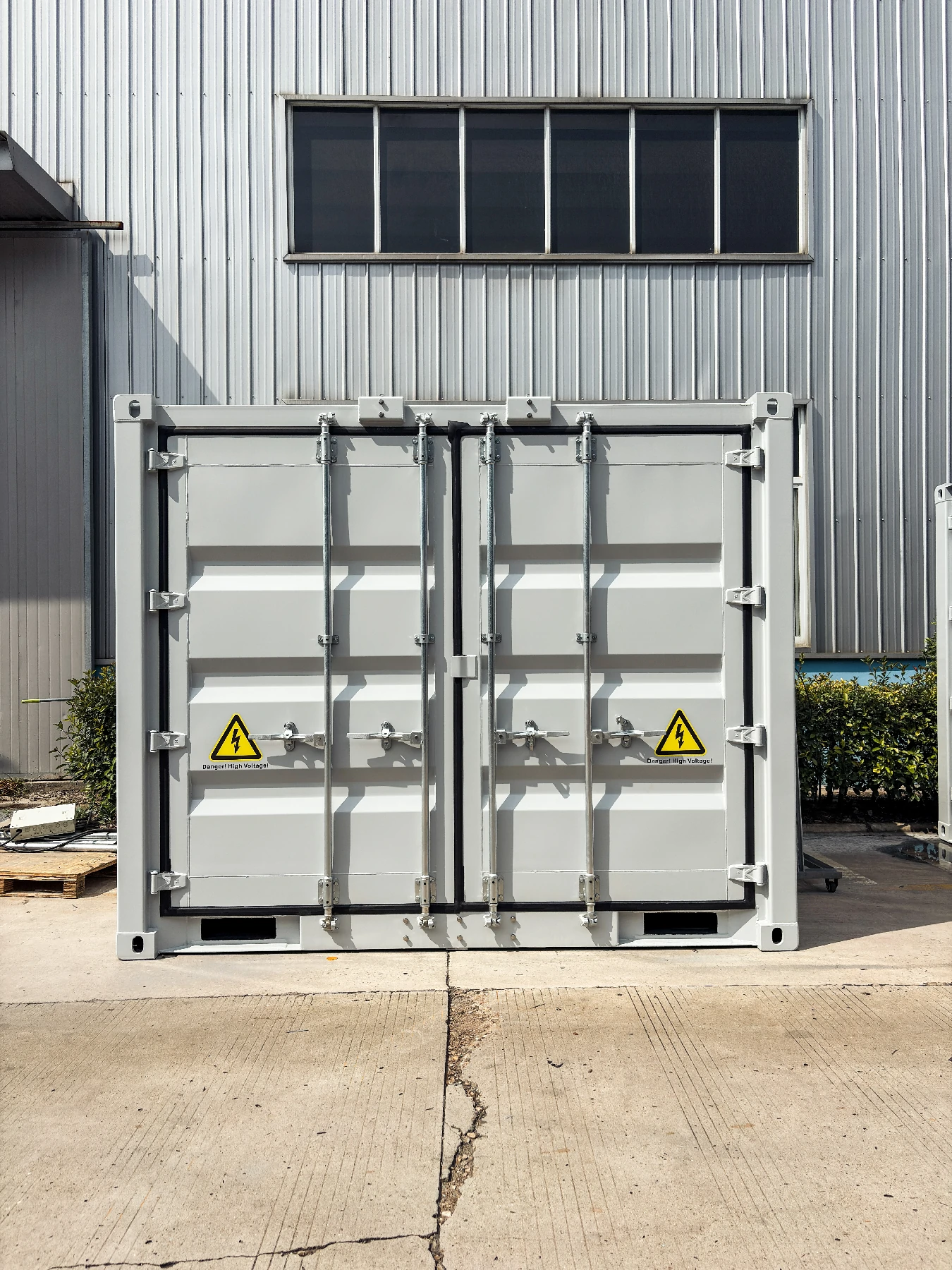
As the globe hurries towards clean energy, the mobile solar container is now at the forefront of temporary and off-grid power applications. From energizing a building site to an isolated village to an ambulatory medical clinic, understanding its technical specifications is the key to acquiring the correct solution to your need. So, what exactly does a solar-powered shipping container consist of — and how do you quantify its performance? Let’s discover.
What Is a Mobile Solar Container?
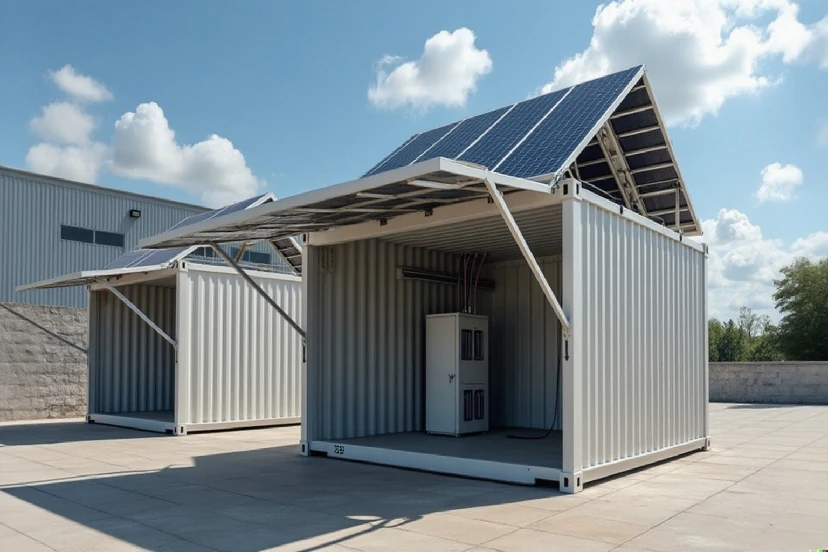
A mobile solar container is an independent, transportable energy system that incorporates solar panels, batteries, inverters, and energy management equipment inside a standard shipping container.
In other words, it’s a plug-and-play solar power station — deployable anywhere, anytime. These systems are quickly displacing diesel generators because they produce clean, quiet, and stand-alone power.
Typical applications include:
- Emergency or disaster relief power supply
- Off-grid community electrification
- Military or exploration bases
- Outdoor events and telecom base stations
Key Technical Parameters of a Mobile Solar Container
Here’s a breakdown of the most common parameters you’ll find in modern mobile solar container systems.
| Parameter | Typical Range | Description |
| Rated Power Output | 10 kW–500 kW | Determines total generation capacity; larger systems suit industrial or village-level loads. |
| Solar Panel Type | Monocrystalline/Polycrystalline | Monocrystalline panels provide higher efficiency and performance in confined space. |
| Battery Capacity | 50 kWh – 2000 kWh | Decides how long the system can provide power when there’s no sunlight. |
| Battery Type | Lithium Iron Phosphate (LFP) / Sodium-Ion / Lead-Acid | LFP batteries are increasingly popular for safety, durability, and temperature resistance. |
| Inverter Efficiency | 92 % – 98 % | DC → AC conversion; higher efficiency means less energy loss during conversion. |
| Container Size | 10 ft, 20 ft, 40 ft | Determines the number of solar panels and storage modules that can be housed. |
| PV Array Capacity | 15 kWp – 200 kWp | Higher array capacity increases daily energy yield. |
| Operating Temperature | −25 °C to +55 °C | Critical for desert, tropical, or polar deployments. |
| Protection Rating | IP54 – IP65 | Ensures weatherproofing for outdoor environments. |
How Do These Parameters Affect Performance?
Choosing the right configuration depends on what you’ll power and where you’ll deploy the system.
For example:
- A telco base station could manage on 15 kW PV and 100 kWh storage.
- A mobile building camp would require 50 kW PV and 400 kWh batteries to run heavy equipment and lights.
- A rural microgrid could go as high as 200 kW PV and 2 MWh storage to supply 100+ homes.
Is bigger always better?
Not always. Over-sized systems are more expensive and can underperform if the solar array cannot be loaded to its capacity. That is why a qualified energy load analysis is essential prior to configuration.
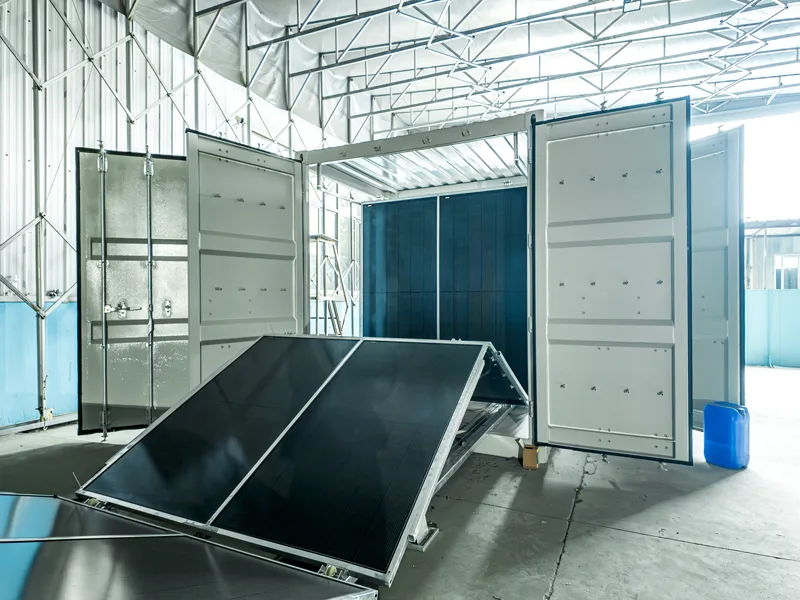
Understanding the Basic Components
- Photovoltaic (PV) Modules
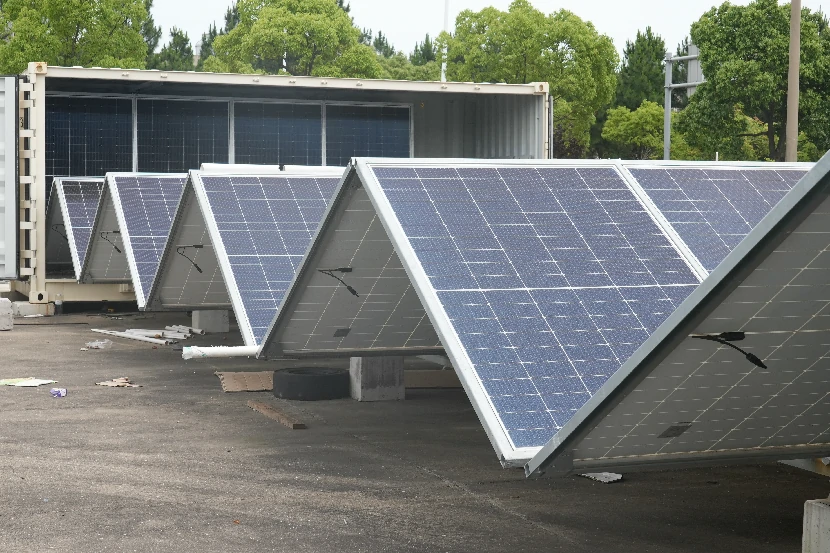
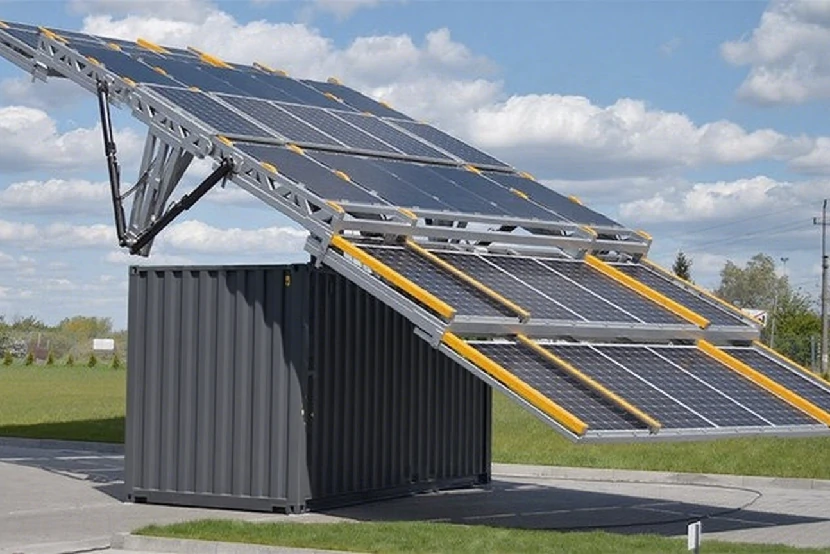
High-efficiency monocrystalline panels are most prevalent, with 20 %–23 % efficiency. Most mobile solar containers employ fold-out PV arrays so that they can be deployed with ease and stored in compact transport packages.
- Battery Storage Cabinet
The outdoor battery storage cabinet stores solar energy and dissolves it when sunlight is lacking. Advanced systems like Huijue’s complete LFP storage cabinet possess advanced Battery Management Systems (BMS) for enhanced lifespan and safety.
- Inverter and Control System
The inverter supplies the AC power, while the Energy Management System (EMS) is used for monitoring generation, storage, and consumption in real time.
Modern EMS platforms even provide remote monitoring via IoT dashboards — enabling operators to optimize performance across multiple container locations.
- Cooling and Safety Systems
As temperature and humidity influence efficiency, high-end containers incorporate HVAC equipment, fire suppression, and lightning protection, making them suitable for harsh environments.
Case Study: Solar Container Deployment in Kenya
PowerGen Renewable Energy, in 2024, commissioned a mobile solar container project at Turkana County, Kenya, which supplied round-the-clock electricity to an adjacent school and water pumping station. The 40-foot container featured a 60 kWp PV system and 250 kWh LFP storage, which saved 90 % in diesel consumption.
The project demonstrated how standardized solar containers can facilitate community electrification on a sustainable basis even in arid, off-grid areas.
Emerging Technical Trends
The future for solar containers on the move is marked by design and material innovation:
- Sodium-ion batteries:Reliable and affordable lithium alternative for mass storage.
- Hybrid systems: Solar supplemented by small wind turbines or fuel cells for steady power.
- AI-powered EMS:Predictive software maximizes battery longevity and reduces waste with optimized energy dispatch.
Selecting the Right Container Specification
Below is an easy-to-use reference table to help you match your technical specifications to your application use case:
| Use Case | Recommended PV Power | Battery Capacity | Container Size |
| Disaster Relief | 15 – 30 kWp | 50 – 200 kWh | 20 ft |
| Telecom Base Station | 10 – 25 kWp | 100 – 150 kWh | 10 ft / 20 ft |
| Rural Microgrid | 50 – 200 kWp | 400 – 2000 kWh | 40 ft |
| Construction Site | 30 – 80 kWp | 200 – 600 kWh | 20 ft / 40 ft |
When deciding on a purchase, consider three fundamentals:
Power Demand Match – scale PV and storage to your real load profile.
Durability – inspect IP rating, wind resistance, and steel material quality.
Serviceability – choose modular, replaceable components for easier maintenance.
Tips for Enhanced Efficiency
- Clean PV panels and inspect mounts regularly every 6 months.
- Update EMS firmware regularly to ensure optimal load management.
- Avoid deep discharge below 20 %, which will shorten lifespan by 30 %.
- Consider having a remote monitoring dashboard to enable active maintenance.
Powering Mobility and Sustainability
Mobile solar container is the perfect blend of mobility, scalability, and sustainability. After you understand its technical parameters and design configurations, you can configure a system that precisely addresses your energy need — be it for humanitarian aid, industrial use, or off-grid home.
As advances continue in battery chemistry, inverter design, and energy management AI, these modular systems are paving the way for a cleaner, stronger global energy infrastructure.
Contact US