
From Ports to Power: Why Shipping Container Solar Systems Are Changing Energy Access
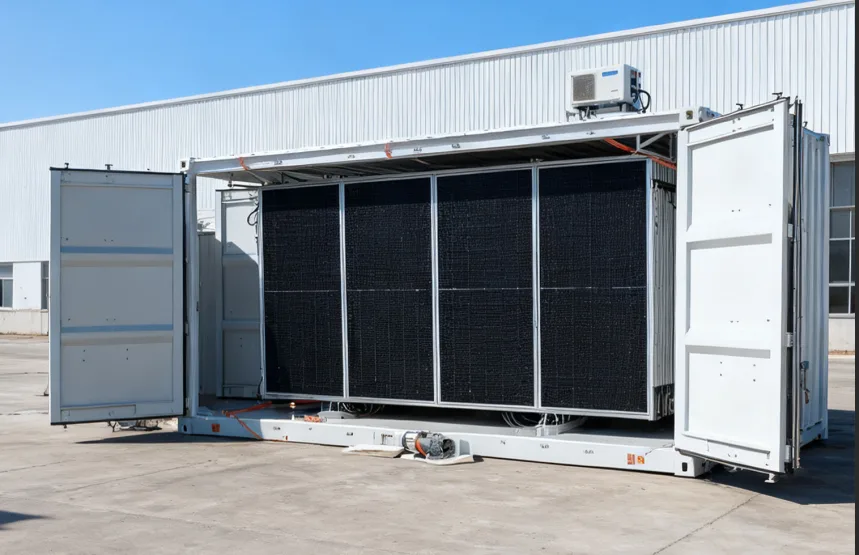
In recent years, the phrase shipping container solar system has started popping up everywhere — from renewable energy forums to construction sites in remote regions. It sounds kind of strange at first, right? Shipping containers and solar panels don’t seem like they belong in the same sentence. But actually, they make a perfect match when it comes to bringing power anywhere you need it.
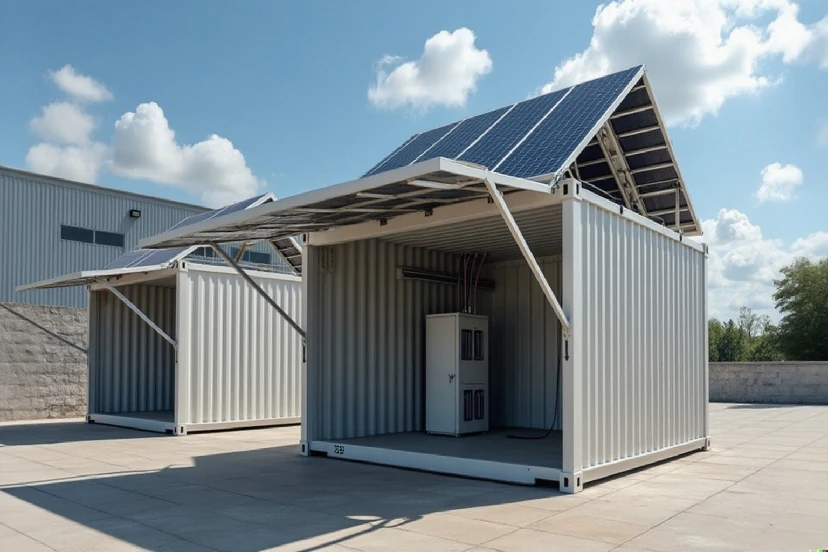
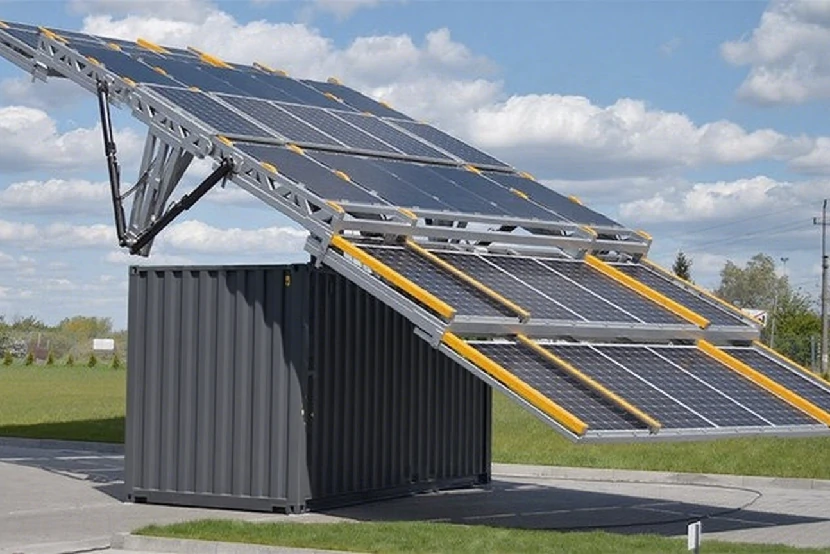
A shipping container solar system is basically a ready-to-use energy box. It combines solar panels, batteries, inverters, and control equipment, all installed inside or on top of a container. Think of it as a mobile power station. You just deliver it to a site, plug it in, and you’ve got electricity. No long cables, no messy installations, and no waiting for grid connection.
Why shipping containers?
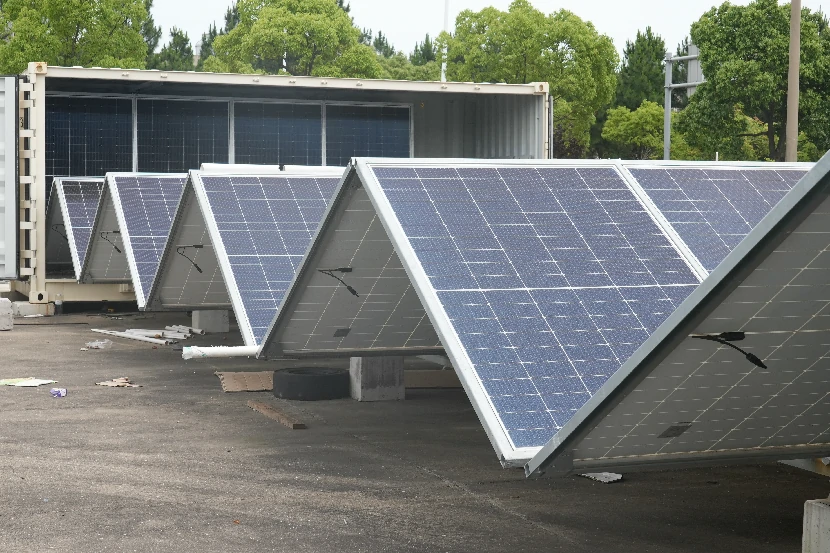
The reason for using containers is simple — they are strong, weatherproof, and easy to move. A standard 20-foot or 40-foot container can handle rough shipping, and with some smart engineering, it can hold an entire off-grid solar setup inside. The panels are often foldable or slide-out types that can be deployed in minutes. When you’re done, just pack everything back, lock it up, and transport it to the next place. It’s a “plug-and-play” idea, but for clean energy.
Changing energy access
One of the biggest impacts of these systems is how they change energy access in areas where traditional grid power doesn’t reach. Remote villages, mining camps, military bases, and island resorts are all using them. In Africa, for example, some projects use containerized solar systems to power schools and small businesses where the grid is unreliable. In the Middle East, they’re used at construction sites and oil fields where diesel generators used to be the only option.
Because these systems use solar energy and batteries, they cut down fuel costs and emissions. Plus, they can run silently — which is a big deal in residential or eco-tourism areas. And since everything is pre-assembled in a container, the installation is fast. You can have a functioning mini power plant in less than a week after delivery.
What’s inside the box?
A typical shipping container solar system includes:
Solar panels (usually 10–100 kW)
Lithium-ion battery storage (50–500 kWh)
Inverter and control system
Cooling and ventilation system
Optional diesel generator for backup
Smart monitoring system with Wi-Fi or GSM connection
All the components are mounted safely and designed for plug-and-play operation. It’s kind of amazing how much energy tech can fit into a box that used to carry cargo.
Advantages that stand out
The flexibility is what makes these systems shine. You can use one as a standalone power source or connect several together to form a microgrid. When there’s a need for temporary or emergency power — like after a disaster or in refugee camps — containers can be shipped quickly and deployed on-site without much setup.
Another plus is scalability. If your energy demand grows, you just add another container. Compare that to building a new power line or expanding a diesel station — it’s way faster and cleaner.
And because these systems are modular, maintenance is simple. Technicians can service one unit while the rest keep running. That’s why even big organizations like the UN and NGOs are adopting this technology for remote missions and humanitarian projects.
The challenges (because nothing’s perfect)
Of course, there are still a few downsides. Shipping container solar systems can be pricey at first. Transporting them to very remote areas can also be tricky. And in hot regions, you have to make sure the inside doesn’t overheat, especially the battery compartment. Proper ventilation and sometimes liquid cooling systems are necessary.
Also, while the systems are designed to be plug-and-play, they still need trained technicians to set up the electrical part correctly. It’s not exactly like plugging in a phone charger. But as designs improve and more local installers get trained, these challenges are becoming smaller.
Looking ahead
The rise of the shipping container solar system is a great example of how renewable energy is becoming more practical and accessible. It takes something as ordinary as a steel box and turns it into a life-changing piece of technology. For many off-grid communities, it’s not just a product — it’s the difference between darkness and light, between relying on diesel and running on clean power.
As solar panels get cheaper and batteries become more efficient, we’ll probably see even more of these systems around the world. From ports to power — that phrase might soon describe not just the journey of goods, but also the journey of clean energy itself.
Contact US