
What influence mobile solar container prices?
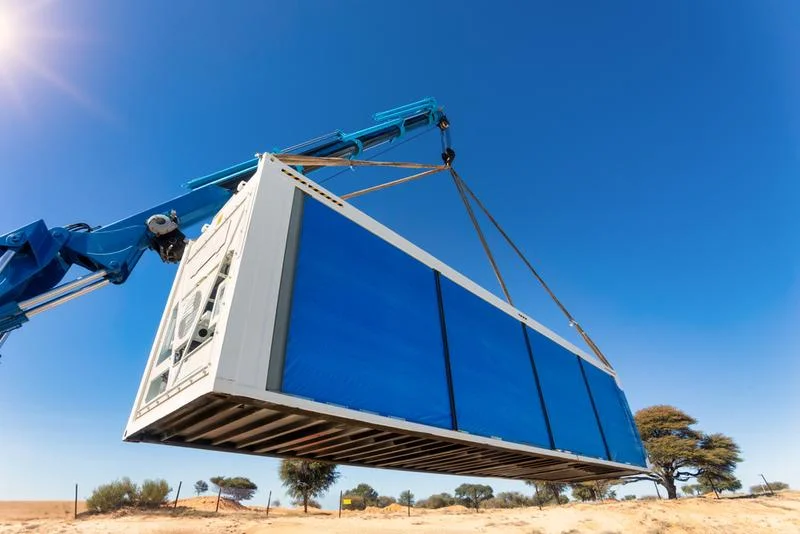
If you’re wondering why a solar container for your mobile unit can cost tens of thousands—or even hundreds of thousands—what you’re really asking is: what makes the cost of the solar container rise or fall? In this guide we’re going to dissect the key factors affecting mobile solar container costs so that you can shop around, budget, and understand what you’re receiving for your money.
What Is a Mobile Solar Container?
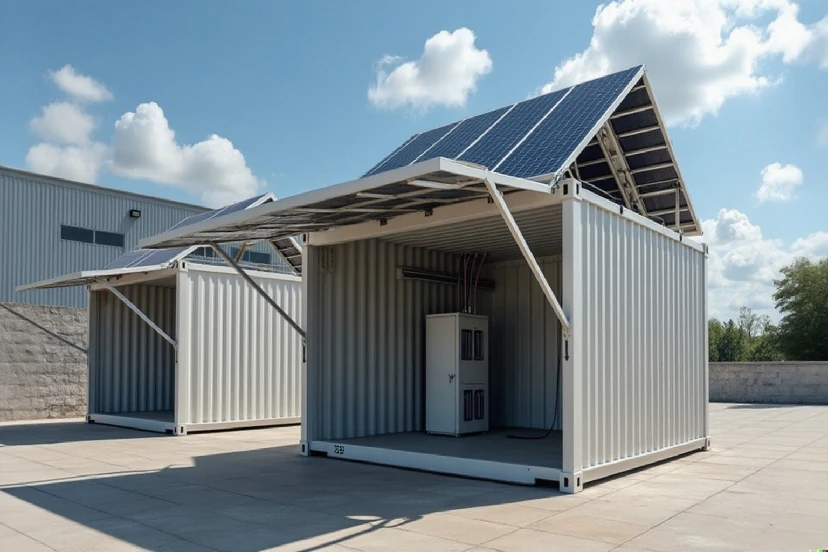
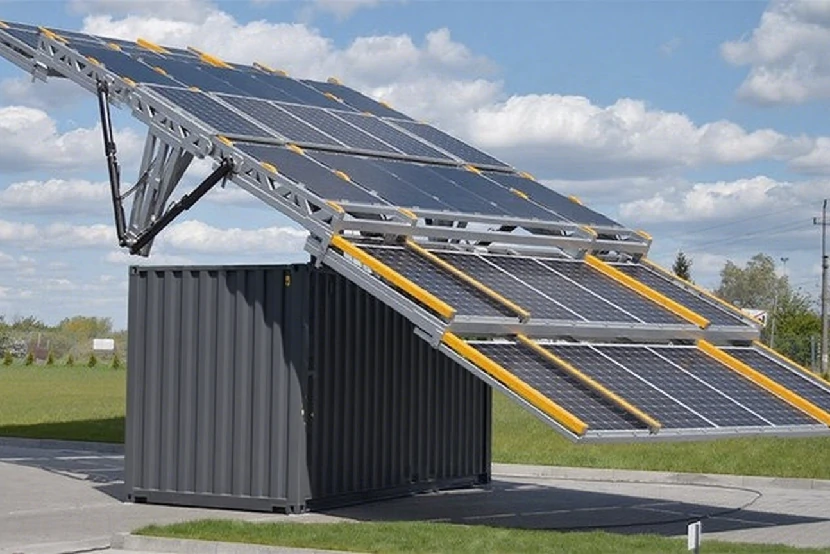
Let us start with a simple definition. A mobile solar container is essentially an inverter/charger electronics-integrated power system around a shipping container that integrates solar panels, battery storage, inverter/charger electronics, controls and occasionally cooling/ventilation—all into a transportable and deployable modular package that can be off-grid or grid-tied.
Because the design is self-contained, it’s also known as a “solar container” or containerized solar power system. Industry blogs indicate pricing can vary significantly depending on capacity, battery size, climate protections and logistics.
Why Does Price Vary So Much?
You ask: “Why do two mobile solar container quotes differ by 50% or more?” Great question—and the response is that there are numerous elements to the system. Here are the main cost-drivers.
- System Size and Capacity
- Solar panel wattage (kWp): The more panels, the more expensive.
- Battery storage capacity (kWh) and power rating (kW): Increased storage = increased cost.
- Inverter/charger rating: Greater power capacity = greater cost.
For example, one site had an estimated solar container price by size: 5 kW/10 kWh ~$18,000–$28,000; 20 kW/40 kWh ~$45,000–$75,000.
- Battery Technology & Storage Duration
- Li-ion vs lead-acid vs other chemistries: Costlier upfront, but will last longer.
- Hours of storage: 100 kWh storage bank costlier than 20 kWh.
- Cycle life and warranty: Higher cost of improved batteries.
- Container Build & Environmental Protection
- Container size (20 ft vs 40 ft, high-cube vs standard).
- Weather protection (IP ratings, corrosion resistance): e.g., a unit for harsh environments (−30 °C to +60 °C) is top of the range.
- Cooling/ventilation systems for battery modules in hot/harsh environments.
- Logistics, Site Conditions & Deployment
- Transportation & shipping cost: Hard-to-reach sites add cost.
- Installation labor: Pre-fabricated versus on-site installed.
- Anchoring or foundation requirements: Sites exposed to high wind/slope need extra anchoring.
- Monitoring & Smart Features, Certification
- Certifications (TÜV, CE, UL) add cost and confidence.
- Smart controls, remote monitoring platforms, EMS (energy management system) add cost.
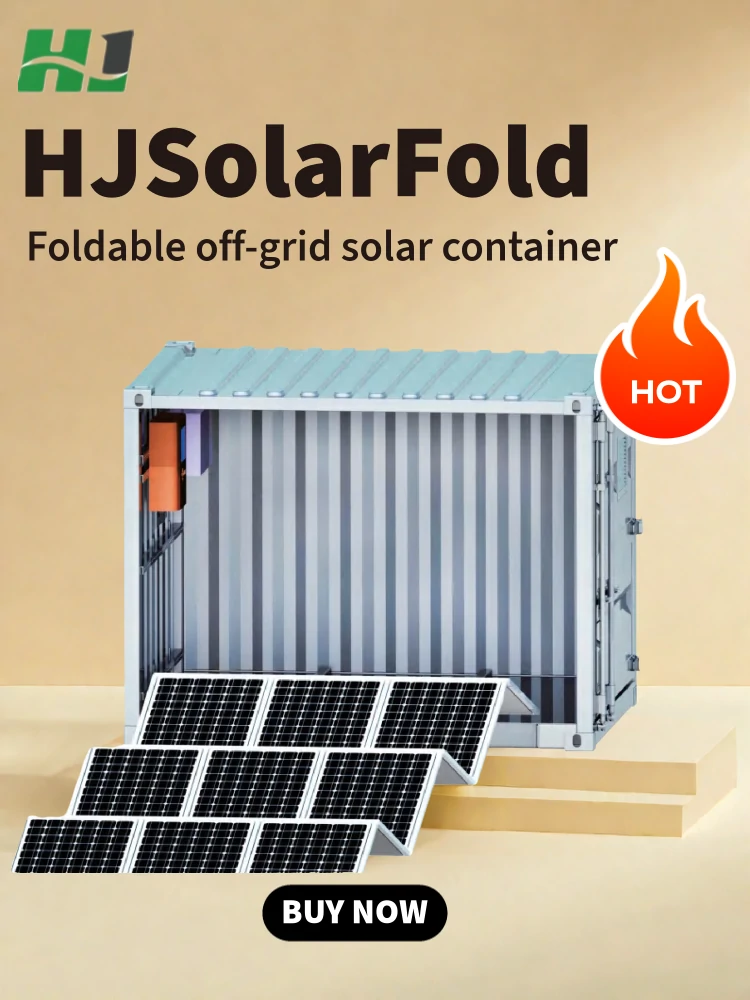
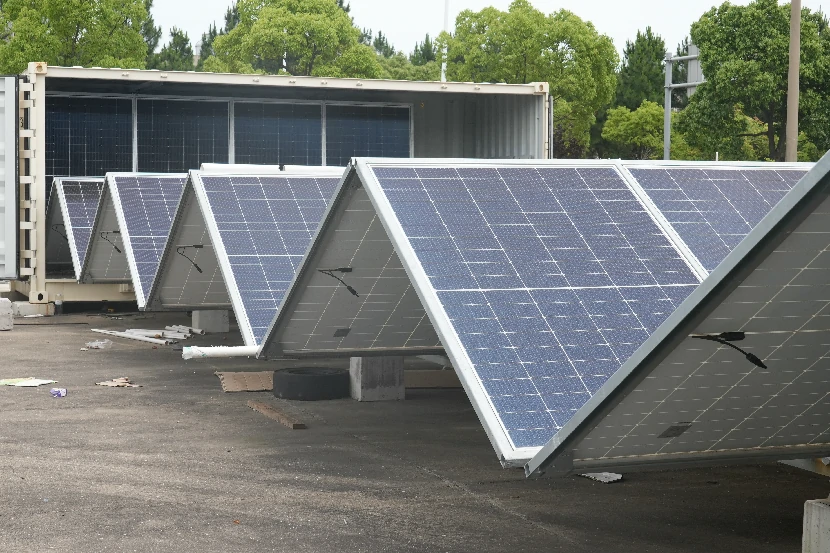
- Customisation (fold-out panels, movable arrays, hybrid grid/diesel integration) adds price too.
- Supply Chain & Market Factors
- Panel price volatility: If the cost of wafer or cell rises, cost of container rises.
- Regional demand: There is high off-grid or emergency demand in regions that may push up the prices. (The global solar container market will have a strong growth.)

Quick Reference Table: Pricing Influencers
| Factor | Impact on Price |
| Solar & Battery Capacity | High → higher cost |
| Battery Technology | Advanced chemistry → premium |
| Container Env. Protection | Harsh site rating → added cost |
| Logistics/Installation | Remote site → higher cost |
| Smart/Certification Features | More features → higher cost |
| Market Conditions | Supply chain issues → price swings |
Real-World Case Example
In Tanzania, a telecom project replaced diesel generators in rural towers with 10 kW solar containers (~10 kW panels + battery bank) for about USD 39,000 per unit. It paid itself in 26 months due to diesel savings.
This means that while initial cost is prohibitively expensive, cost savings at operating time can offset the premium if you’re in the right position.
FAQ
Q: Is it always logical to pick the lowest-cost mobile solar container?
Not always. If the equipment lacks appropriate storage, protection, or certification, you may be facing reliability issues. If for an off-site or harsh location, investing more upfront typically pays for itself in the long term.
Q: To what extent does customisation add to the cost?
Customisation for products such as fold-out arrays, grid/diesel hybrid integration, or highly severe climate can cost 10-30% more than a basic unit.
Q: Can I scale a solar container in the future to save money today?
Yes, modular design allows you to install a small unit today and add more later. Just ensure the initial version is expandable so that you don’t end up with compatibility issues.
Practical Tips Before You Buy
- Clarify your actual energy needs: hours of backup, kW load, site conditions.
- Ask for step-by-step decomposition of cost factors (panels, battery, container, installation).
- Ensure the unit is rated for your climate and conditions.
- Check warranty, service support and scalability.
- Consider long-term savings, not just upfront cost—diesel or grid power savings matter.
Taking time to assess these factors means you’ll better understand the mobile solar container price you’re offered, and make a smarter investment overall.
Contact US