
Technical Parameters for a Mobile Solar Container
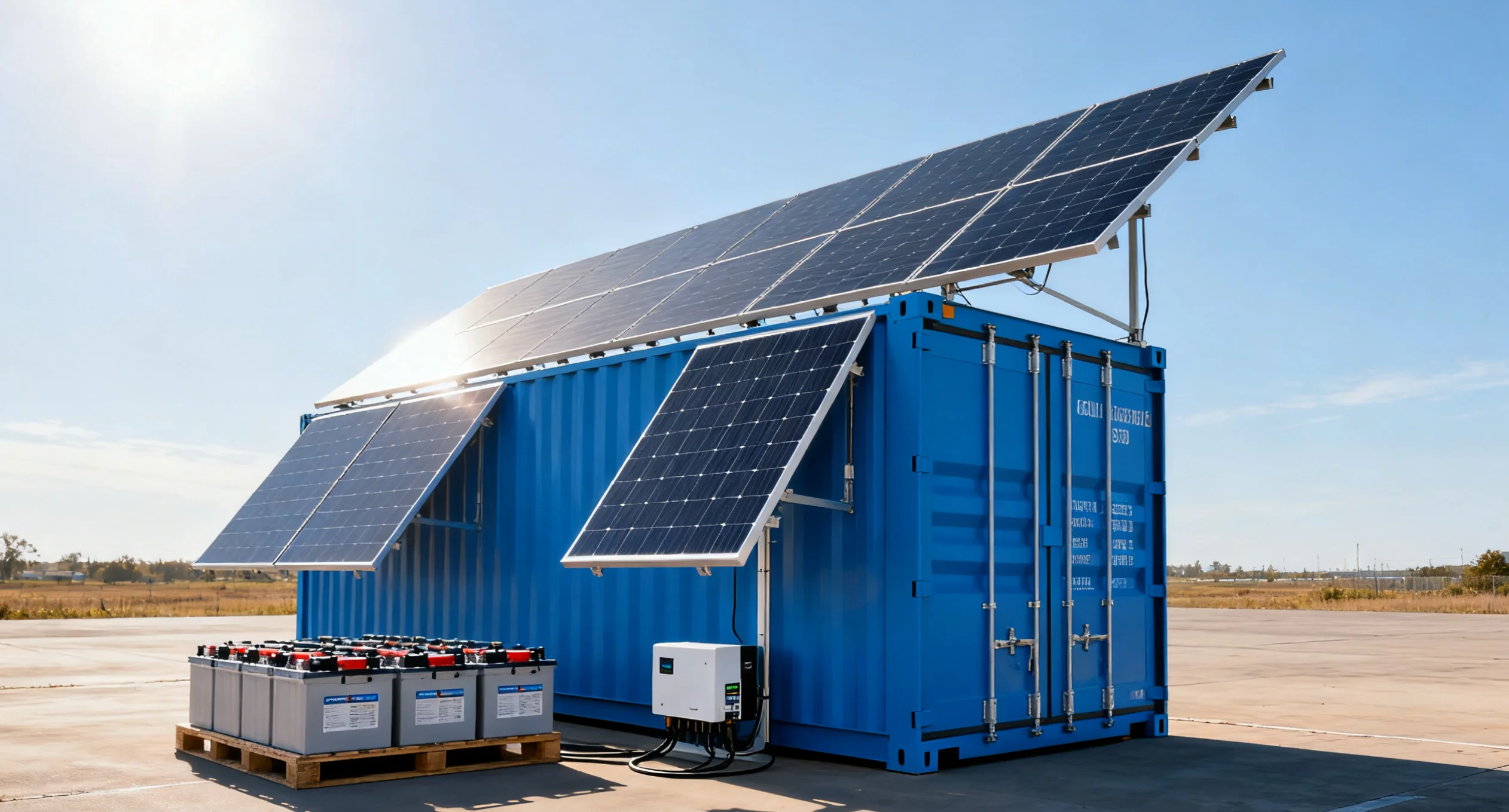
A mobile solar container is one of the most flexible and efficient ways to generate clean power in areas where traditional infrastructure simply doesn’t exist. Whether you’re supporting remote construction projects, off-grid telecommunications, emergency response teams, or island tourism, choosing the right mobile solar container comes down to understanding its core technical parameters: these details determine performance, durability, and long-term operating cost.
A modern mobile solar container integrates photovoltaic panels, energy storage, a power management system, and a reinforced container body into one transportable unit. Selecting the right solar container involves understanding the working of the parts that make it up since panel efficiency, battery capacity, inverter rating, type of controller used, deployment mechanism, and thermal management are all important. For this reason, two containers might appear very similar on the outside while their inner technical parameters become the actual causes for extreme difference in power output and reliability.
Why understanding Mobile Solar Container Technical Parameters matters
The market for solar container systems has grown fast because organizations want reliable energy that doesn’t depend on diesel or permanent grid connections. I have witnessed teams in mining, disaster relief, and rural electrification making purchasing decisions without fully understanding the technical specifications, only to discover later that the system couldn’t support their loads.
Clear, transparent technical parameters help you answer the following essential questions:
Will this solar container power the equipment I need for as long as I need it?
Core Technical Structure of a Mobile Solar Container
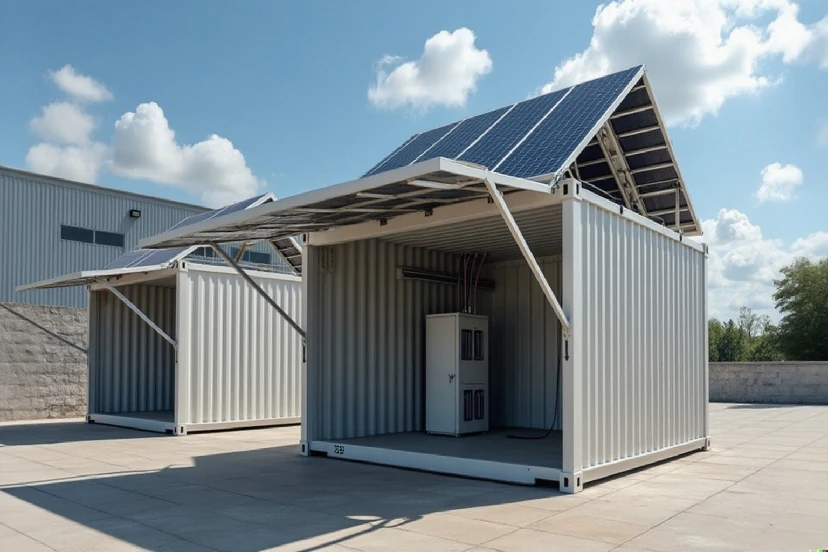
A mobile solar container is more than a modified shipping container with panels on the top; it is a compact solar power plant. The following are the major components which define its performance:
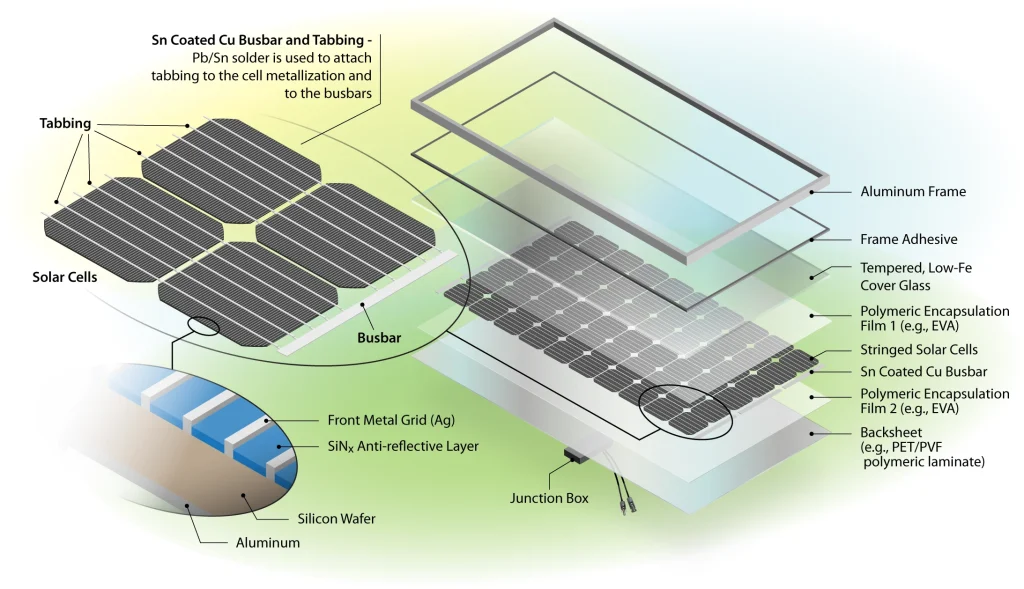
Photovoltaic (PV) Module Array
Most solar containers use:
- monocrystalline high-efficiency modules
- from 12 kW to 60 kW of output depending on container size
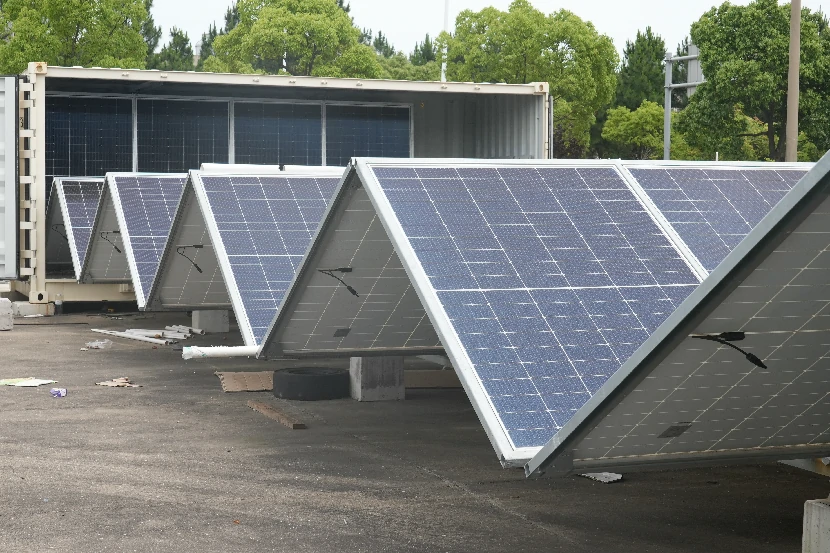
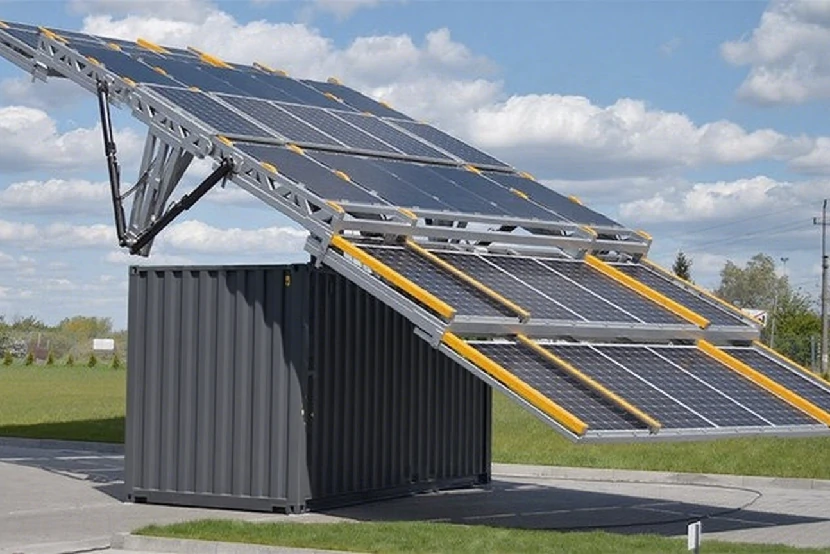
- either fixed tilt or fold-out/slide-out mechanisms
A clever engineering feature of the foldable or sliding panel frame is that it maximizes solar area but retracts for transport. Thus, this makes its deployment fast and efficient.
Energy Storage System (ESS)
The battery pack usually uses:
- Lithium iron phosphate (LiFePO₄)
- 48V or 51.2V system
- Capacity from 50 kWh up to 250+ kWh
The lithium battery dominates due to its longer cycle life and deeper discharge tolerance. According to the U.S. Department of Energy, lithium batteries provide distinctly higher cycle stability and performance under dynamic load conditions.
Inverter and Power Conditioning
An industrial inverter converts DC solar output into AC electricity. Key parameters include:
- Rated output: 5 kW to 100 kW
- Single-phase or three-phase
- With or without parallel support
- Hybrid mode enables input from solar, battery, and generator altogether.
Charge Controller / MPPT System
Better MPPT efficiency directly increases usable power. Most advanced mobile solar containers employ:
- 98%+ MPPT efficiency
- Independent trackers for several panel groups
- Built-in protections: over-voltage, thermal, surge
Container Body
The shipping container serves as:
- a structural base
- a protective shell
- a mechanical mounting frame
- an internal equipment room
Most suppliers utilize 20ft or 40ft ISO standard containers, adapted by the addition of ventilation, insulation, cable routing, fireproof panels, and lighting.
Thermal Management
Sunny regions can reach even 40–50°C, which degrades batteries really fast. Containers usually use:
- passive ventilation
- thermostatic fans
- optional air conditioning
- battery temperature sensors
According to studies from the National Renewable Energy Laboratory (NREL), reduced battery temperatures provide improved cycle life and reduced degradation rates.
Monitoring and Control System
Modern mobile solar containers are often equipped with:
- cloud-based dashboards
- remote fault diagnosis
- energy output and battery health tracking
- optional GPS for deployment tracking
These “soft parameters” matter as much as the hardware.
Typical Technical Parameters of a Mobile Solar Container, 2025
Below is a realistic overview based on widely used commercial models. Real specifications differ, but this table gives an indication of the normal ranges:
| Parameter Type | Typical Values (2025) | Notes |
| PV Capacity | 12–60 kW | Depends on fold-out frame |
| Battery Capacity | 50–250+ kWh | Usually LiFePO4 |
| Inverter Rating | 5–100 kW | Hybrid inverter common |
| Container Size | 20ft / 40ft | ISO standard |
| Deployment Time | 30–180 minutes | Depends on mechanism |
| MPPT Efficiency | 97–99% | Higher = better output |
| Lifespan | 10–15 years | With proper O&M |
| Protection Level | IP54–IP65 | Outdoor rated |
| Operating Temperature | -20°C to 55°C | Some custom models wider |
This table allows you to compare different models between manufacturers based on performance, size, and energy requirements.
Why PV Capacity Matters
The PV capacity sets how much energy the solar container can generate per day. This allows higher PV capacity to
- faster battery charging
- ability to support heavier loads
- more stable output during cloudy weather conditions
If you work in a region with limited sunlight, then higher PV capacity compensates for daily variation.
Real-World Example
A 40ft mobile solar container with 42 kW PV capacity was installed for a desert site by a construction company in Oman in the year 2024. Due to higher panel output, stable power was maintained on dusty days when sunlight was low.
Understanding Battery Capacity and Discharge Rate
Battery storage defines how long your loads can run when sunlight is unavailable.
A common mistake is choosing a container with insufficient battery capacity, leading to overnight power shortages.
Battery capacity depends on:
- energy consumption (kWh/day)
- nighttime load
- number of autonomy hours required
- peak vs average energy demand
Larger batteries enhance reliability but are costlier and make the container heavier.
Personal Insight
In my experience, teams operating refrigeration, telecom base stations, or industrial tools commonly underestimate their battery requirements. As a rule of thumb, heavy nighttime users should select at least 120–200 kWh of storage for steady operation.
Inverter Power: The Heart of the System Performance
Even if your container is equipped with strong PV and batteries, a weak inverter limits performance. A properly sized inverter ensures:
- stable AC output
- peak load handling capability
- Efficient solar use.
- expandable system architecture
If you are planning to run pumps, machinery, air compressors, or big lighting loads, choose an inverter featuring strong surge capacity.
Mechanical Design: Deployment & Portability
Mobile solar containers can vary significantly in how panels deploy. Some common mechanisms include:
- slide-out frames
- hydraulic folding arms
- manual tilt brackets
- rail-guided extension platforms
Better mechanisms reduce deployment time and improve panel stability in windy conditions.
Safety, Protection, and Resistance to Environmental Conditions
A well-engineered solar container would include:
- Short-circuit protection
- surge protection
- over-temperature shutdown
- DC/AC isolation switches
- fire-resistant materials inside the container
Environmental protections included are IP65 panel junctions, anti-corrosion coatings, and UV-resistant cables that enable a long life under harsh weather.
The resistance to corrosion, especially on seacoasts with salty air that degrades poorly coated metal structures quickly, is very important.
Monitoring, Automation, and Smart Control
Modern containers increasingly incorporate digital tools that serve to maximize performance.
- mobile & desktop dashboards
- real-time SOC monitoring
- remote power scheduling
- automated alerts
- Failure prediction algorithms
Both of these features enable operators to keep control over the system even from hundreds of kilometers away, increasing uptime and reducing maintenance trips.
Choosing the Right Technical Configuration
Here’s a simple way to evaluate the specifications of mobile solar containers:
- Match PV output to daytime energy needs
High loads = higher PV output.
- Select batteries according to night-time consumption
If your night load is 20 kWh, don’t select a 50 kWh battery bank— you’ll deplete it too often.
- Check the inverter rating for high-surge tools
Motorized tools require higher peak current.
- Consider climate
In hot climates, batteries require more intense cooling support.
- Deployment mechanism quality
Cheaper systems break easily in windy regions.
6.Review monitoring functions
Good software saves time and helps avoid failures.
When all these factors are put together, one can select a configuration that precisely fits a given scenario.
Final Thoughts
A mobile solar container is probably the most versatile and autonomous source of renewable energy on the market today. Technical parameters, such as understanding panels, batteries, inverter, deployment mechanics, and protection systems, help you to choose the solution that performs reliably in real-world conditions.
If interested in how different configurations of mobile solar containers perform across various applications, feel free to explore our mobile solar container solutions.
Contact US