
How Mobile Solar Containers Work: A Complete Guide to Portable Solar Power Systems
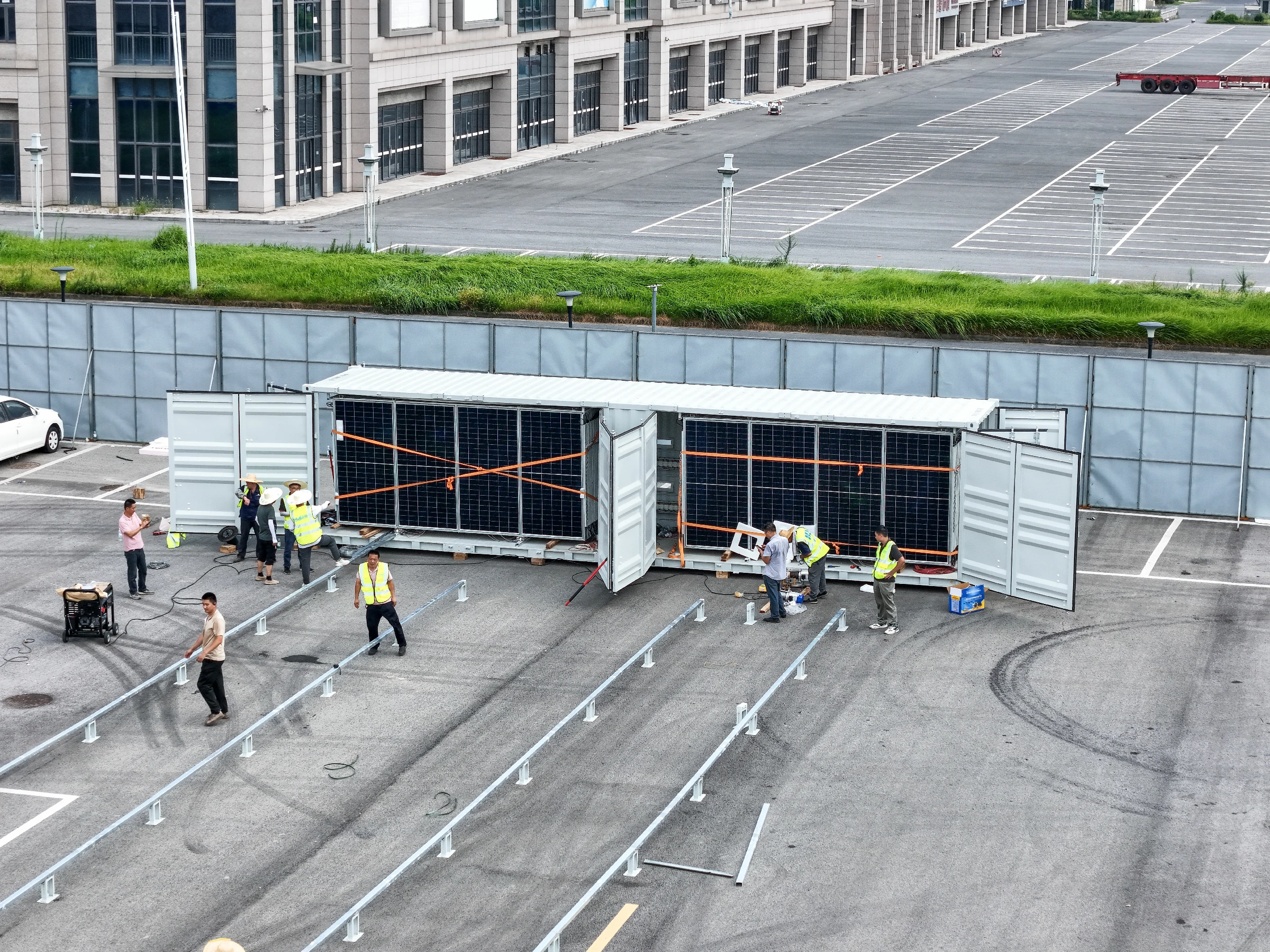
A mobile solar container might look like an ordinary shipping container from the outside, but inside it functions as a fully integrated power plant. For many users, especially those in remote areas, construction sites, or disaster-response teams, it represents a simple question: How can you get reliable power anywhere without relying on the grid or diesel fuel?
In all, a mobile solar container packs solar panels, batteries, inverters, wiring, and smart controllers into one portable structure. Everything is pre-assembled in a factory so that from the moment the unit arrives on site, it can immediately begin producing electricity. It is this “all-in-one” nature that makes portable solar containers such a practical solution for users in need of clean, stable, rapidly deployable energy.
This guide walks you through how these systems work, what’s inside them, and why more industries are adopting this approach.
What Makes a Mobile Solar Container Different?
The concept of a mobile solar container brings standardized structure, generation of renewable energy, and mobility together as one system. Unlike fixed solar farms, these units can be shipped globally using existing logistics networks. That means solar power becomes something you can move, relocate, and redeploy whenever needed.
A 2022 analysis by the International Energy Agency identified how modular solar technologies accelerate deployment in underserved regions. While their report covers solar PV broadly, the same modular principles are exactly what make containerized solar systems efficient and scalable.
Inside a Mobile Solar Container: The Core Components
For an understanding of how a portable solar container works, it helps to break the system into its main parts.
Solar panels
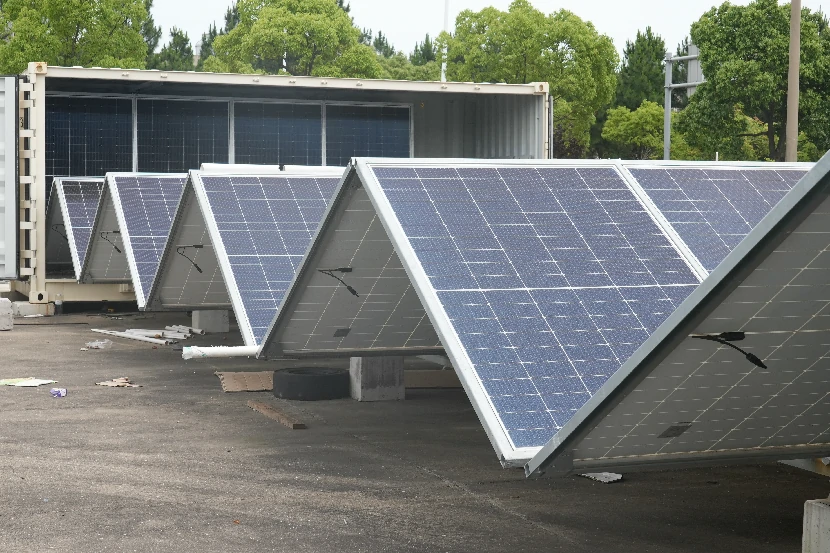
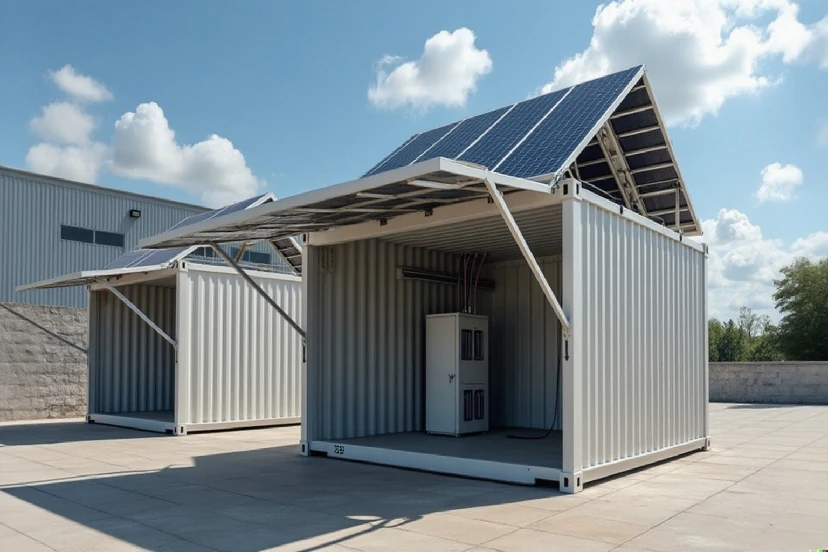
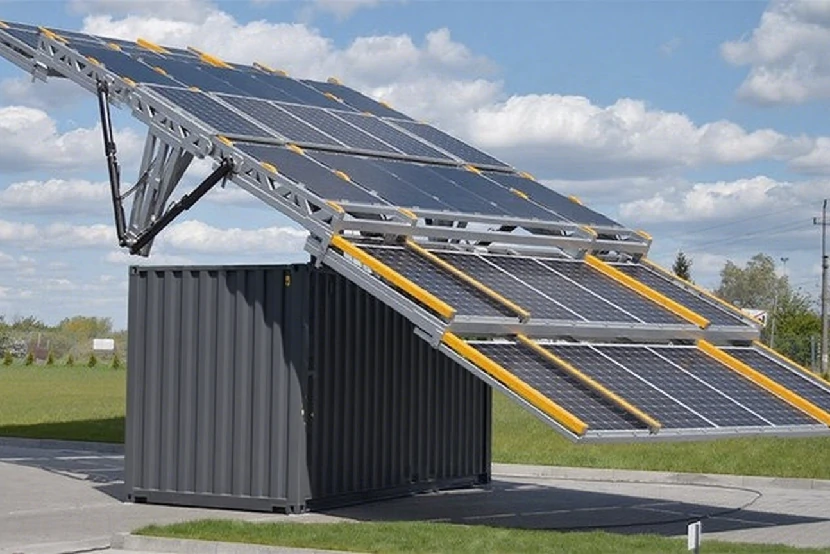
These panels are mounted on foldable or sliding structures, capture sunlight, and convert it into DC electricity. Many systems use high-efficiency monocrystalline panels for better performance when space is limited.
Battery storage
The battery cabinet, often lithium-based, stores excess energy for nighttime or cloudy conditions. Newer models are looking toward sodium-ion or hybrid chemistries for lower costs with higher safety.
Inverter and controller
The inverter converts DC energy into usable AC power, while a smart controller manages charging and discharging, load distribution, and safety protection.
Structural frame
The shipping container body protects equipment from weather, dust, and impact. Because it utilizes standard container dimensions, a solar shipping container can be transported via truck, rail or ship without special handling.
Optional extras
- Diesel backup generator
- Remote monitoring system
- Satellite communication
- Water-cooled battery system
Each add-on enhances reliability, especially for off-grid sites.
How a Mobile Solar Container Works: Step by Step
To keep the explanation practical and easy to follow, herein is what transpires from daylight to power output:
Solar panels capture sunlight
The panels generate DC electricity when exposed to sunlight.
Energy flows to the charge controller
The controller regulates voltage in order to prevent the overcharging of batteries.
Batteries store the energy.
Energy that is not used immediately is stored in the battery cabinet.
The inverter converts DC to AC.
The AC output will power equipment, tools, appliances, or a microgrid.
Smart monitoring optimizes performance.
Temperature, health of the battery, and power flow are monitored for maximizing efficiency.
It’s because of this smooth flow that mobile solar containers have been referred to as “plug-and-play power plants.”
Important Components and Their Functions
| Component | Function | Why It Matters |
| Solar Panels | Generate DC electricity | Provides renewable energy source |
| Battery Cabinet | Stores energy for later use | Ensures nighttime and cloudy-day availability |
| Inverter | Converts DC to AC | Allows compatibility with standard equipment |
| Controller | Manages charging & load | Protects system and increases lifespan |
| Container Structure | Protective enclosure | Enables mobility and durability |
Why Mobility Makes Solar Containers a Game Changer
Traditional solar installations require construction, foundations, and on-site engineering. With a mobile solar container, most of these steps are eliminated.
Easily deployable
No foundations are required, and there is no complex wiring or external housing. A team can level the ground, unfold the panels, and start generating power the same day.
Fits into global supply chains
Because it’s built from a standard shipping container size, a portable solar container can be transported exactly like any other cargo unit.
In 2020, a Philippines relief organization utilized containerized solar units when a typhoon had destroyed local power lines. They were able to light roads, provide communication power, and medical electricity—all within 24 hours of arrival—thus attesting to the unique advantage in terms of mobility.
Energy Storage: The Heart of the System
A mobile solar container is only as good as its battery cabinet, where the energy gets stored when sunlight is inconsistent.
What makes battery systems effective?
- Stable temperature control
- Balanced charging and discharging
- Durable construction so the cabinet can handle transport
- High energy density for long autonomy
Smart Controls: Making the System Efficient
Smart control systems do more than switch components on and off. They optimize overall efficiency by making constant adjustments in how energy is generated and used.
Smart features may include:
- Real-time energy production visibility
- Fault detection
- Predictive battery analytics
- Weather-based optimization
- Prioritizing loads for critical systems
With remote monitoring, operators can view system status from thousands of kilometers away and thus reduce downtime and maintenance costs.
What Can a Mobile Solar Container Power?
Applications are broader than very many would have thought:
- Telecom towers
- Construction equipment
- Disaster-response centers
- Mining operations
- Rural electrification
- Off-grid EV charging
- Temporary events
- Military field bases
Because these systems provide both AC and DC outputs, they power everything from communication radios to refrigerators and industrial machinery.
Efficiency Tips for Users
To obtain the best performance out of your portable solar container, consider the following tips:
- Place the unit in an open area, unobstructed, with maximum sunlight.
- Keep solar panels clean from dust, salt, and pollen.
- Use energy-efficient appliances whenever possible.
- Check that battery temperatures remain within recommended ranges.
- Regularly clean vents and pathways of airflow.
Small habits make a big difference, especially if the surroundings are hot or humid.
How Various Models of Mobile Solar Containers Stack Up
Some models give more importance to energy capacity, while others focus on mobility. Here’s a look at some common configurations:
Compact units
- Faster transportation
- Smaller solar array
- Suitable for telecom or small loads
High-capacity systems
- Large panel arrays
- Larger battery cabinet
- Can power construction equipment or villages
Hybrid units
- Include optional diesel generator backup
- Ideal for unstable weather conditions
It enables users to make a choice based on the balance between output, size, and deployment needs.
Conclusion
A mobile solar container combines in one integrated system: portability, clean energy, and reliable power supply. It converts renewable power into something that can move anywhere it’s needed-by combining solar generation, battery storage, smart controls, and a durable container body for disaster relief, remote infrastructure, or temporary events. The flexibility, stability, and low operating cost of these systems are why they continue to gain global popularity.
If you are interested in understanding how the different types of portable solar equipment compare, you can read more about our solar container products and solutions.
Contact US