
Why Shipping Container Solar Systems Outperform Traditional Off-Grid Setups
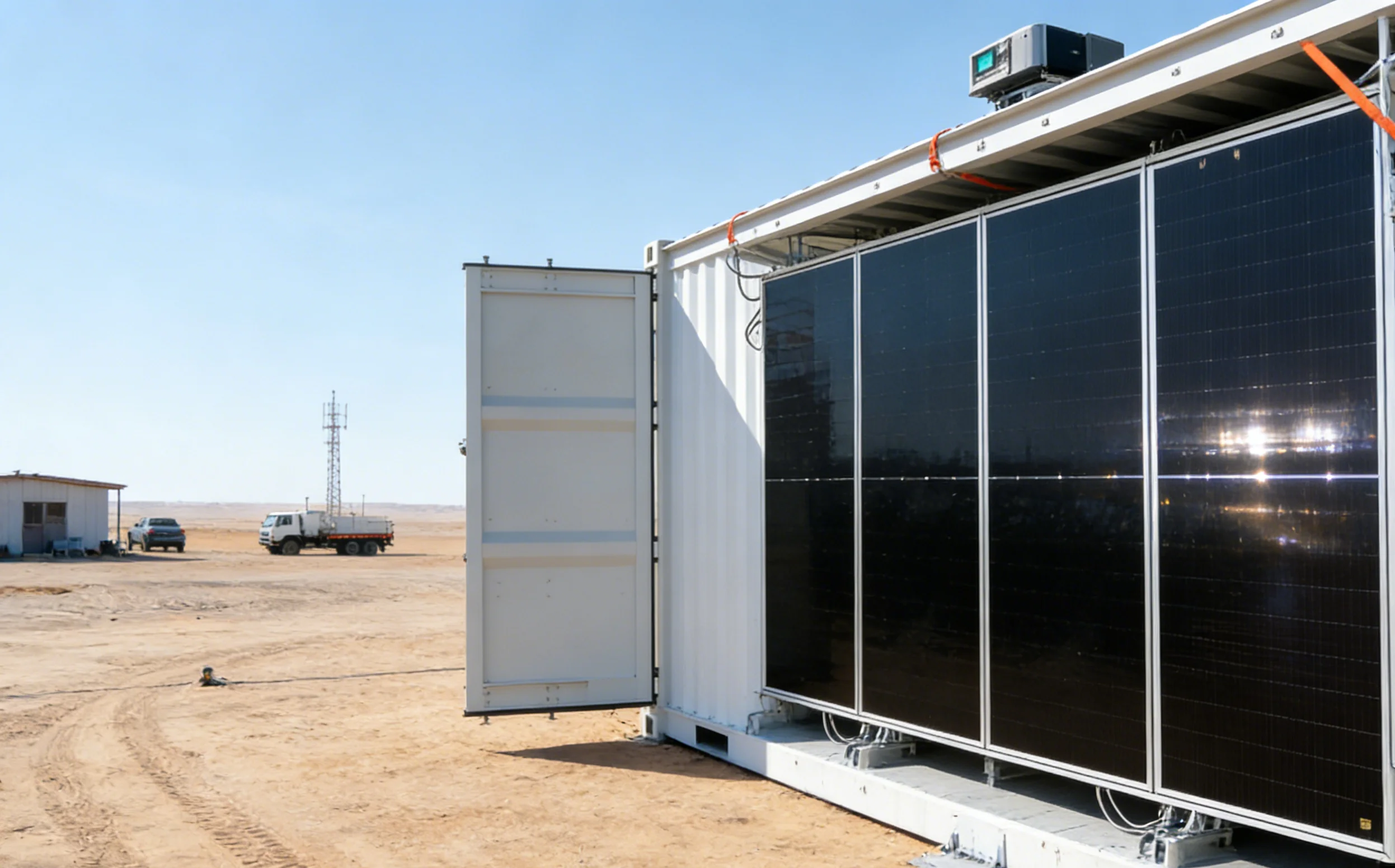
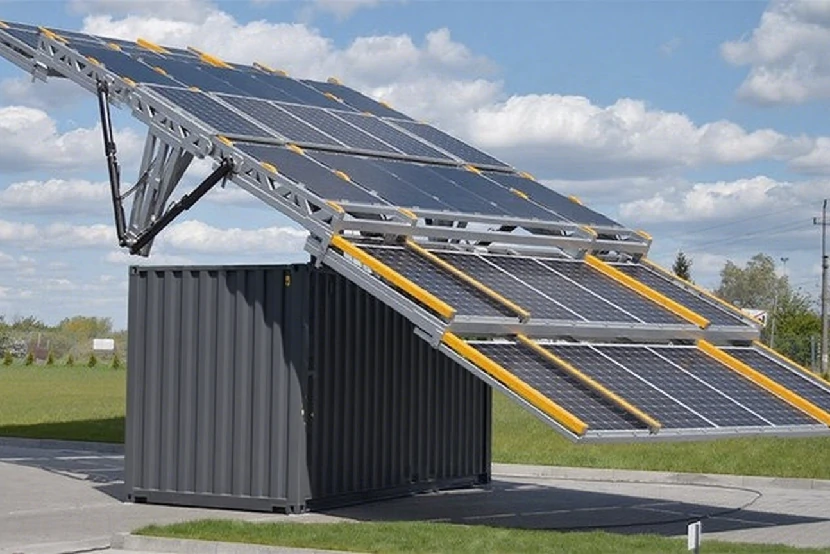
As demand grows for reliable power in remote industrial sites, temporary facilities, and mobile operations, a shipping container solar system is a compelling alternative to traditional off-grid energy setups. Traditional systems of off-grid energy face many bottlenecks related to speed deployment, scalability, and reliable operation in the long run. These are the advantages of a containerized solar generation, storage, and control solution in a single, standard unit.
This article explains why shipping container solar systems consistently outperform traditional off-grid setups, and where these advantages translate into measurable operational value.
Structural integration reduces the vulnerability of the system
Conventional off-grid systems are generally built piece by piece on site. Solar panels, batteries, inverters, and controllers are installed individually-often in improvised shelters. The module-by-module architecture exposes more surface area to environmental stress and multiplies the possible points of failure.
In contrast, a shipping container solar system integrates all critical components inside a reinforced enclosure. MDPI: Performance Analysis of a Solar Powered Multi Purpose Supply Container has already demonstrated that enclosed systems benefit from controlled internal conditions that improve operational stability and protect sensitive equipment from temperature variation, humidity, and dust.
Because shipping containers are engineered for harsh transport and environmental conditions, this structural advantage directly improves reliability compared to traditional off-grid installations.
Faster deployment, easier installation
One of the greatest performance differences is deployment speed. Traditional off-grid systems require site preparation, sequential installation, and extensive wiring and testing on site.
Containerized solar systems are pre-engineered for the most part. Testing of the electrical configuration system and validation of performance are done prior to delivery. Deployment at the site typically involves positioning the container and connecting the output interfaces.
This lower level of setup complexity suggests that more rapid operational readiness would be particularly advantageous in remote disaster response construction and infrastructure projects, for which time and skilled labor are very limited.
Modular scalability without redesign
Scaling a traditional off-grid system often requires redesigning mounting structures, expanding battery housing, and rebalancing electrical loads. Each expansion increases both complexity and cost.
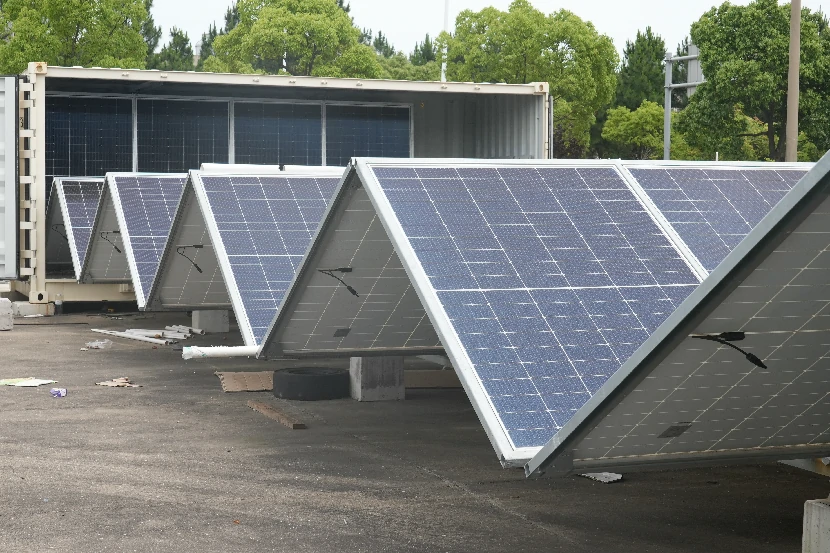
A container solar system is modular by design; additional containers can be added in parallel to increase generation or storage capacity without changing the original system architecture. Elsevier Journal of Cleaner Production: The feasibility of solar photovoltaic-powered off-grid Zero Energy Buildings based on a container house confirms that modular container units allow scalable energy expansion while maintaining system efficiency and balance.
The modularity allows organizations to actually link capital investment versus overbuilding at the beginning to demand growth.
Integrated energy storage improves the consistency of output
Energy storage is often the weakest link in conventional off-grid systems. The batteries are usually subjected to varying temperatures and irregularities in maintenance conditions, which accelerate degradation and reduce usable capacity.
These containerized systems house the batteries in controlled environments that are designed to stabilize operating conditions. Research on solar-powered container systems indicates that they exhibit more consistent charge/discharge behavior and better performance of storage over time.
Consequently, shipping container solar systems deliver more predictable output, which is extremely critical to mission-critical applications, such as telecommunications, healthcare facilities, and industrial operations.
Optimisation of efficiency at system level
In traditional off-grid setups, components often arrive at different times, so the whole system is typically built incrementally. This enhances the likelihood of mismatched capacities with suboptimal utilization of energy.
Photovoltaic efficiency according to MDPI: Efficiency and Sustainability in Solar Photovoltaic Systems is highly improved when optimization occurs at the system level, where panel output aligns with inverter sizing and storage capacity.
The containerized solar systems are an integrated unit, complete with all parts. This integrated design reduces conversion losses, improves load matching, and enhances efficiency compared to ad hoc off-grid installations.
Mobility and re-deployment capability
Once installed, traditional off-grid systems are difficult and expensive to move. Disassembly is risky to components, and reinstallation often requires redesign.
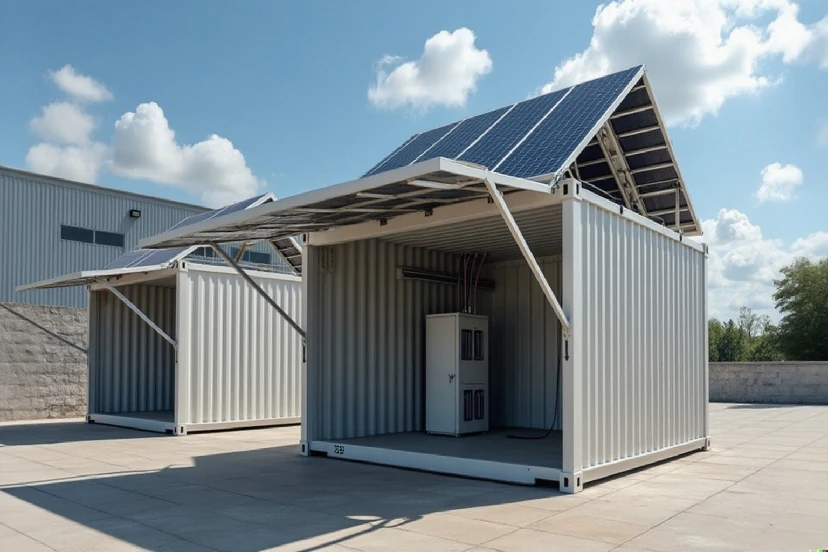
A solar container mobile design allows for transportation using standard shipping dimensions. Container-based energy systems deployed within building and off-grid applications have shown that system performance is not greatly degraded by relocation when appropriate transport procedures are followed.
This mobility turns containerized solutions in particular into the perfect option for temporary facilities of mining operations and projects that often shift to different sites.
Reliability under extreme conditions
Such remote off-grid locations expose the energy systems to dust, moisture, vibration, and extreme temperatures. These frequently cause faults in conventional set-ups.
Shipping container solar systems mitigate these risks through sealed enclosures, reinforced mounting, and controlled airflow. Performance analyses indicate that containerized systems maintain stable output under environmental stress, where traditional off-grid systems experience higher failure rates.
Improved reliability reduces downtime maintenance visits and operational disruption over the system lifecycle.
Lifecycle cost efficiency
Although the upfront cost of a shipping container solar system may be higher, lifecycle cost analysis often favors the containerized solutions. Lower installation labor, fewer component failures, simplified expansion and redeployment contribute to lower total cost of ownership.
In long-term or mobile deployments, these savings continue to increase.
Overview of comparison
| Aspect | Shipping Container Solar System | Traditional Off Grid Setup |
| Deployment speed | Pre-configured rapid installation | On-site assembly |
| Scalability | Modular container expansion | Complex redesign |
| Battery protection | Controlled internal environment | Exposed conditions |
| Mobility | Designed for relocation | Difficult to move |
| Reliability | High in harsh environments | Variable performance |
Shipping container solar systems outperform traditional off-grid setups by integrating structural protection, modular scalability, controlled energy storage, and system-level optimization into a single transportable solution. Supported by academic research, the systems deliver faster deployment, higher reliability, and better lifecycle efficiency in demanding environments. For organizations seeking resilient and flexible off-grid power, taking a containerized approach offers a proven performance advantage. If you are considering modular energy infrastructure options, you can have a look at our containerized solar solutions.
Contact US