
What Maintenance Do Solar Shipping Containers Require?
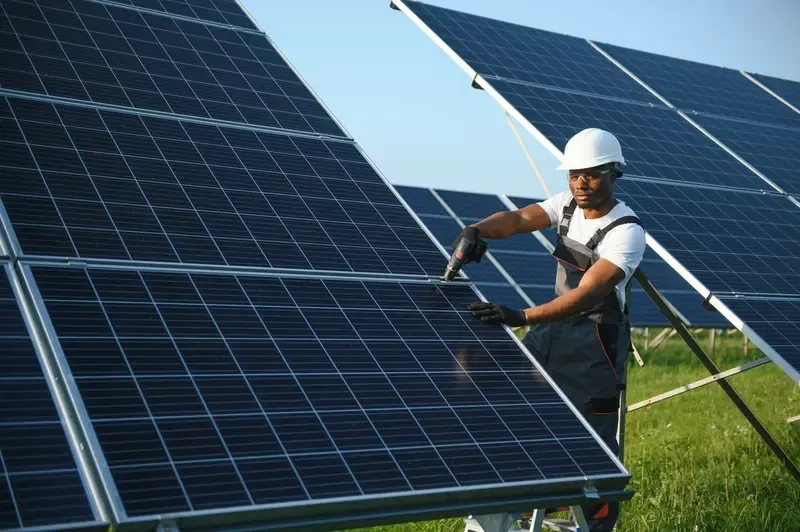
The solar-powered shipping container is often touted as a rugged, maintenance-free energy solution. While mostly true, it is easy to take such claims too literally. In fact, such systems are not completely maintenance-free. They simply remain more reliable than most traditional forms of powering something because more is known about them, which makes them more manageable, a similar inference to earlier statements concerning traditional energy systems.
Maintenance of a solar shipping container is best considered as a set of routine tests rather than ongoing physical labor. While shipping containers come with a design that shields important components from damage, solar panels age and are sensitive to the elements just like any electronic device, and this affects their maintenance as well.
The core maintenance philosophy behind solar container systems
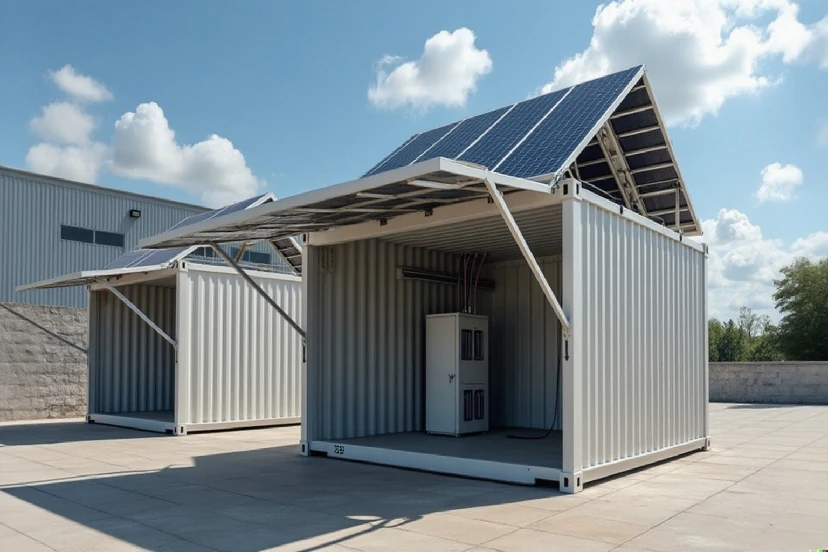
Most solar powered shipping containers are designed around the same principle: reduce on-site complexity. Panels are pre-mounted, inverters are enclosed, and energy storage is integrated into a single unit. This design shifts maintenance away from emergency repair and toward routine inspection.
The U.S. Department of Energy’s guidance on photovoltaic system operation emphasizes that long system life depends more on consistent monitoring and basic preventive actions than on major repairs. The publication Life Cycle of Photovoltaic Systems: Operate and Maintain Existing Photovoltaic System shows that early detection of performance issues significantly reduces long-term costs and downtime by catching problems before they cascade into component failure.
In practical terms, this means solar container maintenance is about patterns, not surprises.
Solar panel maintenance inside a shipping container system
Cleaning requirements and performance impact
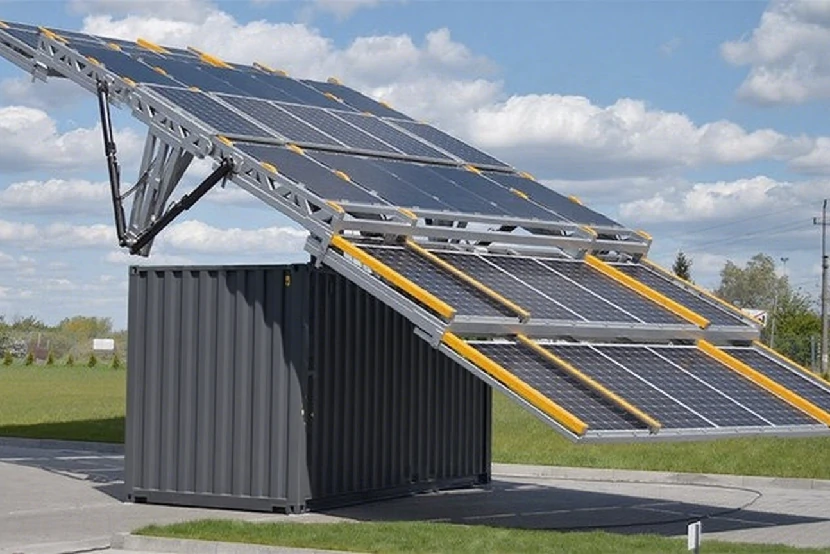
Solar panels are the most visible part of a shipping container solar system, and also the most exposed. Dust, pollen, bird droppings, salt residue, or industrial fallout all reduce output. In many locations, rainfall is not enough to keep panels clean.
The National Renewable Energy Laboratory’s publication Best Practices for Operation and Maintenance of Photovoltaic and Energy Storage Systems explains that even light soiling can cause measurable energy losses, particularly in dry or dusty environments. The report demonstrates that scheduled cleaning restores performance more reliably than reactive cleaning after output drops.
In fact, in most cases of the installation of transportable solar containers, it is enough to clean the equipment once or twice annually. In areas with arid climate conditions or near the coastline or industry, cleaning on a quarterly schedule can be justified.
Visible inspection of panels and mounting devices
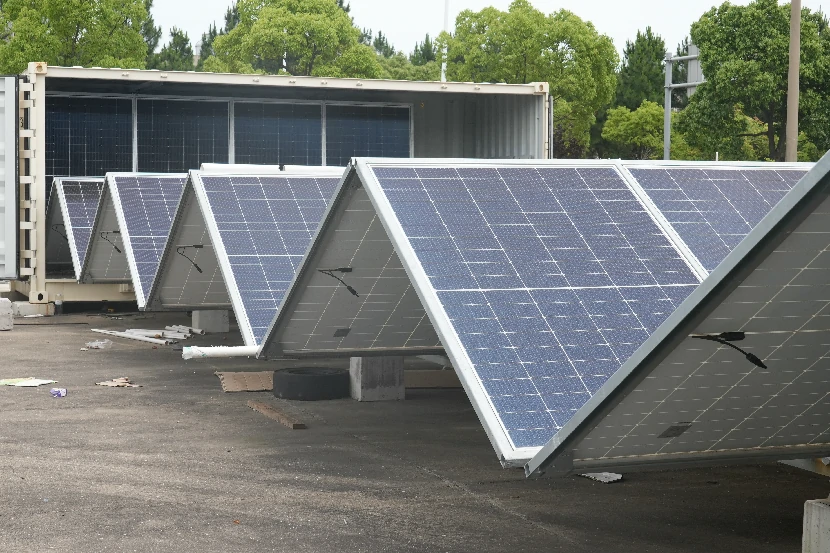
In addition to washing the panels, they must also be visually inspected for any signs of cracks and delaminating, loose screws, and corrosion. This is because panels may be installed on the roof of a shipping container and the sides of a collapsible structure and may be subjected to vibrations as the shipment is transported by trucks and containers and may loosen the screws and bolts on the panels.
Battery System Maintenance And Management
Health monitoring, rather than charge level reporting
The batteries are the most vulnerable and costly element of an off-grid solar container package. More advanced lithium-based batteries require significantly less manual maintenance compared to traditional lead batteries, but they still need certain monitoring.
The World Bank–supported Lighting Global guideline Requirements and Guidelines for Installation and Long-Term Maintenance of Off-Grid Solar Systems for Public Facilities explains that battery longevity depends heavily on temperature control, charge-discharge patterns, and software-based management. The study shows that many battery failures are not sudden defects but gradual degradation that can be detected early through performance data.
Routine maintenance, then, emphasizes the need to examine battery logs, the ventilation system, and ensure thermal conditions are within the manufacturer’s specifications.
Replacement Planning as a Part of Maintenance
Battery maintenance also involves looking ahead to replacement. All batteries, even well-maintained ones, will eventually reach the end of their lives. Viewing replacement as a maintenance task helps prevent unexpected costly downtimes.
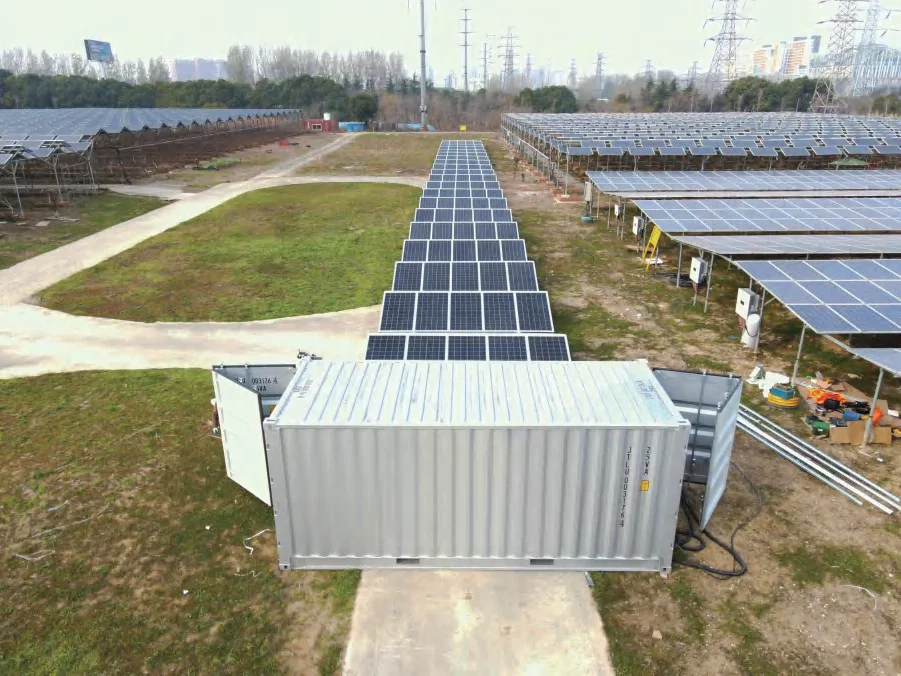
Inverter, Charge controller, Electrical system checks
Software updates and error monitoring
Inverters and charge control circuits are the central nervous system of the solar box energy pack. Although their intervention is not often required, sometimes their error messages need to be checked periodically, along with updates of their firmware.
Maintenance in the area is almost entirely digital. Remote monitoring systems enable the detection of irregular voltage, frequency, or inverter malfunctioning even before the interruption of power distribution.
Physical inspection of wiring and connections
Although electrical components are packaged, thermal cycling could still occur. This could lead to loose connections and insulation deterioration. To avoid such inefficiencies and dangers, periodical inspections with respect to wiring, grounding, and connectors are recommended.
Container structure and environment protection
Corrosion, sealing, and ventilation
The shipping container itself is also part of the system. Rust, damaged seals, or blocked vents may indirectly influence the performance of the electrical equipment.
In this respect, the Lighting Global guideline specifies the importance of the integrity of the enclosure for the overall reliability of off-grid lighting in relation to coastal locations where there might be high humidity. Thus, maintenance also involves the condition of the door seals, painting steel components, and making sure air paths are unobstructed.
Pest and Debris Control
However, In a far-off location, rodents and insects can gain access through compromised seals or ventilation grates. Regular checking helps avert nests, chewed cables, and plugged vents.
How maintenance frequency varies by deployment type
A solar container designed for mobility during disaster relief missions experiences a set of forces unlike those that act upon the container when located at a remote site. When the solar container is moved from one place to another, more attention revolves around the need for mechanical inspections. When the container is located at a station, more attention focuses on the batteries.
The DOE lifecycle model discusses the importance of varying maintenance cycles depending on the patterns of use rather than on a fixed yearly cycle. Systems that work extensively or operate in a hostile environment require inspection frequencies even if they donot show any apparent problems.
What solar container maintenance does not usually involve
One way that the importance of maintenance can be appreciated is by identifying what is not required. Solar-powered shipping containers do not require daily monitoring, fuel handling, or frequent replacement. There is no use of specialized equipment for this type of container. Most work can be carried out by qualified personnel with little expertise in electricity.
Such simplicity is one of the reasons why containerized solar solutions are commonly preferred in off-grid and temporary applications.
Reliability as a Competitive Maintenance Edge
By considering maintenance as a strategic process, the solar shipping container becomes more than just a means of powering a home. Predictability is achieved. It is the result of inspections, simple cleaning, the review of imported data, and taking care of the enclosures.
For the operators, the simplest course of action would therefore be to document a maintenance schedule based not on assumptions but on actual operating factors. Thus, solar container systems would live up to their promise of offering low-maintenance energy with no unpleasant surprises in the future.

Contact US