
What Are the Average Costs of Solar Containers in the UK?
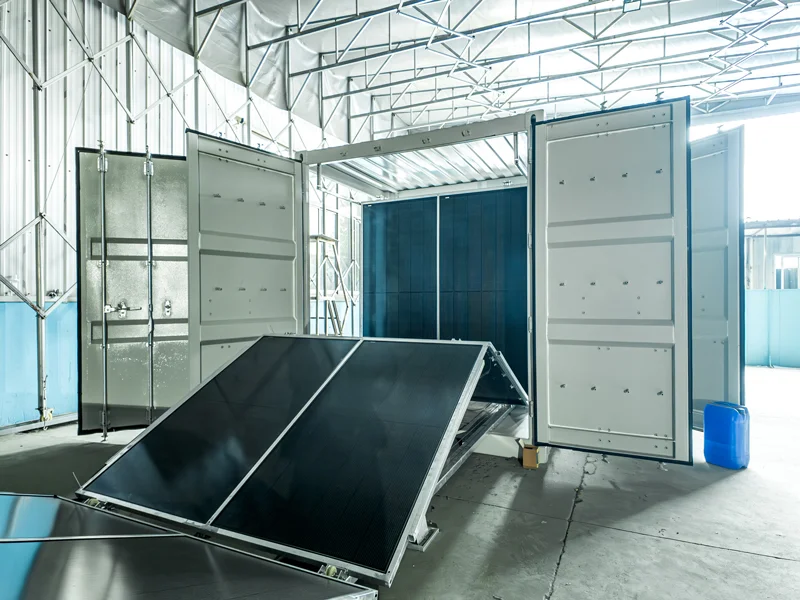
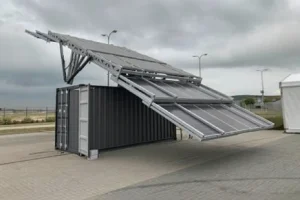
At its simplest level a solar container is a container-ized solar power system: solar panels, inverters, batteries and control equipment assembled inside a standard shipping container. In the UK, a slightly growing interest on the solar container have been observed as a need for mobile energy, temporary sites, and off-grid survival. Construction sites, special events, remote locations and even municipalities are finding containerized solar a viable solution for temporary power instead of diesel generators and fixed roof-top systems.
Finding out what you should expect to spend on average for solar containers in the UK is not as simple as quoting a single price. Prices are influenced by system size, battery size, mobility, and the degree to which the container replicates a traditional, grid-linked solar system.
What is a solar container and how does it standard solar systems?
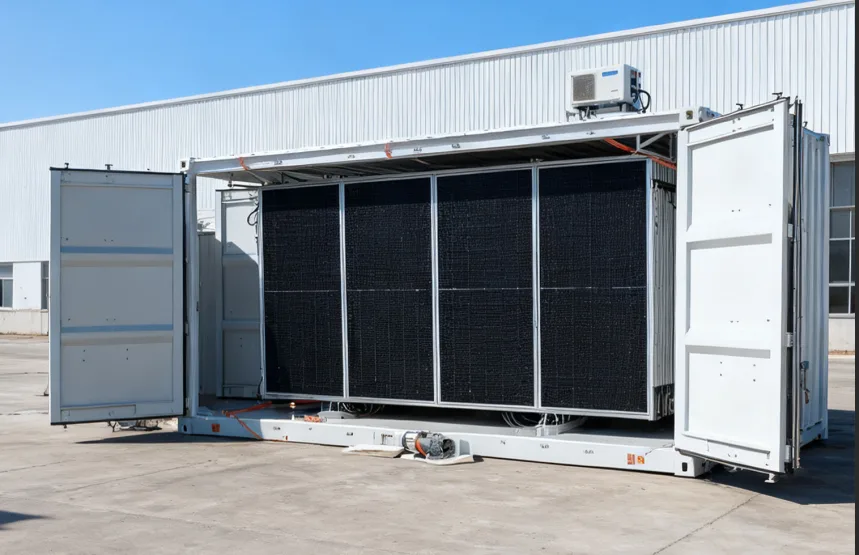
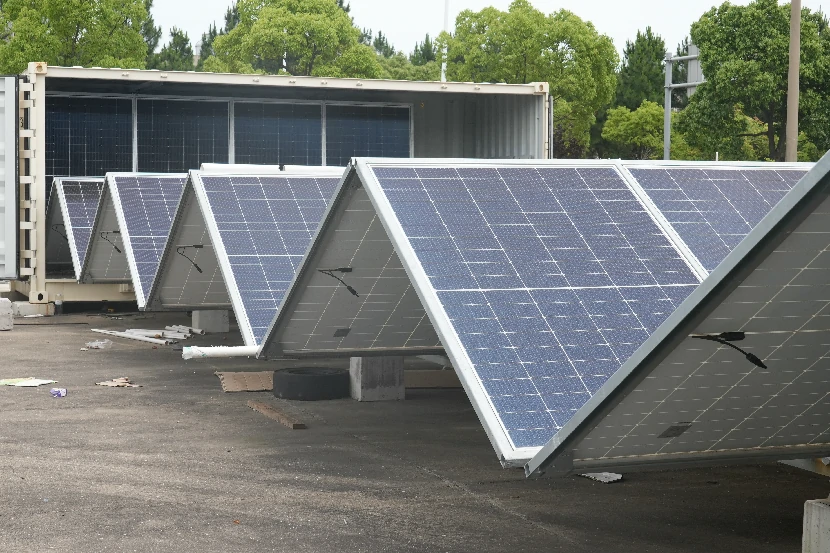
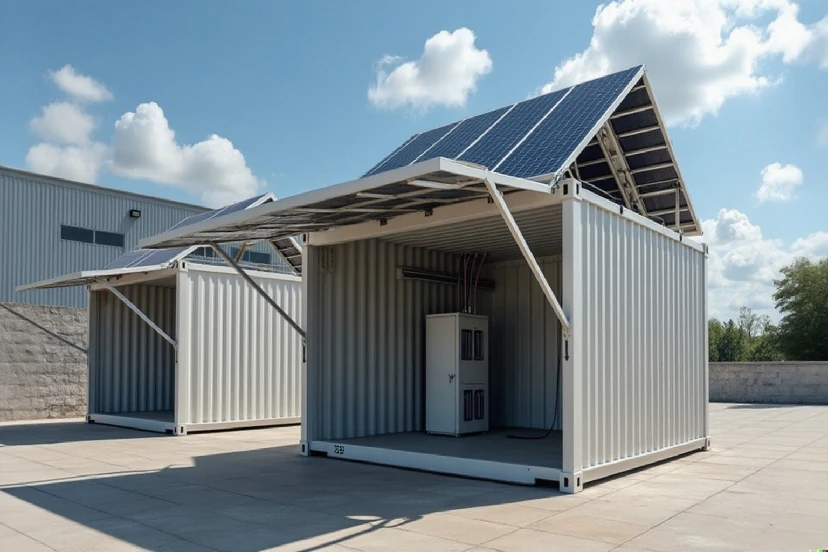
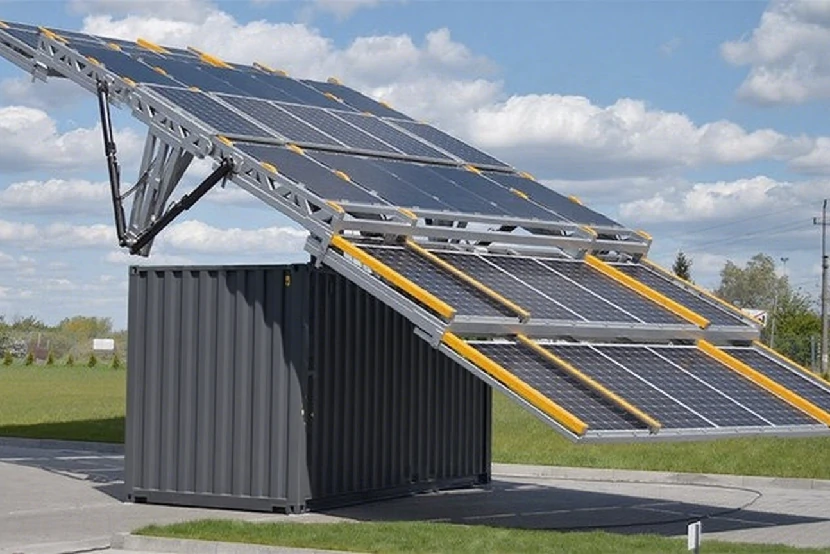
Unlike rooftop or ground-mounted PV, a solar container is modular and relocatable. Panels can be installed onto fold-out frames or set-up close by while the batteries, inverters and monitoring systems are contained within the box. This change in configuration, changes the cost structure and also the value proposition.
Mobile, and off-grid design considerations
A mobile solar container is built to be transportable by truck and deployed in-the-field without delay. That means reinforcing the housing, integrating the cabling and providing plug and play controls. An off-grid solar system in a container also depends more on battery storage than most UK domestic PV systems. Batteries are usually the one highest cost element, and the extent of their sizing impacts the total price to a disproportionate level.
Typical price ranges for solar containers in the UK
There is not an official “average” retail price for solar containers in the UK, as they are not yet a consumer mass product. However their prices can be derived by adding known UK solar generation costs to the extra hardware and engineering needed for containerisation.
The Department for Energy Security and Net Zero’s publication Electricity Generation Costs 2025 shows that capital costs for solar PV in the UK have fallen steadily over the past decade, making solar one of the lowest-cost generation technologies overall. While this report focuses on large-scale and grid-connected systems, it establishes a crucial baseline: the solar panels themselves are no longer the dominant cost driver.
In reality, the UK market generally quotes the price of smal l to medium sized solar containers approximately in the following ranges:
- Small systems (20–30 kWp with limited storage): typically comparable to or slightly above a commercial rooftop PV system of similar size, with the added benefit of containerization.
- Medium systems (50–100 kWp with considerable batteries): the cost of fixed PV is not much higher, due mainly storage and power electronics.
- Units or specialised products (hybrid systems with generators, complex controls, or rugged mobility): these are costed more along the lines bespoke energy solutions rather than off-the-shelf solar.
These are to be interpreted as ranges not ceilings or floors, but they show how the solar container pricing scales in the UK market.
Why solar container costs are higher than rooftop PV
Many buyers are surprised that a solar container can cost noticeably more per kilowatt than a fixed installation. The reasons are structural rather than opportunistic.
Battery storage as a primary cost driver
An off-grid solar system depends on batteries to deliver power when sunlight is unavailable. According to Energy Saving Trust’s guidance Solar panels: costs, savings and benefits explained, battery storage adds a substantial premium even to domestic systems, often rivaling or exceeding the cost of the panels themselves. In a solar container, batteries are not optional; they are central to the design.
Engineering, housing, and transport
The container is more than a box. It needs to be waterproof, secure, ventilated and meet the electrical safety requirements. Transport shock resistance, battery fire suppression, and integrated monitoring, all add layers of cost not found with conventional rooftop PV.
How pricing is affected by UK market conditions
The price of a solar container in the UK is also affected by global market trends and not only the cost of hardware.
Policy and long-term solar cost trends
The study titled The Value of Solar Property report, published by Solar Energy UK, shows that falling solar costs and improving performance have increased the long-term value of solar assets across the UK. Although this research focuses on property and fixed installations, the same downward cost trends apply to the core components used in solar containers.
That is to say, containerisation introduces a cost but it is on top of a technology layer that is getting cheaper and more efficient with each passing year. That helps explain why solar containers are becoming increasingly feasible despite the fact that they cost more up front.
Demand from temporary and remote applications
Construction sites, infrastructure maintenance and events are notorious for their high fuel and grid-connection costs. In such cases, a solar container may be costly when looked at on its own, but competitive when life cycle costs are taken into account. Avoiding diesel fuel, less noise, and fewer emissions, all factor into the buying decision, even if they don’t directly show up in sticker price.
Solar container comparison with other clean energy solutions
An evaluation of the average cost can be (more) fairly made by comparing a solar container with realistic alternatives rather than an ideal Isccover system on roofop-pv-syste.
Solar container versus diesel generators
Diesel generators can be more expensive to run, but their initial costs are much lower. Fuel volatility, maintenance, and the increasingly stringent emission standards in the UK work against them. A solar container puts costs up front, but provides a more predictable long-term spending profile.
Solar container vs energy needs from grid
In some cases it can be too expensive or time consuming to connect to the grid at sites that are remote or temporary. In those situations, the “average cost” of a solar container should be weighed against connection fees, delays and ongoing grid charges — not just the cost of panels.
What buyers should look for beyond headline price
Focusing only on the average cost of solar containers may be missing the larger issue. Buyers need to review system specs and assumptions closely.
System sizing and realistic output
Oversizing or undersizing can be costly. Battery capacity in particular should be based on actual load profiles and not on worst-case scenarios. Total cost can be materially reduced even by modest decreases in storage requirements.
Standards, warranties, and support
Because solar containers integrate several subsystems, clarity on warranties and maintenance responsibilities is important. A lower upfront price may hide greater long-term risk if parts are not well integrated or adequately supported.
Are solar containers cost-effective in the UK?
Why you pay so much in context is more important than what the absolute price is. Conventional PV still remains cheaper for permanent buildings with good grid access. For mobile, off-grid, or temporary use, solar containers are frequently competitive once fuel, logistics and emissions limitations are factored in.
The wider UK solar cost path as documented by the Department for Energy Security and Net Zero along with guidance from Energy Saving Trust and Solar Energy UK market intel, implies that containerised solar will get increasingly cost competitive rather than the opposite.
How to approach solar container pricing decisions
The average costs of solar containers in the UK can be regarded as a range influenced by technology options and application scenarios rather than a fixed value. A solar container is not just “costly solar,” it is a different type of energy system and its own cost dynamics.
Welcome to inquire and learn more. Our professional team will provide you with a free assessment and develop a solar energy plan.

Contact US