
European Solar Container Selection Guide
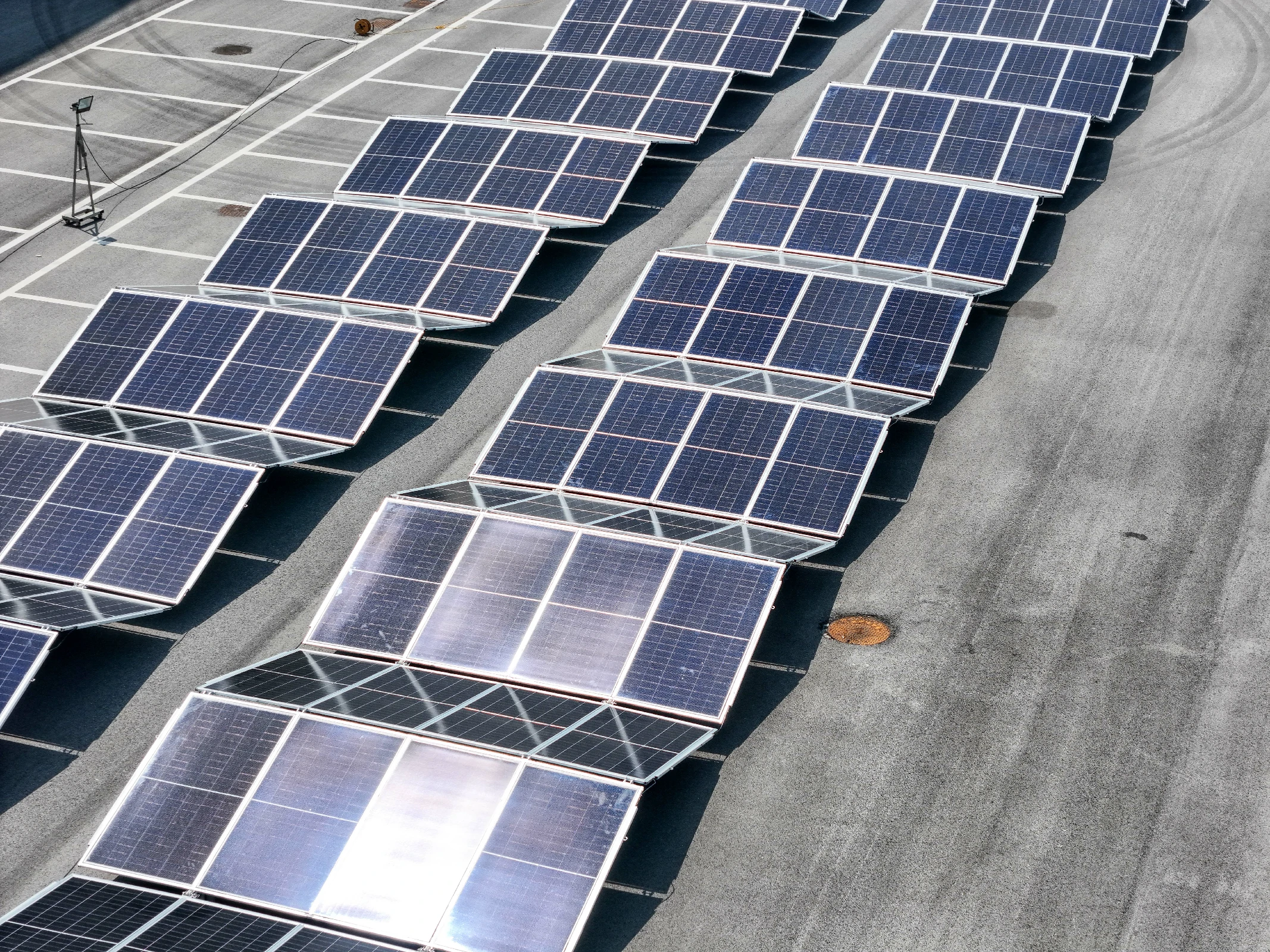
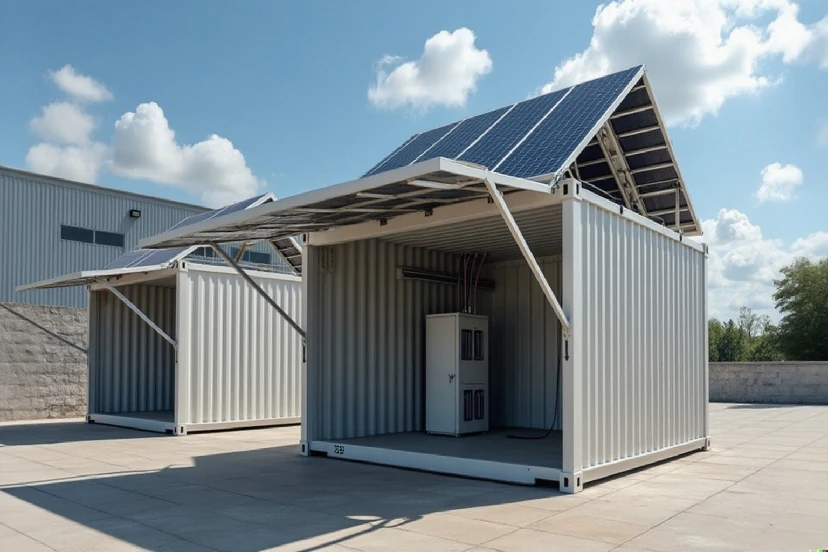
A solar container — a.k.a. solar kits for shipping container solutions — is emerging as a viable option in Europe for providing fast, modular, clean power. These solutions combine photovoltaic panels, inverters, batteries and control units in a standard ISO container that can be transported to locations where energy access is constrained, deferred or not economically practical.
From construction and emergency response to EV charging and remote infrastructure, solar container deployments are burgeoning in Europe as they decrease diesel dependency and meet sustainability goals. Choosing the right system, however, involves a detailed assessment of compliance, performance, mobility and lifecycle value.
Why are solar container solutions becoming popular in Europe
Europe’s drive for energy resilience and decarbonization has fostered the growth of modular renewables systems. Containerized solar equipment contributes to distributed generation, lowers emissions and allows rapid electrification in off-grid regions.
The European Commission’s publication European Solar Charter demonstrates that scaling solar deployment and strengthening supply chains are central to Europe’s energy security strategy, reinforcing the importance of flexible solar solutions that can be deployed quickly and locally.
Solar container systems provide solutions to a number of pressing demands in field applications, including:
- Rapid deploymentwithout permanent construction
- Temporary or mobile power for infrastructure projects
- Decarbonization of off-grid operations
- Energy resilience in the face of grid interruptions
The main use cases for solar container deployments in Europe are
The usage application is known to enable the determination of system size, storage capacity and mobility.
Construction and infrastructure projects: Temporary worksites require dependable electricity for tools, lighting, and offices. Solar containers provide quiet, low-emission power and reduce fuel logistics.
Emergency and disaster response: Mobile solar units can supply immediate electricity for medical facilities, communications, and water treatment systems in crisis zones.
EV charging and mobility pilots: Pop-up charging stations powered by containerized solar systems support rural electrification and pilot mobility programs.
Remote industrial operations: Telecom towers, agricultural sites, and monitoring stations benefit from hybrid solar-battery containers that stabilize energy supply.
Regulatory and compliance considerations in the EU
The deployment of a European solar container must be compatible with electrical safety standards, transport regulations and the environmental laws of the land. Regulations vary depending on the country, but generally have
- CE marking for electrical components
- Grid interconnection standards (if grid-tied)
- Transport and lifting certifications
- Fire safety and battery compliance.
The study titled Analysis of barriers for innovative forms of solar PV deployment and associated recommendations, published by the Publications Office of the European Union, finds that regulatory complexity and permitting delays remain major obstacles to innovative PV deployment, highlighting the advantage of modular systems that reduce on-site construction and administrative burdens.
In some places, containerized solar systems may be considered temporary infrastructure that allows for a faster path to permitting and deployment.
Solar container selection: technical considerations
Power output and system sizing
Start with a well defined daily energy usage (kWh) and Peak load (kW). Systems that are too large cost more while systems that are too small cause you to have to back up your load with your generator.
| Application | Recommended Size | Battery Storage |
| Small site office | 5–15 kW | 20–60 kWh |
| Construction site | 20–60 kW | 80–300 kWh |
| EV charging hub | 50–150 kW | 200–500 kWh |
| Emergency response | 10–40 kW | 40–150 kWh |
Resilience to climate and battery technology
Battery safety and long cycle life make lithium iron phosphate (LiFePO4) batteries popular. In colder parts of Europe, thermal management and insulation are required to keep up performance.
Mobility and deployment speed
Features to simplify operation include:
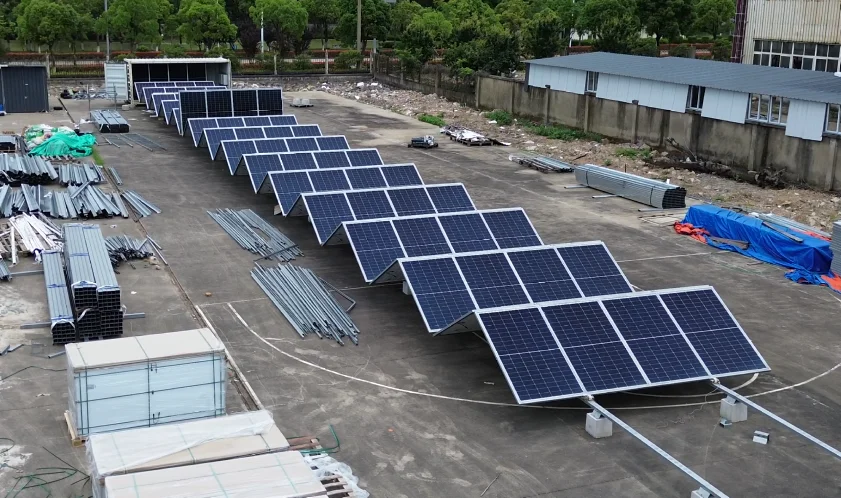
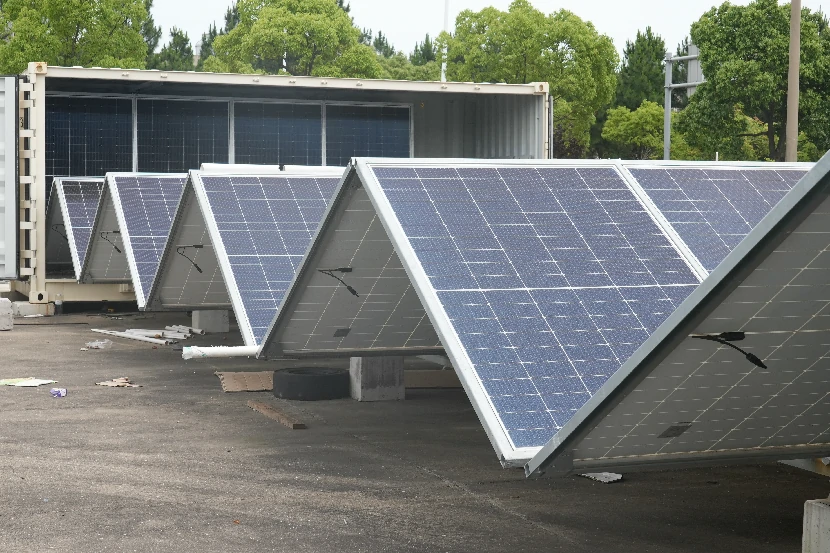
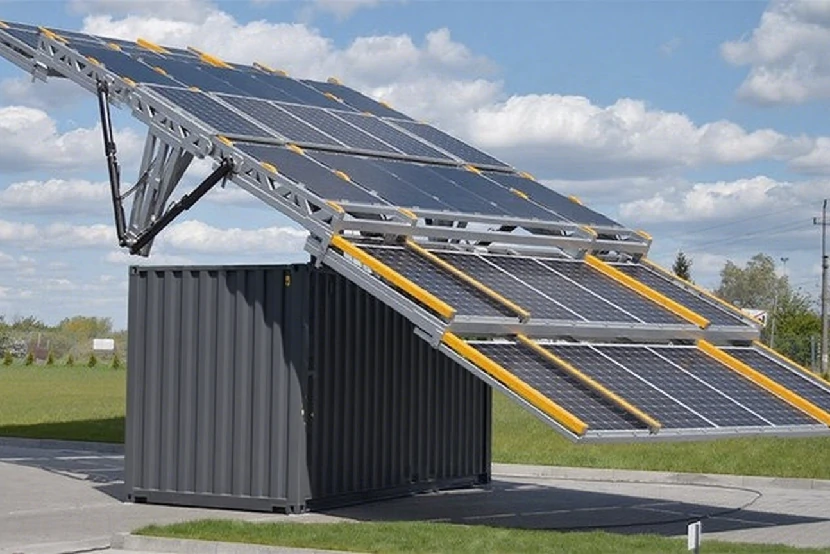
- Fold-out or telescopic solar arrays
- Crane lifting points and forklift pockets
- Pre-wired plug-and-play connections
- Remote monitoring and diagnostics
A properly designed system can be up and running in hours.
Solar kits for shipping container: a standardized system format
In the European market, solar kits for shipping container is synonymous to solar container systems. It is a predefined solution in which all solar system components reside within the walls of a shipping container, or within a container, making it a fully contained, transportable energy unit.
Typical system components include:
- PV arrays mounted on containers, or that are portable
- Hybrid inverter and charge controller
- Battery storage modules
- Energy management and remote monitoring
- Integrated protection and safety systems
Cost considerations and lifecycle value
Initial costs depend on the capacity of the system, size of battery storage and mobility options:
- Small systems (≤15 kW): € 20,000–€ 60,000
- Medium systems (20–60 kW): €70,000–€ 180,000
- Large systems (≥100 kW):€200,000 +
While the first cost can be higher than for diesel gensets, life cycle benefits include:
- Removal of fuel cost
- Lower maintenance needs
- Reduced cost of carbon compliance
- Better ESG and sustainability performance
In many European countries, green procurement laws and subsidies make this even more financially feasible.
Common selection mistakes to avoid
Underestimating future energy needs: Projects often expand. Selecting scalable systems prevents costly retrofits.
Ignoring transport and site constraints: Verify road weight limits, container dimensions, and access conditions before purchase.
Overlooking battery safety compliance: Ensure conformity with EU battery and fire safety regulations.
Focusing only on panel wattage: Overall system performance depends on integration quality, inverter efficiency, and energy management.
How to choose a reliable European supplier
A compliant supplier should be able to offer:
- Proven EU conformity
- Experience of working in similar weather conditions
- Openly available performance figures
- Service and maintenance localised
Ask for documented case studies and for independent test results to corroborate claims.
Conclusion: Deciding On a Confident Solar Container Choice
To choose the best solar container Europe, you must make a fair assessment of the compliance, performance, mobility and sustained value for money. Containerized solar solutions, also known as solar kits for shipping container solutions, are emerging as strategic tools for resilient, decentralized energy in the region.
Establish your power needs, ensure early regulatory compliance, and focus on scalable designs that can adapt to changing project requirements. Informed by such considerations, entities can confidently pursue dependable power, emissions reductions and even a stake in Europe’s journey toward a more agile and sustainable energy future.
Contact US