
What Makes a Shipping Container Solar System Different from Standard Off-Grid Solar
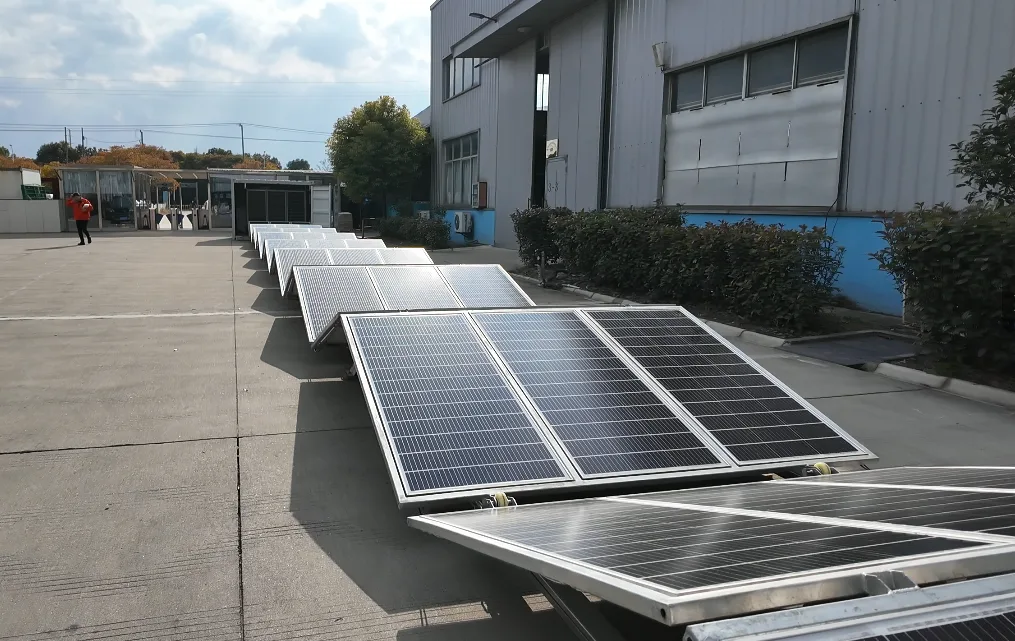
A shipping container solar system brings the benefits of modularism and solar power together. Though it is an off-grid solar solution, the use of standardized container systems brings its own set of design, deployment, and usage characteristics. Knowing the differences can help organizations choose the right solution for remote power needs, disaster relief, and mobile deployment scenarios.
Understanding Off-Grid Solar Basics
Off-grid solar systems refer to solar systems that can operate independently of the public electric grid. They usually comprise solar panels, batteries, and inverters designed to provide power for specific usage requirements without any connection to the public grid. The design principle of off-grid solar systems is centered on self-sufficiency. They can be used in areas where it is not cost-effective to connect the public grid. They can also be used in areas where the public grid is unreliable. The components of off-grid solar systems include solar panels, batteries, and balance of systems equipment.
The Stand-alone power system Wikipedia publication explains how these systems operate independently of grid infrastructure, outlining the key elements—generation, storage, and control—that define any off-grid setup.
What Defines a Shipping Container Solar System
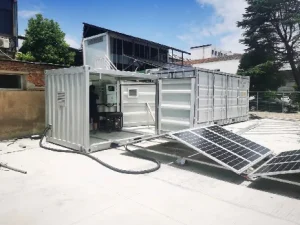
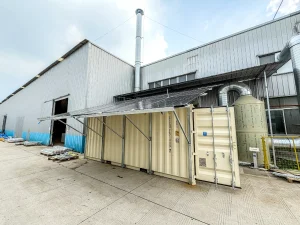
The shipping container solar systems are systems that use the shipping containers as the structural basis for the accommodation of the energy systems. The shipping containers are designed to be strong structurally and are easy to transport. The main advantage that these systems have is the fact that they are easily transportable through land or sea.
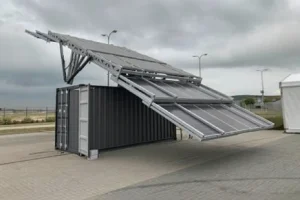
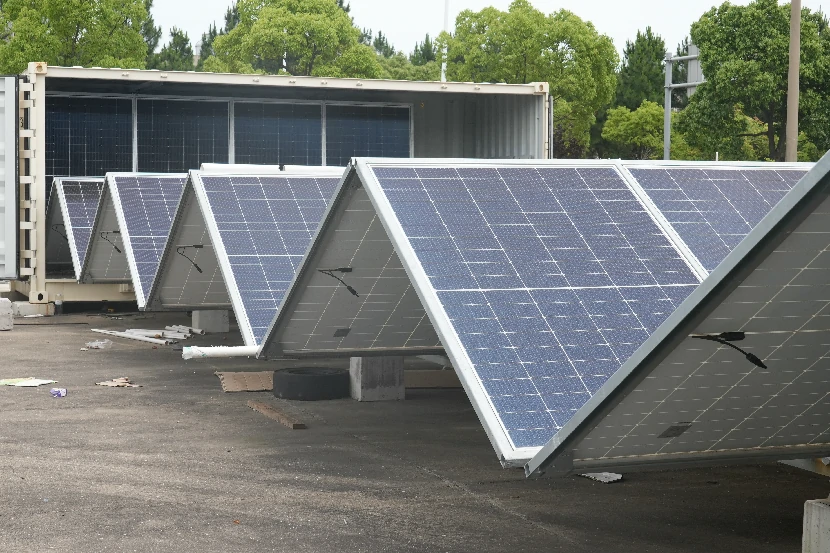
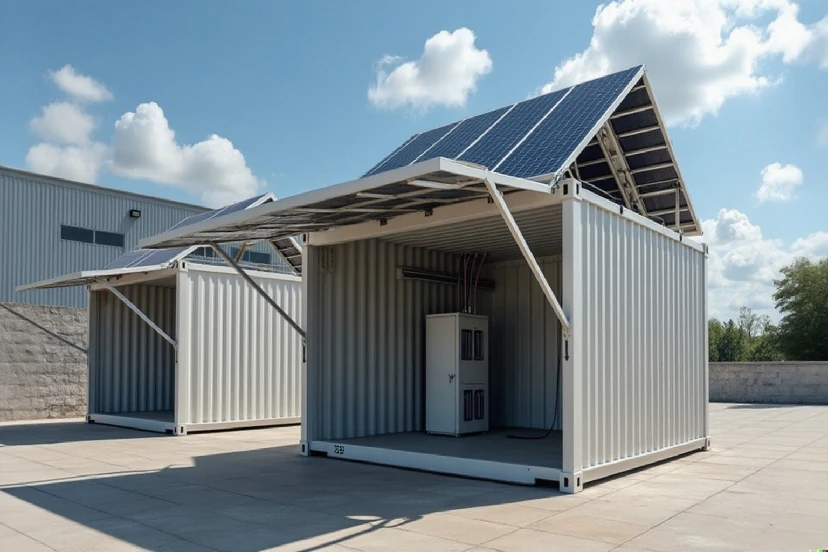
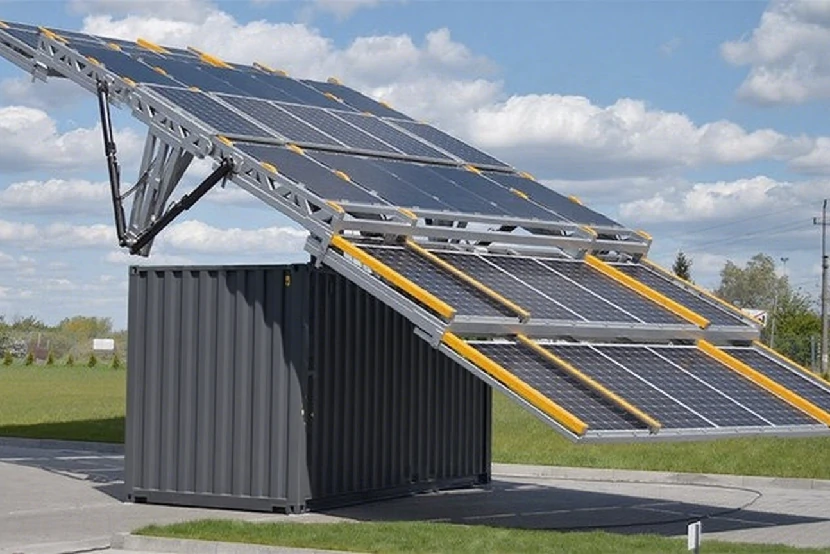
The shipping container systems may be designed to have the entire solar system with the storage facilities inside the container. The solar panels may be mounted on top or may be foldable ones that are stored during transport.
Design and Deployment Differences
Built-In Modularity and Mobility
Standard off-grid solar solutions usually entail the installation of solar panels on existing structures or racking systems. Batteries and inverters are then installed within the same area. This approach generates bespoke solar solutions for specific areas. On the other hand, containerized solar solutions are preconfigured and plug-and-play. The container serves as the mounting and housing structure for the solar equipment. This reduces the time required for installation since it is preassembled and tested.
The containerized solar solutions are preconfigured and tested to be robust and of standard dimensions. This feature is important for emergency response, military operations, and temporary power generation for industrial applications. The containers are tested and preconfigured for easy deployment.
Integrated Protection and Infrastructures
In off-grid systems, it may be necessary to build enclosures to protect batteries and electronics from weather, dust, and theft. The shipping container provides a pre-fabricated weather-resistant enclosure that can be secured and has good structural integrity. The cable layout and component placement are optimized during manufacturing, unlike site-built systems with site-specific constraints, which may affect efficiency and longevity.
Energy System Characteristics
The shipping container and conventional off-grid systems are similar in that they are solar-powered and produce usable power. However, they are distinct in terms of priorities. The conventional off-grid solar power system prioritizes the optimization of the power system for its specific load. The panel and battery sizes are custom-designed for the off-grid power system to meet the power requirements of the consumer.
In contrast, the shipping container solar power system prioritizes its ability to be versatile and scalable. The battery and inverter sizes are standardized to fit within the container to make it easy to scale up the power by adding more containers. This way, it is easy to start with a minimal power capacity and extend it later without having to change the entire system.
Performance and Application Context
The Performance Analysis of a Solar-Powered Multi-Purpose Supply Container MDPI publication shows that container-based solar systems can reliably supply energy for multiple applications under varied conditions. Researchers highlight that these integrated systems maintain performance comparable to conventional off-grid designs while offering logistical advantages. Proper engineering balances internal layout, thermal management, and energy storage within the container envelope, enabling flexible deployment in humanitarian and industrial contexts.
Standard off-grid solar systems focus on the optimization of the system according to a known load profile. This ensures a highly efficient system for a specific site. Container systems may focus more on generalizability and portability than site optimization.
Deployment Scenarios: When Each Option Fits Best
Remote Worksites and Temporary Power
For remote construction sites, disaster relief operations, or mobile medical clinics, a shipping container solar system can be highly valuable. It saves time and resources that would be needed to install infrastructure.
For a static site with a permanent installation, a standard off-grid solar system can be more cost-effective. Without the need for containerized housing, the costs of the equipment can be reduced, and the system can be fully optimized for the site.
Extreme Environments
Container systems perform well in extreme environments where there is a need for protection. Steel walls provide protection from the elements, animals, and any potential vandalism. In off-grid systems, there is usually a requirement for shelters or fencing to provide the same level of protection, adding cost to the overall installation.
Understanding the Core Differences with Off-Grid Principles
The Off-the-grid Wikipedia publication highlights motivations for off-grid solutions, such as autonomy from utilities and resilience to outages. Shipping container solar systems can satisfy these needs while adding mobility and modular deployment capabilities, suitable when power must be both autonomous and relocatable.
Summary of Difference between Modular Containers and Custom Off Grid Systems
The major difference between shipping container solar systems and regular solar systems is that while solar energy conversion is similar in both systems, packaging and protection are different in that a transportable shell is provided in a container system, whereas in a regular system, more site-specific work is involved and protection is required.
Priorities of a project will decide which system is more suitable. If speed and portability are required, a container system will be more suitable; otherwise, a regular system will be more suitable.
Contact US