
Solar Container Size Guide: 10ft vs 20ft vs 40ft for Cost-Effective ESS Projects
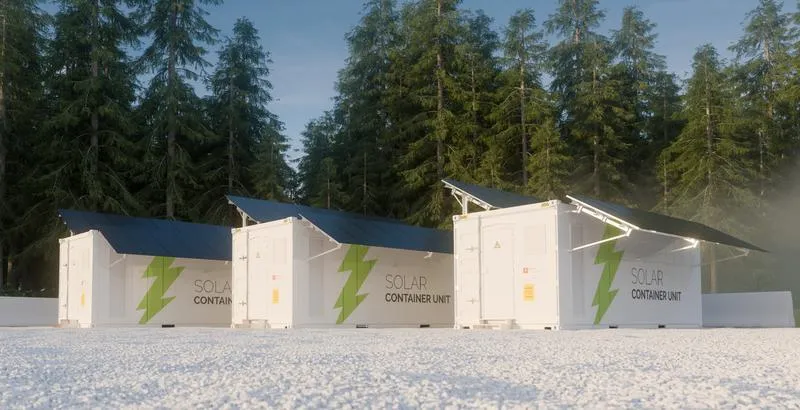
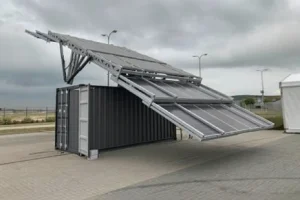
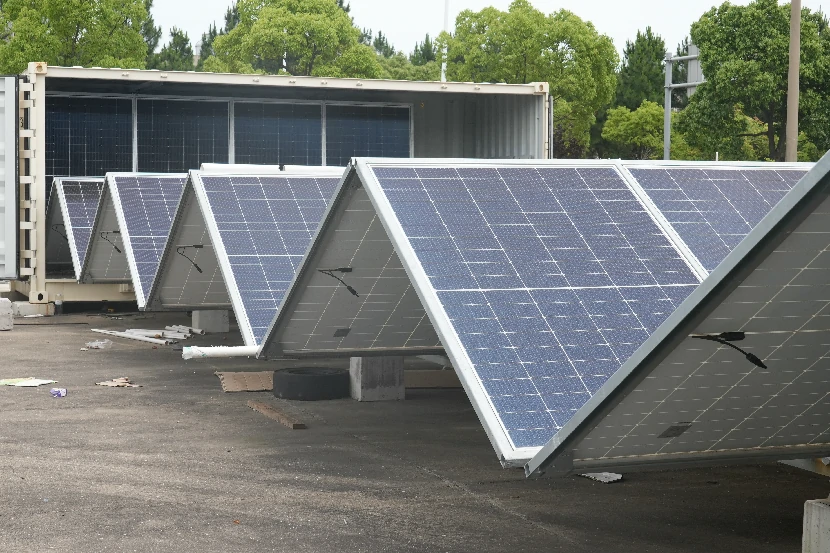
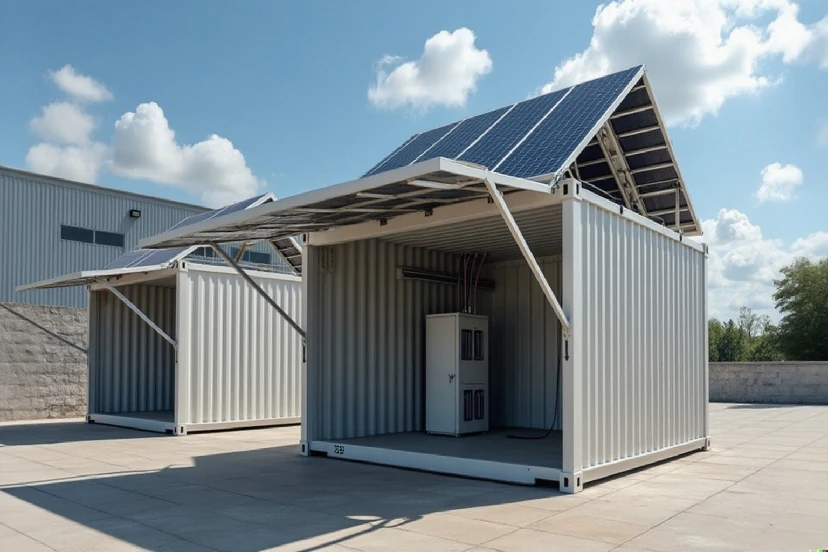
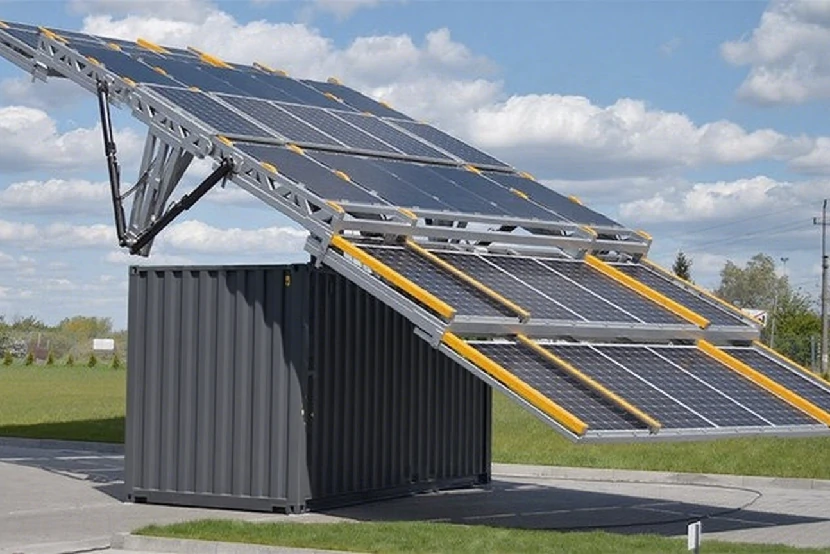
A solar container has emerged as one of the most accessible forms of battery energy storage system design. This is because it packs batteries, inverters, and control systems into a standard shipping container. This makes it easier to deploy power quickly.
There is, however, one design feature that is commonly misunderstood at the initial stages of planning. This feature is the footprint of the container. Whether it is a 10-foot, 20-foot, or 40-foot container system plays an important role in the cost efficiency of the system.
To ensure that the system is cost-efficient, it is important to understand the footprint of each system. This ensures that the most cost-efficient architecture is used in the design of the solar powered shipping containers or mobile solar containers.
Why Container Footprint Matters in a Solar Container ESS Design
The footprint of the system is more than just the physical structure that holds the equipment. It plays an important role in the cost efficiency of the system.
In most ESS systems, there are only three standard footprints. They include:
- 10-foot container systems
- 20-foot container systems
- 40-foot container systems
These are standard sizes that are easily accommodated by standard shipping infrastructure, such as trucking, rail, or ocean freight. It is the ease of integration into these standard infrastructure that makes containerized energy systems so appealing for solar and hybrid microgrid projects.
The real consideration is no longer simply the size of the system but rather what size system results in the lowest cost for each kilowatt-hour stored.
10ft Solar Container: Small-Scale Systems for Remote Deployment
A 10-foot solar container system is typically selected for projects where flexibility is more important than the size of the system.
10-foot solar container systems are often deployed for projects such as:
- Telecommunications towers
- Small microgrids
- Small construction projects
- Disaster response projects
The compact size of the container allows for small equipment needs for deployment. The system can often be delivered on a small truck and set in place using a light crane or forklift.
Typical advantages
Compact containerized energy systems offer many advantages.
Reduced cost of transport
Reduced footprint of the system on the site
Easier installation logistics
Faster installation
In the case of mobile solar containers that can be moved or reused, the footprint is an important consideration.
Limitations
In exchange for the advantages, there is the disadvantage of capacity density. With only 10 feet of space in a container, there is only room to place a certain number of battery racks. This makes the cost of each kilowatt-hour higher.
There is also the limitation in terms of cooling. As the energy density is higher, it is more difficult to cool in a small space.
20ft Solar Container: The Industry Standard Balance
In most commercial and utility-related applications, the 20-foot solar container is considered the standard.
It is an optimal balance between transport efficiency and storage capacity. It can store anywhere from several hundred kilowatt-hours to several megawatt-hours, depending on the configuration of the batteries.
Why many projects use this configuration
A 20-foot container is easily contained within most logistical and construction operations.
Standard transport compatibility
Optimal installation cost balance
Optimal energy density
Optimal cooling and safety spacing
Many ESS manufacturers design their battery rack and inverter skid configurations around the 20-foot standard. This makes it easy to procure.
Cost efficiency considerations
The study titled Battery Energy Storage System Evaluation Method, published by the National Renewable Energy Laboratory (NREL), shows that energy storage systems must be evaluated using consistent performance and capacity metrics in order to determine lifecycle cost efficiency.
This evaluation criterion is significant when determining the size of the container. It is observed that the battery technology provides different cost benefits based on the equipment density within the container and the efficiency of the cooling systems.
In practice, many developers have observed that the 20-foot container provides the most efficient cost benefits in terms of operational efficiency.
40ft Solar Container: High Capacity Energy Hubs
A 40-foot solar-powered shipping container is usually selected when the project has high energy storage capacity requirements.
These types of containers have the potential to store a large number of battery racks within the same enclosure.
Some of the use cases include:
- Utility-scale solar farms
- Grid-stabilization storage projects
- Industrial microgrids
- Large off-grid energy systems
Key advantages
The first and most important benefit is the improvement of the cost of stored kilowatt hours.
Equipment density
Cost of enclosure per capacity unit
Better power electronics integration
If multiple racks are installed within the same container, the cost of structural components, enclosure, and installation can be spread over the capacity.
Design challenges
However, there is an engineering disadvantage in spite of economic advantages.
Cooling requirements increase
Fire safety design is more complex
Transport weight limits may be applicable
Internal layout planning is necessary to ensure thermal separation of battery modules.
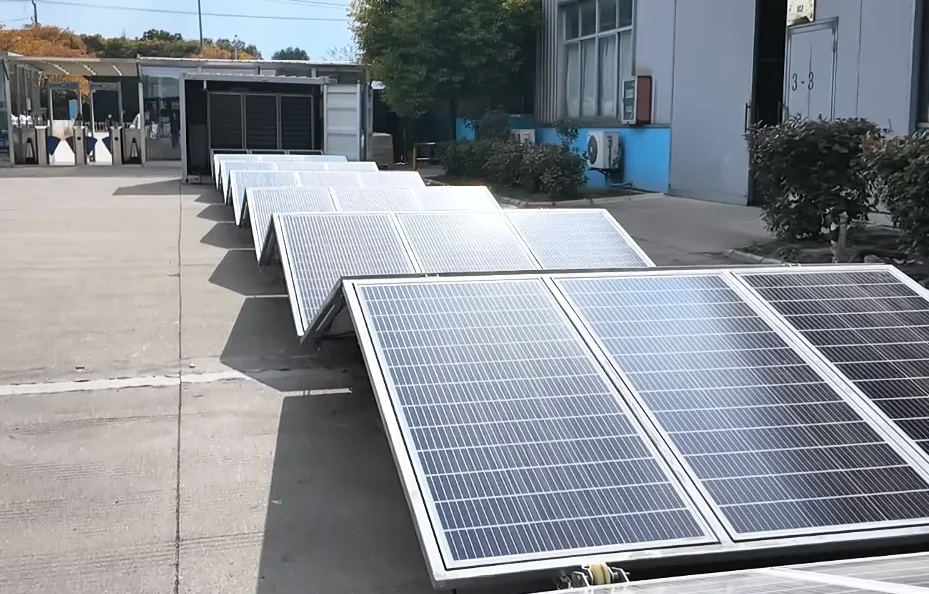
Comparing 10ft, 20ft, and 40ft Container Footprints
The following comparison illustrates how container size affects the design.
| Container Size | Typical Capacity Range | Deployment Style | Cost Efficiency | Transport Complexity |
| 10ft | Small to medium ESS | Mobile / temporary | Higher cost per kWh | Very easy |
| 20ft | Medium ESS | Standard commercial | Balanced | Easy |
| 40ft | Large ESS | Utility or industrial | Lowest cost per kWh | Moderate |
Although it has been found that larger systems have better capital efficiency, they may not always be the best solution. Site constraints, transport routes, and scale may make a smaller container a better solution.
Global Energy Storage Growth Is Driving Containerized Systems
The rapid growth of renewable energy has led to an increased need for scalable storage solutions.
The International Energy Agency’s publication Batteries and Secure Energy Transitions shows that global battery deployment is expanding rapidly as countries integrate more renewable power into their energy systems.
Containerized ESS platforms have become an important part of this expansion due to the ability of energy storage systems to be deployed rapidly, scaled modularly, and moved when necessary.
For solar developers, the modular design helps in the mitigation of risks. Rather than installing a permanent system that has to be perfectly sized from the start, solar energy storage can be scaled incrementally in line with the growth in energy requirements.
How to Choose the Most Cost-Effective Solar Container Size
The size of the solar container is not based on the energy storage capacity only; rather, several factors have to be taken into account in the selection of the solar container size.
Project scale
For small off-grid projects, the 10-foot solar container is effective. For commercial-scale solar projects, the standard size is the 20-foot container.
For utility-scale solar projects, the focus is moving towards the 40-foot container.
Transport and site constraints
The size of the road, the capacity of the crane, and the ease of access may limit the size of the container that can be delivered.
For remote locations, there may be an advantage in using small mobile solar container units simply because they are easier to transport.
Future scalability
For projects that are expected to grow rapidly, multiple containers of 20 feet are often preferred over large units. The reason for this is that the capacity can increase incrementally without necessarily changing the original equipment.
Thermal management design
For denser capacity units, there may be the need for complex safety design. In some locations, using multiple small containers may provide an advantage in terms of ease of management.
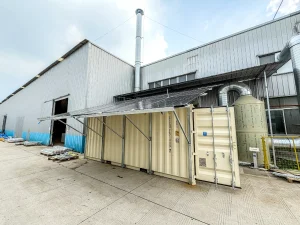
Practical Takeaway for ESS Developers
Ultimately, the decision between the 10ft, 20ft, or 40ft solar container size is an optimization problem that weighs the benefits of mobility, capacity density, and cost efficiency.
Small containers are the most flexible and easiest to deploy. Medium containers offer the optimal solution for commercial solar storage projects. Large containers offer the highest capacity density and the lowest cost/kWh for solar storage projects.
For the majority of solar powered container system projects, the most effective strategy is to first identify the requirements for the solar storage system. Once the requirements are established, the container size that offers the most cost-effective ESS solution is obvious.
Contact US