
How Much Does a 100 kWh Solar System Cost in Indonesia?
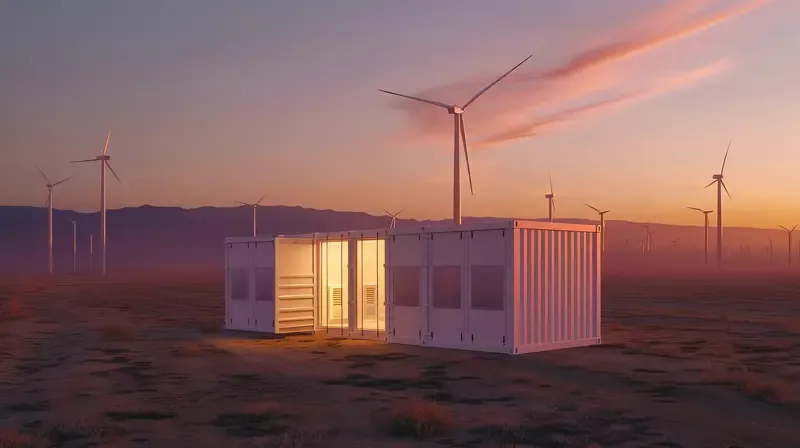
The cost of installing a solar system in Indonesia differs based on various factors, including system design, system installation conditions, and whether it is a conventional ground-mounted system or a modular containerized solar system. In terms of cost, for a system that is around 100 kWh in capacity, commonly meaning that it is a system that has around 100 kWh of storage or something comparable, businesses or remote locations are likely to pay between $120,000 and $250,000 for a turnkey system.
This is a broad range, but it is worth noting that the overall cost of a solar system is determined by several cost structures, including hardware, shipping, storage, and engineering complexities. In Indonesia, geography is also a major determinant of cost, particularly when considering smaller islands or industrial locations that are not close to major ports.
The breakdown of where this money is coming from is also important in understanding why there is such a large variation in cost between different solar system installations.
Typical Cost Breakdown of a 100 kWh Solar System
A solar system is generally comprised of several major components, including equipment, which is the costliest of these components, but also engineering, shipping, etc.
| Cost Component | Typical Share of Total Cost | Description |
| Solar panels | 25–35% | Photovoltaic modules generating electricity |
| Battery storage | 30–40% | Lithium battery banks storing energy |
| Inverters & electronics | 10–15% | Power conversion, control systems |
| Mounting & structure | 5–10% | Frames, racks, or container housing |
| Installation & engineering | 10–20% | Labor, electrical design, commissioning |
| Shipping & logistics | 5–15% | Transportation to remote Indonesian locations |
Battery storage is normally the most costly element of a 100 kWh system. The majority of 100 kWh systems are designed for off-grid or hybrid applications where access to electricity at night is critical.
This is particularly common in Indonesia, where remote industrial activities, resorts, mining activities, etc., may require the use of diesel generators before they can be powered by solar energy.
Why Solar System Costs in Indonesia Can Be Higher
There are a number of structural considerations that affect the cost of renewable energy projects in developing countries.
The International Energy Agency publication Attracting Private Investment to Fund Sustainable Recoveries: The Case of Indonesia’s Power Sector reveals that financing risks for renewable energy projects are higher in Indonesia compared to mature energy markets, which can affect the cost of solar system projects.
In other words, although solar equipment prices are already globally standardized, project finance and infrastructure factors may drive up the total system price in Indonesia.
Geography is another factor that may impact solar deployment in Indonesia, given its more than 17,000 islands, which could result in logistics and transportation expenses being a significant portion of solar deployment budgets.
Containerized Solar Systems: A Faster Alternative
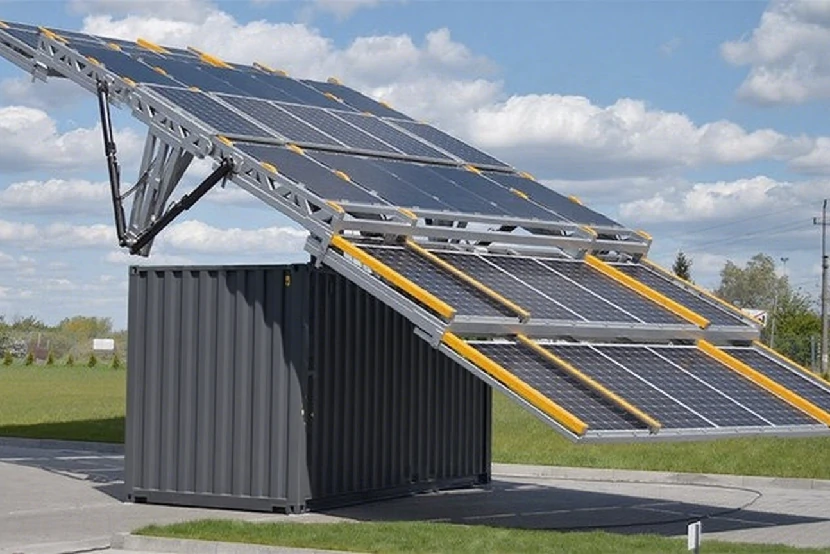
Increasingly, solar deployment projects in Southeast Asia are opting for containerized solar systems, also known as solar shipping container solutions.
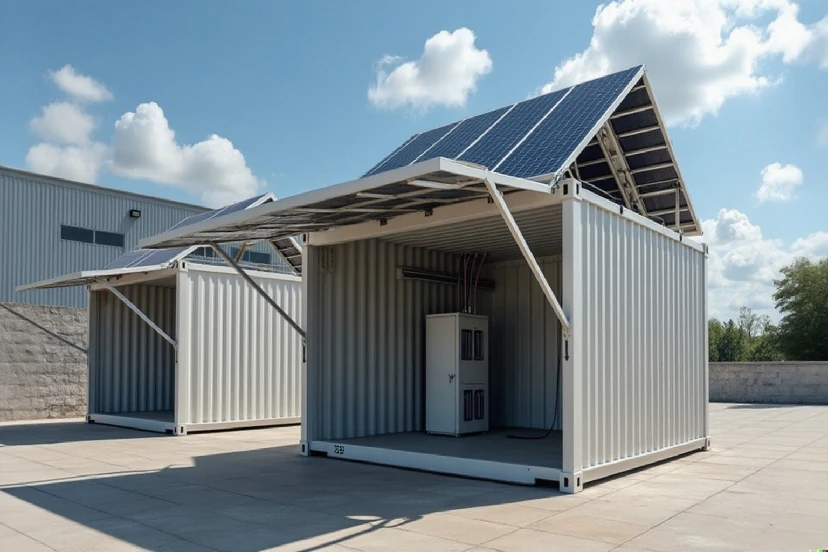
In a containerized solar system, solar electronics, battery storage, and control equipment are integrated into a standard shipping container instead of assembling each piece of equipment on-site.
How Containerized Solar Works
A solar shipping container contains:
- Battery Energy Storage System
- Inverter and Energy Management Software
- Pre-Wired Electrical Components
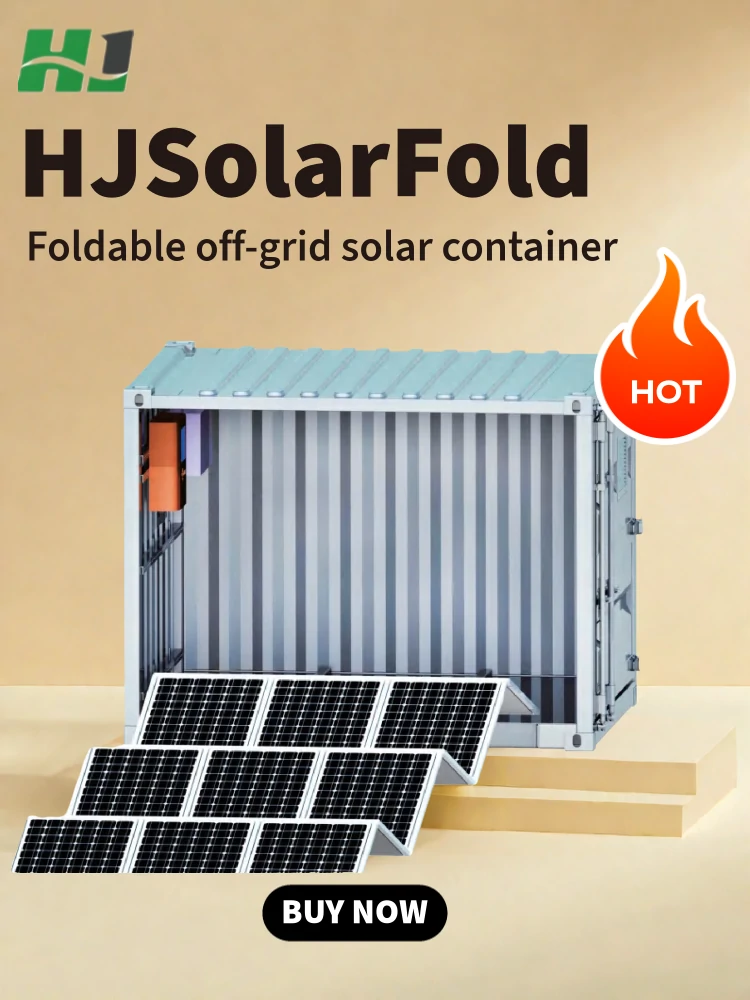
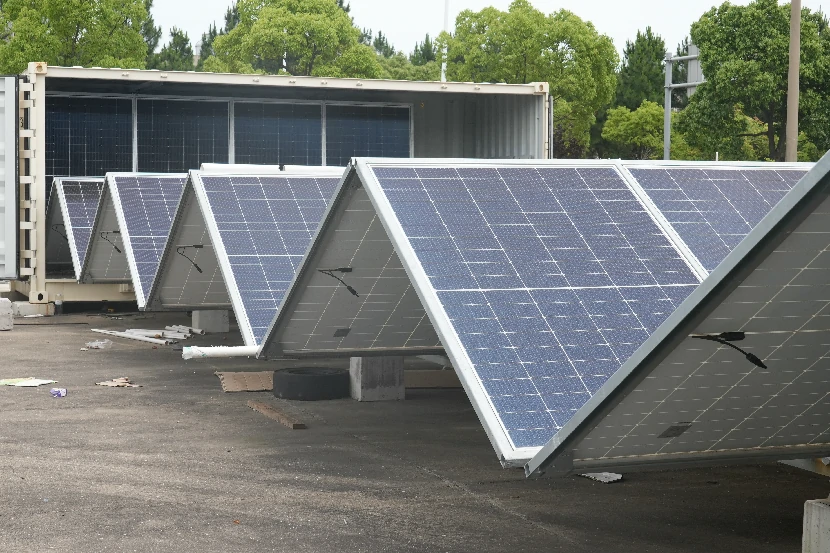
- Expandable Solar Panel Arrays
Once the solar shipping container is delivered, solar panels are simply deployed, and the container is plugged into the local load.
When Containerized Solar Makes Sense
Containerized systems can be applied in the following cases:
- The project is located in remote islands
- The need for rapid deployment exists
- The transportation infrastructure is poor
- The need for temporary and relocatable power exists
For instance, such cases as construction sites, mining camps, telecom towers, and eco-resorts can be solved using this method.
As the electric integration is performed in the factory, the costs and time associated with labor can be reduced for the containerized system.
Financial Planning for Solar Projects
To compute the costs associated with a solar project, one should do more than just add up the prices for the equipment.
The study titled Guidelines for Economic Analysis of Power Projects, published by the World Bank, shows that evaluating energy infrastructure investments requires examining capital cost, operating expenses, and long-term energy production to determine the true economic viability of a project.
In essence, this means that for a company considering a 100 kWh system, the cost is not just about the cost of the system but also about the cost of the system over its lifespan.
The cost of solar systems is also reduced to a great degree. In remote Indonesian locations, the cost can be reduced to as little as 4 to 7 years due to fuel cost considerations.
Key Factors That Influence Final Pricing
For any country, it is possible for two 100 kWh solar systems to have vastly different price tags attached to them.
The key factors that determine the cost are:
Battery Technology
Currently, lithium-ion phosphate batteries are the most commonly used batteries for solar systems. The reason for their popularity is their increased lifespan and safety.
However, better batteries are also costlier.
System Configuration
There are three possible configurations for a solar system:
- Grid-tied system
- Hybrid solar-diesel system
- Fully off-grid systems
Off-grid designs require larger battery banks, increasing total project cost.
Project Location
Transportation and installation complexity may also add to the costs in a rural or island setting.
Shipping container systems may be specified to avoid these kinds of logistical headaches.
Engineering and Customization
Projects with complex monitoring systems, microgrids, or energy management software will be more expensive than simple installations.
Estimated Price Ranges by System Type
| System Type | Estimated Cost Range | Typical Use Case |
| Standard ground-mounted solar | $120k – $180k | Industrial sites with existing infrastructure |
| Hybrid solar + battery | $150k – $220k | Facilities reducing diesel generator use |
| Containerized solar system | $170k – $250k | Remote or rapidly deployable installations |
These figures are based on professional engineering, energy storage integration, and installation in Indonesia.
Actual quotes may vary depending upon the supplier, hardware brand name, and complexity.
Final Thoughts
The cost of a 100 kWh solar system in Indonesia can vary from $120,000 to $250,000. The main factors affecting this price are battery size, logistics for installation, and whether a containerized solar solution is part of the package. The geographical location and financing conditions can affect the overall budget for a remote region.
The first and foremost step that one can take before investing in a solar panel system is to get a detailed energy assessment done. Energy assessment is a process that determines the energy requirements and the available resources in a specific region. It can help businesses save money by reducing diesel consumption and provide a reliable energy solution for a remote region.
Contact US