
How Portable Solar Systems Fit the New U.S. Solar Incentive Landscape
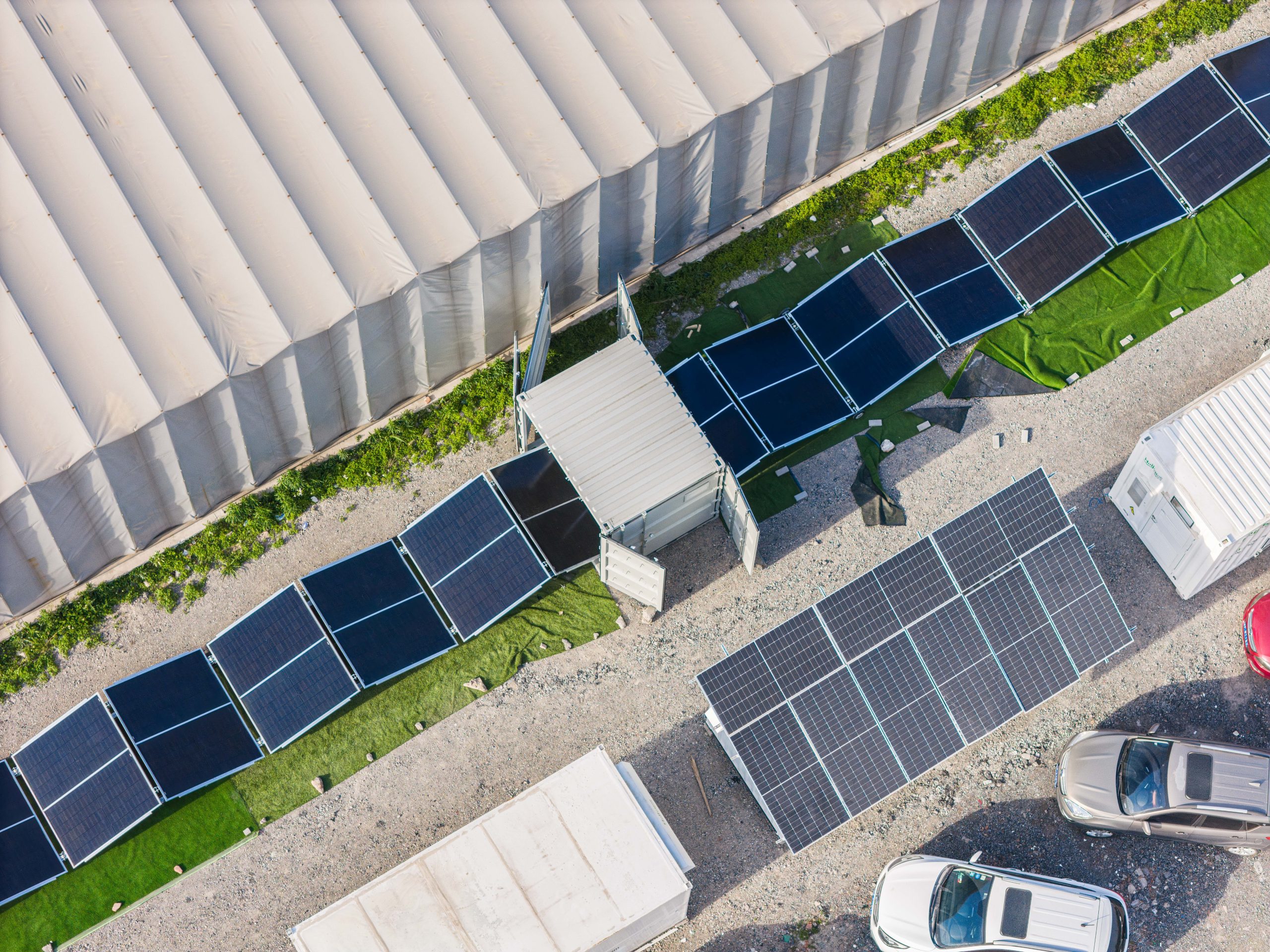
The solar policy environment in the US is undergoing a significant transformation, especially over the last few years. Various federal incentives, grid modernization, and increasing demand for distributed energy solutions have created a new environment for solar infrastructure roll-out. In this context, the portable solar system has transitioned from a niche market to a viable option for temporary power, remote power, and resilient energy solutions.
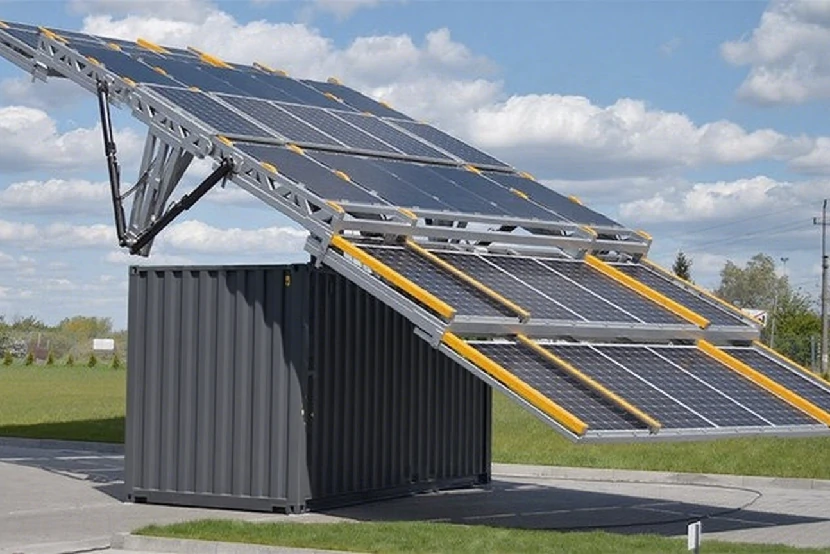
Unlike traditional solar solutions, portable solar solutions, such as those contained within a shipping container, offer a unique advantage of rapid roll-out, scalability, and relocatability, depending on the requirements. These factors are highly relevant to the current US policy environment, especially with regard to grid flexibility, distributed energy, and accelerating clean energy roll-out.
Understanding the role of portable solutions, such as their interaction with current US policy trends, is essential to recognizing the importance of the shipping container solar system, portable solar container, etc., in today’s energy landscape.
Why Distributed Energy Policy Is Favoring Flexible Solar Solutions
Many of the more recent energy-related initiatives in the U.S. include a concept known as Distributed Energy Resources, or DER. This is a method of energy production where energy is created closer to the point of use, as opposed to traditional energy production methods.
Portable solar systems are a great fit for this type of model. A containerized solar system can be a standalone system, an addition to an existing power grid, or a microgrid. This allows for faster deployment of a solar system, avoiding many of the traditional delays associated with building a permanent structure.
The U.S. Department of Energy’s publication Distributed Energy Resource Interconnection Roadmap shows that distributed generation technologies—including modular solar systems—play an increasingly important role in improving grid resilience and accelerating renewable deployment.
This policy direction has important implications. For example, incentives given to distributed energy solutions indirectly help portable solar solutions, as both solutions use a similar model of power generation.
Portable Solar System Applications in the Modern Energy Landscape
A portable solar system is not meant to compete with traditional solar farms. Instead, it aims to bridge operational gaps where permanent solutions may not be available.
Remote Infrastructure and Temporary Energy Needs
Construction sites, mining sites, research stations, and remote telecommunications facilities require a constant source of energy before a permanent connection can be provided.
Containerized solar systems can provide a rapid solution to meet this requirement. They can be transported by road or ship to meet urgent energy needs.
Emergency Response and Disaster Recovery
After natural disasters, the first challenge in providing power is usually restoring electricity. This is where diesel-powered generators have traditionally been used. However, this can be a challenge in providing power after disasters.
Portable solar containers with battery backup can be an alternative source of energy that does not rely on fuel.
Military and Government Operations
Portable power is also important in providing energy for military and government operations. A shipping container solar system can be an effective source of power for military operations.
The above examples have demonstrated the advantage of using portable power.
Traditional solar power is a permanent solution. However, portable power is more likely to be used as energy equipment that can be moved anywhere electricity is required.
How Shipping Container Solar Systems Enable Rapid Deployment
One of the reasons portable solar systems are becoming popular is the fact that standardized shipping containers are used as the base of the solar equipment.
Components of a shipping container solar system:
- Deployable solar panels
- Battery storage
- Power management
- Inverter
- Transport container
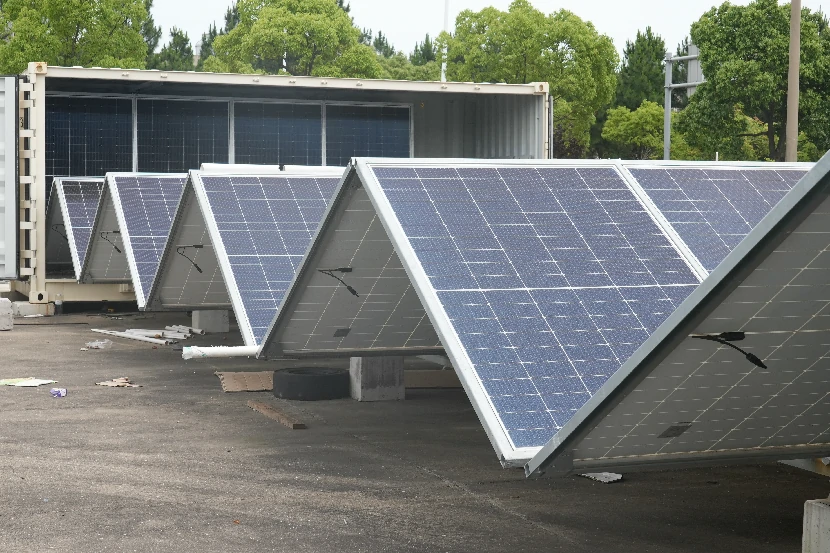
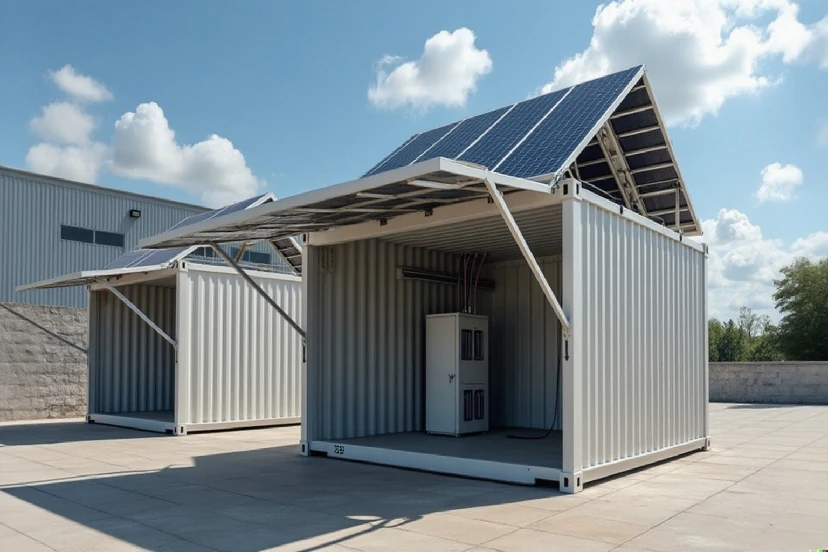
Once the container is in position, it is opened and the solar panels deployed. The system is then ready to go in a matter of hours.
The modularity of the system means that it is possible to have a number of containers working together. This means that an organization does not need to change the entire energy system in case it wants to increase the capacity.
Typical Characteristics of Containerized Solar Units
| Feature | Portable Solar Container | Traditional Solar Installation |
| Deployment time | Hours to days | Weeks to months |
| Mobility | Relocatable | Fixed location |
| Installation complexity | Minimal civil work | Extensive permitting and construction |
| Scalability | Modular container expansion | Structural redesign often required |
Given these benefits, containerized solar systems may be seen as a useful adjunct to permanent solar installations.
The Role of Portable Solar in Microgrid and Off-Grid Systems
Another emerging trend in the solar energy sector is the growth in microgrids.
Microgrids are networks that include local generation resources, energy storage, and smart control technologies that deliver power to a specific region.
Portable solar systems fit into this framework.
A portable solar container may be used as a module in a microgrid system. A microgrid system may include several modules that include renewable energy sources. A number of portable solar containers may be used as the basis for an entire system in an off-grid environment.
The study titled Mini Grids for Half a Billion People – Market Outlook and Handbook for Decision Makers, published by United Nations Sustainable Development, shows that modular solar technologies are increasingly used in decentralized energy systems because they allow rapid deployment and scalable expansion.
This means that, in practical terms, portable solar infrastructure is no longer limited to being used on a temporary basis. Instead, it is being considered as part of a long-term distributed energy solution.
Incentive Structures and the Indirect Benefits for Portable Solar
While most incentive structures in the U.S. are geared towards conventional solar installations, there are a number of policy mechanisms that indirectly benefit portable solar solutions.
There are a number of incentive trends that are particularly relevant.
Distributed Generation Incentives
There are incentive programs geared towards encouraging renewable energy installations, particularly those that operate on a small scale as opposed to those that operate on a larger, more centralized scale.
Resilience and Backup Power Initiatives
Some federal and state energy programs focus on backup power systems for hospitals, communities, and emergency services.
Portable solar containers offer the dual benefit of solar power generation and storage, which makes them suitable for the incentives on the resilience side.
Microgrid Development Programs
There are government programs that offer funding for the development of microgrids in critical sectors.
Containerized solar systems offer the benefit of a modular power generation source, which makes them suitable for the current direction of energy policy.
When Portable Solar Makes Strategic Sense
Despite all these benefits, portable solar power systems do not apply to all situations. Permanent power systems are more efficient, especially if you need to generate power on a large scale.
However, portable systems offer strategic value when flexibility matters.
They are particularly useful when:
- Electricity demand is temporary or uncertain
- Infrastructure must be deployed quickly
- Sites are remote or difficult to access
- Energy resilience is a priority
In these cases, mobility and modularity become more important than maximum generation efficiency.
The Growing Role of Mobile Solar Infrastructure
The solar market in the United States is moving beyond the traditional debate of solar roofs versus solar farms. New forms of solar deployment, including distributed solar, microgrids, and flexible solar infrastructure, are emerging.
Portable solar systems are the point of intersection for these trends.
Portable solar systems are important for the development of distributed energy, the acceleration of renewable energy, and the integration with modern microgrid architecture. As the policy environment continues to emphasize the importance of resilience and decentralized energy, the shipping container solar system, as well as the portable solar container, are expected to become more common.
For organizations seeking solar systems, the traditional solar installation is just the beginning. In fact, the development of a hybrid solar strategy, including traditional solar systems as well as portable solar systems, could be the best option for organizations seeking solar systems.
For organizations in remote locations, the construction industry, or temporary infrastructure, the development of a portable solar system could be the right strategy, aligning with the trajectory of clean energy policy development.
Contact US