
Off Grid Solar System Maintenance Costs
An off grid solar system is often described as a ‘set and forget’ option. This is, of course, a false economy. The truth is that maintenance costs exist, and they differ far more than most consumers realize. Regardless of whether you are considering a fixed option, a portable solar power system, or a shipping container solar system, the cost of ongoing expenditure is a key element to consider before investing.
What Are the Core Maintenance Costs in an Off Grid Solar System?
Maintenance costs are not a single line item. They are a combination of predictable servicing, component degradation, and occasional failure events.
Routine inspection and cleaning
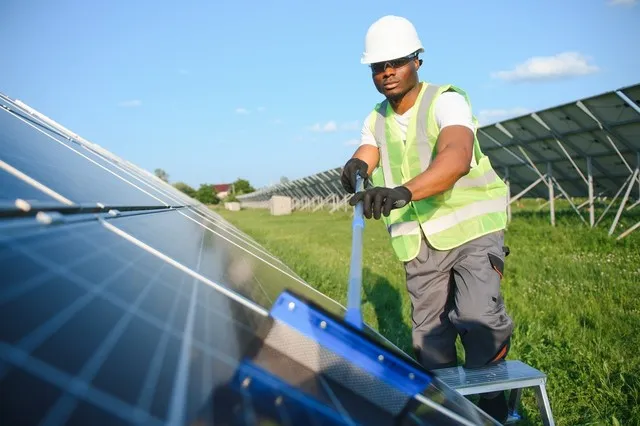
In the case of solar panels, there is a need to frequently clean the panels, especially in dusty, coastal, or industrial environments. The presence of dust negatively impacts the efficiency of the system, which in turn increases the cost per kWh.
In the case of off-grid systems, the frequency of inspection is normally high, especially because the failure of the system will result in a lack of power. The activities include:
- Visual inspection of the panels and the mounting structures
- Checking of the cables and connectors
- Checking the status of the inverters
Battery maintenance and replacement
The battery is the most significant contributor to the cost of maintenance. The most common type of battery used in off-grid solar systems is either a lithium battery or a lead battery.
- The lead battery requires frequent maintenance and replacement
- The lithium battery does not require frequent maintenance, although the cost of replacement is high
In essence, the replacement of the battery can contribute significantly to the cost.
Inverter and component servicing
Inverters have a lifespan of 8 to 15 years depending on the conditions of use. Adverse environmental conditions, which are common for remote systems, hasten the process.
Other parts of the system, like charge controllers and wiring, may need to be serviced or replaced.
How Transportable Solar Power Systems Affect Maintenance Costs
A transportable solar power system provides a unique cost structure to a fixed one. It provides the advantages of portability but also introduces new variables for maintenance.
Mechanical Stress and Transportation
The constant need to relocate the system subjects it to:
- Vibration Damage
- Loosening of Connectors
- Structural Fatigue
Setup and redeployment costs
Each deployment requires:
- System reconfiguration
- Alignment and calibration
- Grounding and safety checks
These are not the conventional ‘cost of maintenance’ but are functionally identical.
Environmental variability
Since the system is designed to be fixed for a single point of operation, the transportable system will be required to work effectively over a range of different environmental conditions. This introduces the need to deal with:
- Different temperatures
- Varying humidity levels
- Dust, salt, or sand conditions
These variations accelerate component aging and increase unpredictability in maintenance planning.
Maintenance Considerations for Shipping Container Solar Systems
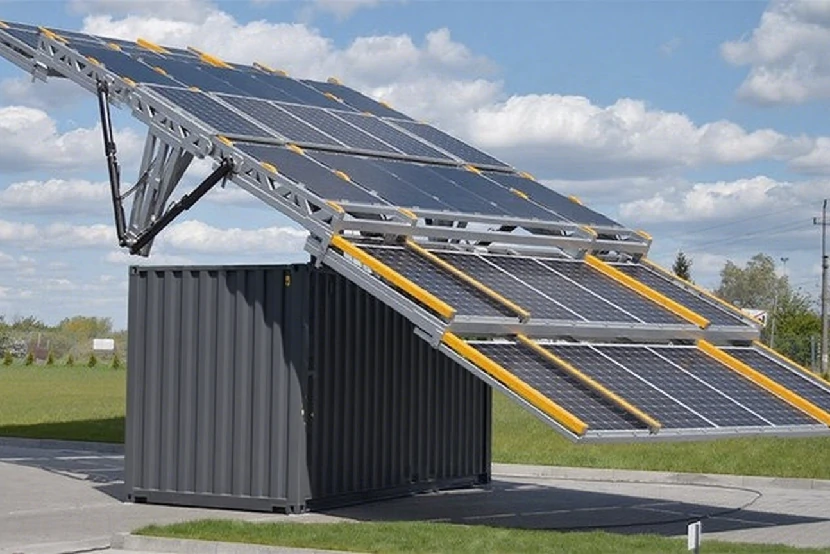
Shipping container solar systems have been touted as plug-and-play systems. While they may make installation easier, their maintenance is not necessarily easier.
Integrated system complexity
These systems have many components packed into a small space. The components include:
- Batteries
- Inverters
- Cooling systems
This makes it easier to carry the system but makes maintenance more complex. When one component fails, it becomes more difficult to access it.
Thermal management and ventilation
Containerized systems place great reliance on cooling systems. A lack of proper ventilation and cooling systems can cause:
- Battery life reduction
- Increased inverter stress
- System shutdowns
Thus, maintenance of electrical systems includes HVAC systems as well.
Corrosion and Durability of Enclosure
Metal containers are used as enclosures for solar systems and need to be inspected periodically if they are placed in harsh environments such as coastal areas, humid environments, and desert environments. The factors to be inspected are:
- Rust formation
- Degradation of seals
- Integrity of the container
Neglecting the maintenance of the container can cause damage to the internal systems.
What Research Says About Solar O&M Costs
The cost structure of solar maintenance is not arbitrary and has been extensively modeled.
The U.S. National Renewable Energy Laboratory’s publication Model of Operation-and Maintenance Costs for Photovoltaic Systems shows that operation and maintenance costs vary significantly depending on system size, configuration, and environmental conditions, with labor, inspection frequency, and component replacement being key drivers.
This becomes especially relevant for off grid applications, where redundancy and reliability requirements are higher than grid-connected systems.
Similarly, the International Energy Agency PVPS program’s report Annual Report 2021 demonstrates that system reliability and performance degradation are directly linked to maintenance quality, particularly in decentralized and remote energy systems.
In practical terms, this means that lower investment upfront can imply a much higher maintenance burden over the long term, which is often underestimated.
Typical Annual Maintenance Cost Range
A realistic estimate of the cost of maintenance of an off-grid solar system is as follows:
| Cost Category | Typical Annual Range |
| Routine inspection | Low to moderate |
| Cleaning | Low |
| Battery reserve (amortized) | Moderate to high |
| Component servicing | Moderate |
| Unexpected repairs | Variable |
The big picture is that battery-related costs are front and center in the long term, and regular maintenance costs are relatively stable.
How to Reduce Long-Term Maintenance Costs
There are many misconceptions about how to reduce maintenance costs. It’s not about taking short cuts. It’s about making smart decisions at the outset.
Select High-Quality Components
Lower-cost components equal more failures. Invest in:
- Durable Inverters
- High-Cycle Batteries
- Weather-Resistant Materials
can significantly reduce long-term expenses.
Design for Accessibility
Designs that are easier to service and maintain reduce labor costs. This is particularly relevant for container-based designs, where poor layout can increase service time.
Monitor performance continuously
Remote monitoring helps to identify problems early. Inefficiencies, no matter how small, have a tendency to become major problems if they are not addressed.
Matching System Type to Use Case
There are certain applications that do not require mobility. If relocation is not frequent, a stationary system may have lower maintenance costs over a long period of time compared to a transportable solar power system.
Maintenance Is a Strategic Cost, Not a Minor Detail
Finally, maintenance costs in an off-grid solar system cannot be considered ancillary; they must be considered part of the total cost of ownership. The differences between fixed systems, transportable solar systems, and shipping container solar systems can have a significant influence on future cost scenarios.
If you are considering deploying a system, the most practical approach is to model installation cost scenarios as well as 5-15 year maintenance cost scenarios. The key areas to focus on are battery life, environmental factors, and system complexity.
A good system is one that is designed to ensure that maintenance is predictable and manageable and can be sustained.
Contact US