
Solar System Cost in Australia for 1000 kWh Per Month
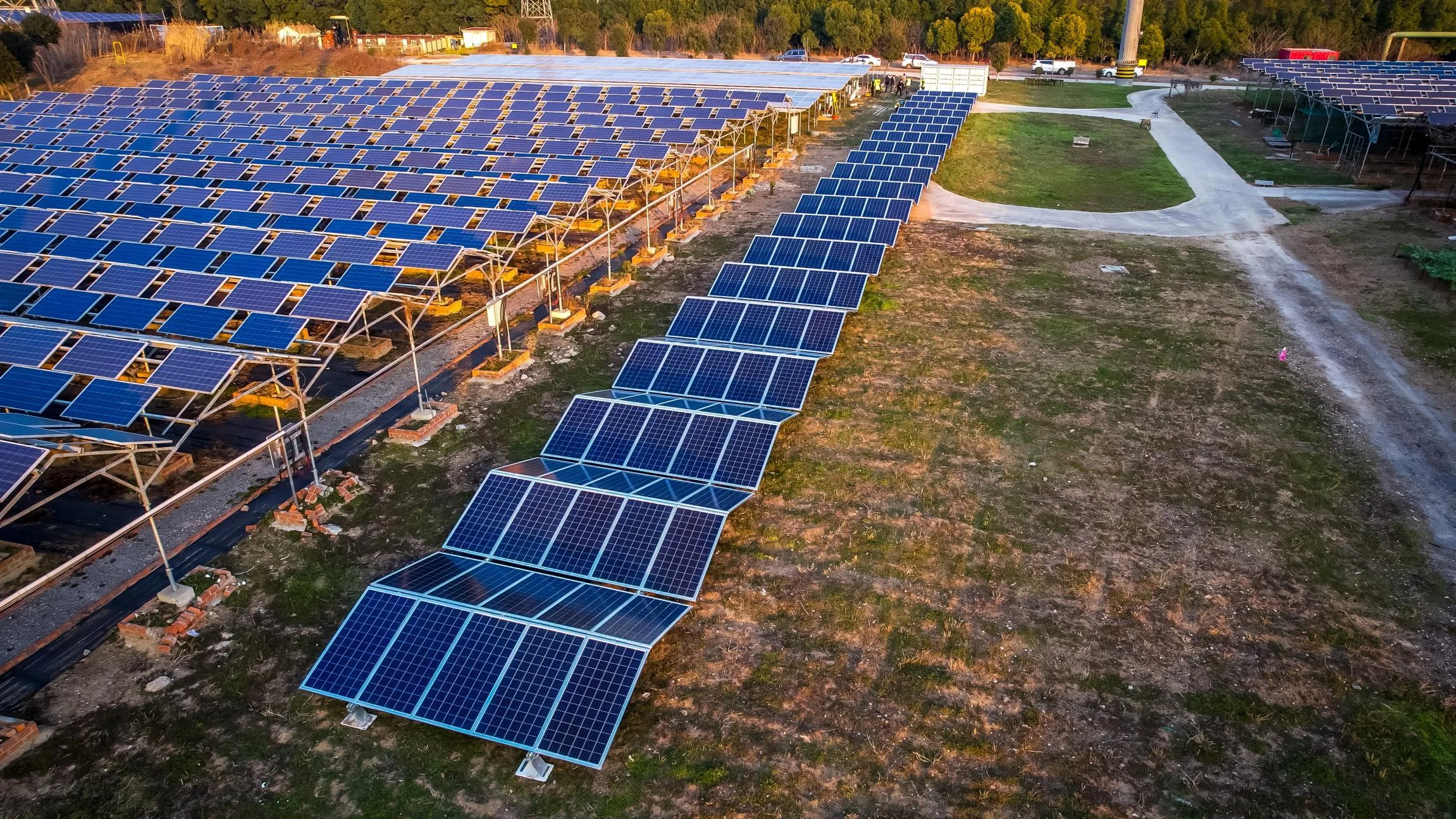
A regular Australian home using 1000 kWh monthly is at a relatively higher bracket of power consumption. Naturally, many people start to look for alternative solutions to bring down their power bills. But how much power do we actually need to generate? And more importantly, how much is it going to cost us?
To answer these questions, we need to look beyond the price tags of solar panels. Yes, there are other factors that come into play.
How Big of a Solar System Do I Need to Generate 1000 kWh per Month?
To generate 1000 kWh of power per month, we need to generate 33 kWh of power every day. In the sunny environment of Australia, we can generate power between 6.5 kW to 10 kW.
The International Energy Agency PVPS’s publication National Survey Report of PV Power Applications in Australia 2023 shows that modern Australian residential systems commonly fall within this range, with increasing system sizes driven by higher energy consumption and falling panel costs.
Why system size varies across regions
In fact, even within Australia, the output of the system varies according to the amount of sunlight it receives. A 6.6 kW system may be capable of producing significantly more power if it is installed in Queensland compared to one installed in Tasmania. Therefore, while it may be true that a range of 6.5 to 10 kW may be a reasonable estimate, it may be necessary to size it at the higher end to be on the safe side.
Oversizing the Solar System
There are instances where it may be necessary to oversize the system slightly. This may be done by sizing the system slightly higher than it actually needs to be. The rationale for this is quite simple. Excess energy will be exported to the grid, future energy consumption will be accounted for, and the cost of panels will be relatively low.
Solar System Cost Breakdown in Australia
In order to have a system that produces approximately 1000 kWh of power each month, the following may be the cost breakdown within the Australian
| System Size | Estimated Cost (AUD) | Suitable Output |
| 6.6 kW | $5,500 – $9,000 | Lower bound (~800–1000 kWh/month) |
| 8 kW | $7,000 – $11,000 | Balanced range |
| 10 kW | $9,000 – $14,000 | High consumption households |
These figures are based on typical installations with grid connections to rooftops. However, several factors affect the actual pricing.
Cost Factors
A solar system is not just the panels. The total cost includes:
- Solar Panels – This is the largest portion of the system.
- Inverter – This can be a string or a hybrid inverter.
- Installation – This includes installation labor.
- Electrical – This includes electrical components and compliance.
- Monitoring – This includes a monitoring system.
The installation can vary in complexity, which can add thousands to the overall cost.
Government Incentives and Rebates
The Small-scale Renewable Energy Scheme (SRES) in Australia reduces upfront costs significantly. Although not directly mentioned in this article, this system is already included in most quoted prices.
Long-Term Savings and Payback Period
The upfront cost is not what most homeowners are concerned with.
The study titled Untapped solar rooftop potential costing Australians billions each year, published by the University of New South Wales, shows that households can save hundreds of dollars annually by maximizing rooftop solar adoption, with typical savings ranging between AUD 500 and AUD 700 per year depending on usage patterns.
What this means in practice
For a system with a cost of $8,000-$12,000:
- Payback period: approximately 5-8 years
- System lifespan: 20-25+ years
- Net savings: substantial
Increases in the cost of electricity will further decrease the payback period.
Self-Consumption vs Export
The more solar power you consume, the more you will save. The cost of feed-in tariffs for exported power is relatively low.
Where Containerized Solar Systems Fit In
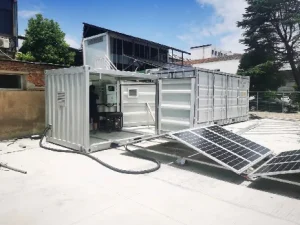
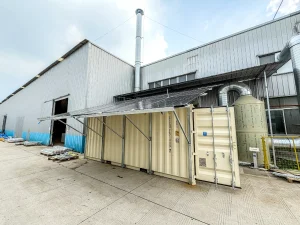
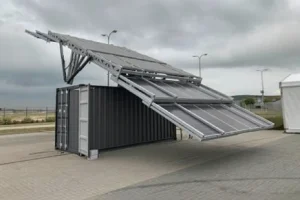
The concept of a containerized solar system, or solar container, has been popularized.
What is a containerized solar system?
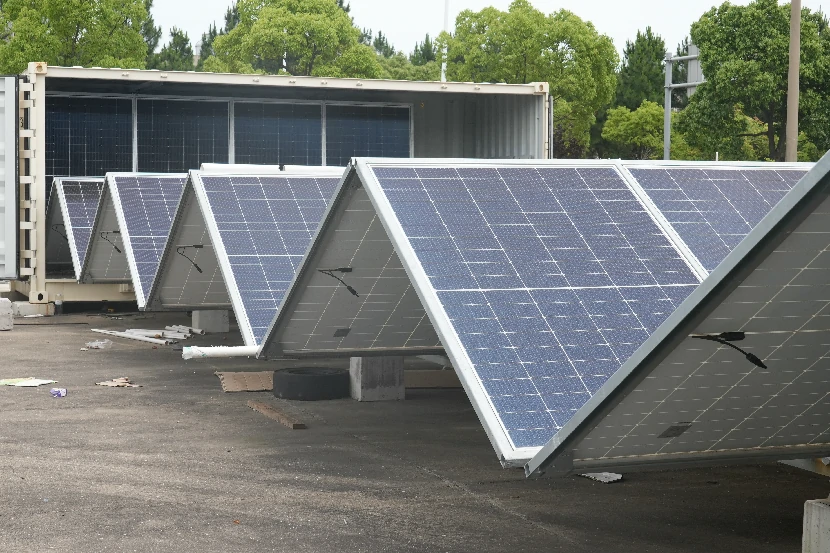
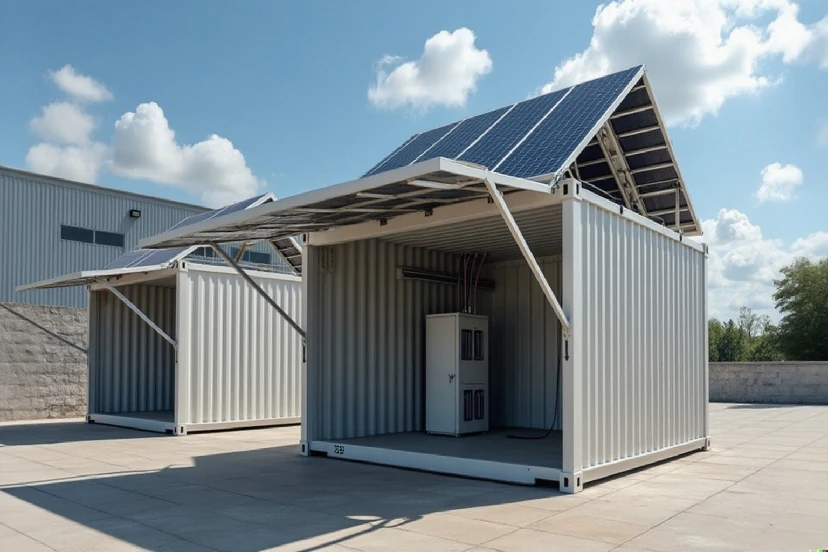
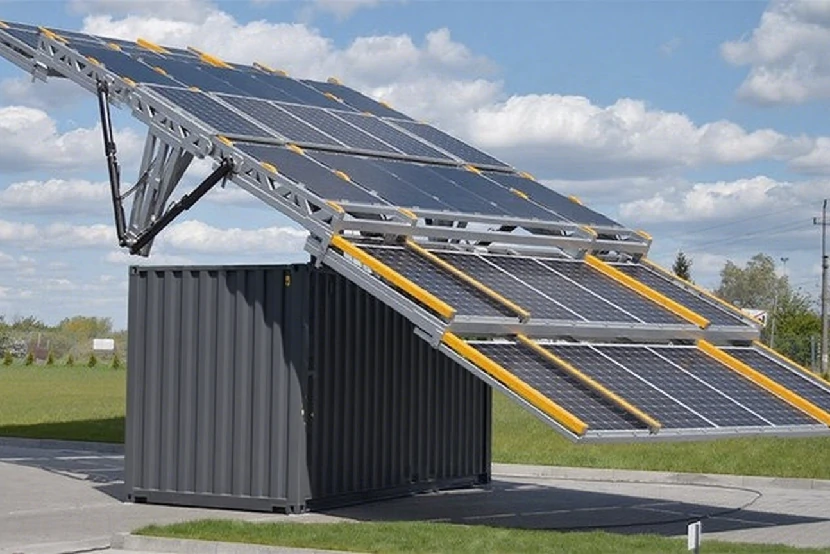
It is, in essence, a pre-assembled solar power package contained in a container. Such a package may include:
- Fold-out solar panels
- Battery storage
- Inverters and control units
Is this relevant to residential homes?
For most residential homes in Australia, the most cost-effective solution is the traditional solar panel solution. The container solution is, in fact, relatively more expensive on a cost-per-kwh basis due to:
- Integrated storage
- Portability design
- Lack of economies of scale
However, this solution is extremely useful in the following scenarios:
- Remote properties without grid access
- Temporary energy needs
- Disaster response or backup systems
Cost comparison perspective
While a regular rooftop solar system may cost less than $12,000, a containerized solar system with similar output and storage capabilities could cost substantially more due to the “all-in-one” nature of this type of system.
Key Factors that Influence Final Cost
The cost of a solar panel system can vary greatly, even within similar system sizes. The most important factors that influence cost are as follows:
Equipment Used
Using higher-end solar panels or inverters will cost more but could have higher efficiency ratings or longer warranties.
Installation Difficulty
The pitch, material, and ease of access on the rooftop will directly influence cost.
Battery Addition
The cost of adding a battery to a system could be as much as twice as much as the system itself, but this allows for energy to be available at night.
What Should You Actually Expect to Pay?
For a household that uses 1000 kWh monthly in Australia, a well-sized solar system will fall within a price bracket of between $7,000 and $12,000.
The choice is not about getting the cheapest alternative; it is more about matching the system to your needs. While it may not be the most important factor at the moment, having a slightly larger system may provide better value in the long term, especially as electricity prices continue to rise.
If you are looking at getting a solar system for your home, start by working out your daily consumption. Then look at getting quotes for solar systems that are slightly larger than your needs. While price is important, look at the quality of the components as well as the installer’s reliability.
Contact US