
How Much Does a Solar System Cost in Australia?
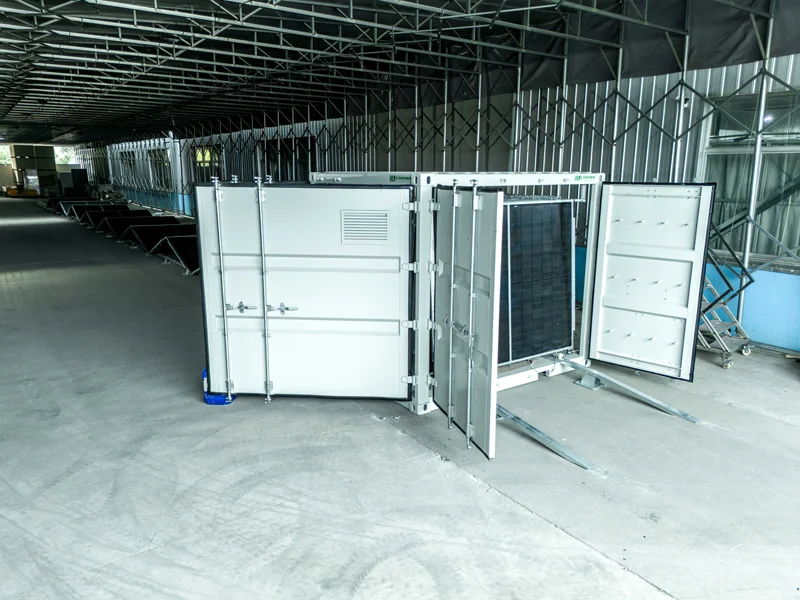
The cost of a solar system in Australia varies depending on factors like the size of the solar system, the complexity of installation, and whether it is a grid-connected system, an off-grid system, or a container-based system. For most Australian households, the cost of a solar system ranges from a few thousand dollars to more than $50,000 for a fully independent power system.
However, these figures are not the complete story. There are many factors that influence the cost of a solar system in Australia. A solar system is not just a small installation in a suburban rooftop; it can be a fully independent power system for a farmhouse or a solar-powered system in a shipping container for a remote operation.
Knowing all this helps one estimate a more realistic cost and not over- or underestimate it.
Average Solar System Cost in Australia
Australian households require a solar system that ranges between 3kW and 10kW for a grid-connected system. It is not a fully independent power system but is rather a system that helps households save money on their electricity bills.
The cost of a solar system ranges between:
| System Size | Typical Price Range | Suitable For |
| 3kW | $3,500 – $6,000 | Small households |
| 5kW | $4,500 – $8,000 | Average homes |
| 6.6kW | $5,000 – $9,500 | Most popular option |
| 10kW | $8,000 – $15,000 | Large households |
These include:
- Solar panels
- Inverter
- Installation
- Basic monitoring
- Grid connection
However, batteries are not included in the above-mentioned prices and can be costly.
Why Prices Vary So Much
Pricing can fluctuate even with the same size of the system based on:
- Roof complexity
- Installation location
- Equipment quality
- Installer experience
- Battery integration
- Electric upgrades
Installation in remote areas can be costly.
Off Grid Solar System Cost in Australia
Off-grid solar systems are much more expensive since they have to provide their own electricity without the grid. This means that they have to be much larger.
Typical cost of off-grid solar systems in Australia:
| System Type | Estimated Cost |
| Small cabin system | $10,000 – $20,000 |
| Medium off-grid home | $20,000 – $45,000 |
| Large off-grid property | $40,000 – $80,000+ |
These include:
- Solar panels
- Battery storage
- Inverter / charger
- Backup generator
- Energy management system
Unlike grid-connected solar systems, off-grid solar systems must be designed to accommodate peak loads, cloudy days, and seasonal changes.
However, in the case of remote homes, solar power may be cheaper than grid connection. Expanding the grid to remote areas in Australia may cost tens of thousands of dollars – much more than installing a solar system.
Cost of Shipping Container Solar System
Shipping container solar systems are gaining popularity in Australia, particularly for:
- Remote construction sites
- Farms
- Mining sites
- Emergency backup power
- Temporary housing
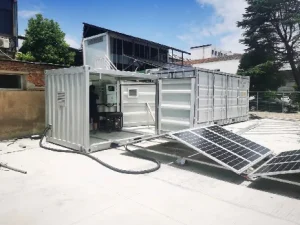
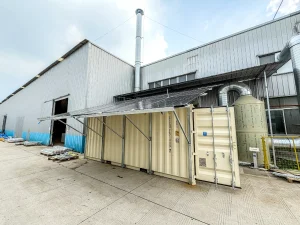
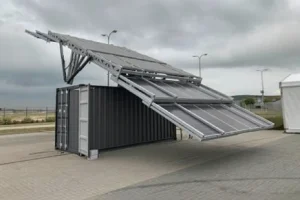
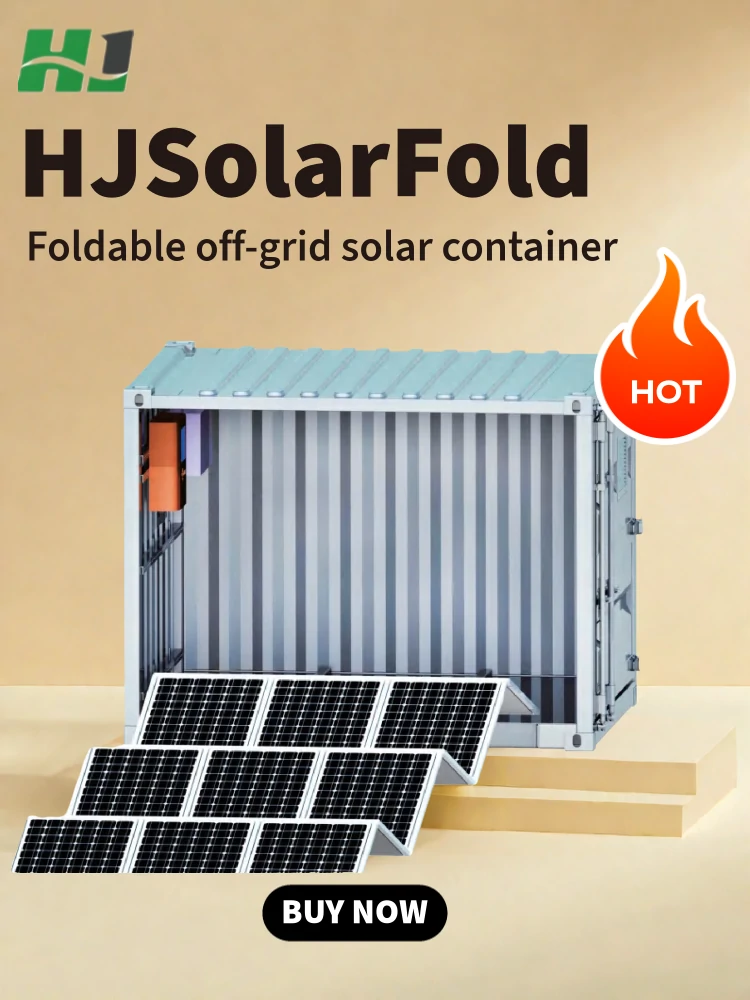
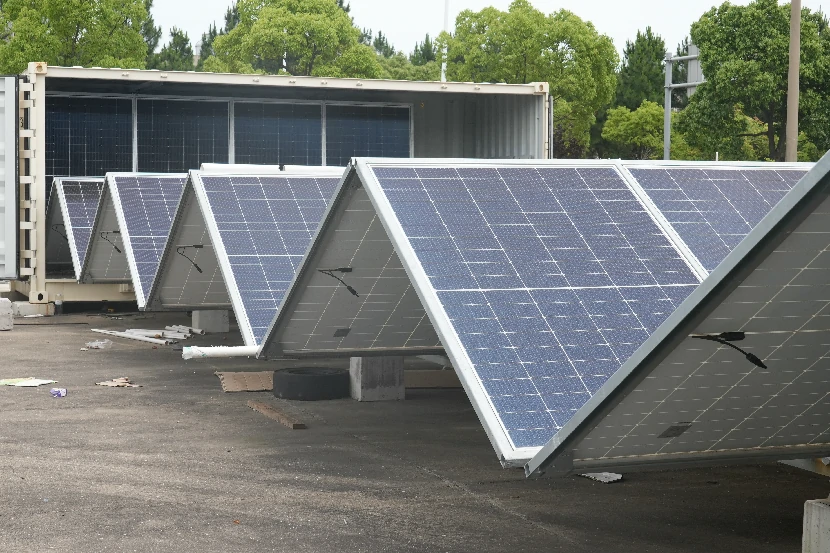
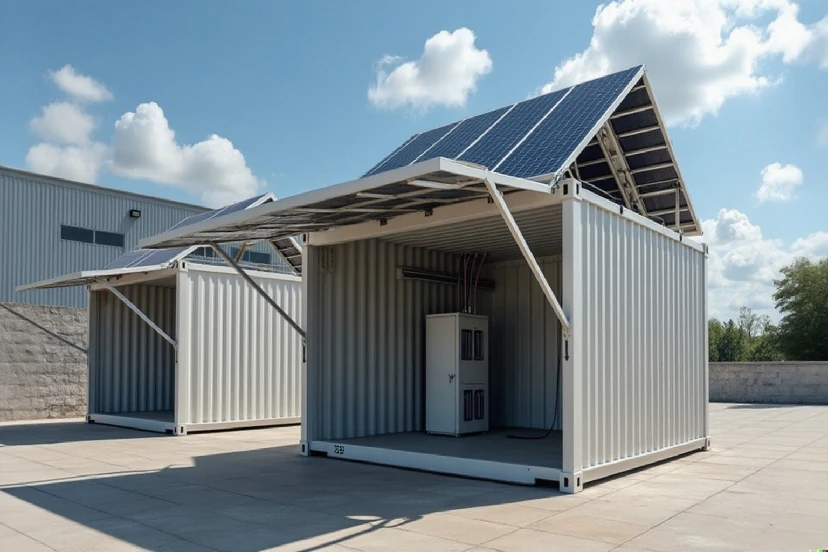
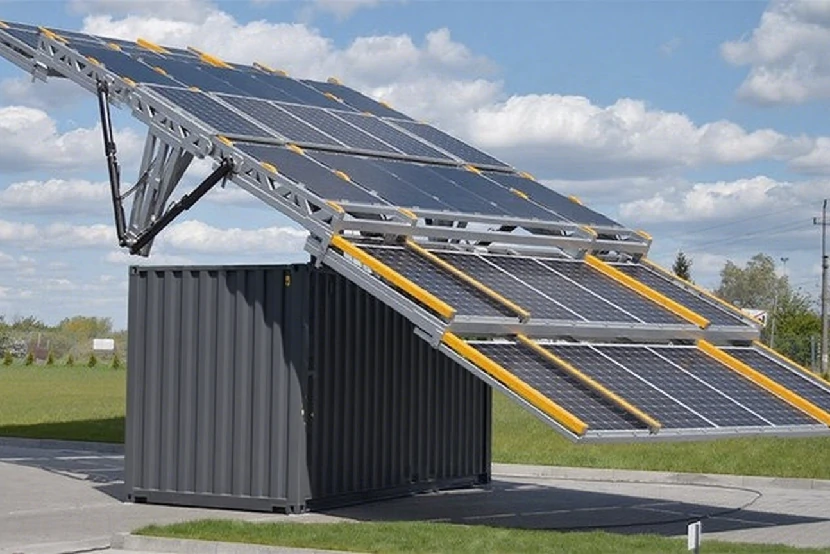
These solar systems combine solar equipment in a shipping container, making it a portable solar solution.
Cost of shipping container solar system:
| Container System Type | Price Range |
| Small portable unit | $15,000 – $30,000 |
| Medium container system | $30,000 – $60,000 |
| Large industrial container | $60,000 – $150,000+ |
The shipping container systems usually consist of:
- Pre-wired solar system
- Battery storage
- Inverter
- Mounting structures
- Portable deployment features
The shipping container solar systems are more expensive than the conventional solar systems, but the flexibility is significant.
The flexibility is significant in the remote industries despite the high cost.
Battery Costs in Australia
The battery storage is one of the most costly components in the solar system.
Typical battery pricing:
| Battery Size | Price Range |
| 5kWh | $4,000 – $8,000 |
| 10kWh | $8,000 – $14,000 |
| 15kWh+ | $12,000 – $20,000+ |
Battery systems provide independence in the use of energy but also prolong the payback time. Homeowners usually begin with solar panels and then add the battery.
For off-grid solar systems, the use of batteries is not optional.
What Drives the Cost of Solar Systems in Australia
Several factors contribute to the overall cost:
Location
Remote areas:
- Increase transportation costs
- Increase time required for installation
- Increase delivery costs
Urban areas usually have lower installation costs.
Energy Usage
Higher electricity usage requires:
- Larger panel arrays
- Bigger batteries
- More complex systems
This directly increases total cost.
Equipment Quality
Premium panels and inverters may be more expensive initially, but they may provide benefits such as:
- Longer warranties
- Higher efficiency
- Longerlifespan
Budget options may be more expensive in the long term.
Installation Complexity
Roof angle, shading, and roof strength all affect factors such as:
- Labour costs
- Mounting equipment
- Safety issues
Complex installations are more expensive.
Solar Cost Trends in Australia
The cost of solar in Australia has tended to lower over time.
The CSIRO’s publication GenCost: Cost of building Australia’s future electricity needs shows that solar photovoltaic systems remain among the lowest-cost new electricity generation options in Australia, with continued cost reductions expected as technology improves and deployment increases.
This trend further justifies the viability of investing in solar, especially in off-grid or remote areas where conventional electricity infrastructure is costly.
Is Solar Worth It in Australia?
Indeed, solar panels are worth it in Australia, considering that in most cases, the solar panels will actually pay for themselves in the future by saving money on electricity bills.
Typical payback periods:
| System Type | Payback Time |
| Grid-connected solar | 3–6 years |
| Solar + battery | 6–10 years |
| Off-grid solar | Depends on grid access cost |
Off-grid systems may be cost-effective if the cost of connecting to the grid is higher than the cost of solar installations.
The shipping container solar system may not provide a monetary return, but it provides:
- Power independence
- Fast installation
- Remote areas accessible
These may be the most important considerations for business or remote installations.
Government Incentives and Rebates
There are solar incentives in Australia that provide cost savings for solar installations:
- Small Scale Technology Certificates (STCs)
- State-based rebates
- Feed-in tariffs
These incentives are already included in the cost of installations that are advertised.
How to Estimate Your Solar System Cost
To calculate your cost, think about:
- Your energy usage
- Whether you want battery storage
- Availability of grid connection
- Installation location
- Long-term energy plans
Quick and simple solution:
- Urban home – grid connect solar
- Rural home – off-grid solar
- Mobile home – container solar
With this basic framework, we can quickly think about cost.
Choosing the Right Solar System
There is no such thing as the ‘best’ solar system. It depends on various factors such as:
- Budget
- Location
- Energy independence
- Installation constraints
For example, some people might want to save money on purchasing a solar system. On the other hand, others might want energy independence.
The cost of solar systems in Australia differs significantly, ranging from a few thousand dollars for a small grid-connected solar system to over $80,000 for a large off-grid solar system or a shipping container-based solar system. However, the most suitable solar system for a homeowner has less to do with the cost and more to do with their needs.
If you are thinking of installing a solar system, the first step would be to determine your needs, whether or not you need a battery storage system, and whether or not you are connected to the grid. After that, it would be easy to compare the different types of solar systems, including the conventional solar system, the off-grid solar system, and the shipping container solar system, in terms of cost-effectiveness.
Contact US