
PV Container Opens the Way to Energy Independence in Pakistan
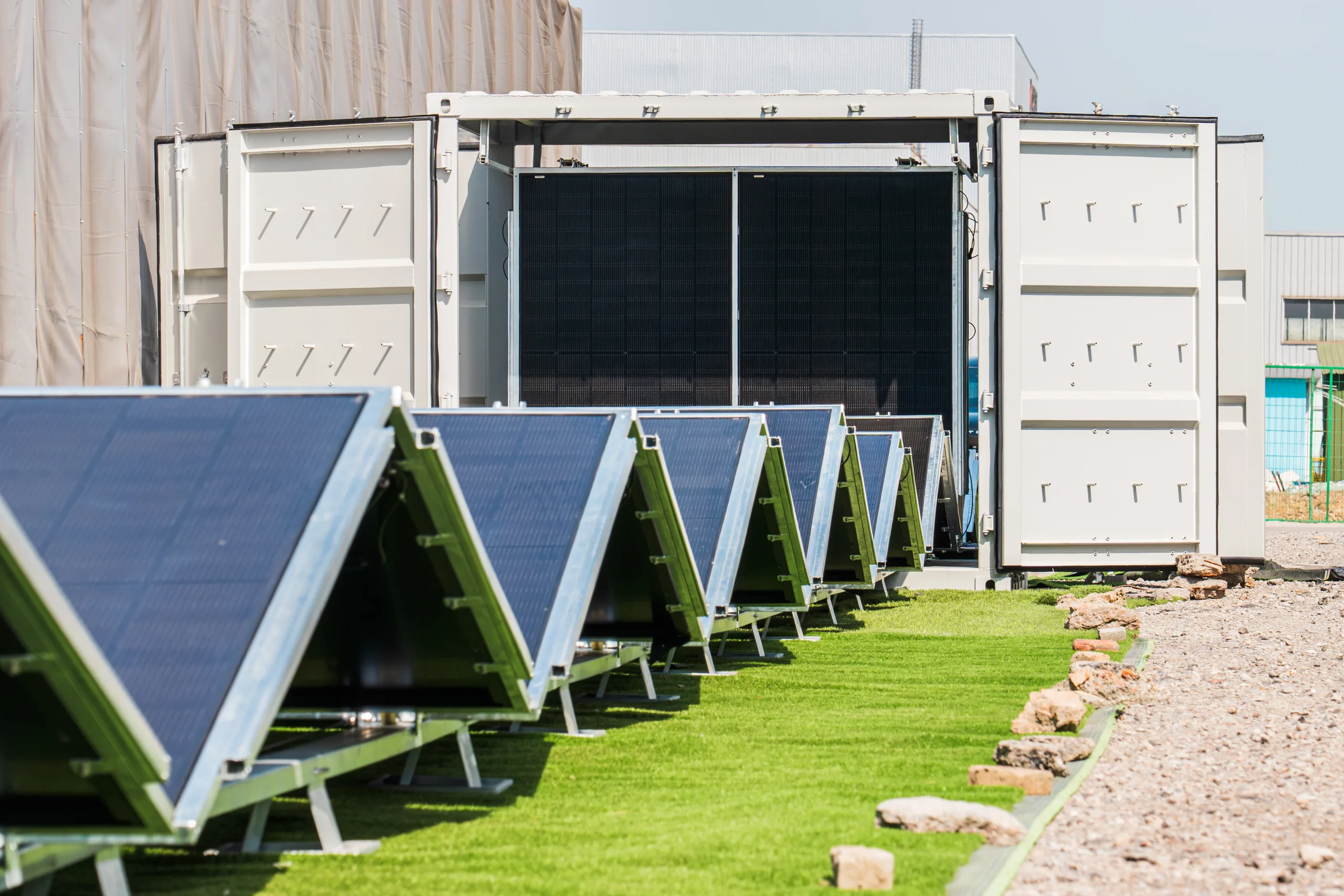
The country suffers from an energy crisis as there is a lack of access to electricity among large sections of society. The distributed solar technologies have been found to be useful in solving this problem. In this regard, one technology that has caught the attention of many people is that of PV containers because they provide flexibility and speed of implementation.
Understanding PV Containers and Modular Solar Systems
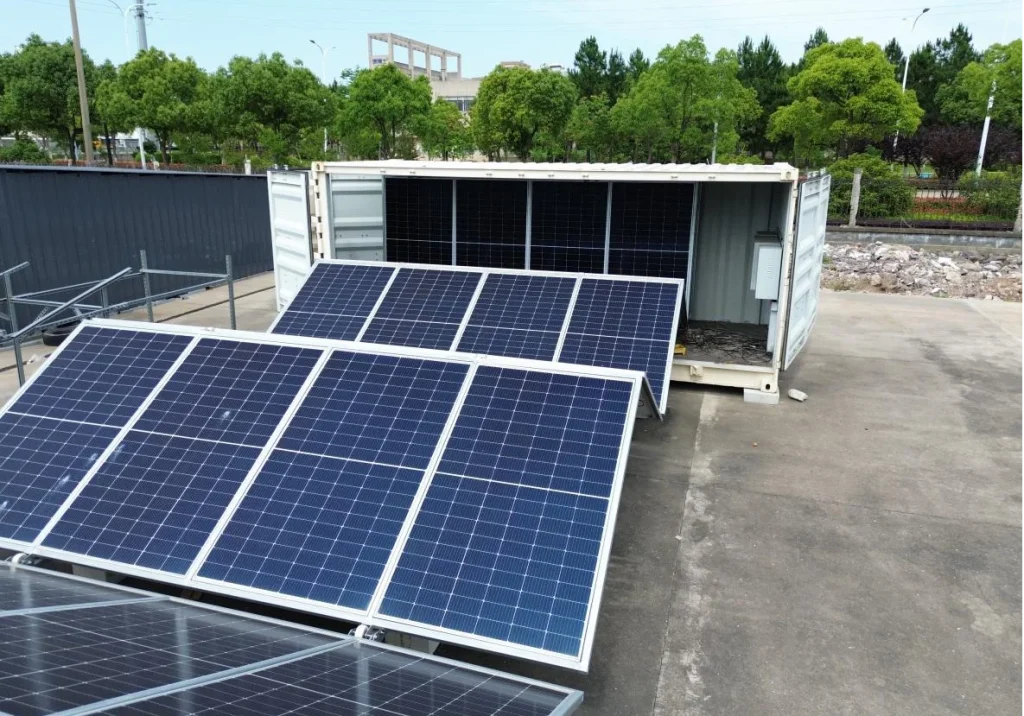
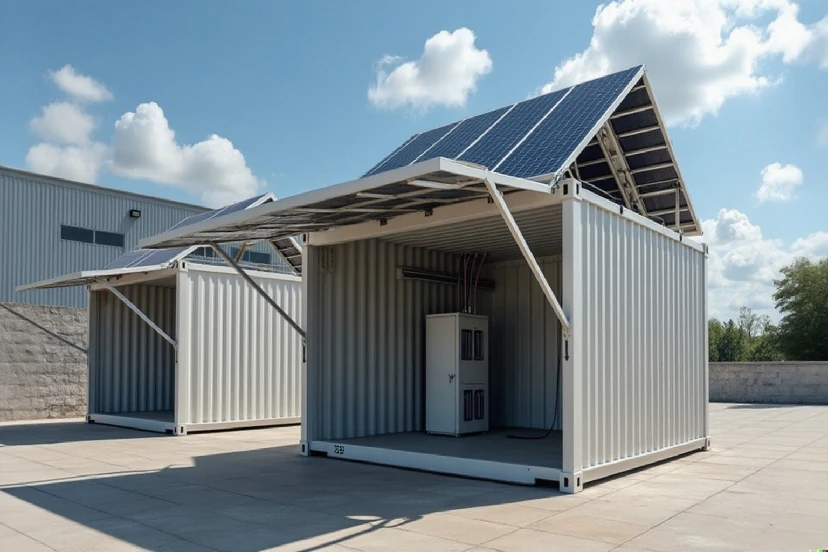
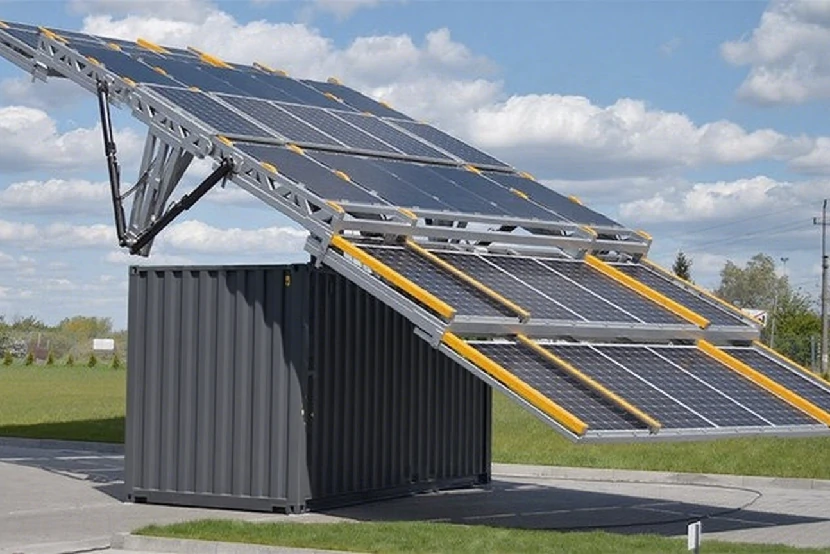
PV containers can be described as prefabricated solar energy stations fitted in a shipping container or another modularized box. Some of the components included in such PV containers are solar panels, inverters, battery backup, and sometimes even the control system. This type of setup is similar to that of modular solar panels whose design makes it flexible, depending on energy requirements in various situations. Mobile solar power stations are an adaptation of such a PV container and can easily be transported wherever needed.
These mobile solar PV containers can supply electricity to areas that have been left without energy supplies for weeks or even months and can support hospitals, schools, businesses, and entire communities, including whole villages.
The Energy Landscape in Pakistan
Pakistan’s energy sector is characterized by a heavy reliance on fossil fuels and frequent load-shedding. According to the IEA — Pakistan Energy Profile, the country faces significant challenges in electricity generation and distribution, particularly in rural areas. Off-grid communities often rely on kerosene lamps, diesel generators, or intermittent electricity, which limits productivity and impacts quality of life.
The IEA report highlights that distributed solar solutions, such as PV containers, offer remedies to these structural gaps. With the ability to produce energy locally, solar systems become less dependent on centralized networks and fossil fuels, increasing their resistance to outages and price fluctuations.
Advantages of PV Containers
Quick Setup and Scalability
The deployment process for PV containers takes only days, unlike months needed for traditional grid expansion. The quick deployment feature is essential when urgent energy sources are necessary. Moreover, the modularity of the system guarantees scalability; more containers can be installed based on energy demands.
Cost Efficiency and Maintenance
The containerization model minimizes installation expenses through equipment standardization and the reduction of civil engineering work. The compact design makes maintenance easier, and the modularity enables service personnel to replace malfunctioning modules without interrupting the whole system.
Supporting Energy Independence
The production of electricity at the site of use is possible through the PV container technology, which helps communities become less dependent on the national grid system and fossil fuel sources. In addition, mobile solar containers can be used for emergency relief services, providing access to essential services even in cases where the infrastructure is disrupted.
Environmental Impacts
Adopting solar power through PV containers will help in reducing carbon dioxide emissions and minimizing air pollution caused by diesel-powered generators.
Practical Applications in Pakistan
- Off Grid Electricity: The PV container can electrify remote areas, offering electricity supply to residences, schools, and medical institutions.
- Disaster Management:The mobile unit ensures quick restoration of power supply following floods or earthquakes.
- Industrial and Commercial Utilities: Small-scale industries can benefit from solar PV units and improve their performance while minimizing energy expenditure.
The IEA emphasizes that decentralized energy systems lead to minimum outage occurrences and reduced energy expenditure, thus underscoring the importance of PV containers in Pakistan.
Overcoming Challenges
Though there are many advantages associated with using PV containers, it is necessary to plan effectively before implementing them. Some important points to consider include choosing an appropriate location, ensuring that there is sufficient maintenance capability locally, managing batteries, and integrating with existing systems.
Conclusion and Actionable Insights
The use of PV containers is a revolutionary way of providing energy independence in Pakistan. The integration of flexibility, modularity, and energy production from natural sources overcomes the shortcomings of conventional energy distribution systems and ensures immediate and efficient delivery of energy.
It is important for communities, policy-makers, and the private sector to focus on implementing PV containers within their renewable energy plans. Investments in modular solar technology, training programs, and maintenance services will help achieve optimal results in meeting Pakistan’s energy requirements in an effective manner.
Organizations seeking to implement energy projects can consider the deployment of PV containers as a viable option.
Contact US