
Off-Grid Solar Container for Emergency Power
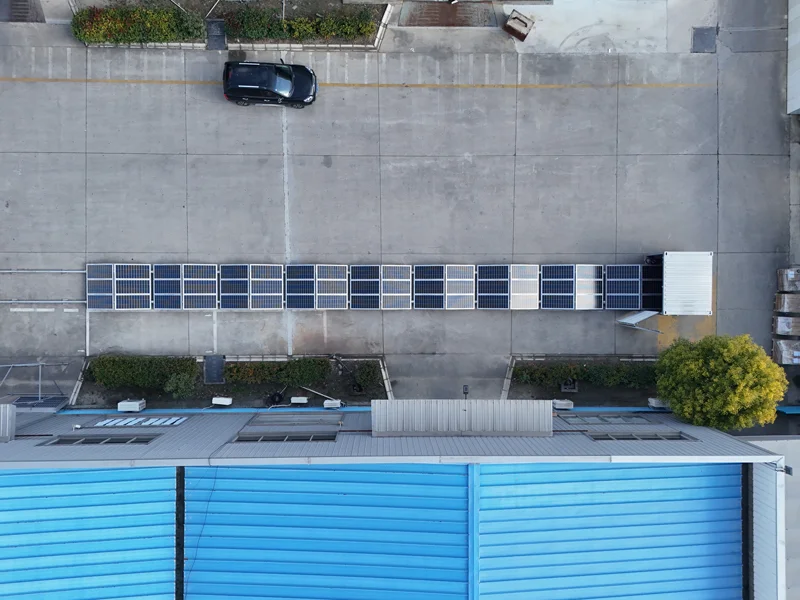
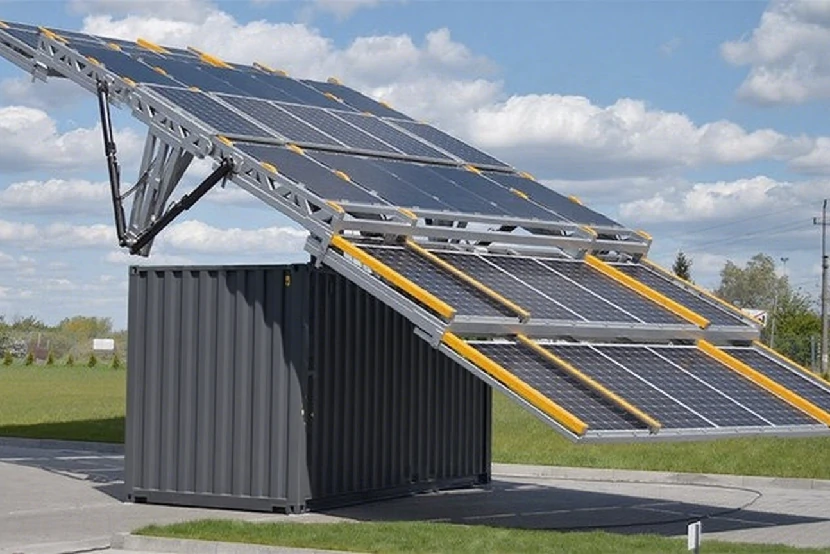
The solar container is rapidly becoming one of the most practical solutions for emergency power supply. Unlike traditional solar systems, these solutions are integrated into a modular container, ready to deploy within hours—or even minutes.
Think about it for a moment.
When a prolonged power outage occurs, installing conventional solar panels is not a quick option. But a solar container comes pre-configured with:
- Integrated solar panels
- Built-in batteries
- Preconfigured inverter
- Plug-and-play system
Simply deploy it… and it starts generating power.
And here’s an interesting question:
Does it still make sense to rely solely on the grid when mobile and autonomous solutions like a solar container already exist?
More and more businesses, communities, and even governments are answering: probably not.
What Is a Solar Container and How Does It Work?
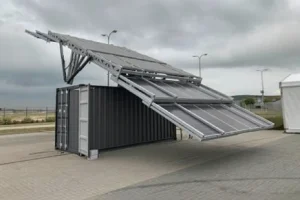
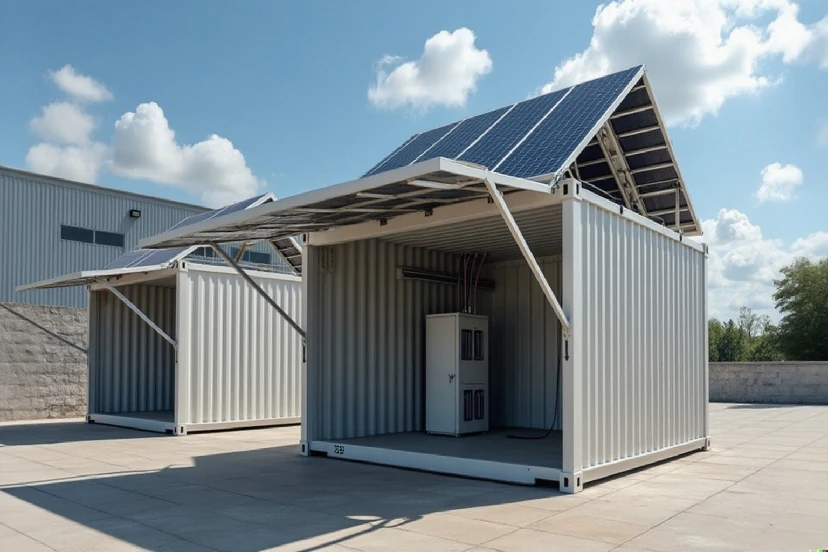
A solar container is a self-contained energy system installed inside a container, typically 10, 20, or 40 feet in size. It is designed to generate, store, and distribute electricity without being connected to the grid.
Main components of a solar container:
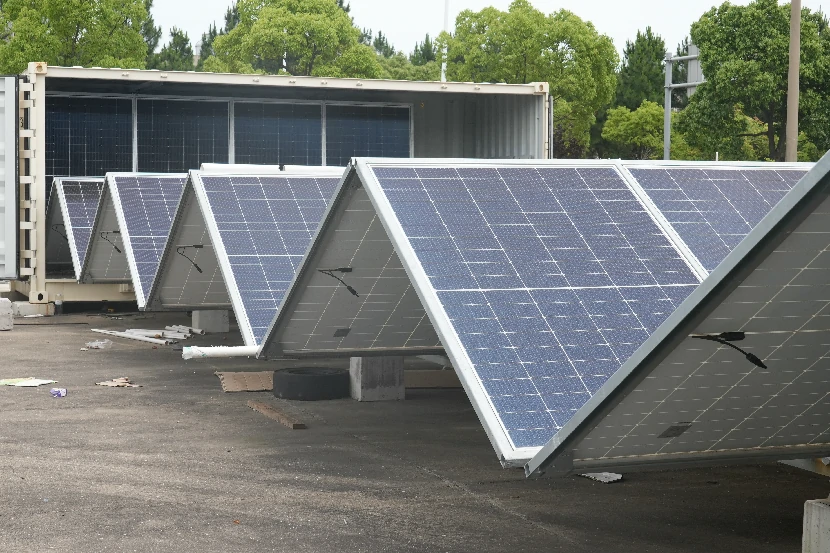
- Deployable solar panels
- High-capacity lithium batteries
- Hybrid inverters
- Smart charge controllers
- Remote monitoring system
Many modern models also include:
- Weather-resistant protection
- Rapid deployment without infrastructure
- Scalable modular design
In simple terms, it’s like having a mobile mini solar power plant.
Situations Where a Solar Container Is Ideal for Emergencies
The solar container stands out particularly in scenarios where electricity is unreliable—or simply unavailable.
Large-Scale Power Outages and Natural Disasters
Hurricanes, wildfires, earthquakes…
When disasters strike, the power grid is often the first thing to fail.
A solar container can provide:
- Power for emergency centers
- Temporary lighting
- Communications and internet
- Refrigeration for medicines
In 2022, after a hurricane in the Caribbean, several solar containers were deployed to power mobile clinics and charging stations. Installation took less than four hours. No complex wiring. No infrastructure required.
Construction and Temporary Projects
Construction sites often require temporary power.
Diesel generators have traditionally been the go-to solution.
But they come with drawbacks:
- High fuel costs
- Constant noise
- Frequent maintenance
A solar container offers a quieter and more sustainable alternative.
Some contractors even report something unexpected:
Less noise leads to higher productivity. A small detail—but noticeable.
Rural or Remote Communities
In areas without access to the grid, a solar container can be one of the fastest solutions.
Common applications include:
- Rural schools
- Remote medical centers
- Telecommunications
- Smart agriculture
In parts of Africa and Latin America, NGOs are already using solar containers to electrify communities without complex infrastructure.
Key Advantages of Solar Containers Over Traditional Systems
The solar container offers several advantages that explain its growing popularity.
Fast Deployment
Traditional solar systems may take weeks to install.
A solar container can be deployed within hours.
Mobility and Flexibility
Once a project is completed, the container can be moved to another location.
This makes it a reusable investment.
Modular Scalability
Need more energy?
Simply add more solar containers.
It’s like building energy blocks.
Low Maintenance
Solar systems generally require less maintenance than traditional generators.
No fuel.
No noise.
No emissions.
Technology Trends in Solar Containers
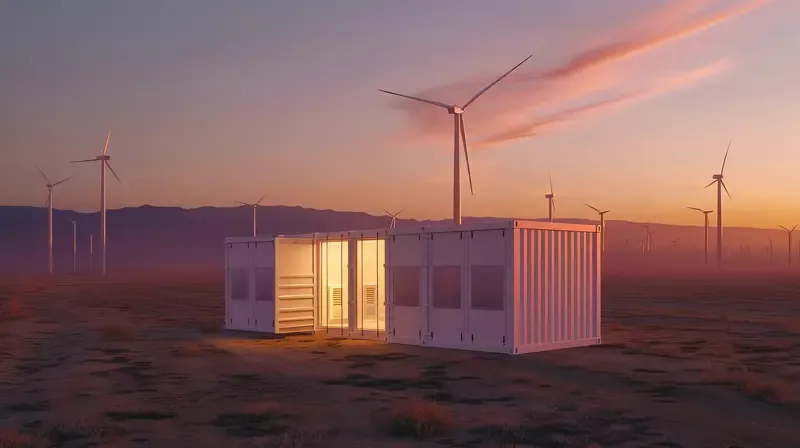
The solar container industry is evolving quickly. Some notable trends include:
High-Density Lithium Batteries
New battery technologies provide:
- More storage capacity
- Smaller footprint
- Longer lifespan
This makes solar containers more compact and efficient.
Smart Energy Management Systems
Some solar containers include:
- Remote monitoring
- Mobile app control
- Consumption forecasting
They can even prioritize critical loads automatically.
Quiet technology… but powerful.
Hybrid Generator Integration
Some models combine:
- Solar power
- Battery storage
- Diesel generator backup
This ensures continuous power even during extreme weather conditions.
Real Case: Solar Container in an Energy Emergency
In 2023, a logistics company installed a solar container for backup power.
Approximate cost: $18,000 USD
Months later, a 24-hour power outage affected the area.
While other facilities halted operations, the company:
- Maintained lighting
- Continued basic operations
- Avoided inventory losses
Estimated losses avoided:
More than $12,000 USD.
The return on investment… faster than expected.
How Much Energy Can a Solar Container Produce?
It depends on size and configuration. Some examples:
- Small solar container: 5 kW – 10 kW
- Medium solar container: 10 kW – 50 kW
- Large solar container: 50 kW – 250 kW
This can power:
- Temporary offices
- Medical centers
- Multiple homes
- Light industrial equipment
Flexibility is one of the biggest advantages.
Solar Container Costs
Approximate ranges:
| Type | Estimated Price |
| Small solar container | $10,000 – $25,000 |
| Medium solar container | $25,000 – $80,000 |
| Industrial solar container | $80,000 – $250,000+ |
Factors affecting price:
- Battery capacity
- Solar output
- Hybrid system integration
- Mobility and design
Although the upfront investment may be higher, savings on fuel and maintenance often offset the cost over time.
Who Is Using Solar Containers?
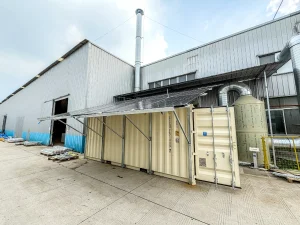
The solar container is being used by:
- Local governments
- Construction companies
- Humanitarian NGOs
- Rural communities
- Temporary events
- Mining industry
Even music festivals are using solar containers.
Less noise… better experience.
An unexpected application, yet completely logical.
The Future of Solar Containers
The growth of the solar container is driven by three main factors:
- Increasing power outages
- Rising energy costs
- Demand for mobile energy solutions
And there’s something else.
Portable energy is becoming a new standard.
Not just clean energy.
Flexible energy.
Contact US