
Solar Container Certification Requirements in Spain for Compliance and Grid Connection
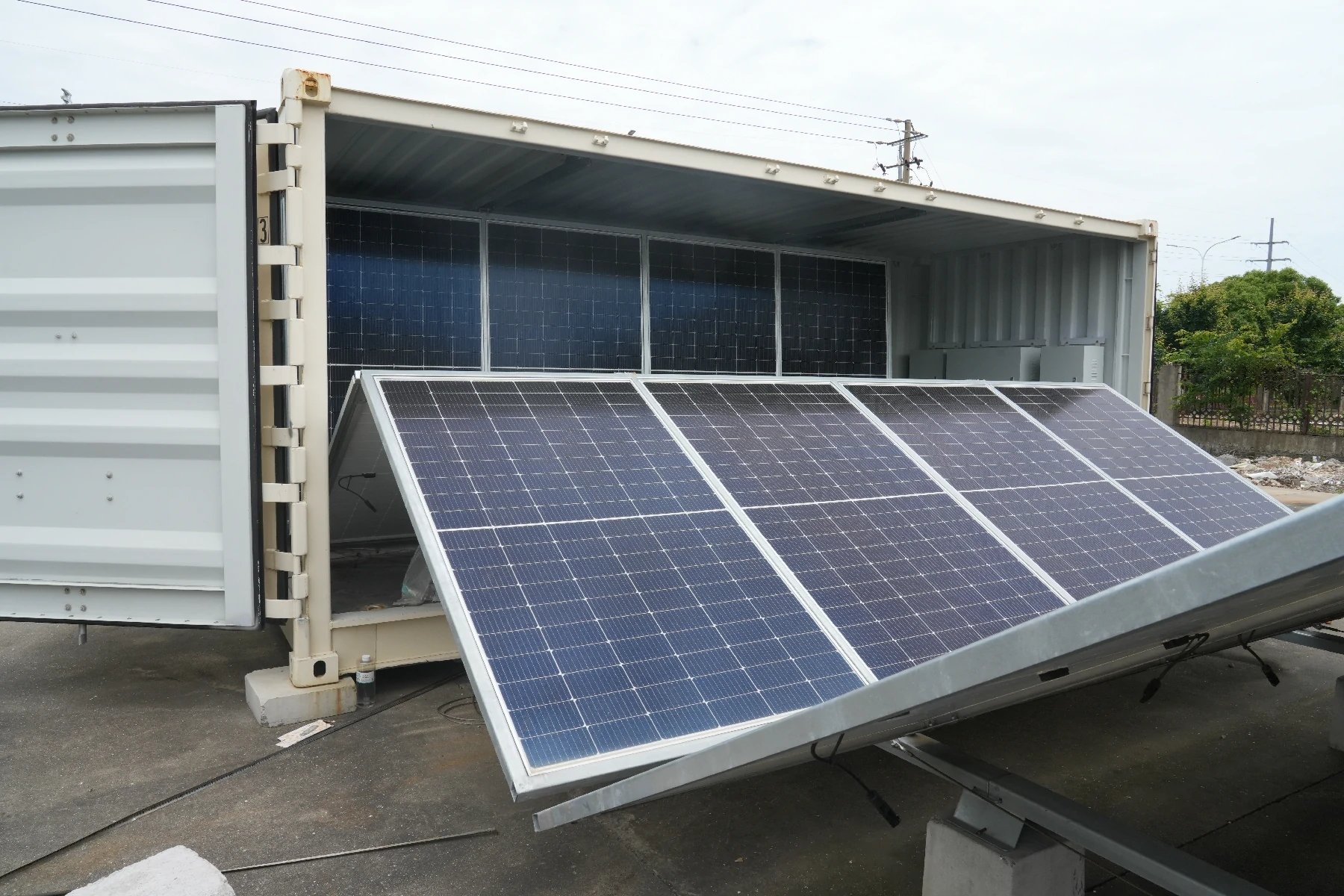
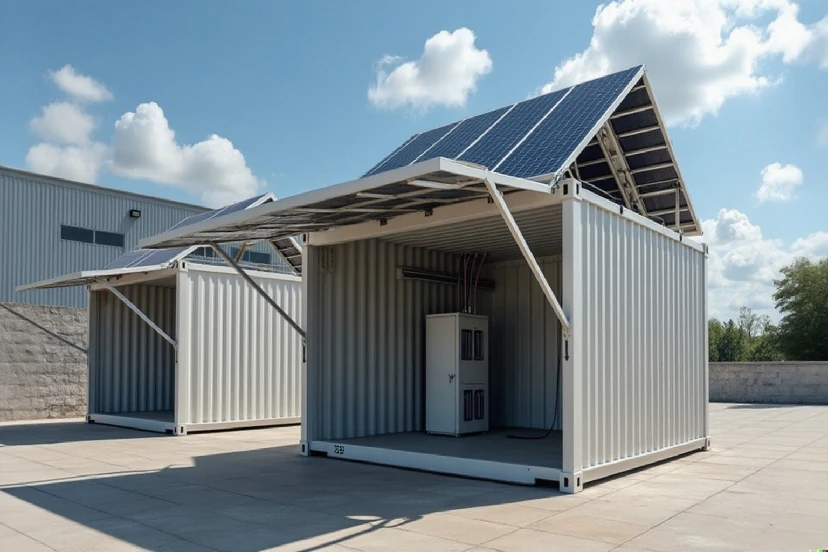
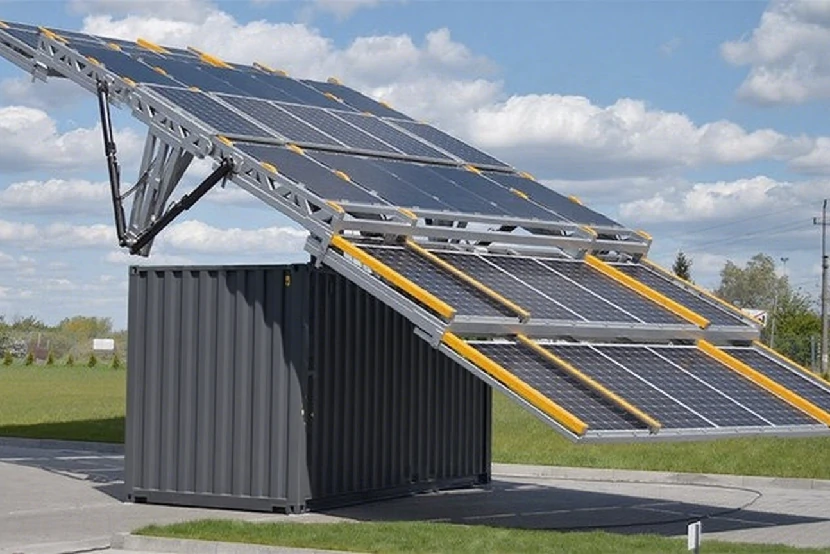
Solar container is a modular PV system with built-in storage that is placed in a mobile container type facility. It have recently gained more importance in terms of industrial electricity production, mobile installation facilities, and distributed energy production systems. It do not belong to any special regulatory class and fall under the general self-consumption electricity regulations of Spain.
In order to analyze the regulatory status of a solar container, one should take into account how the generation of electricity from photovoltaics is regulated, certified, and interconnected in Spain according to the country’s energy legislation. In other words, the key point to consider is the Spanish national self-consumption electricity regulation, which covers all kinds of photovoltaic generation installations – be they mobile or fixed.
As such, a solar container has no particular rules for certification. The same requirements apply to all kinds of photovoltaic installations, including solar containers.
Regulatory Basis for Solar Container Certification in Spain
The certification and compliance process concerning a solar container in Spain is based on the country’s electricity law regulating the process of self-generation. The process involves regulations regarding generation, authorization, and control of generation units within the Spanish electrical system.
Regulation of self-consumption provides the basis for all photovoltaic facilities that function through the self-generation and surplus feed-in models.
The Royal Decree 244/2019 defines the administrative, technical, and economic conditions for self-consumption electricity systems in Spain, including simplified procedures for small-scale installations and structured requirements for larger systems. The Royal Decree 244/2019, published by the Gobierno de España, demonstrates that self-consumption systems must comply with registration, metering, and grid coordination rules under a unified national framework.
The regulatory framework is vital to solar container systems since it defines the classification into either individual or collective self-consumption, surplus production, and registration at distribution system operators.
The implications of the keyword regulatory framework are evident: the solar container does not represent a specialized item but rather a configurable power generation module, governed by the same regulatory principles applicable to photovoltaic installations.
Administrative Certification Scheme for Solar Container Systems
Every solar container installation requires passing through an administrative scheme prior to going operational. The procedure serves to validate the installation from legal and technical perspectives, making it eligible for connection to the national electrical network.
In the first step, there is the project categorization phase. At this point, the authorities decide on the classification of the installation regarding its:
- Under or over capacity thresholds
- Self-consumption with or without surplus production
- Low-voltage or medium-voltage connections
This classification affects the complexity of the certification process.
The next phase involves project validation. It requires verifying that the system complies with all electrical safety regulations, grid connectivity, and metering configuration regulations. In cases where the installation is done within a container, this involves validating the wiring diagrams inside the container, the inverters’ configuration, and even storage system installation.
Construction and verification represent the third stage. This is when the installation has to be verified to make sure that the installation has been done in accordance with the technical specifications as per the project validation.
The last phase involves administrative registration. After completing the construction phase, the installation has to be registered officially for the system to function legally. If this step is not done, it means that either injection to the grid cannot occur, or even consumption accounting will not take place.
Technical Compliance Requirements for Solar Container Installations
Even though there is no legal difference between conventional photovoltaics and container-based systems, solar containers need to comply with all technical requirements related to power generators.
The main criteria include:
- Electric safety of internal equipment
- Configuration of meters for consumption and generation export
- Behavior during connection to the grid
- Methods of protection against faults and overload
- Isolation and ability to switch off
Since solar containers are modular and prefabricated, certification takes place both during design and installation. The authorities pay attention to whether the system acts as expected in terms of stability when connected to the grid.
It implies that the certification process cannot be reduced to paper only. It also includes behavior under different grid conditions and automatic disconnecting under abnormal conditions.
Grid Connection and Operational Approval
Grid connection is probably the most critical step in making a solar container operational. In this step, the operator of the distribution network should confirm the connection location and validate whether its operation will not destabilize the grid.
The verification steps include:
- Confirmation of the installation power
- Evaluation of the limits on injection (if the surplus can be exported)
- Metering infrastructure validation
- Protection systems validation
After this stage, the equipment gets permission to run under specific technical and contractual terms. As far as self-consumption units go, the accounting protocol for consumption vs export must be confirmed as well.
When solar container systems are installed in industrial facilities, their connection usually needs higher power, which complicates the verification process. Nevertheless, the regulation remains the same: any generating facility should operate in harmony with the distribution grid.
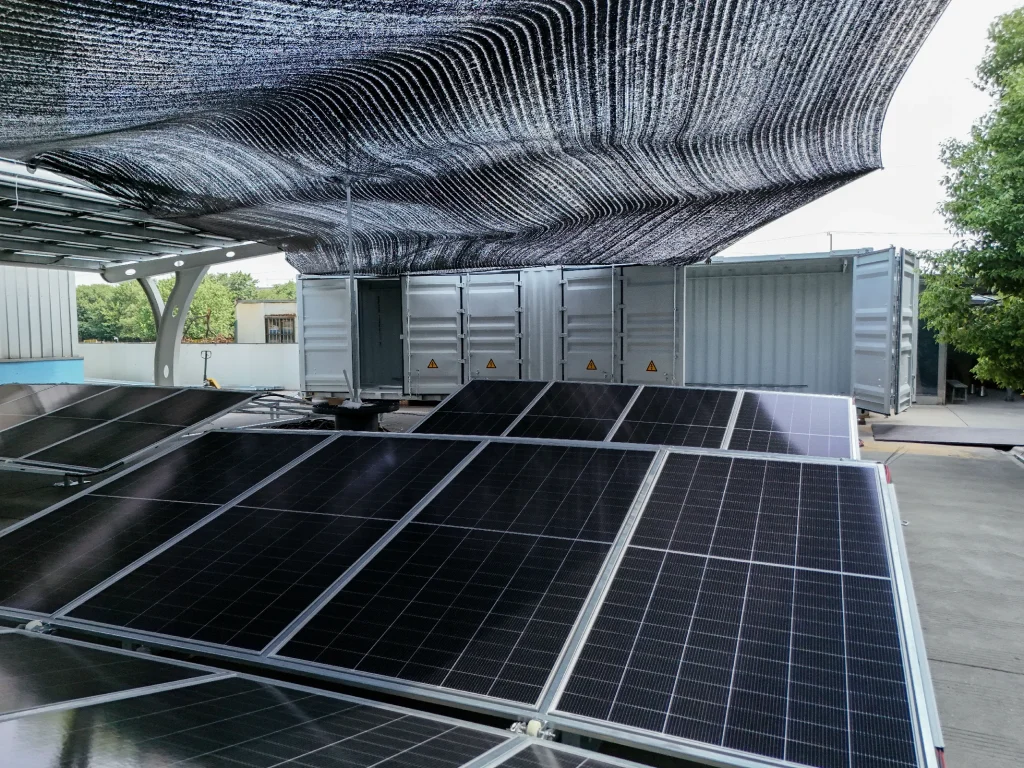
Certification Implications for Modular and Containerized Energy Systems
The use of solar containers poses an interpretative problem regarding regulation, insofar as it concerns the nature of its certification.
Though the solar container can indeed be considered a mobile energy infrastructure, once installed and connected, the Spanish regulation classifies it as stationary equipment, therefore:
- Location-specific certification is mandatory
- Each new site demands registration for each system
- Grid connection permission cannot be transferred from one place to another
For companies operating with such mobile energy infrastructure, this detail is highly significant because it implies that solar containers need to be certified or registered anew each time their location is altered or their operation modified.
Practical Compliance Strategy for Project Developers
When developing a plan for installing solar containers in Spain, there are usually three key strategies for dealing with regulations:
Firstly, make sure that the project will be classified in accordance with the regulations at an early stage. This affects the administrative difficulty and duration of the project.
Secondly, build the system with grid compliance in mind from the very beginning. The system design must account for stable functioning, as certification is highly dependent on technical characteristics.
Thirdly, cooperate with distribution companies at an early stage of planning. The most time-consuming aspect of certification is the connection to the grid, particularly for larger systems.
Conclusion
In Spain, solar storage units are not regulated by their own certification standards but rather fall under the umbrella of the country’s self-consumption regulatory framework. The compliance standards for these units are established from the general laws on photovoltaics and electric power, with Royal Decree 244/2019 as the primary legislation.
The most important conclusion for developers and administrators is that certification does not depend on the physical design of the structure itself but rather on its electricity performance. Consequently, a solar container should be considered a regular photovoltaic generating facility, and thus, requires the same certification process and regulation as a regular solar generating facility.
Contact US