
Containerized Solar Solutions for France’s Energy Storage Requirements
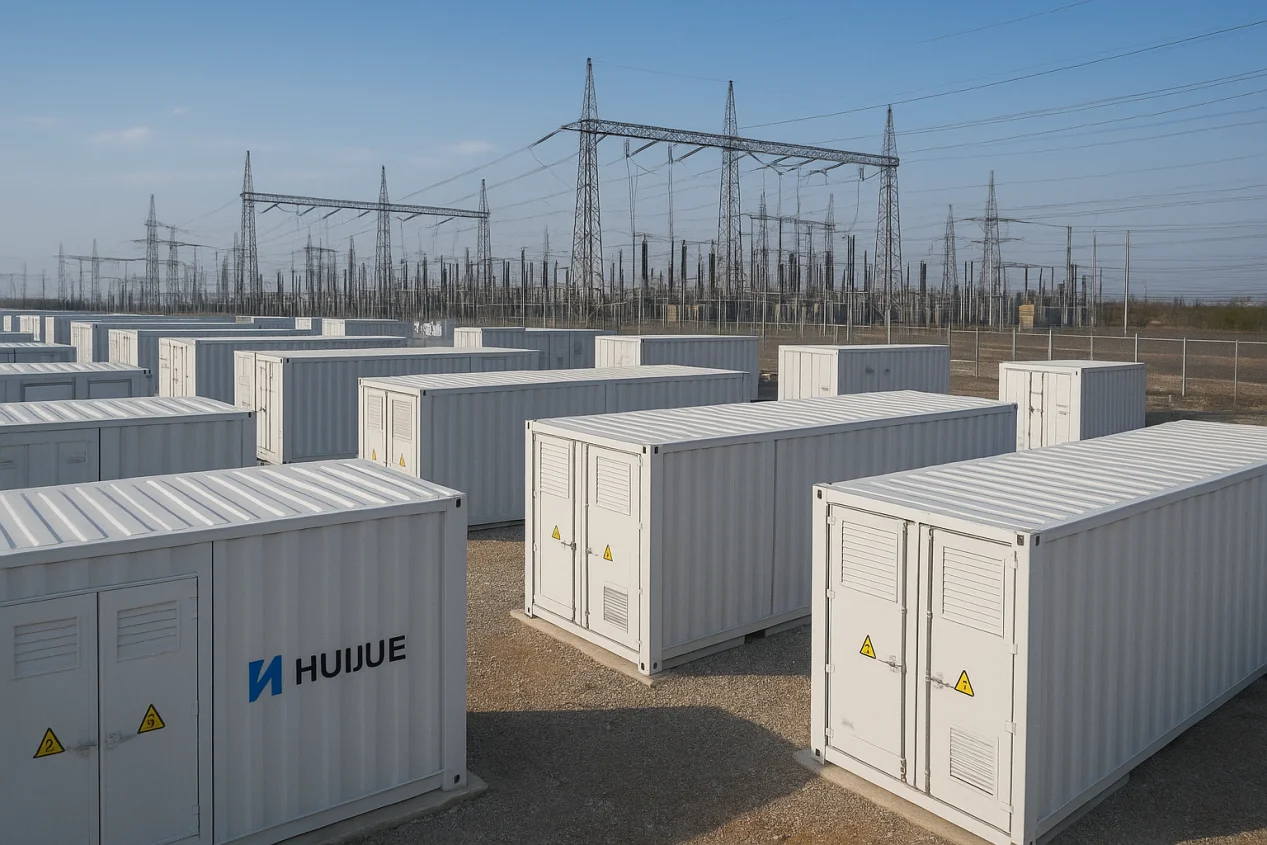
Containerized solar technology is slowly but surely transitioning from theoretical ideas to practical applications. Containerized solar systems are becoming increasingly popular in France not only due to the country’s increasing need to address its energy transition goals, but because this technology provides a solution to many different issues simultaneously.
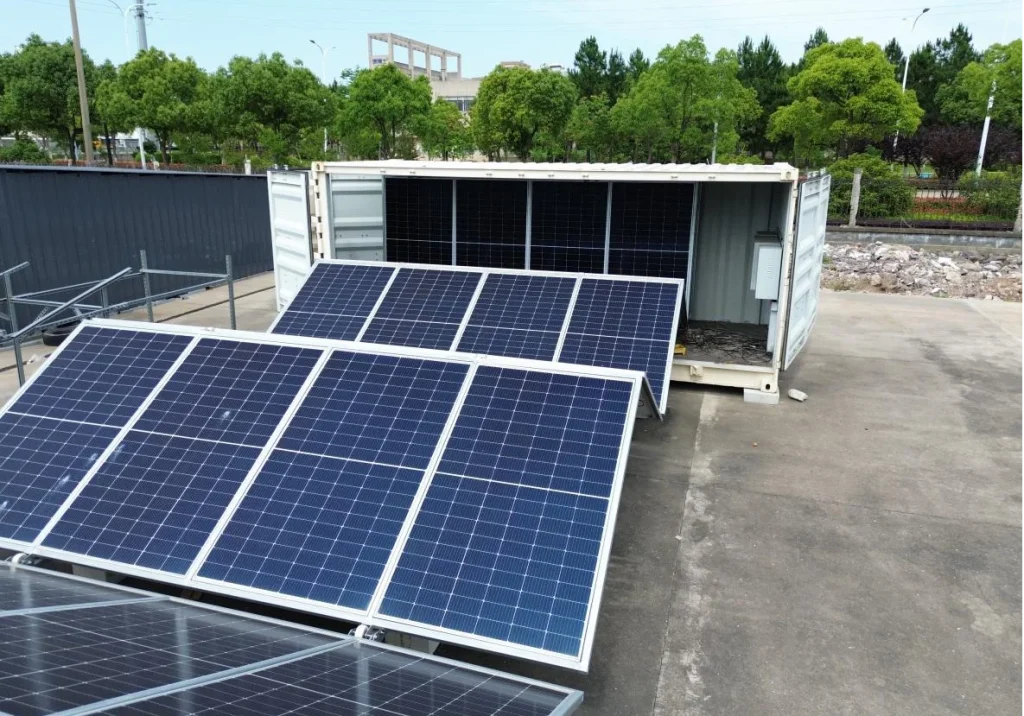
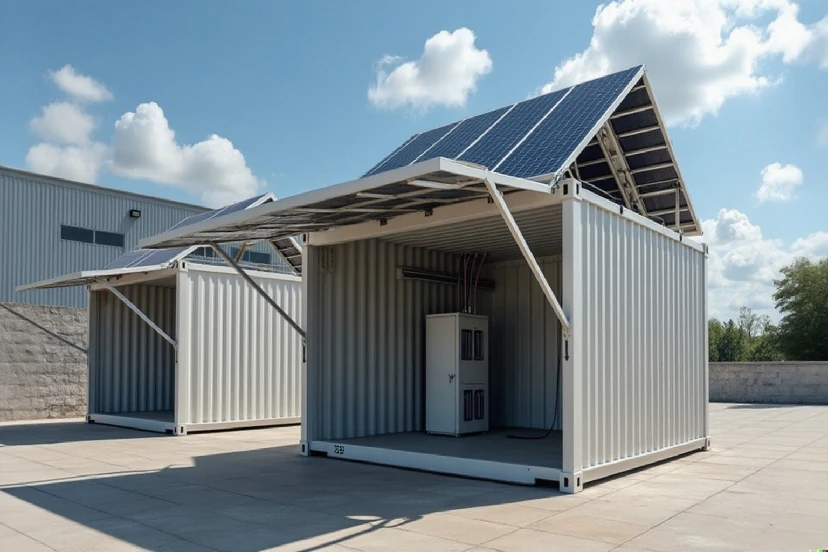
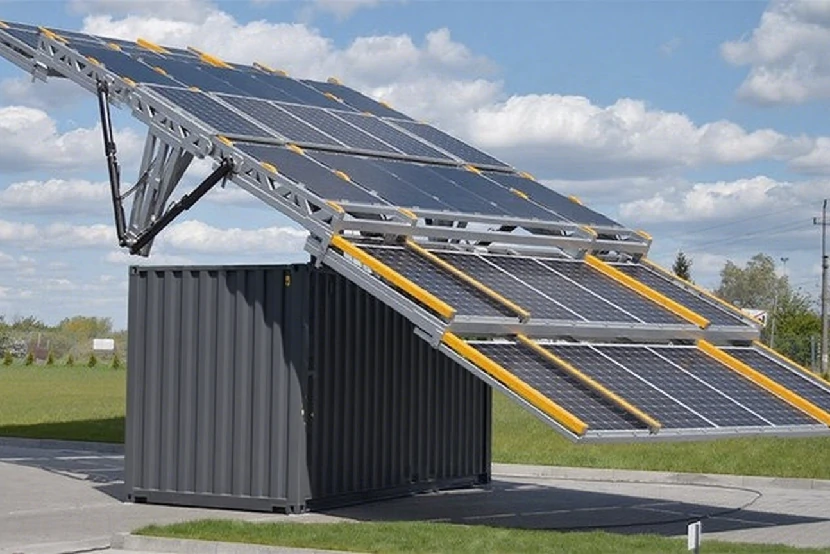
On the most fundamental level, containerized solar energy incorporates two main features into a single, portable package: photovoltaic energy production and battery energy storage. This feature of containerized solar energy is especially relevant when we consider the French case, which usually relies on a container solar kit.
Why Containerized Solar Matters for France’s Energy Transition
There is currently a transition taking place within the energy landscape of France. Although nuclear energy is still dominant in the country, there is a growth in renewable energies, particularly solar. This means there will be variations in power production that are not necessarily handled by the current system.
Managing variability in solar generation
One thing about solar energy production is that it is not steady. It peaks during midday hours and drops off at night.
Using containerized solar technology and even solar energy containers makes it possible to manage this variation. The idea is simple – excess energy from periods of high production is stored for release in times of high energy demand.
Decreased dependence on centralized facilities
Grid extension takes time and money. Sometimes, connecting to the grid can take several years to accomplish.
With the use of localized energy generation and storage, containerized solar minimizes dependence on centralized facilities.
What Makes Shipping Container Solar Kits Different
Conventional solar power systems involve a lot of planning, design, and construction processes. Solar power systems within shipping containers consolidate a lot of these activities in one package.
System integration design
Usually, each shipping container comprises:
- Solar panels
- Storage batteries
- Inverters and controllers
- Monitoring systems
Such integration decreases the installation period and minimizes the chances of any incompatibility between different parts of the system.
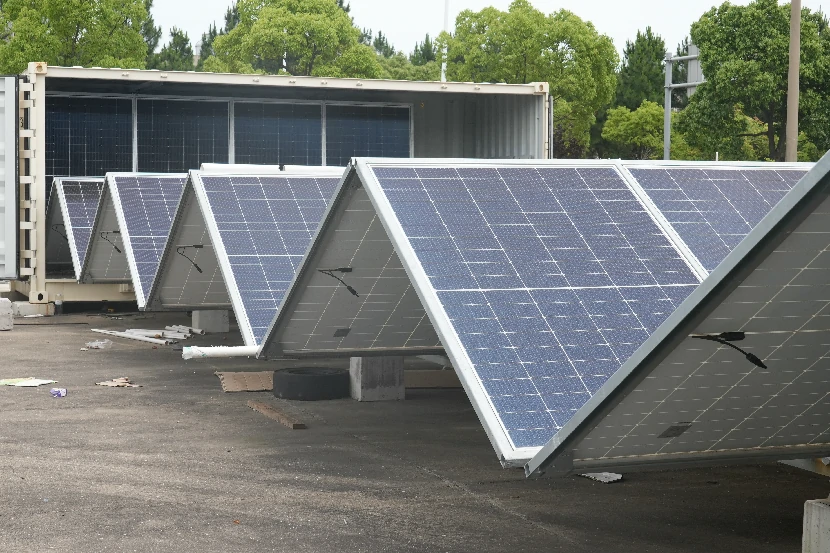
Rapid deployment and relocatability
The primary benefit of such systems is their speed. The system can be up and running shortly after its arrival.
It is also possible to relocate the system. For instance, when the current project is over or when there is an increase in demand for electricity elsewhere, it can easily be moved without any dismantling.
The Role of Energy Containers in Storage Strategy
Energy containers form the key storage component in containerized solar systems. They are important in ensuring that the value derived from the solar energy generation process goes beyond the immediate consumption of the generated energy.
Load balancing and cost saving measures
In many cases, commercial electricity prices fluctuate. Through energy storage, it becomes possible to use cheaper energy to perform tasks during expensive times.
This applies especially to commercial activities with a defined load pattern.
Emergency backup power supply
They also act as backup systems for commercial entities, ensuring that any interruptions in the energy supply system are mitigated.
In comparison with diesel-powered backup generators, they represent cleaner and quiet sources.
Consistency with the French National Energy Policy
The current trend in energy management in France seeks to promote the use of storage options.
The French Ministry of Ecological Transition’s publication Programmation pluriannuelle de l’énergie (PPE) shows that improving energy storage capacity and integrating variable renewables are central priorities. It highlights the need for adaptable systems that can respond to changing supply and demand conditions.
It is in line with the above principles as an alternative solution, which should not necessarily replace major infrastructure but rather complement existing systems in terms of system flexibility.
Use Cases in France
Containerized solar technology is highly versatile and therefore can be applied in many cases.
Industrial and logistic use
In cases where there is a higher demand for energy, the facility in question can adopt containerized solar to meet peak demand and increase energy autonomy.
Temporary and mobile use cases
The construction industry, events, and even military use cases might need temporary energy solutions. These use cases can benefit from shipping container solar systems instead of diesel generators.
Rural and decentralized use
Areas that do not have easy access to the electric grid and are relatively rural may not be suitable for grid expansion and can thus rely on containerized solar energy production.
Limitations to Consider
Even with its strengths, however, containerized solar has limitations that must not be ignored.
Smaller size
It works best on smaller to moderate scales and cannot compete with large-scale solar power plants in terms of energy output.
Greater cost per kW
Ease of installation and portability come at a price. Containerized solar can end up costing more per kilowatt compared to stationary solar panels.
Grid connection needs
For grid-connected solar power plants, proper integration is key.
FAQ
Is containerized solar appropriate for generating large-scale electricity in France?
No, usually not. Containerized solar systems are appropriate for small-scale generation, complementing larger-scale solar farms with the option for portability and storage when required.
What are the differences between a shipping container solar kit and traditional solar systems?
The key distinction is in the ease of installation and setup. Solar kits are easy to install and do not take as long to set up since all parts are prefabricated, unlike traditional solar systems, which require more time and effort. Traditional solar systems, however, cost less per watt installed.
Is it possible for energy containers to function autonomously without relying on the electrical network?
Yes, under certain conditions. Energy containers can be utilized to generate electricity in isolated regions, providing energy independence through alternative means.
Contact US