
Containerized Battery Energy Storage Systems for Solar Farms
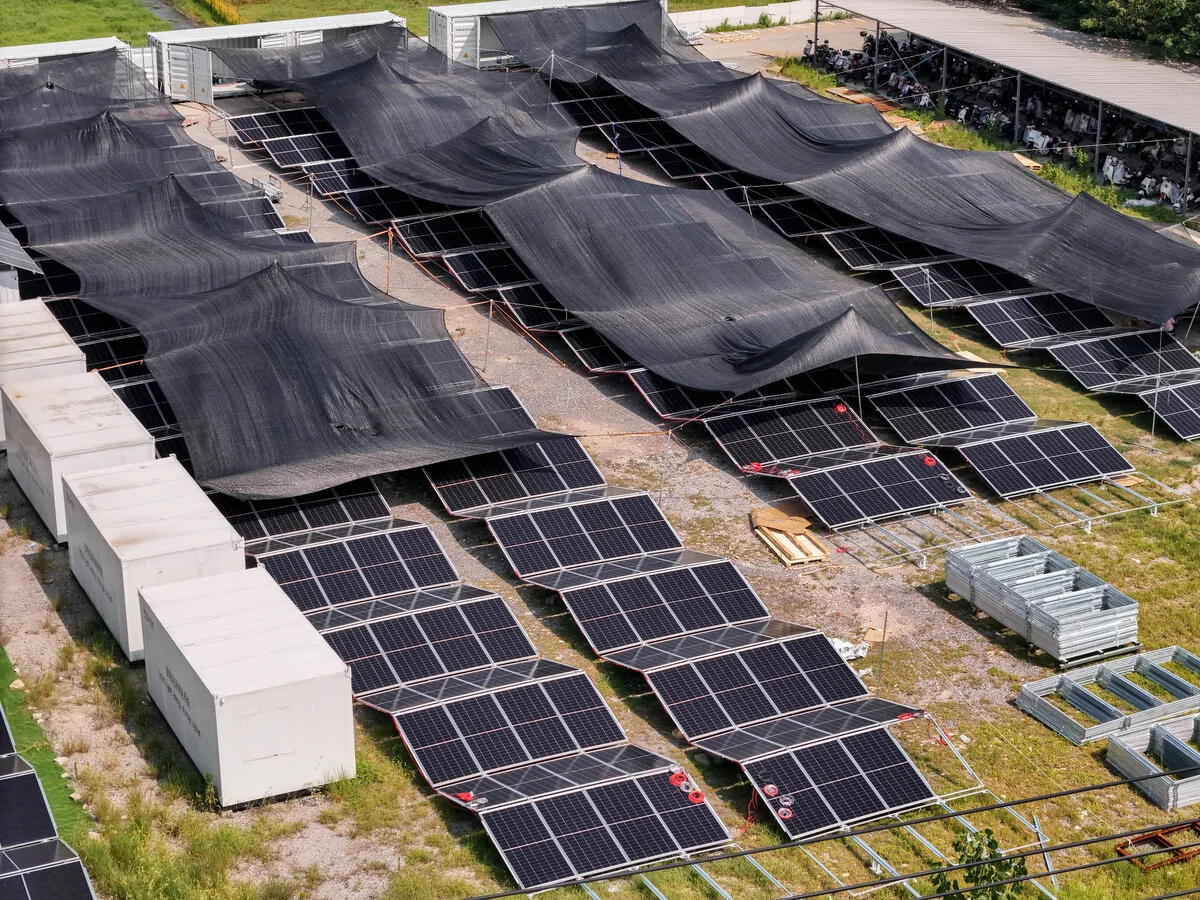
Energy storage systems using batteries within containers are revolutionizing the way solar farms are constructed and utilized. By integrating foldable solar panels, battery storage, and power conversion systems within transportable containers, developers can accelerate the installation process, minimize land disruption, and increase energy reliability.
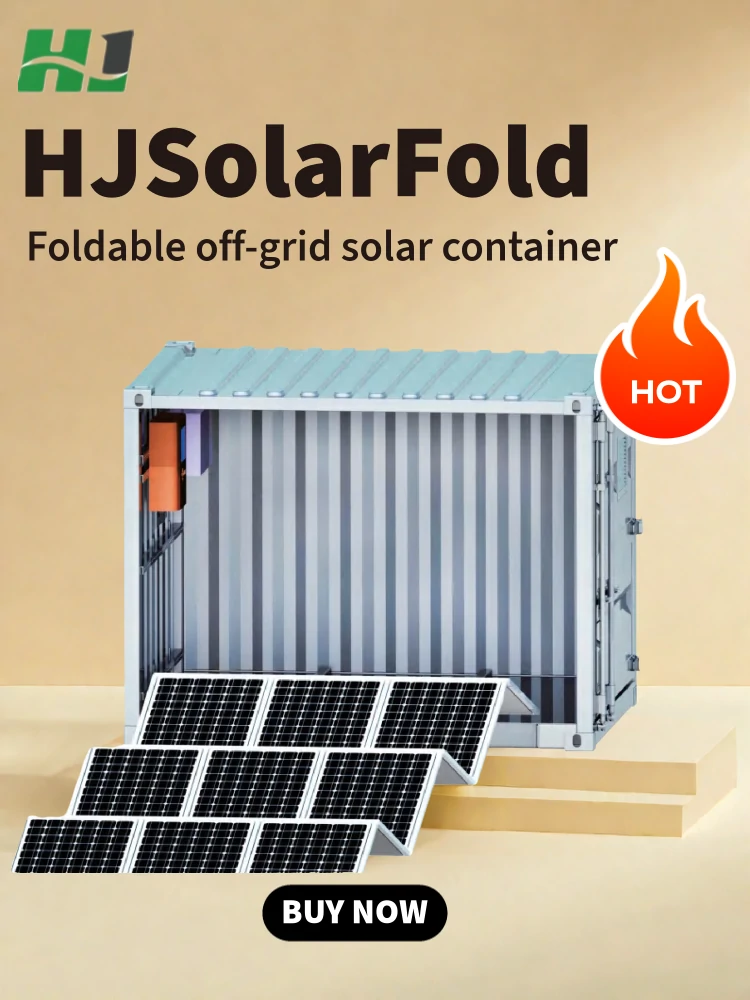
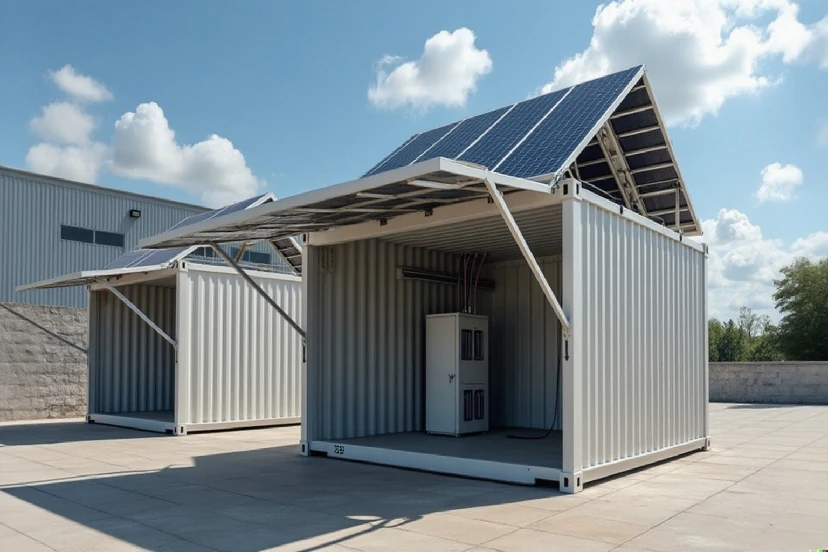
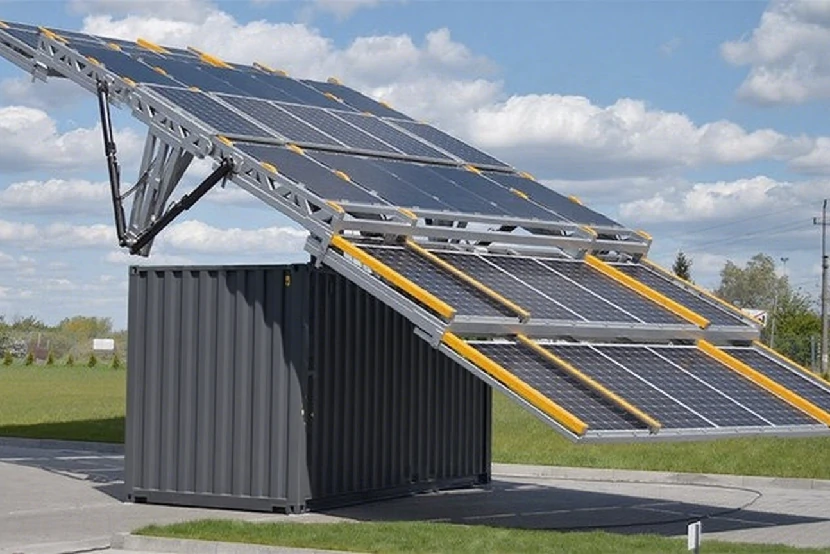
As opposed to conventional solar farms with fixed solar panel structures, the folding solar technology enables users to unfold their photovoltaic (PV) panels as required and store them back inside the container during transportation or as an act of protecting them from damage. This technology is particularly helpful in areas where the energy project is located far away, temporary, or in mining areas.
Containerized Solar Energy System
The process through which a containerized solar energy system works consists of the following three major elements:
1. Foldable Solar Panels
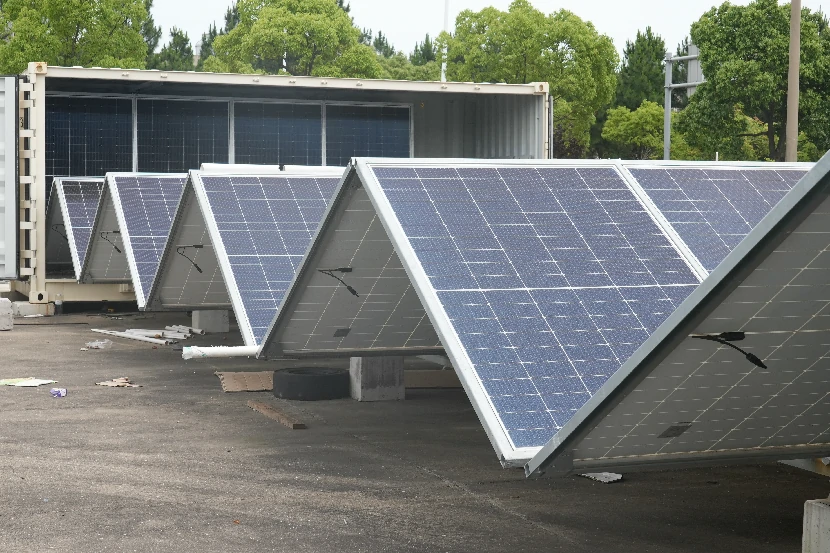
These solar modules are fitted onto a folding frame fixed onto the container. Upon deployment, they form a small solar farm capable of providing large amounts of electricity. Upon being packed up again, the panels can be stored safely in the container for protection against environmental factors and easy transport.
2. Battery Energy Storage System (BESS)
This element is responsible for storing excess energy collected during the day. Contemporary storage systems feature lithium iron phosphate (LiFePO4) batteries due to their safety and longevity of operation.
3. Power Conversion System (PCS)
This component provides the control and management of the process of energy transfer among solar panels, battery energy storage system, and load.
Important Benefits for Solar Farm Operations
Speedy Setup
A regular solar farm takes several months to plan and construct. The pre-manufactured container solutions allow for deployment in just days or weeks.
Ease of Relocation
Since all components of such solar farms are housed inside portable cargo containers, the solar farm can be moved around according to needs.
Less Impact on the Land Area
Folding solar panels require less groundwork to prepare before use, resulting in less environmental impact from the construction.
Better Reliability of Power Generation
The integrated battery energy storage systems provide solar farms with a backup that ensures energy generation in the absence of sunlight.
Modularity and Scalability
As with other forms of technology contained within boxes, it becomes easy to start a modest solar operation and increase capacity over time.
Technical Comparison: Containerized vs. Traditional Solar Farms
| Feature | Containerized Solar BESS | Traditional Solar Farm |
| Installation time | Days to weeks | Months |
| Mobility | High | Fixed location |
| Land preparation | Minimal | Extensive |
| Scalability | Modular expansion | Requires new infrastructure |
| Maintenance access | Centralized in containers | Distributed across site |
| Weather protection | Panels can be folded and protected | Panels remain exposed |
| Grid independence | Strong off-grid capability | Often grid-dependent |
Applications of Solar Containerized BESS in Real Life
Remote Mining Sites
Most mining sites have expensive diesel-based generator power plants. A solar-powered BESS can decrease operating expenses as well as save fuel.
Disaster Relief and Emergency Power
During disasters like earthquakes and storms, electricity supplies can be compromised. Containers equipped with solar panels can be moved to disaster-struck regions where energy will be provided for medical assistance, communications, and shelter.
Agricultural Uses
Farm owners with seasonal energy demands can use the container system for short-term use. Once the harvest season is completed, the equipment can be moved.
Utility Hybrid Systems
There is growing interest from utility companies to integrate solar energy into utility hybrid power plants. The moveability of the container system allows more space to install energy production facilities.
Example Scenario
Consider a 1 MW containerized solar power plant built for an industrial setting located far away. The plant will consist of:
- Four 40 feet-long containers housing foldable PV panels
- 1 MWh of LiFePO4 battery capacity
- PCS and energy management system
- Diesel generator for hybrid operation in case of need
The PV panels work to produce electricity during the daytime while charging the battery. If there is no sunlight available, the battery supplies its power output, thereby minimizing generator usage and expenses.
Performance Figures Estimate
| Parameter | Value |
| Solar capacity | 1 MW |
| Battery capacity | 1 MWh |
| Daily energy production* | 4–5 MWh |
| Diesel fuel savings* | Up to 70% |
| Deployment time | 2–4 weeks |
| Battery cycle life | 6,000+ cycles |
*Actual performance depends on location, weather, and load profile.
Industry Trends Promoting Their Application
There are several factors that promote the application of such containers:
- Cost reduction: Lithium battery costs have been falling sharply during the past decade, which made the implementation of such storage feasible for many companies.
- Necessity for grid resilience: Utility companies and enterprises are focusing on energy reliability and ability to provide backup energy sources.
- Decarbonization efforts: Governments and corporations invest heavily into green energy production and energy storage technologies.
- Modular designs improvement: New advances in container development, including effective thermal management systems and better energy management systems.
Barriers to the Successful Deployment
However, while containerized solar BESS has many advantages, there are certain barriers to their successful implementation.
Space Limitation
Foldable solar panels are smaller in size, thus their combined energy output will be smaller than energy output provided by huge solar farm facilities.
High Initial Costs
Although such facilities have relatively high initial investment costs due to the prefabricated design of such structures, lower installation costs make up for this drawback.
Battery Management
Battery thermal management and effective monitoring are important to ensure proper operation.
Personal Opinion About the Technology
When talking about practicality, I think that containerized solar BESS plants are the best solution for those cases when flexibility and quick delivery of energy production are more significant than maximum land solar production. Being able to deliver your ready-to-use power plant on a couple of container trucks is priceless in some cases.
Moreover, I also have seen how many developers focus on the potential solar generation capacity of the plant and forget about battery energy storage size. In fact, it is battery energy storage size that will determine how much reliable the facility will be after its construction.
Future of Solar Farms
It goes without saying that containerized solar BESS systems will not replace classic solar facilities in their entirety since not everyone needs portability and fast energy production. However, containerized solar facilities will become an essential tool for renewable energy producers who can use them for various purposes such as:
- Quicker launch in underdeveloped areas
- Energy production on off-grid territories
- Solar farm resiliency
- Better coupling of battery energy storage and renewable energy generation.
Contact US