
Commercial Solar Panel Cost in 2026
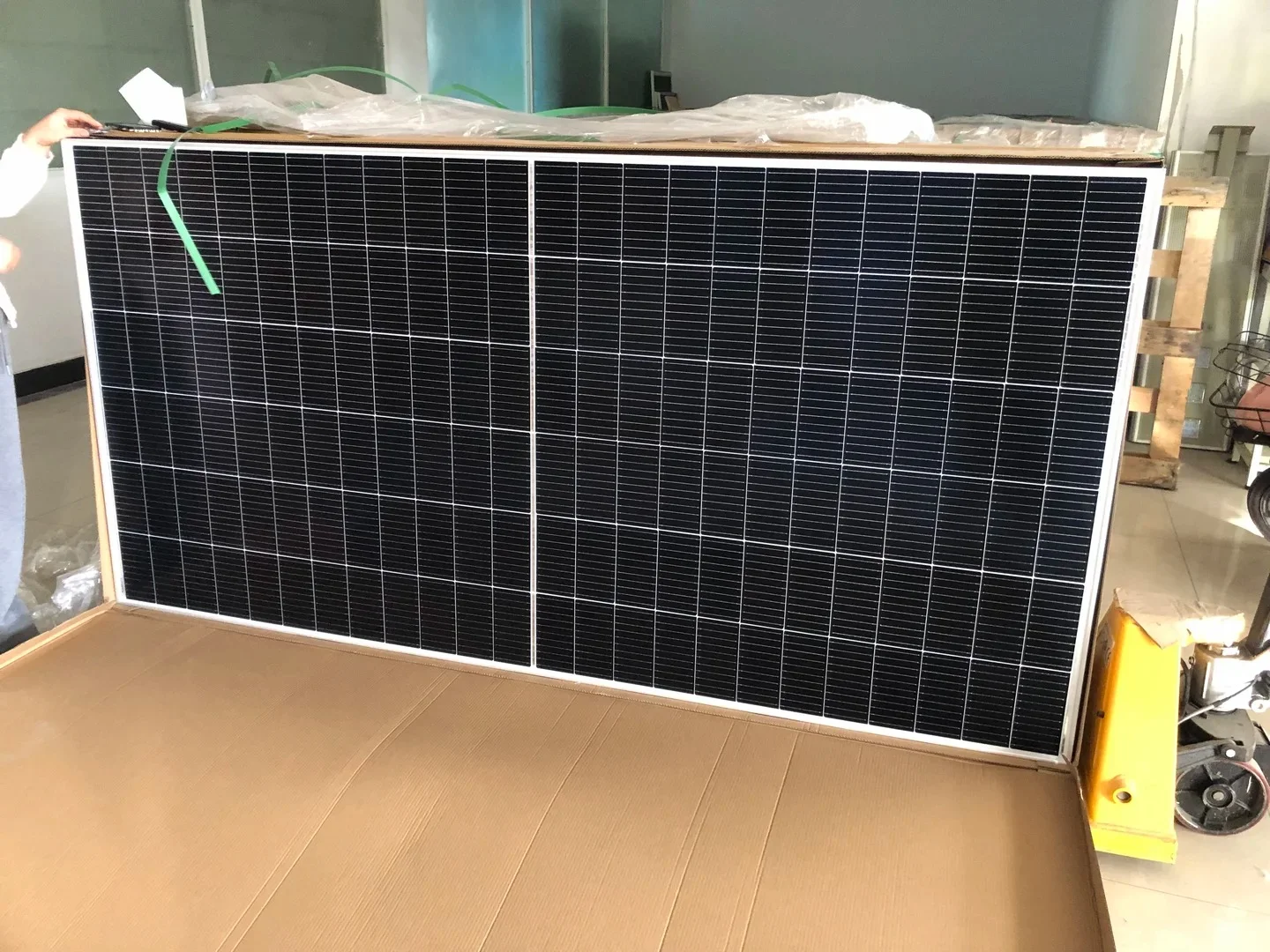
The cost of installing a commercial solar power system usually ranges between USD $0.8 and $1.5 per watt when using equipment from Chinese manufacturers. Purchasing equipment directly from Chinese manufacturers at factory prices can significantly reduce the total project investment.As it happens, we have our own factory in China, so feel free to contact us for the latest factory-direct prices.
As electricity rates keep rising, commercial solar is becoming one of the most practical investments that a company can make. This can help the company cut down its running costs for more than 25 years.
What Affects Cost of Commercial Solar Panels?
Cost of commercial solar panels depends on much more than solar panels themselves. All elements of the system are taken into account when calculating the overall cost.
The main cost items are:
- Solar panels
- Mounting structures
- Inverter
- Protective equipment (DC/AC)
- Cables
- Monitoring system
- Labor costs
- Engineering/permitting
- Transportation costs
Often, for many companies, the share of installation and engineering costs in the overall budget is quite high, particularly outside of China.
Average Commercial Solar Panel Cost by System Size
Below are typical price ranges based on the Chinese supply chain.
| System Size | Equipment Cost | Installed Cost |
| 30 kW | $10,500–18,000 | $24,000–42,000 |
| 50 kW | $17,500–30,000 | $40,000–70,000 |
| 100 kW | $35,000–60,000 | $80,000–140,000 |
| 250 kW | $87,500–150,000 | $190,000–340,000 |
| 500 kW | $170,000–330,000 | $360,000–700,000 |
| 1 MW | $340,000–650,000 | $700,000–1.4 million |
These estimates vary depending on module efficiency, inverter brand, mounting method, and project location.
Solar Panels Constitute Only a Part of the Investment
Most novice purchasers think about panel prices only. However, generally, the investment in solar panels constitutes 40%-55% of the total project cost.
The standard setup consists of the following elements:
- Efficient monocrystalline solar panels
- String or central inverters
- Panel mounting structures
- Combiner boxes
- Control center
- Storage batteries (optionally)
- Connecting to the grid
It does not mean that opting for less expensive panels decreases the total price of the project. More efficient panels may decrease the area of mounting, as well as the number of mounting structures and man-hours spent.
How Much Can Businesses Save?
The economic benefit is determined by the amount of power consumed and the utility costs.
For instance:
- System capacity: 500 kW
- Energy production per year: about 650,000–800,000 kWh
- Price of electricity: $0.12/kWh
The possible annual savings would be equal to:
650,000 × $0.12 = $78,000
In optimal circumstances, many commercial installations will pay back within 4-8 years but still continue producing energy during the next 20+ years.
According to the data of the International Energy Agency (IEA), the cost-effectiveness of solar PV has improved so much that today it represents one of the least expensive sources of electricity production worldwide.
The Reason Why Chinese Commercial Solar Systems are Inexpensive
China produces the majority of all photovoltaic equipment in the world.
Based on data from industry statistics published by the International Energy Agency and other market research firms, China controls over 80% of the total solar module manufacturing capacity, which results in economy of scale and low cost.
Some factors responsible for the reduced cost include:
- Mature manufacturing chain
- Large-scale automation
- Low labor cost
- Economical logistics
- Availability of components
International EPC contractors and distributors usually enjoy savings when purchasing directly from Chinese suppliers.
Should You Consider Battery Storage?
The use of energy storage from batteries is gaining popularity among commercial customers.
Despite adding to the total cost of ownership, the advantages include:
- Peak shaving
- Power backup in case of grid failure
- Better self-consumption
- Decrease in diesel generators’ use
- Increased energy autonomy
Businesses that work in the evenings or operate in areas with expensive peak electricity tariffs can reap great benefits by pairing their solar system with lithium batteries.
Roof-Mounted versus Ground-Mounted System
The type of installation influences cost as well.
Roof-Mounted System
Advantages:
- Less need for land
- Lower mounting cost
- Appropriate for factories and warehouses
Disadvantages:
- Limited roof strength
- More difficult to install in old structures
Ground-Mounted System
Advantages:
- Easy to maintain
- Mounting flexibility
- Good ventilation
Disadvantages:
- Increased mounting cost
- Requires more land
Selection of proper system is determined by the amount of available space, building state, and further development plans.
Mobile Commercial Solar Power Solutions
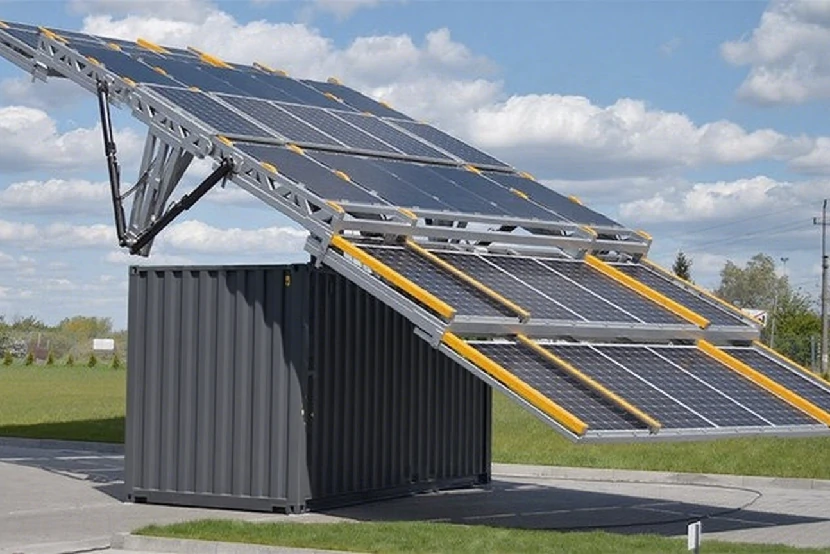
Not all businesses can rely on rooftop installations. Construction sites, mining facilities, disaster management systems, military applications, portable factories, and remote industrial locations may require mobile power generation rather than stationary installation.
As per our experience gained through commercial energy projects, mobile solutions have been gaining in importance. Many clients would like to see a solar system that can be installed, moved, and produce energy in hours, rather than days.
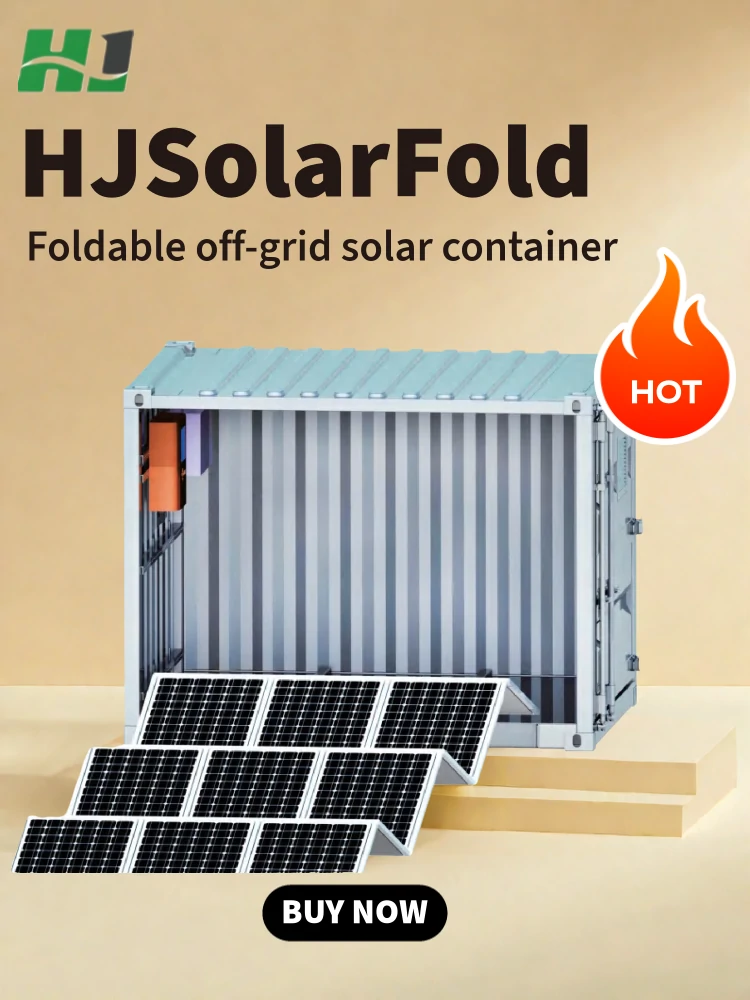
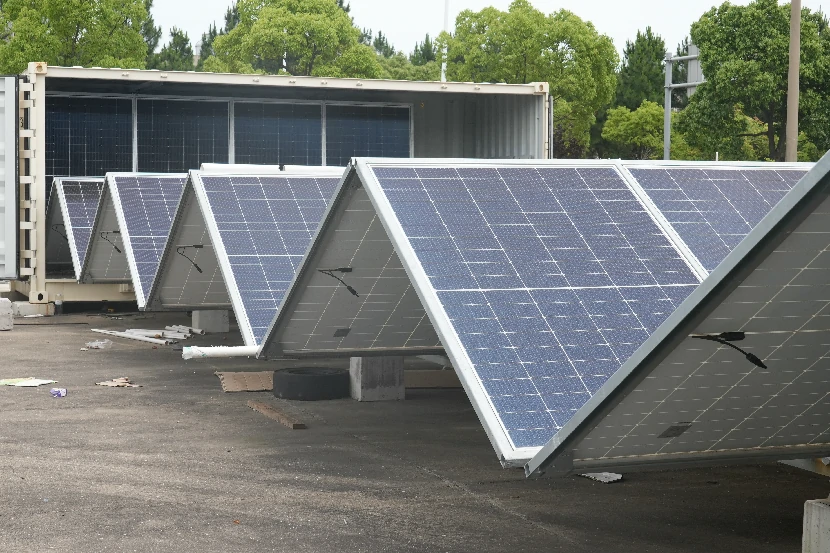
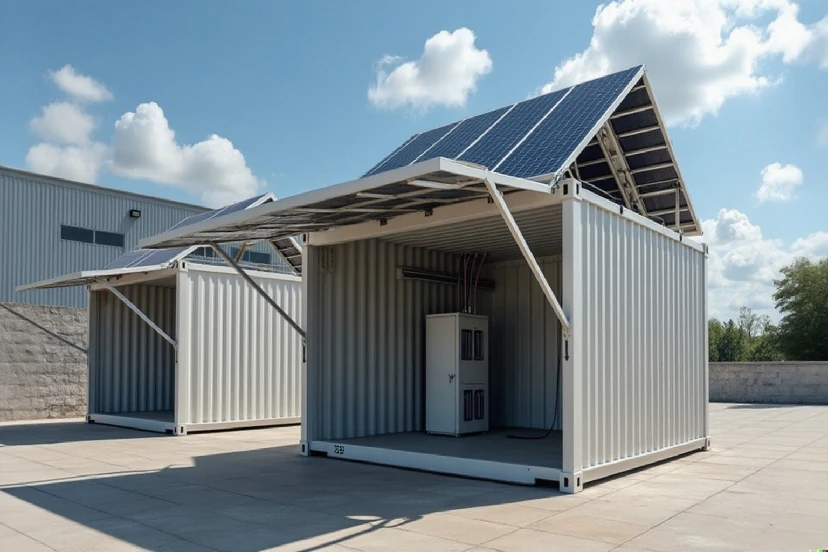
HighJoule fills this need by offering a foldable solar container system. In contrast to traditional stationary solar power stations, the system comprises:
- Foldable photovoltaics
- Portable container construction
- Optional lithium batteries for energy storage
- Inverter and controller system
- Designed for rapid installation
- Ease of moving to another location
This unique commercial solar solution is especially useful in temporary projects, off-grid operations, disaster management, and industrial applications.
Suggestions to Minimize the Cost of Commercial Solar Systems
Investors must assess the overall project instead of just comparing the costs of panels.
Following suggestions could be made:
- Buy from reputable manufacturers.
- Opt for high-efficiency panels where there is less roof space available.
- Keep the capacity of inverters according to your electricity needs.
- Make the design according to long-term electricity requirements.
- Go for battery backup in case the peak time electricity cost is high.
- Focus on lifecycle cost instead of just purchasing cost.
Well-designed commercial solar systems tend to yield more profit than the cheapest equipment.
Conclusion
Solar panel prices keep falling with improvements in manufacturing processes and economies of scale. With regard to Chinese suppliers, equipment prices continue to be some of the most competitive on the international scene, which makes solar energy a good long-term investment.
Irrespective of whether you plan to install your system at the top of a building for your factory or you need a movable solar energy system for business needs, the quality of equipment and experience of the producer will play a much larger role than low cost.
With more than twenty years’ experience in manufacturing and our own production facilities in China, HighJoule offers a wide variety of commercial solar panels from traditional photovoltaics to portable folding solar containers.
Contact US