
Desert Solar Container for Off-Grid Research
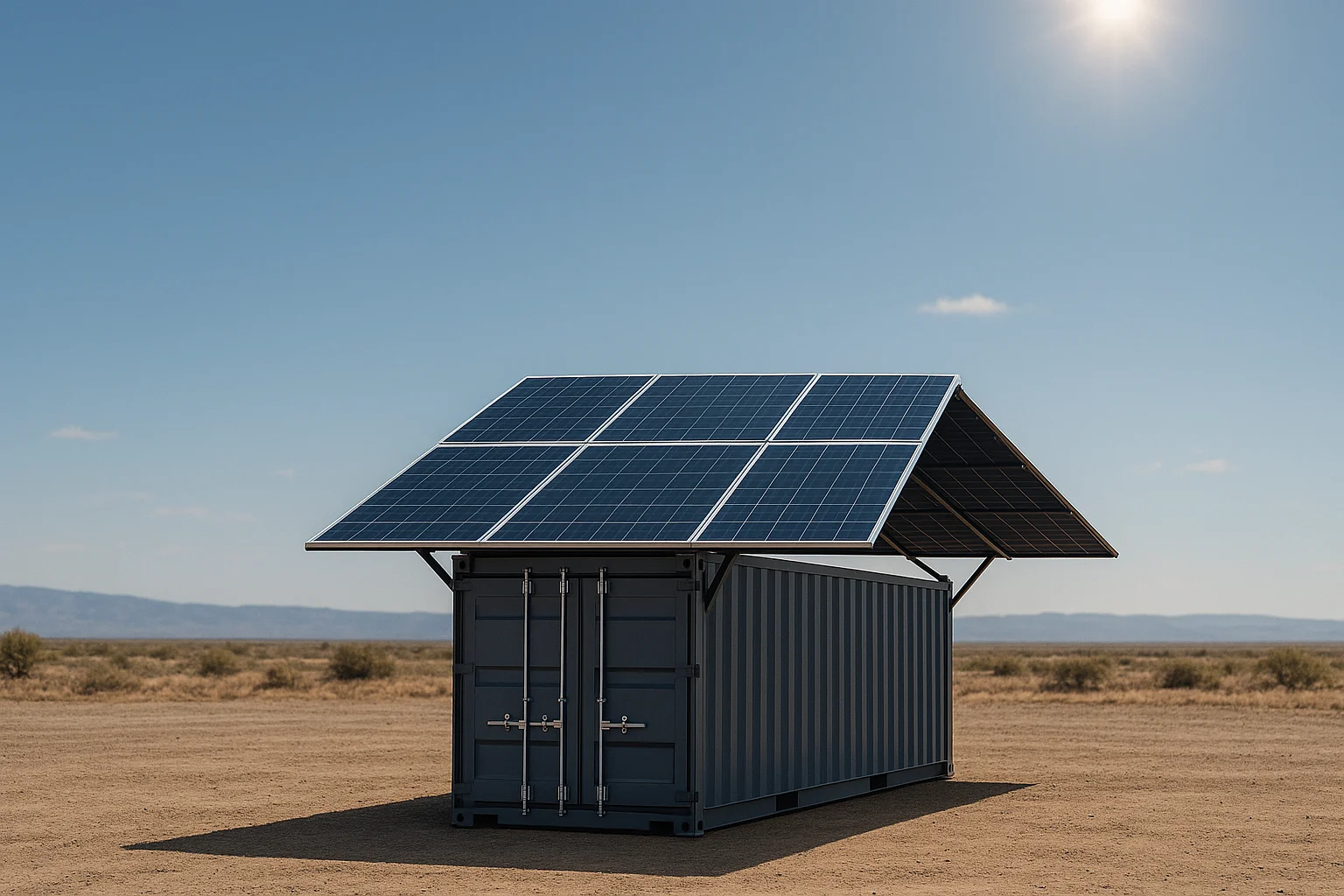
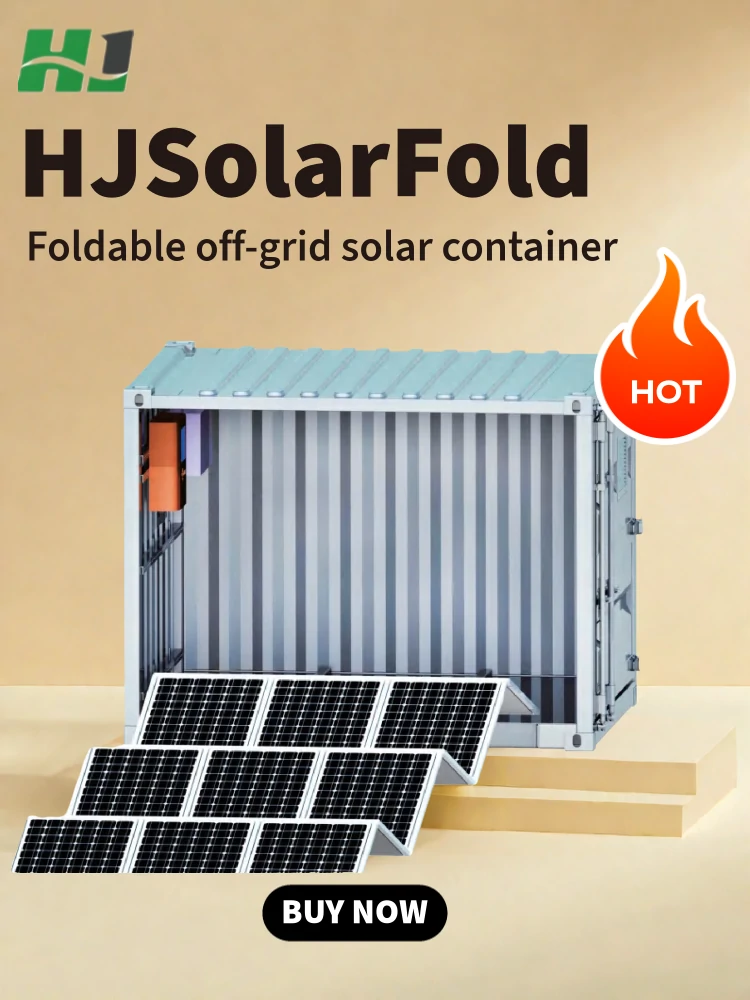
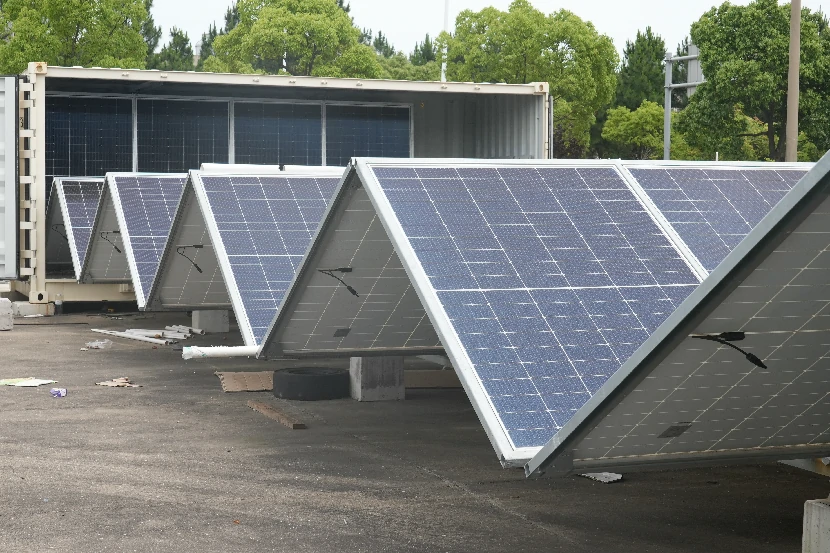
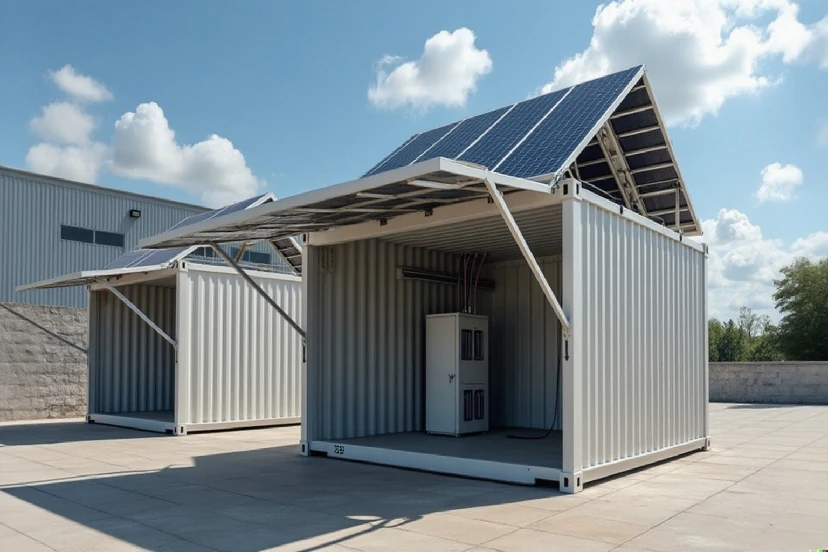
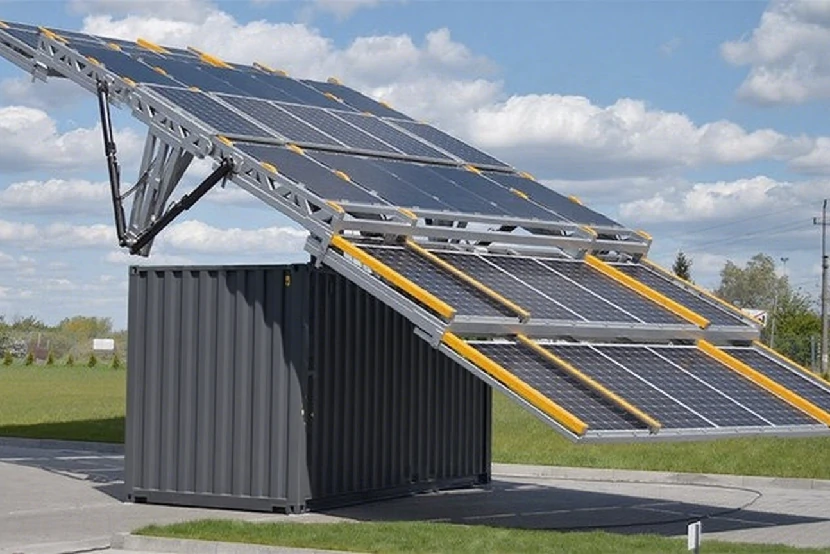
Research cabins in desert environments have unique energy requirements. Most often, there is no access to electric grids. This makes traditional solutions expensive or impossible. A solar container is a modular solution that is equipped with solar panel technology. This solution provides reliable electric power for research cabins that do not have access to other electric energy sources. Moreover, it is capable of withstanding extreme environmental conditions.
The RTI International — Solar Station for an Off the Grid Air Quality Sensor System demonstrates that compact off-grid solar stations can reliably power remote monitoring systems. Applied to research cabins, this confirms that solar container solutions can sustain continuous operations without relying on fuel-based generators or distant grid connections.
Why Solar Containers Are Effective in Desert Conditions
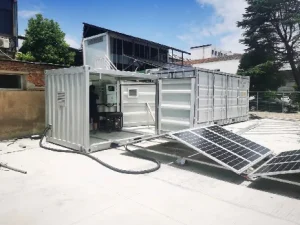
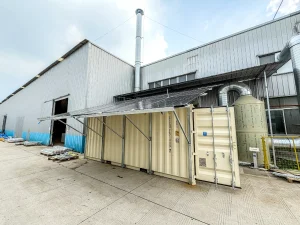
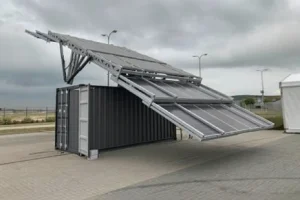
Desert climates are known for their extreme weather, including hot and cold temperatures, intense levels of solar radiation, and dust storms. The solar containers are built to withstand these elements. Their module-based construction allows for easy and quick setup and relocation, which is important for researchers who may need to relocate. The batteries also ensure that there is always power available, especially at night or during bad weather.
Besides durability, solar containers are also flexible. This is important for researchers who may need to expand or adjust the setup as required. This is especially important in desert climates, as it allows for easy and quick setup.
Key Features of an Off-Grid Solar Container
High Efficiency Photovoltaic Panels: The panels are designed to utilize the abundant sunlight available in the desert environment, ensuring that there is no loss of energy.
Energy Storage Systems: The storage units are designed to store extra energy for use during the night or low-light conditions, ensuring that there is no interruption of power supply.
Power Management Units: The units are designed to manage the flow of power, protect against voltage surge, and optimize the usage of the storage units.
Environmental Protection: The containers are designed to be insulated and sealed, ensuring that the internal components are not damaged by heat, dust, and sandstorms.
This combination of components allows the solar containers to operate effectively even in extreme conditions.
Applications and Insights
Practical deployment demonstrates the effectiveness of solar containers. The study titled Solar Energy Integration in Off Grid Communities, published by Springer Nature finds that off-grid photovoltaic systems can reliably sustain isolated communities over long periods. While focused on communities, the principles apply directly to desert research cabins, showing that proper system sizing and energy management ensure long-term operational independence.
The optimization of panel orientation, battery capacity, and load distribution can support systems that can function for months without interruption. Routine maintenance, such as cleaning the panels, can also be performed to maintain efficiency, thus preventing the degradation of the system due to the effects of dust or extreme temperature exposure.
Advantages for Research Teams
- Energy Autonomy:It can eliminate the need for generators or access to an external grid.
- Environmental Sustainability:It can minimize the carbon footprint, thus maintaining the pristine environment of the desert.
- Rapid Deployment and Scalability:Its modular containers can be deployed rapidly to meet the needs of the research team.
- Operational Resilience:It can function in extreme temperatures, dust, and sandstorms.
These benefits allow research teams to concentrate on scientific objectives rather than energy logistics, improving efficiency and reliability in field operations.
Implementation Considerations
For optimal performance, desert solar containers need proper planning. Some of the key considerations include:
- Site Selection:The solar container should be placed in an area that receives adequate sunlight with minimal shading.
- Load Assessment:Accurately calculating the energy requirements is essential for selecting the appropriate solar panel and battery sizes.
- Maintenance Strategy:Proper maintenance is essential for cleaning the solar panels, which in turn prevents dust buildup on the panels and extends battery life.
- Security Measures:The solar container should be protected from wildlife or unauthorized access.
Proper planning and proactive maintenance extend system life and reliability, making solar containers a robust off-grid solution.
Conclusion
Solar container research cabins embody the revolutionary spirit in desert-based operations. The integration of off-grid solar power provides the reliability and sustainability that the environment needs. The RTI International study provides evidence of the viability of off-grid solar power in remote monitoring operations. The Springer Nature study provides evidence of the reliability and viability of solar power in isolated operations.
For desert-based research operations, the adoption of solar container research cabins provides the reliability and flexibility that the environment needs. With the right selection and implementation of these technologies, researchers can be assured that they can carry out their operations without the burden of unreliable power.
Contact US