
Design Methodology of Off-Grid PV Solar Powered Container
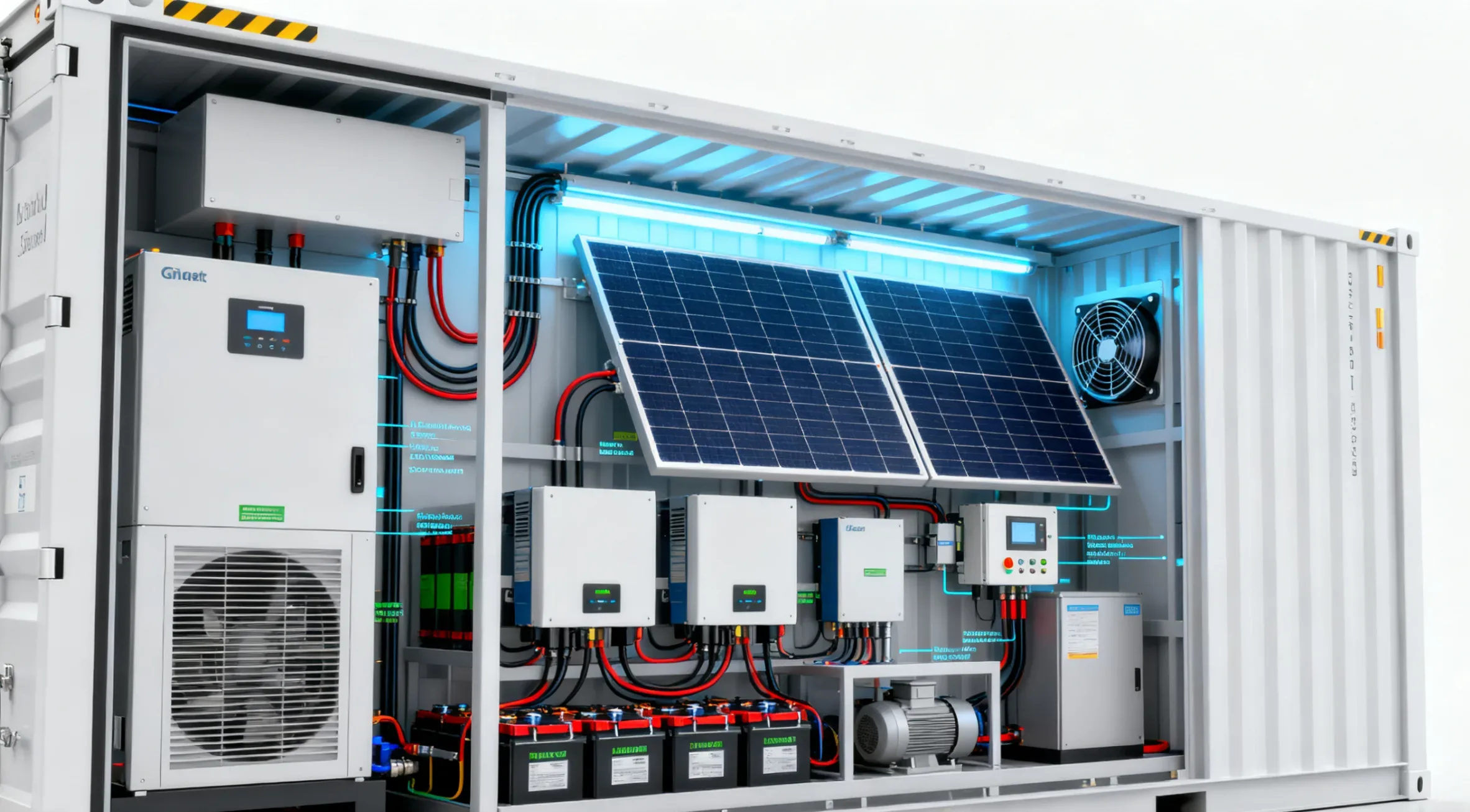
Designing an off-grid PV solar powered container is more than just putting panels on a roof and connecting batteries to each other. It’s about careful consideration to survey demand, choosing technology to correspond, and building a system that can actually deliver in off-grid locations or in times of crisis. But exactly what is the design methodology all about, and why does it matter so much? Let’s break it down step by step.
What Is an Off-Grid PV Solar Powered Container?
An off-grid PV solar powered container is a custom modular system mounted in a shipping container that generates electricity through solar panels, charges batteries, and supplies power independent of the grid.
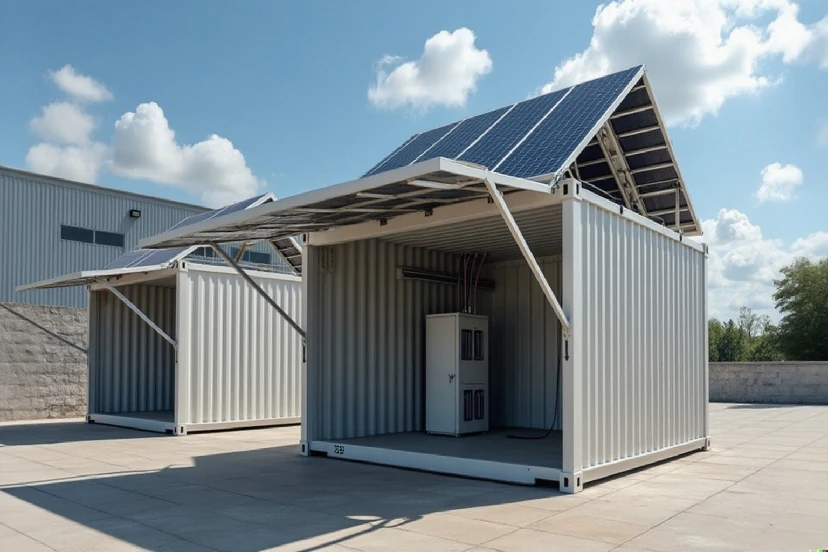
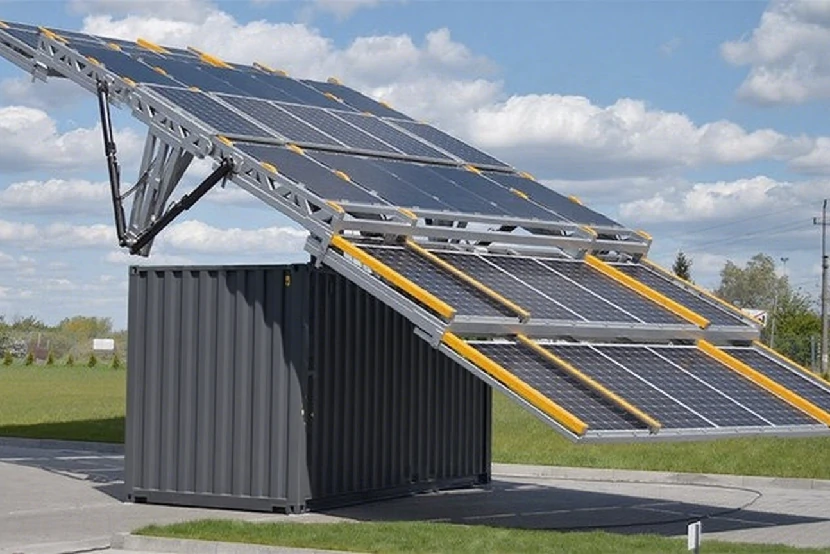
Imagine it like a “plug-and-play” energy hub: panels roll out of the box, batteries and inverters are installed within, and the system is ready to go for energizing houses, clinics, rural schools, or disaster camps.
Such a system is particularly vital for:
- Off-grid villages in the remote interior
- Disaster response in the aftermath of natural disasters
- Mobile military or research units
- Industrial uses in off-grid sites
Why Design Methodology Matters
If not properly planned, you may end up with a system that collapses under maximum load or is unnecessarily costly due to over-sizing. A systematic process guarantees reliability, efficiency, and affordability balanced.
The International Renewable Energy Agency (IRENA) underlines in its electricity storage report that optimal system sizing and containerized storage technologies can substantially reduce the cost of microgrids as well as improve scalability.
Key Steps in the Design Approach
- Load Evaluation
How much power will be used daily?
- Identify critical loads (e.g., medical equipment, lights, refrigeration).
- Estimate daily energy use (kWh).
- Consider seasonal variations in use.
Example: A Kenyan rural clinic required 15 kWh/day for lighting, refrigeration, and medical equipment. By monitoring use hour by hour, engineers avoided under-sizing the system.
- Solar Resource Assessment
Not all places receive the same amount of sunlight. Programs like NASA’s Surface Solar Radiation database help estimate solar availability.
- Average solar insolation (kWh/m²/day)
- Seasonal variation (dry vs. rainy seasons)
- Shading from trees or buildings
- PV Array Sizing
Formula:
Required PV Power (kW) = (Daily Load in kWh ÷ Peak Sun Hours) × Safety Factor (1.2–1.3)
So if a site uses 20 kWh/day and gets 5 peak sun hours, you’d need about 5 kW of panels.
- Battery Bank Design
The batteries determine how long the system can run without sunlight.
- Choose battery type (lithium-ion is standard for containers).
- Specify autonomy (e.g., 2–3 days independent of solar).
- Specify battery size:
Battery Capacity (kWh) = Daily Load × Days of Autonomy ÷ Depth of Discharge
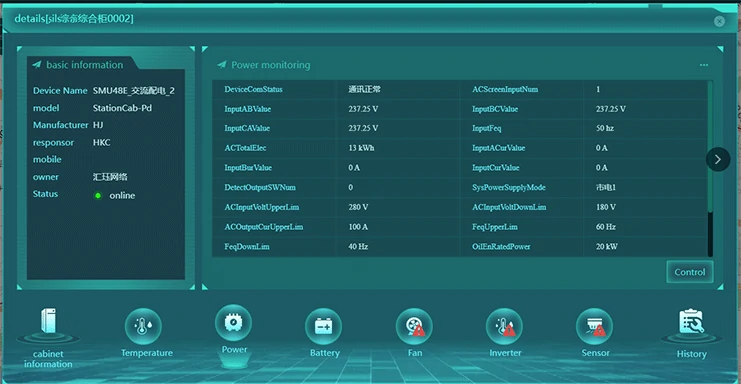
- Inverter and Control System
The inverter must be equal to the load and surge requirements (e.g., refrigerators activating).
Advanced containerized systems also include an Energy Management System (EMS), which controls charging, discharging, and sometimes includes backup diesel generators.
- Containerized Layout & Integration
Why a container? It’s on the move, safe, and modular. Design should deliver:
- Efficient airflow to cool batteries
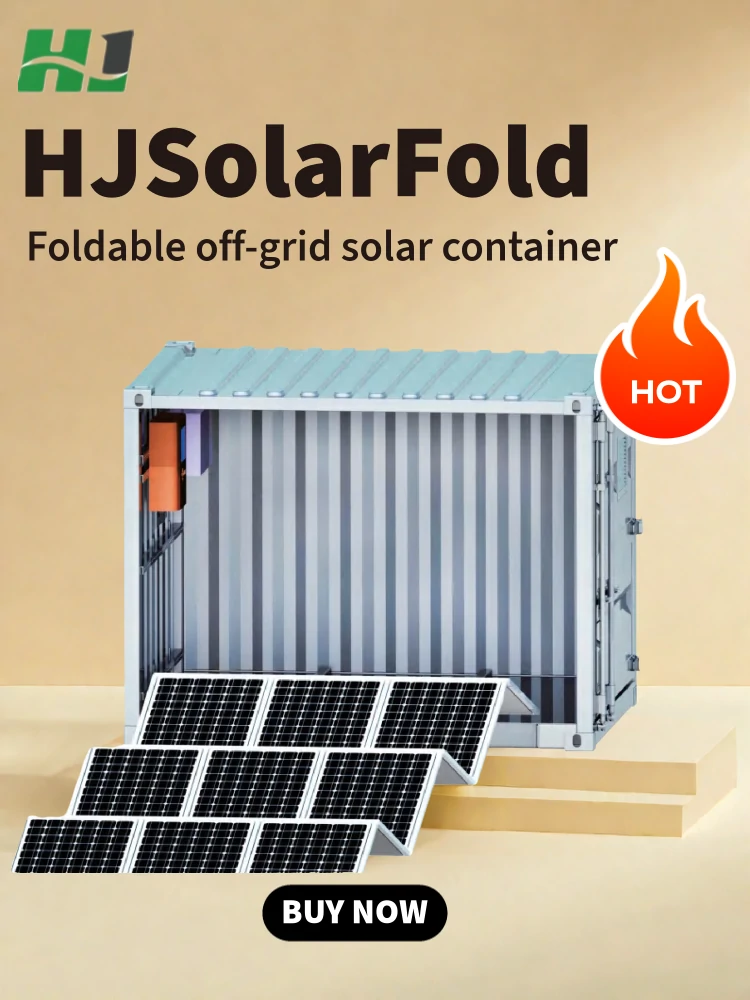
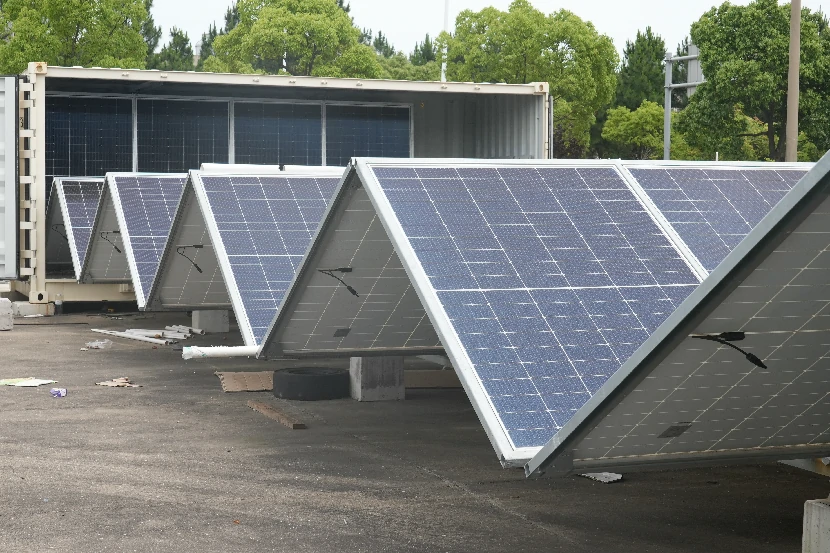
- Easy deployable foldable PV
- Weather resistance suitable for tropical or desert climates
Industry Trends that Impacts Containerized Solar
Two trends are shaping the design of off-grid PV solar powered containers:
1.Second-life batteries: Second-life EV batteries are utilized in off-grid installations to reduce expenses. According to MarketsandMarkets, the price of EV battery packs fell from $1,200/kWh in 2010 to around $139/kWh in 2023, and second-life use is becoming attractive
2.Hybridization: Solar is hybridized with small wind turbines or backup generators in most containers to increase resilience.
Real-World Case Studies
- Puerto Rico, 2017 Hurricane Maria:Emergency backup power for hospitals and communication towers was supplied by mobile solar containers during the grid failure.
- Rural India, 2022:A 40-foot off-grid PV solar powered container powered a village in Madhya Pradesh, lighting 40 homes and a small school.
It can be seen here how good design methodology is the difference between a life-saving system and one that fails.
Common User Questions in Context
Others may wonder: “Isn’t a container system too expensive for small villages?”
Actually, the modular construction reduces building costs, and sharing energy in the community typically costs less per residence.
A second concern is: “What if batteries deteriorate too quickly?”
New lithium batteries last 10–15 years, and many containers come with modular battery packs, so you simply replace the cells, not the whole system.
Finally, everyone asks: “Can it really replace diesel generators?”
Yes, in all but a few cases. Diesel can remain as a backup, but PV-powered containers reduce fuel usage, especially where fuel availability is costly.
Contact US