
From Disaster Relief to Rural Villages: Real-World Applications of Shipping Container Solar Systems
What Is a Shipping Container Solar System?
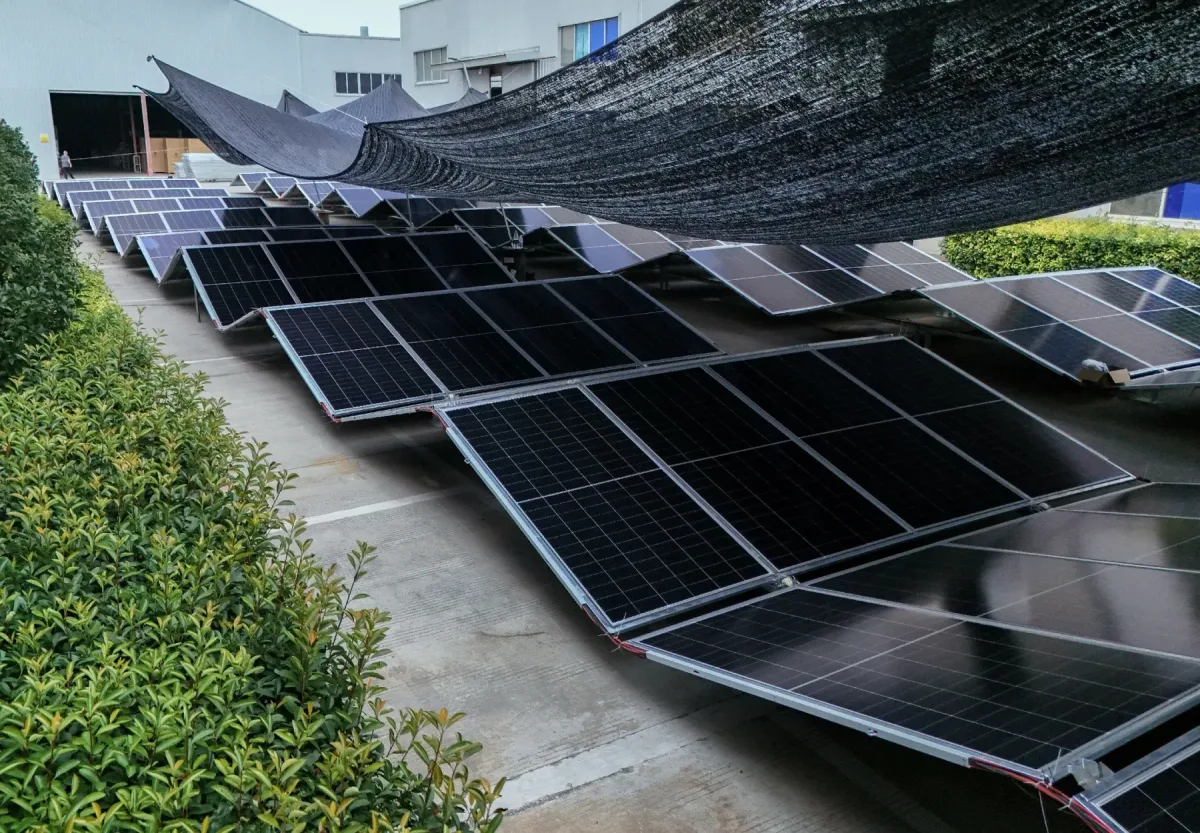
A solar system for shipping containers is exactly what it says it is: a standard shipping container converted to a portable, independent renewable energy device. Systems like this typically consist of solar PV panels, inverters, battery backup, and even in some instances, microgrid EMS software. Because they’re built into a container, they’re weatherproof, easy to transport, and simple to deploy.
Some common variations are:
- Solar container– mobile solar container easily transported by truck or ship, with quick deployment in mind.
- Off-grid solar container– designed for off-grid locations with no grid connection, generally with bigger storage capacity.
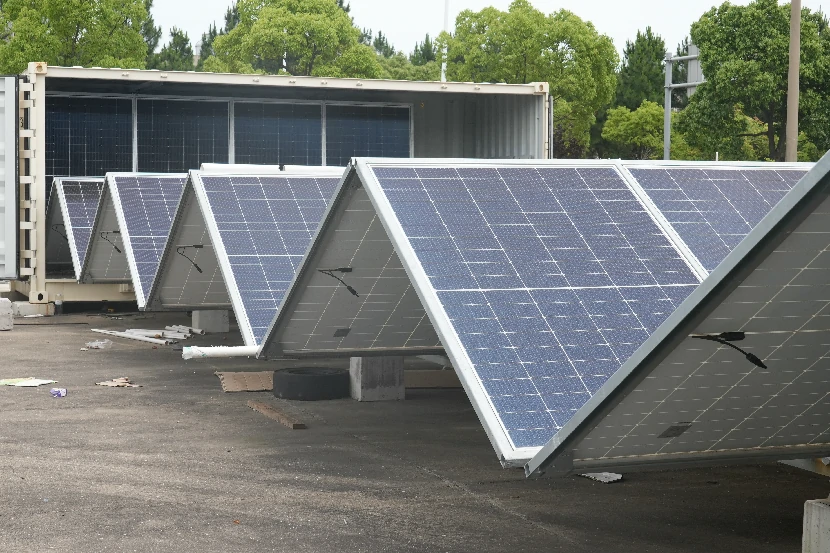
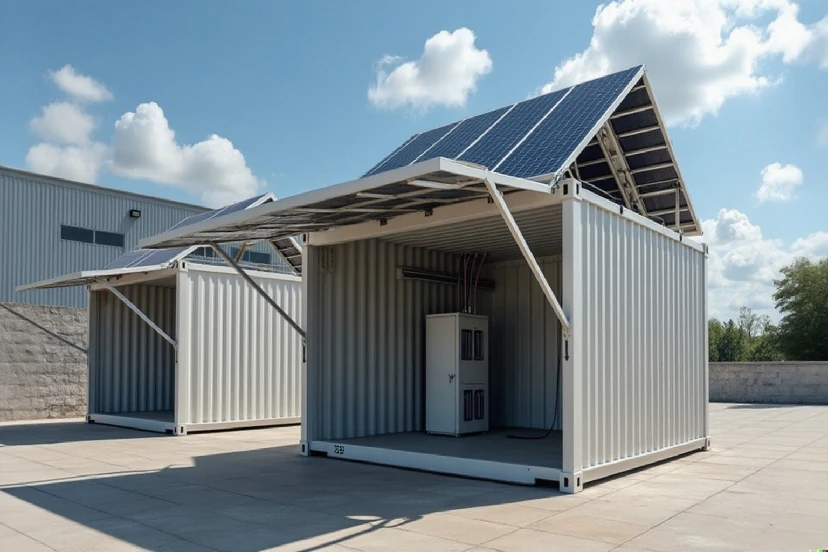
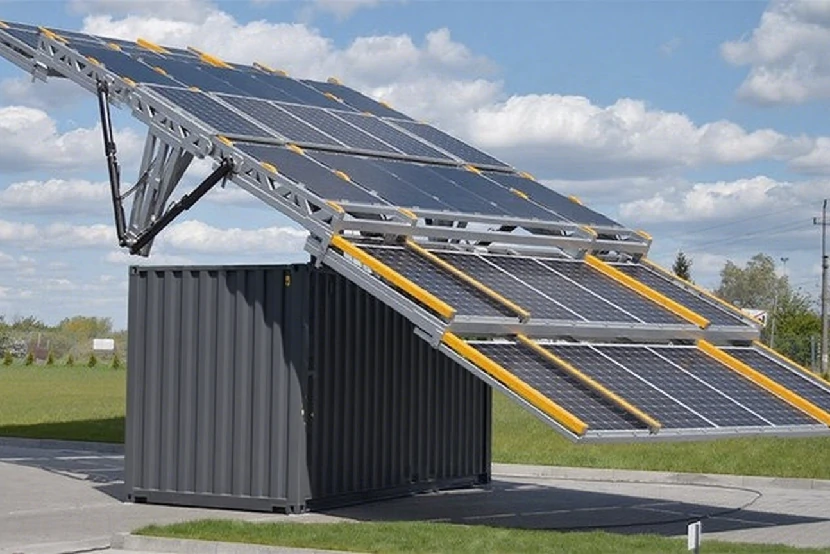
- Foldable solar container– with fold-out photovoltaic arrays for greater generation without additional footprint.
Why does this matter? Because energy isn’t just wires and grids—it’s access. In disaster areas or rural villages, a stable supply of electricity is a building block for recovery and growth.
Why Shipping Container Solar Systems Matter in 2025
The clean energy industry overall is shifting toward decentralized and modular technology. Traditional power grids aren’t necessarily up to the task of handling natural disasters, unexpected spikes in demand, or remote communities’ demands. Solar systems in shipping containers offer:
- Rapid deployment:Configurable in hours, not weeks.
- Scaling:Containers can be stacked or grouped to meet different load demands.
- Resilience:Built to withstand harsh weather, suitable for both typhoon-scarred coastlines and desert villages.
- Flexibility:May be utilized as standalone off-grid power sources or blended with the current grids.
With increased investments in off-grid and distributed energy resources (DERs) technology, containerized solar is becoming a trend on an international scale.
Real-World Applications
Disaster Relief: Power during Time of Urgency
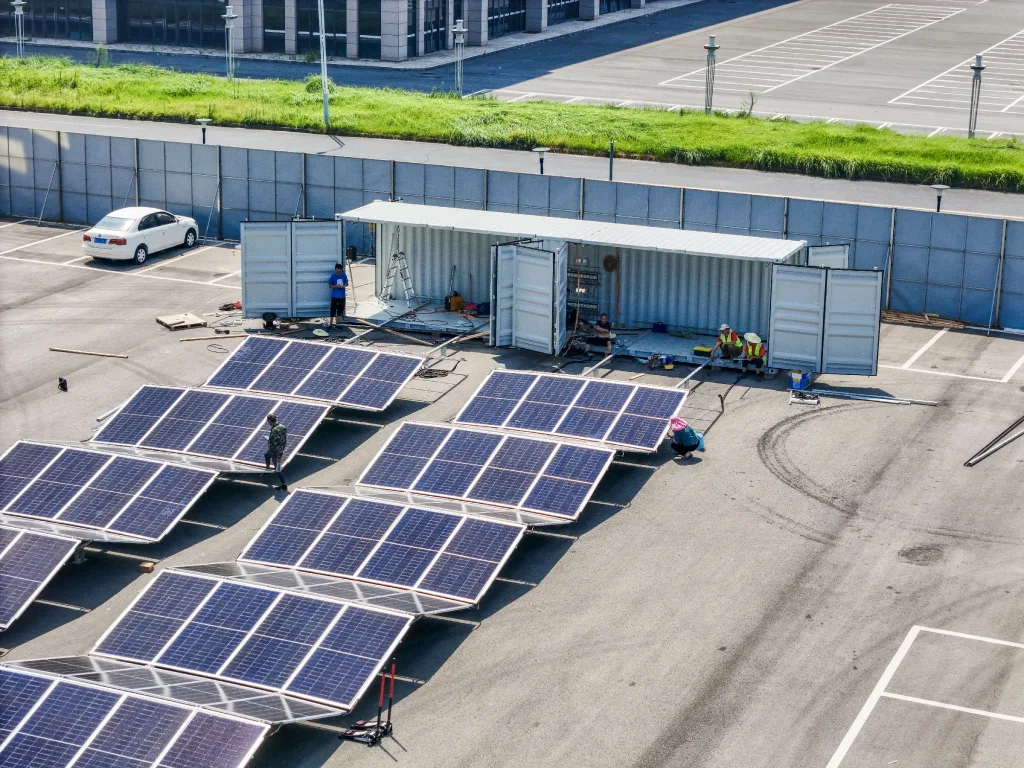
When a hurricane, earthquake, or flood occurs, the grid usually takes the initial hit. Relief organizations require electricity for medical tents, communication centers, and purification systems for water. In these situations, a mobile solar container is indispensible.
For instance, when Hurricane Maria ravaged Puerto Rico in 2017, several organizations demonstrated containerized solar-plus-storage systems to restore vital services to San Juan’s hospitals. In contrast to diesel generators, the systems released zero poisonous fumes and didn’t rely on vulnerable fuel supply lines.
Rural Electrification: Lighting Remote Villages
Millions of Africans and South Asians remain un-electrified. Governments and NGOs are increasingly looking to off-grid solar containers to fill this gap.
Take the example of Kenya’s Makueni County, where solar microgrids in containers have been deployed to power schools, small businesses, and health clinics. The collapsible design allowed for quick deployment and little land use, with on-board battery storage to give electricity after sunset.
It’s not just about turning on light bulbs—it’s about making refrigeration for vaccines, internet access for education, and irrigation pumps for farming a reality.
How Exactly Do These Systems Function?
A typical shipping container solar system includes:
| Component | Function |
| Solar Panels | Converts sunlight into electricity |
| Inverter | Changes DC to AC for appliances |
| Battery Storage | Stores excess power for dark or clouded days |
| Energy Management System (EMS) | Optimizes charging, discharge, and grid interaction |
More advanced units also include hybrid inverters to facilitate integration with wind turbines or backup diesel generators. Others include smart monitoring systems accessible through mobile apps.
This modularity is what makes them so handy—from powering a pop-up COVID testing center to powering a rural telecom base station.
Industry Trends
The containerized solar industry will grow exponentially over the next five years. The demand for mobile and off-grid energy storage globally will exceed 30 GWh per year by 2030, Wood Mackenzie predicts.
Leading trends are:
- Hybridization:Combining solar with batteries and hydrogen fuel cells.
- Foldable modules:Enabling decreased shipping volume but increased deployment area.
- AI-powered EMS:Predictive analysis to optimize energy dispatch.
This raises the important question: are these systems destined to remain niche, or make the mainstream transition in the energy transition? The answer seems clearly to be a resounding no—threats from climate change and dreams of rural electrification mean containerized solar is set for mainstream take-up.
If you’re a community planner or business owner in a remote location, one thought naturally comes up: Are these systems worth the investment compared to traditional diesel generators?
Here’s the short answer: while front-end expenses are higher, long-term economics are highly compelling. Diesel is fueled by unpredictable fuel prices and costly logistics, whereas solar containers use free sunlight. Case studies in India’s state of Bihar showed operational cost savings of up to 40% through substituting diesel with hybrid solar containers for telecommunications towers.
Daily Benefits That Extend Beyond Energy
Sometimes the impact isn’t technological—it’s social. A containerized solar system can:
- Enable local businesses to have longer operating hours.
- Support e-learning by powering digital classrooms.
- Provide clean water through solar-powered water purification.
- Reduce carbon emissions in delicate environments.
In rural Philippines, for example, foldable container solar plants aided fishing villages by powering ice makers, allowing fishermen to store their catch fresher longer and sell them for higher prices at market.
Most are concerned whether containerized solar systems are too complex to operate in remote areas. All but the most sophisticated are plug-and-play—once installed, local mechanics can service them with just a few days’ training.
Some ask if they can survive extreme weather conditions. Because of their steel container architecture and water-proofing, they’re generally more robust than conventional solar farms.
Finally, individuals ask if they will be able to hook up to the grid down the road. And the response is that many newer systems are grid-interactive, or can feed power back into local grids once connections are established.
Contact US