
How A Shipping Container Solar System Revolutionizes Remote Power Availability
Why Remote Communities Need Smarter Energy Solutions
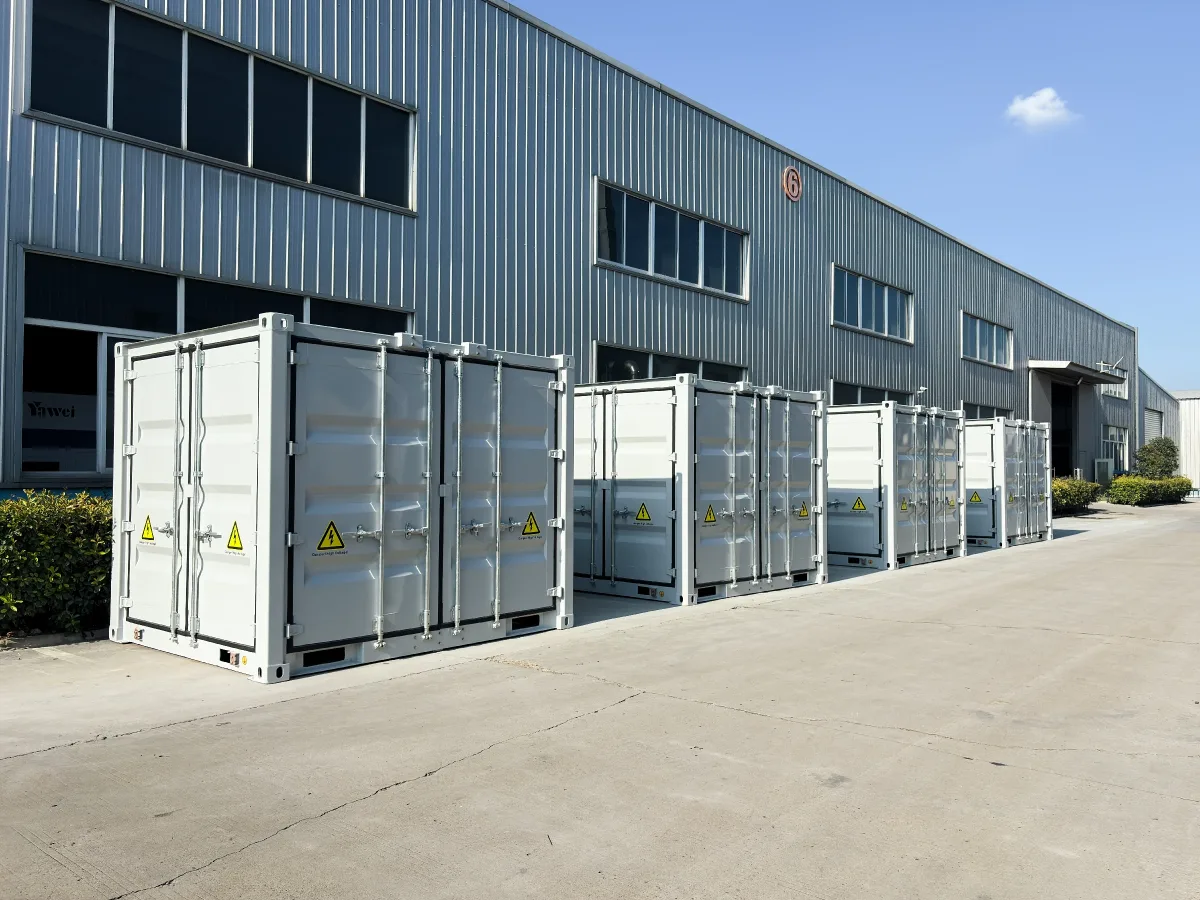
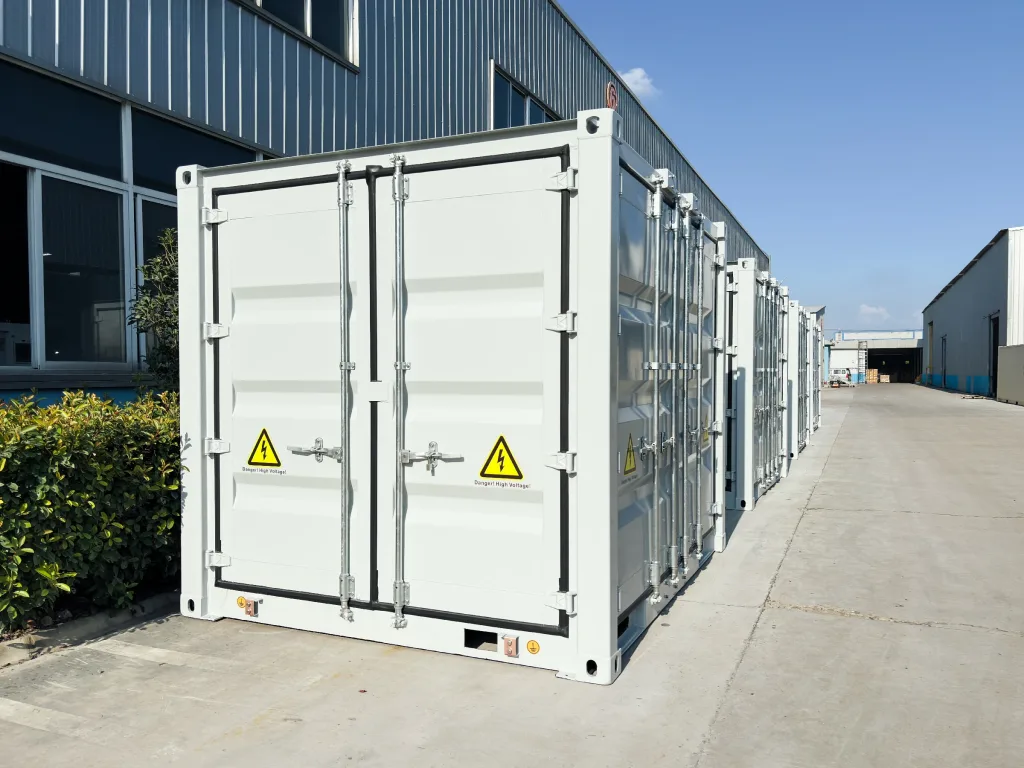
Convenient access to electricity remains one of the biggest off-grid and remote area challenges. Diesel generators, the earliest option, are noisy, polluting, and costly to maintain. Enter the concept of a shipping container solar system. Compact, light, and self-contained, they are revolutionizing the landscape of power supply in rural settlements, disaster response teams, and even mining settlements. And the question on the minds of many decision-makers is: how a shipping container solar system transforms remote access to power compared to traditional installations? The reply is in its flexibility, affordability, and strength.
Deconstructing the Technology
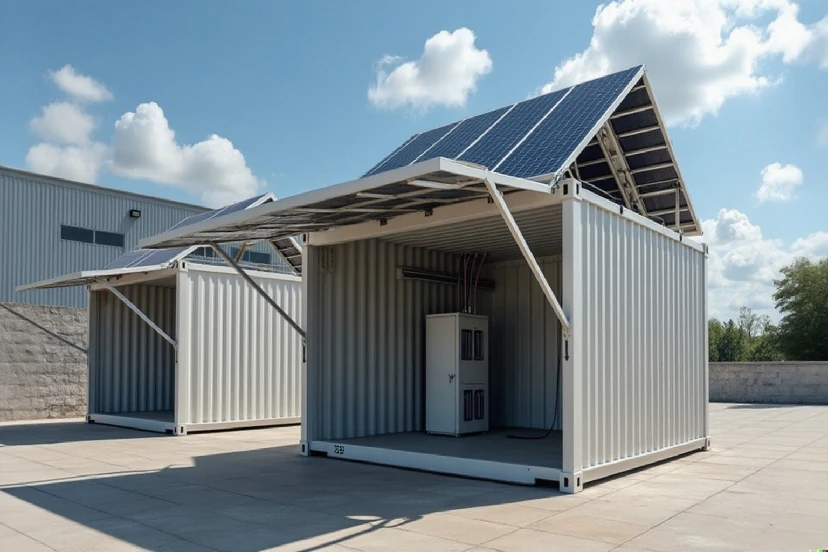
A shipping container solar power plant is what it says it is: a solar power plant packed within a standard shipping container. It typically comprises:
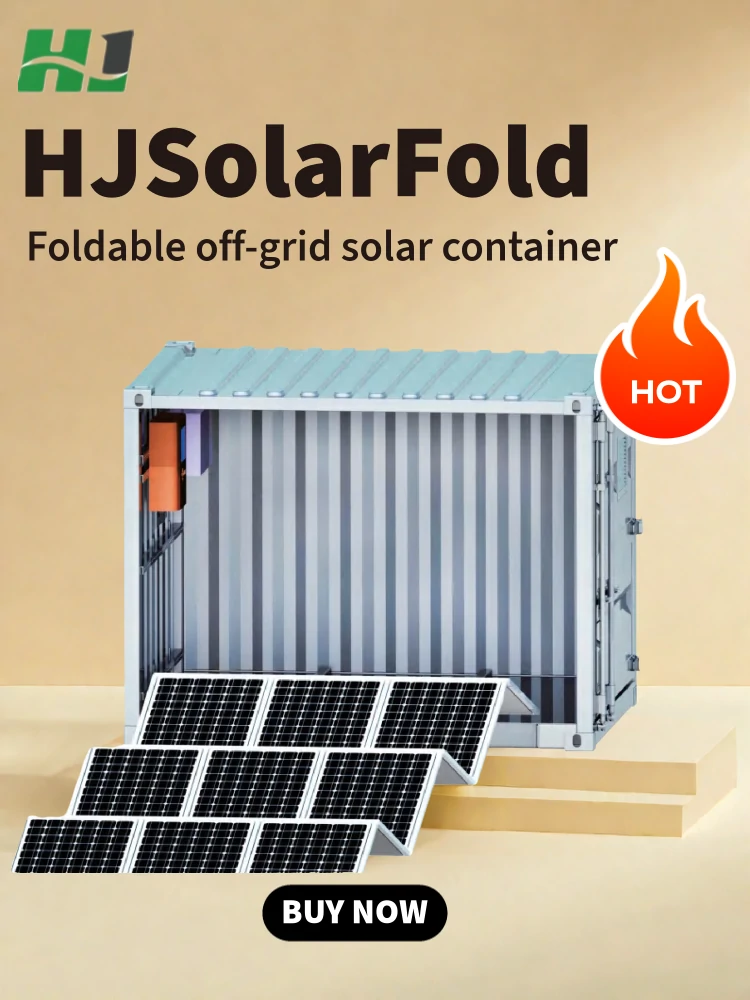
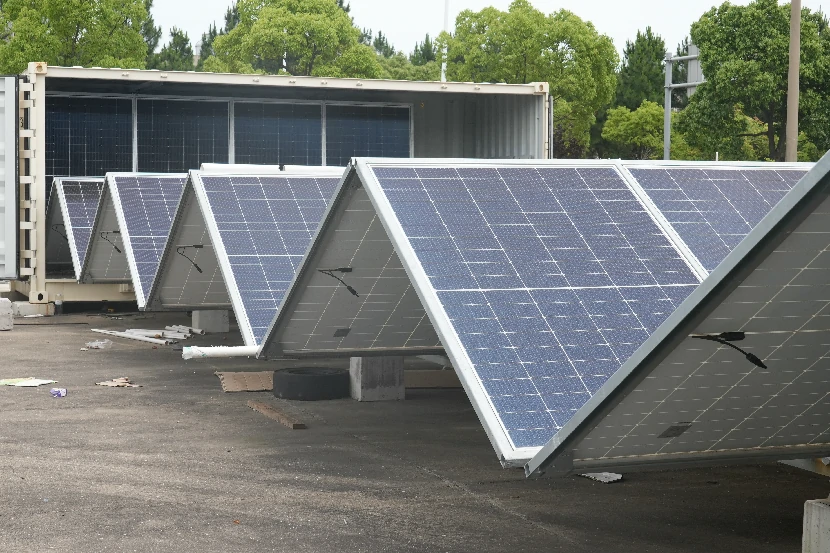
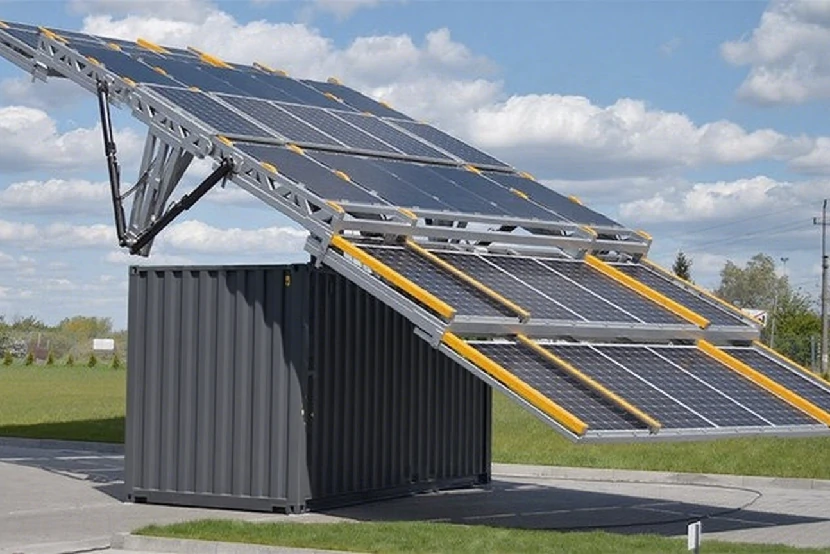
- Solar PV panelsfixed onto fold-out pedestals or rooftops.
- Battery storage units, typically lithium-ion or LFP-based, to provide nighttime power.
- Inverters and charge controllers to control the flow of electricity.
- Plug-and-play designthat allows for installation within a few hours.
Unlike conventional solar farms that require months of civil engineering, these modular units can be trucked in, unfolded, and energized in almost no time.
Why This Model Works in Remote Regions
This is the clincher: portability. A containerized system can be moved anywhere—by truck, by rail, or even by barge—and doesn’t require sophisticated infrastructure on the ground. It starts working as soon as it gets there.
This model is especially tailored for:
- Disaster relief after hurricanes, earthquakes, or floods.
- Off-grid mining and building operations.
- Rural African, South Asian, and South American villages.
But even upon deployment, the greatest advantage is long-term viability. Diesel fuel gets more expensive, while solar and storage prices fall. This equation makes container solar systems increasingly attractive to governments and NGOs.
A Case in Point: Kenya’s Remote Clinics
Take Kenya as an example. In Turkana County, where grid connections are essentially nonexistent, containerized solar systems have lit several rural health clinics since 2023. They provide not only lights but also reliable refrigeration for vaccines. Otherwise, health workers were relying on kerosene lamps and diesel coolers—expensive, dangerous, and unreliable.
The initiative was sponsored by the UNDP and local partners, who calculated that operational costs reduced by nearly 40% compared to generator-based installations. It’s a striking example of how the solar shipping container system transforms off-grid access to power by making essential services like healthcare delivery possible.
Cost Drivers and Market Trends in 2025
Now numbers. The upfront price of a containerized system varies with capacity and size, from $50,000 for small units up to over $500,000 for utility-scale projects. That sounds pricey, sure. But consider the longer-term economics:
- Fuel savings:Costs are lower, and logistics complications are fewer, by avoiding diesel.
- Maintenance:Fewer moving parts mean solar plus storage systems have longer lifetimes with fewer maintenance needs.
- Carbon credits:Firms can bank emissions savings within various models of sustainability.
Another important trend in 2025 is the increasing use of hybrid systems—solar panels coupled with backup generators and advanced EMS (energy management systems). They allow communities to sync intermittent solar supply with backup reliability.
The Role of Energy Storage
Naturally, no containerized solar review would be complete without batteries. New installations typically include lithium iron phosphate (LFP) packs offering a few hundred kWh up to several MWh of capacity. The energy stored offers a power supply for important loads like telecom towers or pumps.
This raises an interesting question: will diesel generators become obsolete in far-flung installations within a few years as storage technology gets progressively cheaper? Most likely not completely—at least not yet. But in areas of high solar exposure, like Australia’s outback or Sub-Saharan Africa, generator utilization is already reducing drastically.
Industry Trends Shaping the Market
Several important innovations are accelerating adoption faster:
- Foldable solar racks projecting beyond the container footprint.
- AI-based EMS software that predicts demand and optimizes charging cycles.
- Modular container units that allow for multiple units to be linked together for larger power needs.
In fact, at the RE+ 2024 conference in Las Vegas, a number of exhibitors exhibited shipping container solar systems for humanitarian missions. The news is out: modularity and mobility are now built-in features of solar solutions tomorrow.
Who Benefits Most from This?
Other than humanitarian or medical applications, a number of industries are quick to adopt containerized solar:
- Telecommunications companies powering cell towers in remote islands or deserts.
- Mining industry seeking cleaner operations in Australia, South Africa, and Canada.
- Military expeditions where field energy independence is crucial.
The impact extends beyond power itself—it also drives social and economic change. In remote Indian villages, for instance, access to reliable electricity allows schools to gain digital classrooms, bridging education gaps.
Practicalities Still Persist
Obviously, it’s not all smooth sailing. Logistics in extreme environments are challenging, and up-front costs are still expensive for small groups. Moreover, tempestuous weather—such as sandstorms or prolonged rain—calls for ruggedized designs. Suppliers are responding by adding IP65-rated enclosures, advanced cooling systems, and even remote monitoring to improve reliability.
A New Paradigm for Remote Power
And so, when you want to know how a shipping container solar system revolutionizes access to remote power, the response is not merely in terms of electricity. It’s about freedom, strength, and possibility. From clinics in Kenya to mines in Australia, these grid-tied, modular systems are rewriting the energy playbook for locations previously deemed too far off the grid.
Contact US