
How many solar panels can fit in a mobile solar container?
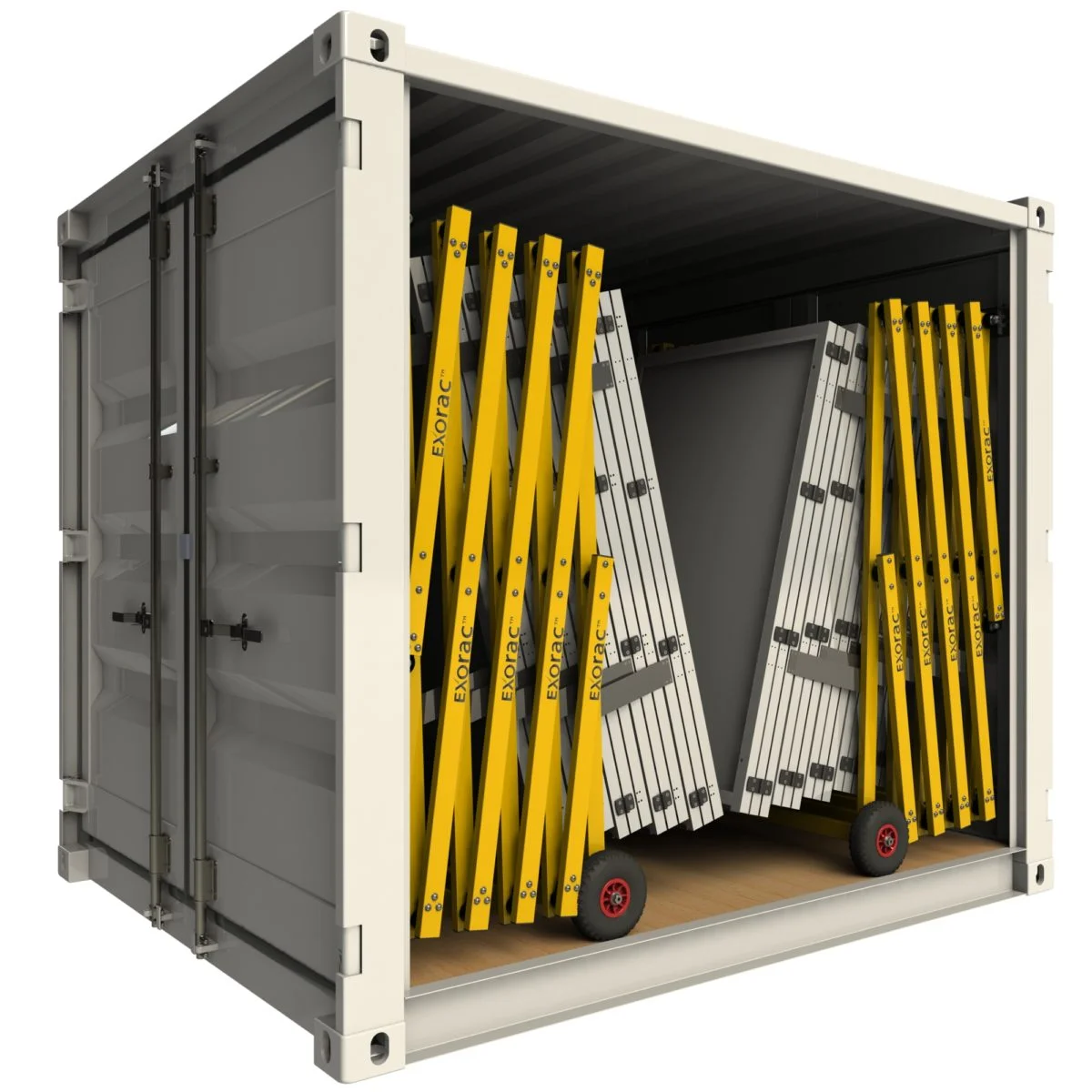
If you’re considering deploying a mobile solar container, perhaps a shipping container solar system, or simply looking to install solar panels for a shipping container structure, you might ask: How many panels can actually go into a 20-foot container setup, and what influences that number?
Getting a realistic estimate matters because the number of panels affects energy output, container layout, mounting strategy, cost, and logistics. Let’s walk through estimates, influencing factors, real-world cases, and practical guidelines to help you design intelligently.
What We Mean by Terms
| Term | Explanation |
| Mobile solar container | A portable unit built around a shipping container-commonly 20ft-that contains solar equipment or mounts solar panels that can be moved or deployed quickly. |
| Shipping container solar system | A solar power system designed for or built into a standard shipping container format including panels, inverters, storage or simply as a deployment platform. |
| Solar panels for shipping container | Specifically the solar modules mounted on or stored in a container-based solar system — essentially the “panel count” element in the container design |
Typical Panel Count for a 20ft Container
A 20-foot container typically holds about 200 to 300 solar panels when used for palletized shipping of panels.
Why so broad? It’s because actual usable mounting area-whether roof or side-panel size (60-cell, 72-cell, 600 W, 670 W+), tilt, and spacing-all vary a lot.
For a container-based solar system, if you will be mounting these panels on, say, a 20ft container, rather than shipping packed panels, the number will be lower due to roof area and structural constraints.
Key Influencing Factors
- Panel size and wattage: Greater sized panels, such as 670 W, 96-cell, take more space.
- Container roof area and usable surface: Some of the 20ft container top is taken by structural ribs, HVAC or unusable space.
- Tilt, clearance and wind load: Panels require some spacing, tilt angle and may need wind bracing if on container roof.
- Packaging versus installation: The 200-300 figure is for packaged shipping; actual mounted count may be lower for installed container systems.
- Mounting method and structural strength: The container for mobile solar deployment is designed with a strengthened roof and special mounting racks.
Real-World Case Studies
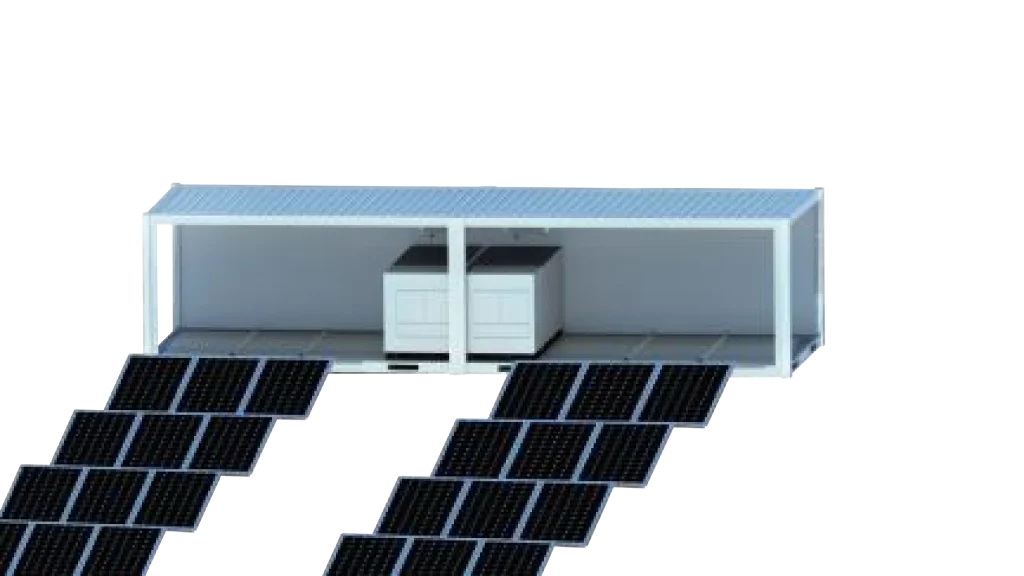
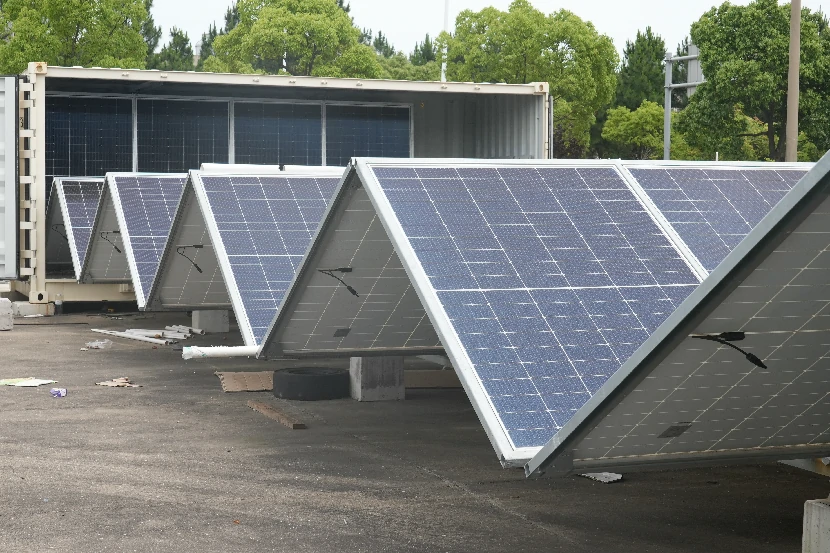
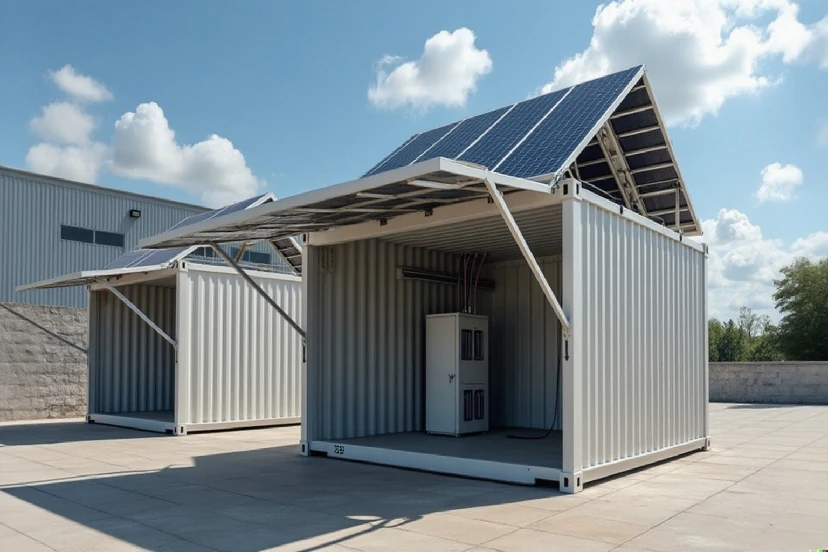
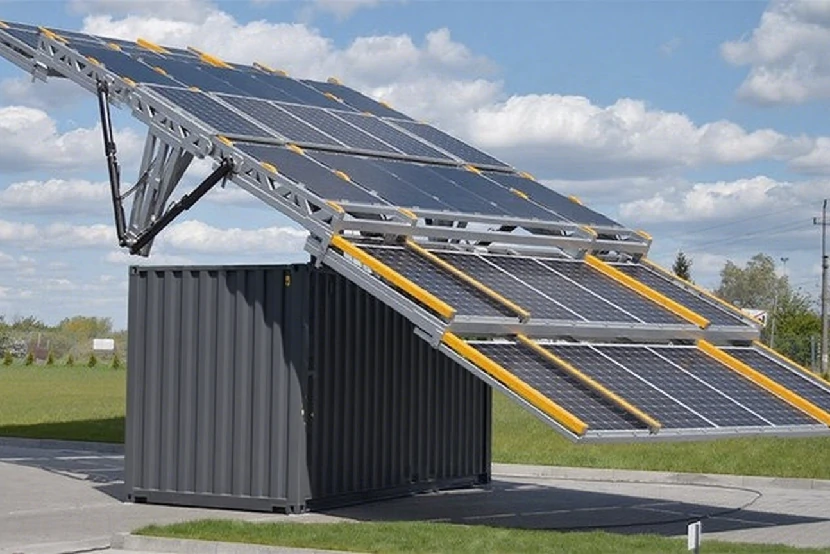
Case A (2024, Mobile PV Container, Europe): A fully deployed 20ft mobile solar container launched by a European manufacturer claimed ~240 panels when fully expanded in a fold-out configuration. This gives an example of optimized utilization of the container structure.
Case B (2023, Off-Grid Container, Australia): A remote off-grid site utilized a 20ft container as part of a mobile solar system. While the panel count was not publicly quoted, the mounting strategy and spacing required due to wind and tilt reduced theoretical panel maximum by ~25%. Installation forum estimates
These real-world examples illustrate the fact that the actual count can materially vary from “ideal” shipping-crate numbers.
How to Estimate for Your Project
Here’s a step-by-step method:
1.Measure usable area: A ‘standard’ container 20ft (approx 20ft × 8ft roughly 6.1m × 2.44m) has a roof area of ~15 m², but after allowing for obstructions the usable area might be 12-14 m².
2.Choose your panel size: Assume 600 W panel of ~2 m × 1 m area (~2 m² each). In theory you might fit 6 to 7 across the container’s length x width depending on layout.
3.Allow spacing & mounting clearance: Add 10-20% extra area for racks, wiring, tilt, access.
4.Calculate panel count: If usable area = 12 m2, and each panel = 2 m2, the theoretical maximum ~6 panels. But with spacing, tilt, structural constraints, you may budget 4 to 5 panels.
5.Scale if multi-surface or fold-out: Several container-mounted solar systems utilize additional side panels or fold-out frames around the container to increase count significantly.
6.Review structural and mounting requirements: The container must support the weight and wind loads of the panels and mounting system.
7.Panel wattage is a factor: It’s not all about the count of panels; 6 large 670 W panels produce ~4.02 kW, whereas 12 smaller 330 W panels will produce ~3.96 kW. Thus, layout and panel type affect energy output as much as count.
User Questions You Might Have
“Can I fit 20 panels on a 20ft container roof?”
Possibly-but only if panels are small, layout is tight, roof structure reinforced and tilt minimal. Otherwise risk of overloading or shading.
“What happens if I mount panels on the sides of the container too?”
That extends area and count but side mounting introduces shading, tilt restrictions, and weather exposure issues.
“If I go with large high-wattage panels, say 670 W, would I just need fewer panels to achieve the same output?”
Yes, fewer larger panels reduce count but may cost more and require stronger mounting and higher panel spacing. But that may be efficient in container usage.
Insight From Working With Container Solar Systems
In my practice, what I find very often is overestimation by clients of how many panels can fit into a 20ft container when converting it into a solar system. I always advise: start with realistic surface area, then select panel size and layout. A high-quality mobile solar container may use additional mounting frames, fold-out panels, or optimized rack systems to increase count beyond roof only-this is the key in “mobile solar container” designs.
Also: panel count isn’t everything. Focus on system design—tilt, orientation, panel efficiency, wiring losses, maintenance access. If you cram 12 panels in a container but they shade each other or produce heat hotspots, the output may be worse than 6 well-laid panels.
Finally, logistics matter. Using a container means you get mobility and modularity—but you also face constraints: roof height/tilt, transport load, structural reinforcement, wind load, and local regulations.
If you’re planning or evaluating your own mobile solar container project, it’s best to start by understanding how to balance space, efficiency, and power output. Smart design and quality components make all the difference in maximizing performance.
If you’re interested, you can explore our solutions to learn more about container-based solar system designs and real-world applications.
Contact US