
How Much Electricity Can a Solar Container Generate Per Day?
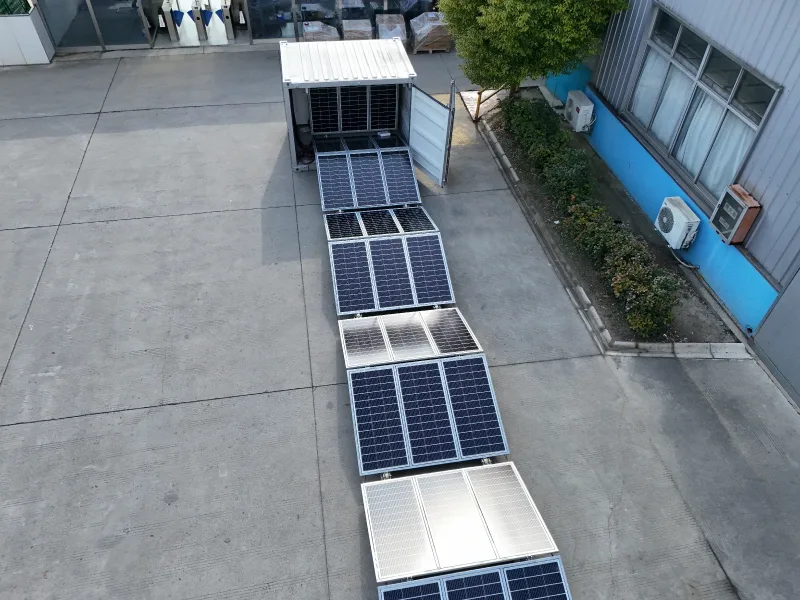
With widespread adoption of renewable energy, solar containers, or containerized solar systems, are becoming a global solution for off-grid electricity supply. They integrate photovoltaic (PV) modules, batteries, and inverters into a transportable shipping container with the benefit of fast deployment and modularity.
A common question: how much electricity can a solar container generate in a day? The answer depends on several key factors: PV capacity, local solar irradiance, system efficiency, and storage configuration. For the purpose of estimation, global averages typically assume 4–5 peak sun hours per day, but this can be different in each location.
Small Solar Containers (8ft–10ft)
Small solar containers, typically 15–30 kWp of PV capacity and 20–40 kWh storage capacity, will generate approximately 70–140 kWh of electricity in a day during regular conditions (4.5 sun hours).
These are normally deployed in applications for:
- Remote telecom towers
- Small healthcare stations
- Temporary construction camps
For instance, a mobile health clinic covering rural Tanzania can supply the minimum loads such as refrigeration and lighting through a 10ft containerized solar system.
Medium Solar Containers (20ft)
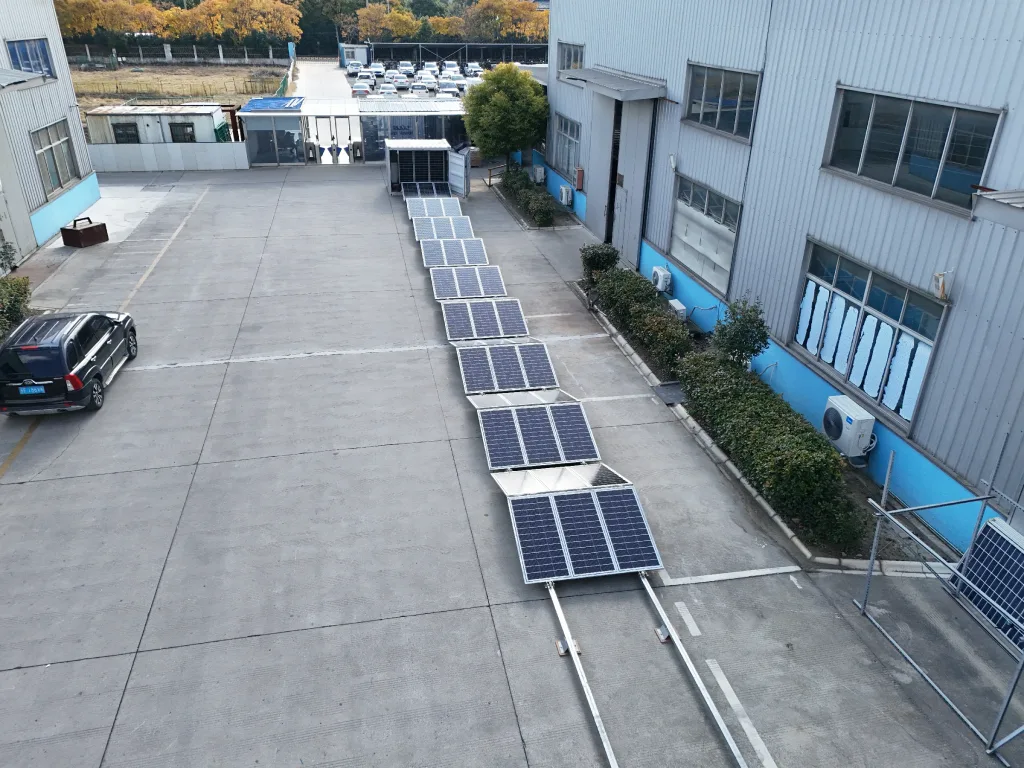
Mid-sized solar containers typically have 60–75 kWp of solar panels and 200–250 kWh of storage. They can generate about 270–340 kWh per day on average under typical solar irradiation.
They suit best:
- Agricultural irrigation systems
- Eco-lodges or island resorts
- Small-scale community electrification
Does making the container size larger always mean more usable energy? Not necessarily. The PV capacity to storage ratio is crucial. Excess solar output will be wasted without ample batteries, but with oversized storage, it will not be utilized.
Large Solar Containers (40ft)
The largest containerized systems available in the market today can hold 140–150 kWp of photovoltaic panels and 215–430 kWh of battery storage. These arrangements can generate 600–700 kWh of electricity per day and therefore are well-suited for high-load applications.
Typical applications are:
- Remote site mining activities
- Emergency relief power distribution facilities
- Rural microgrids for small business and rural schools
A case in Puerto Rico after Hurricane Maria demonstrated the contribution of containerized solar solution to the restoration of mission-critical power for emergency services where conventional infrastructure was unavailable.
Key Factors Affecting Day-Ahead Generation
Although the rated PV capacity is a reference point, day-ahead generation varies because
- Geographical Location:For example, the same container in Dubai will produce 30–40% more electricity than Northern Europe due to higher solar insolation.
- Seasonal Variation:Output is considerably less in winter compared to summer in temperate climates.
- System Losses:Dusting, shading, and inverter inefficiencies have a tendency to lead to 10–15% energy loss.
Applications and Industry Trends
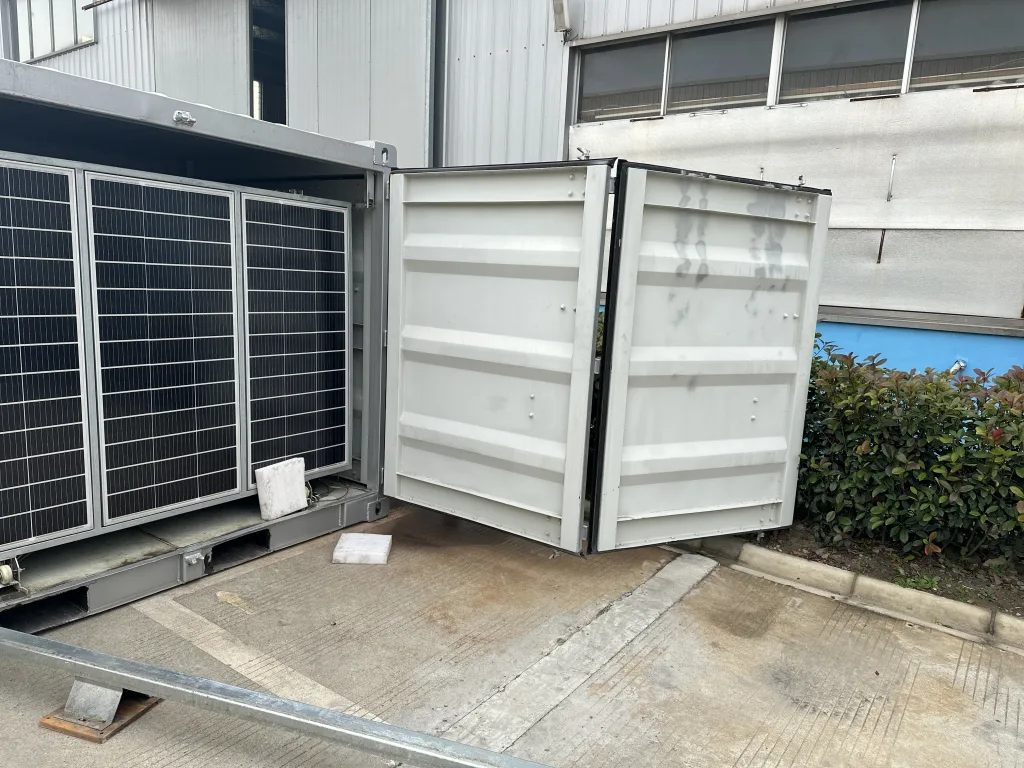
Solar containers become more popular due to modularity and mobility. Some industry trends at present are:
- Hybrid Solar Containers:Combination with PV and backup wind or diesel power for reliability.
- Advanced Battery Technology:Investment in Lithium Iron Phosphate (LiFePO₄) batteries with improved lifetimes.
- Microgrid Integration:Arrangement of a series of several containers to form scalable microgrids.
- Rapid Deployment:Perfect for humanitarian deployments, refugee camps, and military bases.
From small 8ft units supplying local clinics to massive 40ft sizes supplying entire communities, solar containers show how container-based energy infrastructure is revolutionizing the future of decentralized power.
Contact US