
How Much to Ship Solar Panels in a Shipping Container?
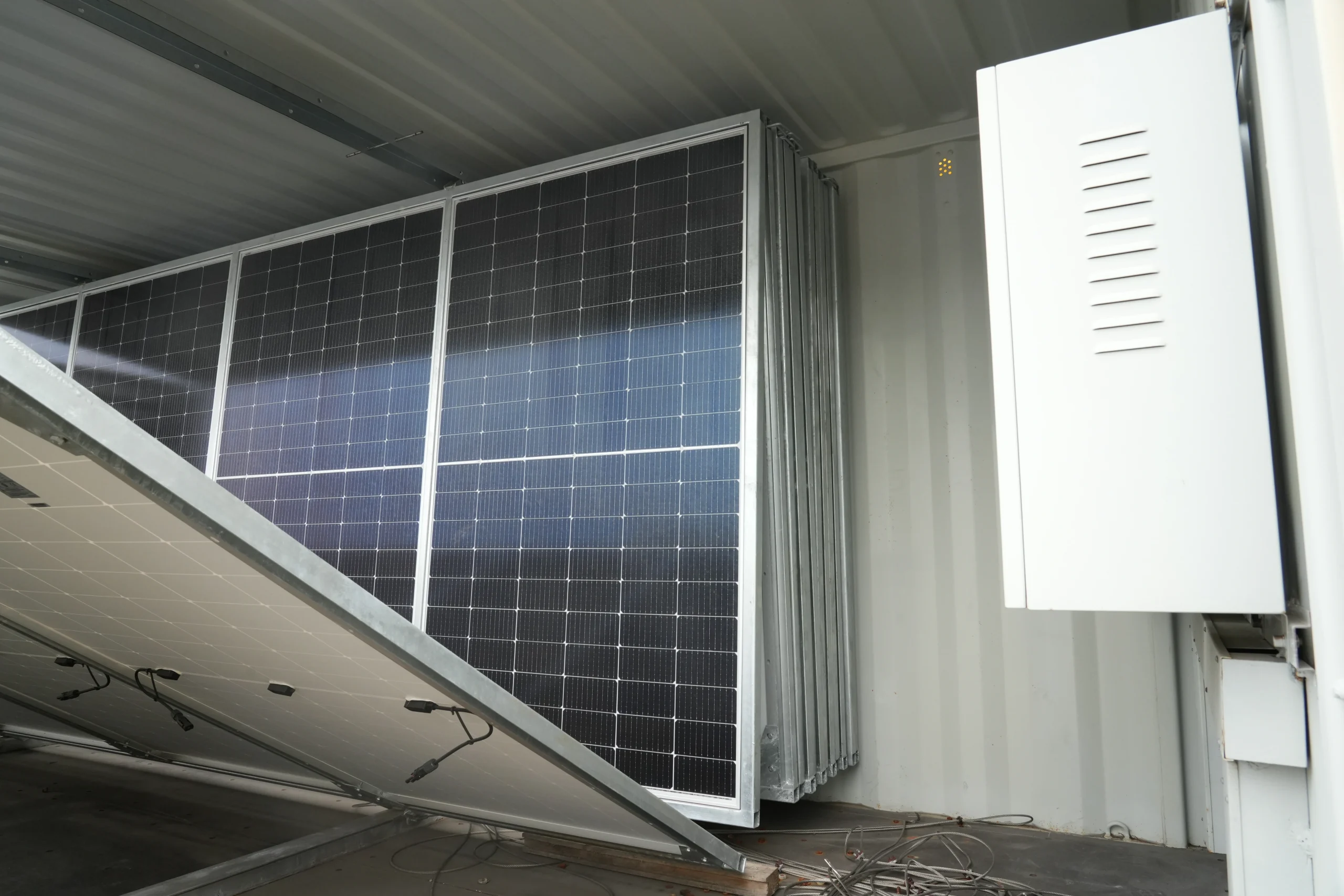
International shipping of solar panels often appears to be easy enough. Load the modules in a container, book vessel, and wait for arrival. To be sure, the price of transporting a container filled with solar panels is influenced by a combination of freight rates, fuel costs, port congestion, container type, insurance, and timing. If you are shopping for solar container project or comparing suppliers across regions, these variables are more important than a single “average price.”
Early on the planning process, most buyers learn that the cost to ship a container with solar panels can be very different from one quarter to the next. This article covers what is driving those costs, what price ranges are realistic, and how to estimate your own numbers with less surprises.
What factors influence the shipping cost of solar panels?
That shipping price is not a flat fee. It’s the layer of several costs, some expected, some volatile.
Container type and load configuration
Solar panels are typically shipped in 20-foot or 40-foot dry containers. When it comes to height restriction in the packing, can use the high-cube containers. Because solar panels are relatively lightweight but fragile, stacking density is limited. Instead, containers tend to “cube out” before they weight out.
The number of panels in a 40-ft container is usually from 400 to 800 depending on the size of the panels, the way they are packaged and whether there is any additional mounting or inverter equipment. Fewer panels per container increase the per-watt cost of shipping, even if the headline freight rate seems attractive.
Distance, route, and port pair
Ship routes matter. A container from East Asia to the U.S. West Coast is generally less expensive than one destined for inland Europe or for the interior of continents. Transshipment, canal fees, and port congestion all add friction.
The UNCTAD’s publication Review of Maritime Transport 2024 explains that container freight rates are strongly influenced by global trade imbalances, port capacity constraints, and disruptions along major routes. This helps explain why the same shipping container with solar panels can cost twice as much in one year compared to another, even with identical cargo.
Freight market conditions and timing
Spot rates and contract rates behave differently. Spot rates fluctuate weekly and sometimes daily, while long-term contracts smooth volatility but may lag behind market drops.
The study titled Shipping Costs and Inflation, published by the International Monetary Fund, shows that changes in global shipping costs can persist and feed into overall import prices over time. For solar panels, this means a temporary spike in freight rates can still affect landed costs months later.
Insurance, handling, and compliance
Solarpanels must be handled with care. Marine insurance rates increase with congestion on the route or claims experience. Also, the custom clearance, port handling fees, documents, inspection for compliance may add up to several hundreds or even thousands dollars per container, according to the rules of the destination country.
Typical cost ranges for a shipping container with solar panels
It is dangerous to give a single figure, but ranges are useful for setting expectations. The following table gives an overview of the typical costs of ocean freight for a full container load (FCL), not including inland transportation and duties.
| Route | 20-ft Container | 40-ft Container |
| East Asia → U.S. West Coast | USD 1,500 – 3,500 | USD 2,500 – 6,000 |
| East Asia → Europe | USD 2,000 – 4,500 | USD 3,500 – 7,500 |
| East Asia → Africa | USD 2,500 – 5,500 | USD 4,000 – 9,000 |
These figures represent normal market conditions rather than conditions of extreme disruption. During congestions or geopolitics shocks, rates may go well beyond these ranges.
How shipping costs affect per-Watt solar pricing
Focusing just on container shipping costs can be deceiving. Solar purchasers generally want to know the cost per watt.
For instance, let’s say a 40-foot container holds 700 panels, each rated at 550 W. That’s about 385 kW of capacity.
- At USD 4,000 freight cost, shipping adds about USD 0.010 per watt.
- At USD 8,000 freight cost, shipping doubles to USD 0.021 per watt.
Yes, that difference seems small, but with multi-megawatt projects it adds up. Freight volatility alone, when margins are thin, can wipe out anticipated savings from a decrease in panel prices.
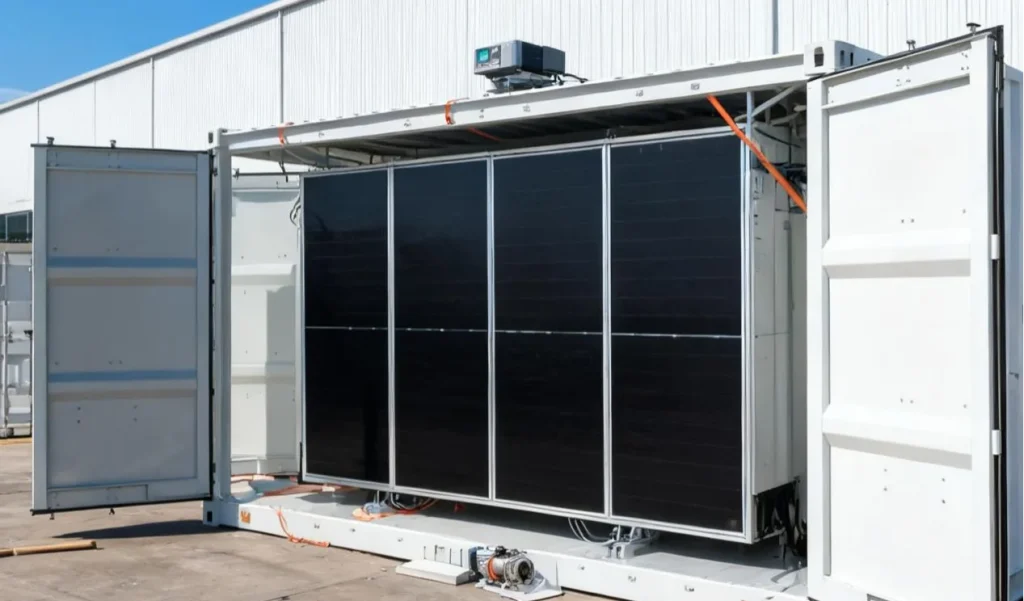
Solar container projects and integrated systems
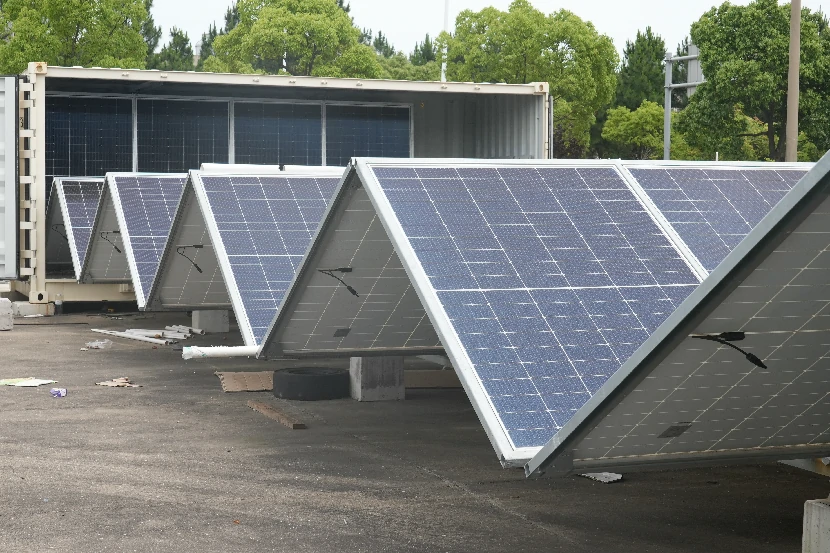
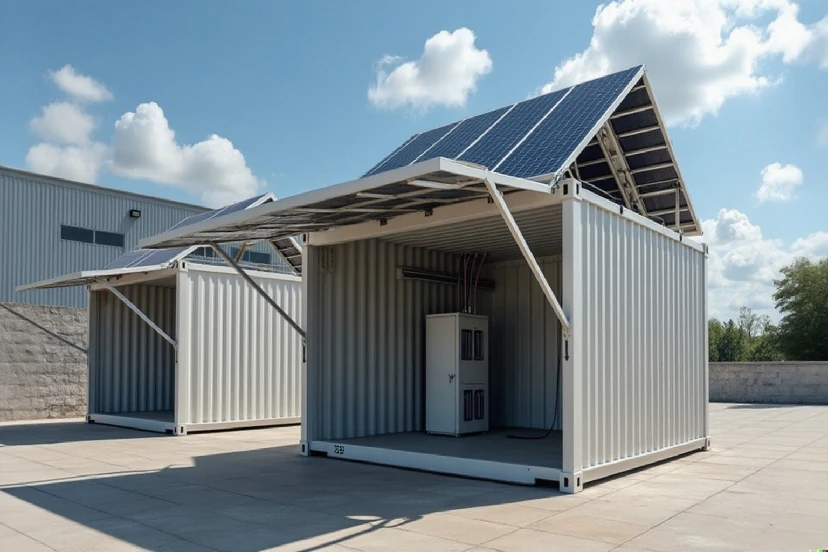
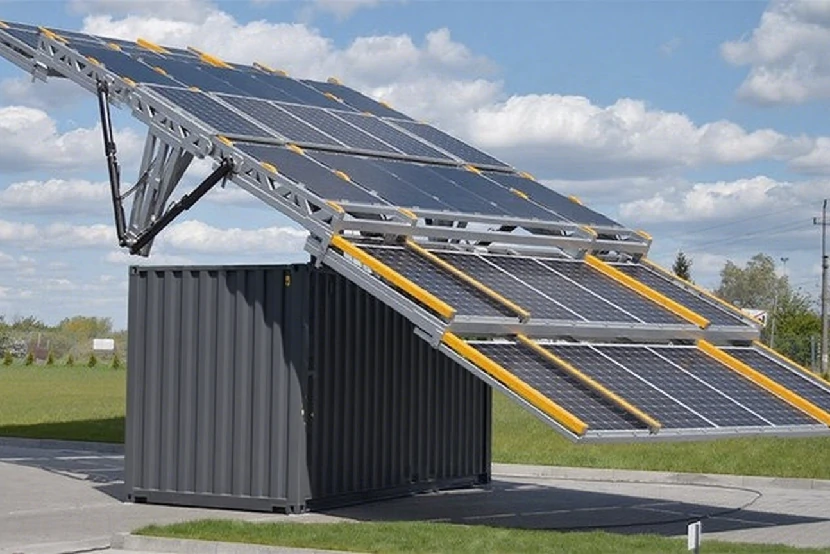
Solar container is containerized solar-plus-storage systems as opposed to just containers utilized for transport. These preassembled units are shipped as systems, often with panels, inverters, batteries and wiring.
From a logistics perspective, this changes the equation:
- Fewer containers, but higher value per container.
- higher insurance
- More difficult customs classification.
A solar container system delivery: It does cost you more per container to ship a solar container system, but it costs you less per installed kilowatt, because you’ve reduced on-site labor and integration costs.
Example: with two shipping methods compare
A medium-size developer is bringing in 5 MW of solar panels from East Asia to Southern Europe.
Option A: Spot market from panel-only containers
- 13 x 40-ft containers
- Typical freight charge: USD 6,500 per container
- Total ocean freight: USD 84,500
- Shipping Cost Per Watt: ~USD0.017
Option B: Contract rate, bundled shipments
- 13 x 40-ft containers
- Locked-in freight cost USD 4,800 per container
- Total ocean freight: USD 62,400
- Per-watt shipping cost: ~USD 0.012
The second option involved earlier commitment and volume guarantees, but it cut freight cost by more than 25 percent. That made a difference for the developer, said Kirkpatrick, because it paid for all the extra insurance and still made the overall project economics better.
Hidden charges buyers frequently neglect
Even seasoned importers are unaware of certain cost elements.
Demurrage and detention
Such containers are then penalized daily. Congested ports are increasing this risk, now add in that customs getting hung up.
Inland transport variability is nothing new.
Ocean freight is only one part of the journey. Trucking or rail from port to site can rival the sea leg cost for those remote solar farms.
Trade-offs in packaging
Better packaging reduces breakage but increases volume. More volume means fewer panels per container which increases the per panel shipping cost.
Practical steps to estimate your own shipping cost
Rather than relying on generic averages, take a methodical approach.
First make a clear-cut definition of your container usage. Know how many panels fit securely in each container, and whether or not accessories are provided.
Second, obtain quotes for both spot and contract. Contract quotes, even if you are going to use spot rates, will give you something to compare with.
Third, model at least two possible timeframes. A one-month delay can coexist with an entirely different freight market.
Finally, stress-test your budget. Use high-case assumption on freight cost to find out if your project is financially viable.
Final thoughts: planning beats prediction
To try to predict exact shipping costs months in advance is almost never successful. The worldwide container market is too dynamic. What works better is to plan with ranges, know your cost drivers, and embed flexibility in your purchasing decisions.
If you are shipping a container full of solar panels for a one-time project, conservative assumptions minimize unwelcome surprises. If you are changing volume regularly, spending some time on freight strategy can net you savings that rival your equipment discounts. In each instance, a well-informed plan allows you to transform shipping from a risk into a manageable variable, instead of a last minute jolt.

Contact US