
How to Choose the Right Mobile Solar Container
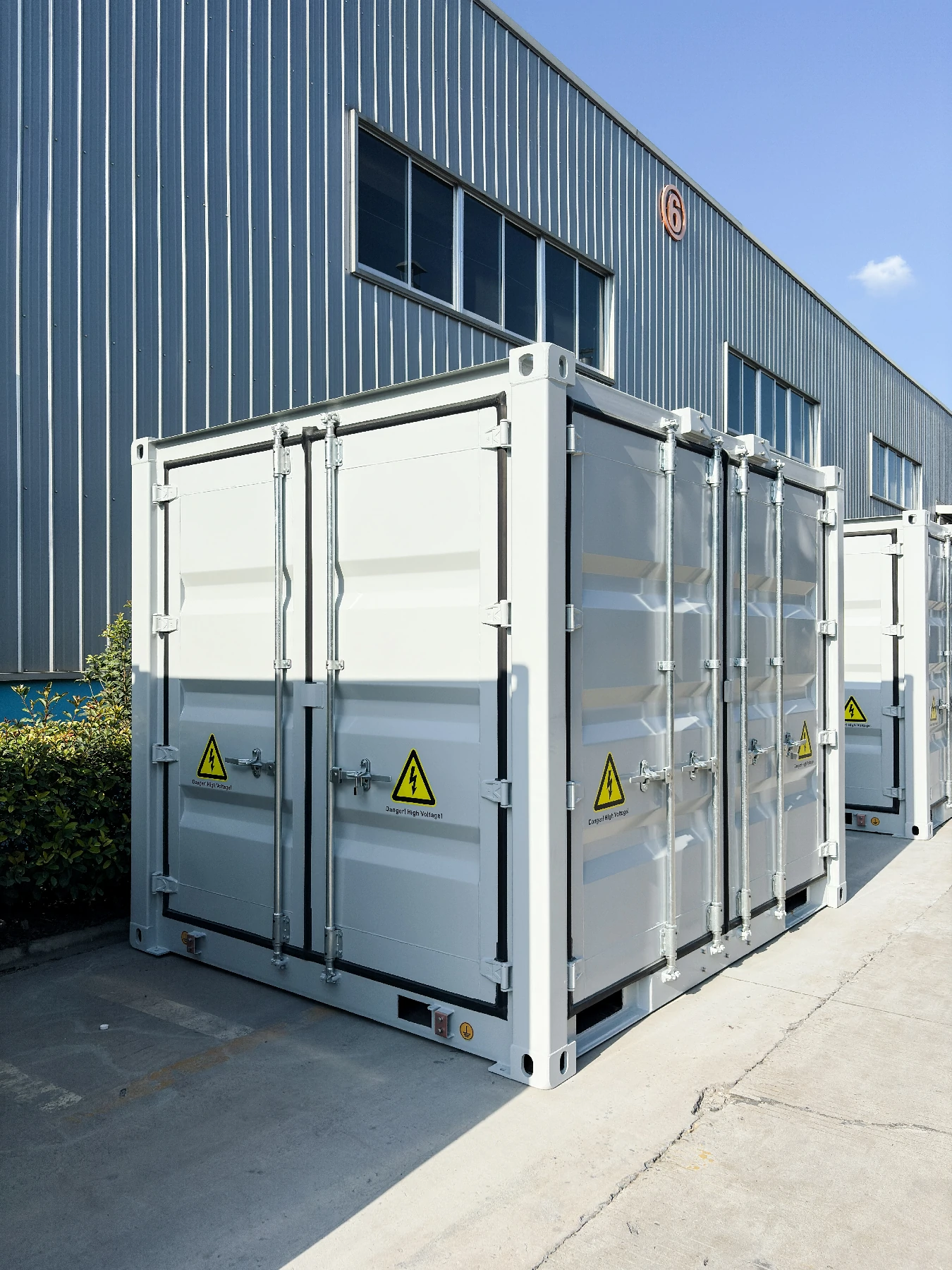
Choosing the right mobile solar container is a decision that technically impacts energy reliability, operating costs, and long-term performance. A mobile solar container is a device that combines solar panels, batteries, inverters, and control systems in a portable enclosure, usually a shipping container-based solar system. These units are adaptable for use at construction sites, off-grid locations, rescue operations, farming, and temporary industrial works.
Since the specs usually look the same, the secret of the best unit is in knowing how the system will endure the actual working conditions.
What Does a Mobile Solar Container Actually Mean?
One should not merely picture a mobile solar container as a container with panels on it, but as a power plant that is self-sufficient. Every part that is inside the container has to be on the same wavelength to energetically balance production, storage, and consumption within the limited space.
Academic research published in the peer reviewed journal Sustainability analyzes the performance of a solar powered multi purpose supply container and shows that overall system effectiveness depends largely on how well generation and load demand are matched over time rather than on peak solar capacity alone. This finding is critical when assessing mobile solar container designs because it highlights the importance of system integration rather than headline specifications.
Identify the Use Case in the Real World Environment
Operational scenario should be defined even before making any systems comparison. Some of the most important questions are:
- Will the container operate continuously or intermittently?
- Are loads stable or highly variable?
- Is night time operation essential?
- Will the container be relocated frequently?
Honest answers stop from both over-sizing that leads to higher costs and under-sizing that causes power interruptions.
Determine Energy Demand for Mobile Solar Container
Maybe one of the most significant errors in the implementation of a mobile solar container is the selection of the container based on the wattage of the installed panel. The capacity of the panel alone is definitely not the measure of how much usable energy the system can deliver.
Calculate energy consumption on a daily basis
Firstly, record all electrical loads, which include lighting, communication equipment, tools, pumps, computers, refrigeration, and control systems; then convert these loads into daily energy consumption in kilowatt-hours.
The research into containerized solar systems has revealed that systems which are designed around actual demand profiles are more reliable than those that are sized based on assumed or peak values. If demand is underestimated, batteries will be deeply and frequently cycled, which shortens their lifespan and increases system downtime.
Allow for Efficiency Losses
Energy losses are due to
- Conversion of DC to AC
- Battery charging/discharging
- Temperature-related efficiency reduction
An efficiently designed containerized solar system has enough margin to allow for these losses without compromising its autonomy or reliability.
Evaluate Battery Storage and Autonomy
The battery storage part usually turns out to be the most crucial one of a mobile solar container as it shows whether power can continue to be available during periods of low sun.
Determine Required Autonomy
Autonomy is the length of time a system can operate without solar input. For the majority of off-grid or mobile applications, two to three days of autonomy is a reasonable minimum. Places with unpredictable weather or mission-critical loads might need more.
The reason for this is low battery capacity which brings about frequent shutdowns even if solar generation seems sufficient on paper.
Control the Thermal and Battery Protection
Batteries are put in a totally sealed metal container where temperature can rise significantly. Various government research institutions point out that thermal management is very important for containerized energy systems with regard to safety and long-term performance.
Research projects from Japan’s National Institute of Advanced Industrial Science and Technology indicate that the incorporation of an environmental control system may be a crucial issue for photovoltaic-based energy systems used in confined or severe condition areas.
Make sure when you evaluate a mobile solar container that
Battery compartments have good air exchange or are thermally separated
The components that produce the heat are removed from the storage.
Protective systems handle the situations of abnormal temperature
Evaluate Container Features and Internal Configuration
It means that the container is a dynamic factor in the system design rather than just an inactive shell.
Accessibility and Maintenance
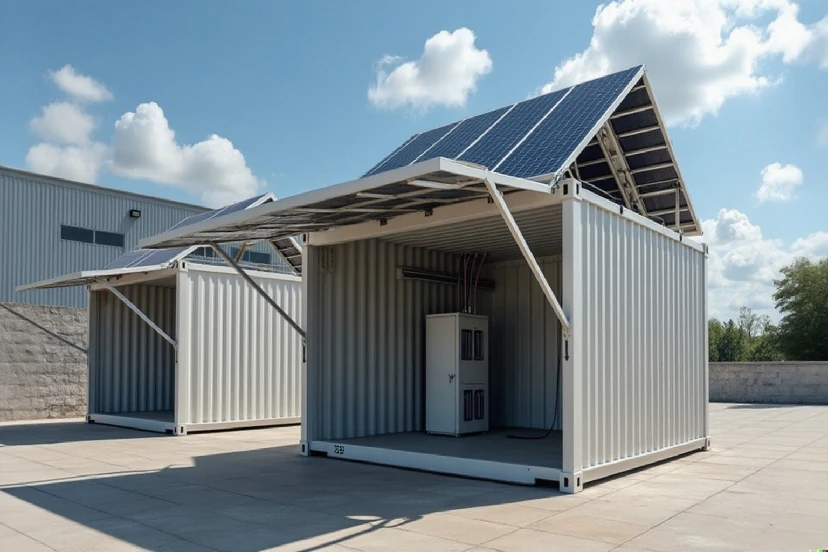
A nicely planned mobile solar container would enable technicians to gain safe access to batteries, inverters, and control systems without the need for a complete system shutdown. A bad layout speeds up maintenance time and increases the chances of making operational mistakes, particularly during field deployments.
Academic studies of containerized solar systems point out that internal organization has a direct effect on the issues of system reliability and serviceability throughout the system lifespan. The design ought to provide for safety clearance, cable management, and the distinct separation of functional zones.
Mobility and Deployment Considerations
The mobility capabilities of the system determine how fast it can be put into operation and moved to another location again. Some of the factors that matter are
Compatibility with common shipping and lifting gear
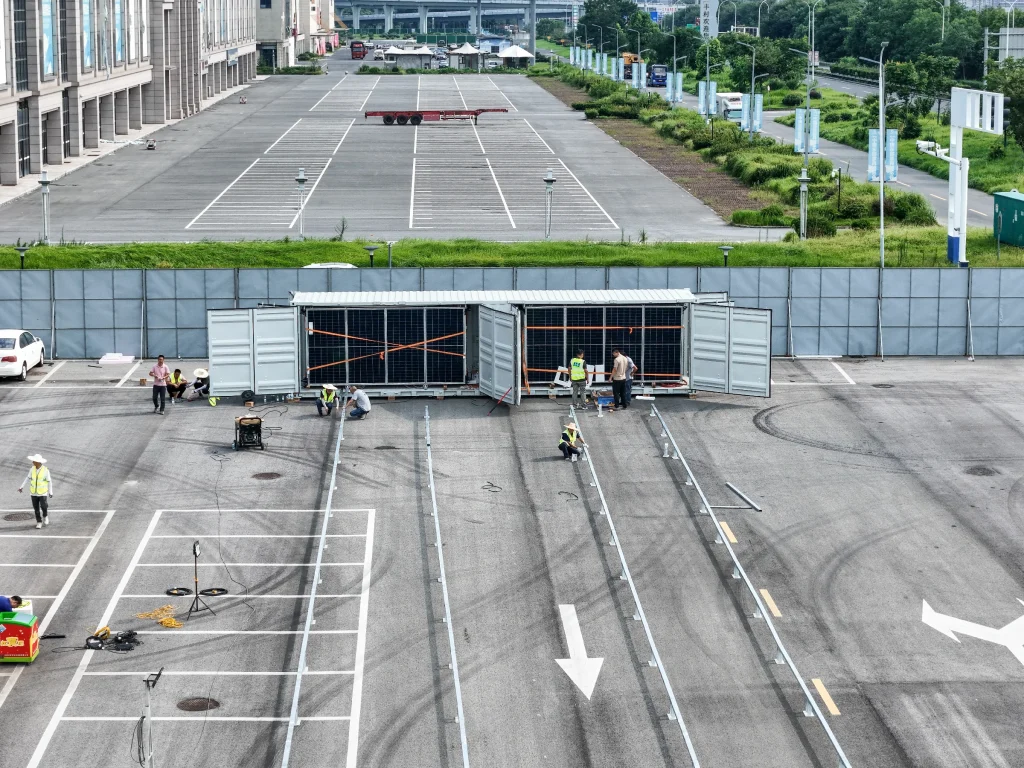
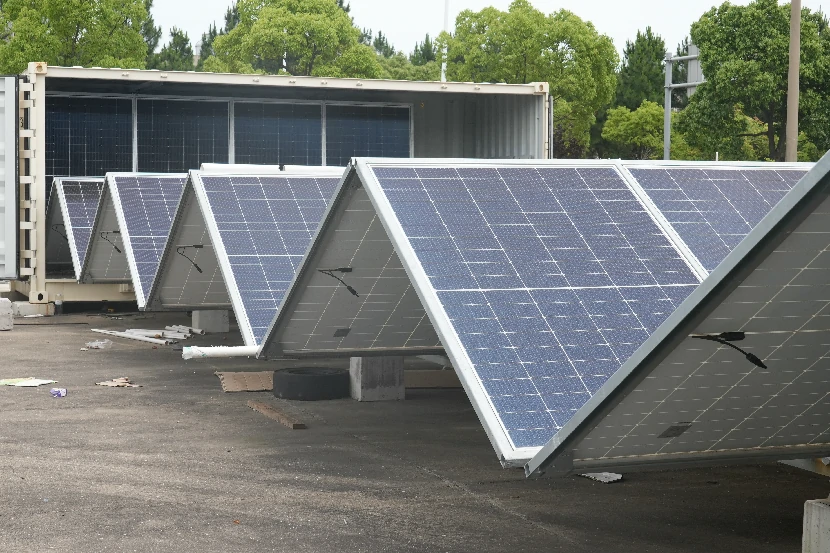
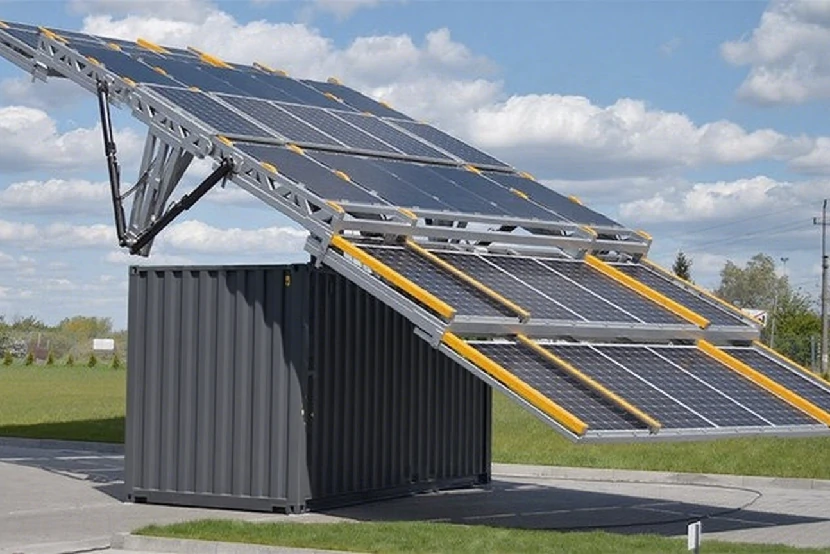
Integrated deployment of foldable or deployable solar arrays
Least amount of on-site assembly
In a disaster response or temporary operations, the time of deployment could be as important as the total power capacity.
Modular Expansion Capability
Scalable setups allow the user to add battery segments, external solar panels or even extra inverters without the need to replace the entire container. Government research on photovoltaic system development points to the fact that modular architectures cut down life cycle costs and make the system more adaptable to various applications.
A scalable model safeguards the initial investment and permits the system to evolve with operational demands.
Monitoring and Control Systems
must not be without basic monitoring functions like
Knowing battery state of charge
Recording solar generation and load
Error recognition and alerting
These functionalities are especially efficient in the most remote or unattended settings, where the early detection of malfunctions provokes the avoidance of extended downtime.
Key Criteria to Compare Mobile Solar Containers
The table below outlines the major selection criteria accompanied by their practical effects:
| Selection Criterion | Why It Matters | What to Check |
| Load based sizing | Prevents underperformance | Documented demand analysis |
| Battery autonomy | Ensures reliability | Days of storage at full load |
| Thermal management | Protects batteries | Ventilation and insulation |
| Container mobility | Enables deployment | Standard handling compatibility |
| Scalability | Future proofing | Modular system design |
The choice of mobile solar container call for a very simple grasp of energy demand, battery autonomy, container design followed by subsequent scalability.
Decision-making grounded in independent academic and government research rather than surface-level specifications aids in operational risks mitigation and performance improvement over time.
Contact US