
How to Correctly Calculate Containerized Solar Costs
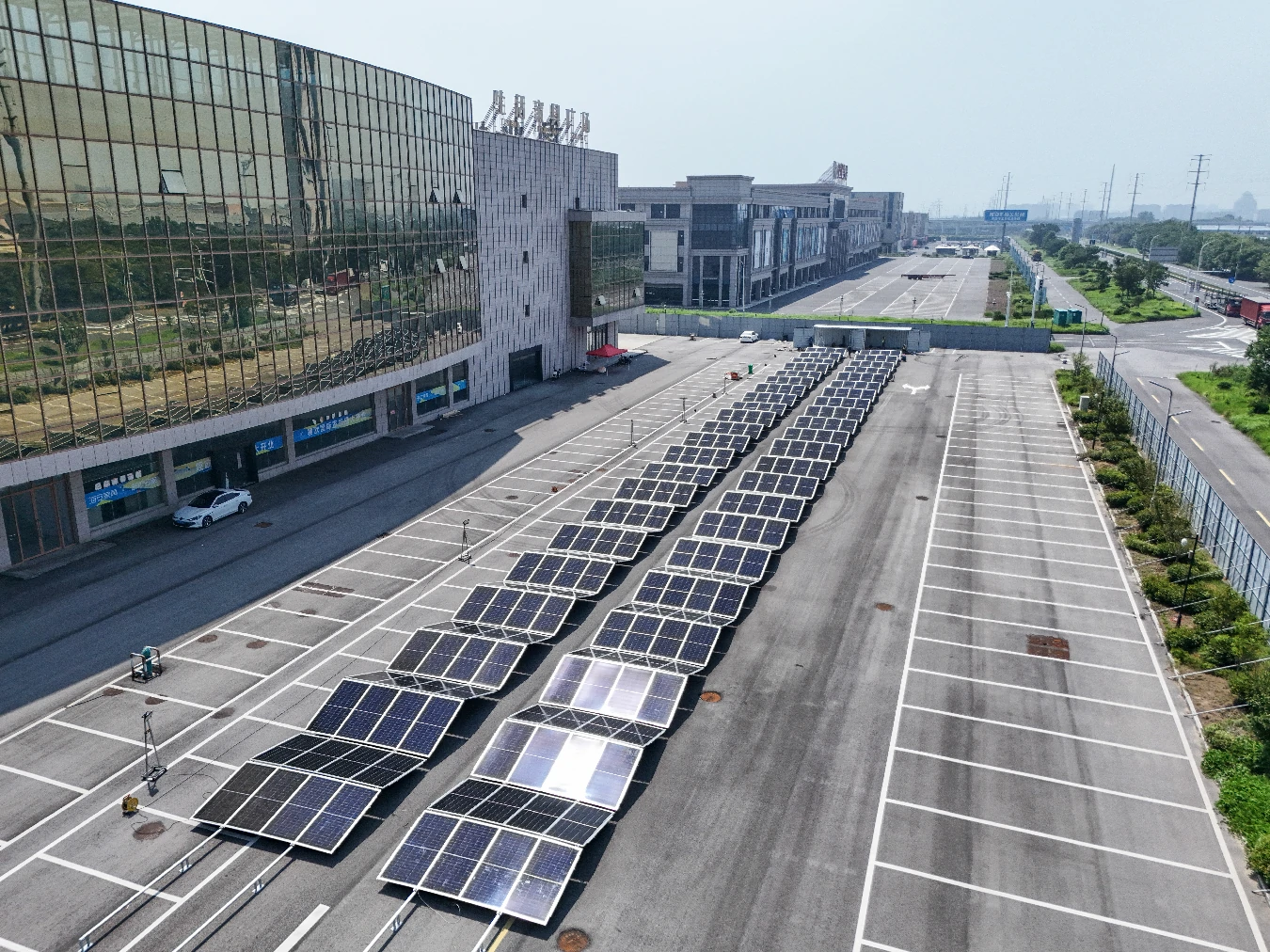
If you are planning on investing in a solar container solution, be it a mobile solar container for a remote deployment or a retrofit of a solar shipping container for grid-edge use, one question keeps popping up: How much will this cost, and how do I calculate it right for the best return on investment?
Getting this right matters. A solar container bundles solar panels, battery storage, container structure and all balance-of-system elements. If you misestimate just one component, the whole cost structure shifts. Let’s walk through how to break down and calculate costs effectively, using friendly language, real cases and practical checks.
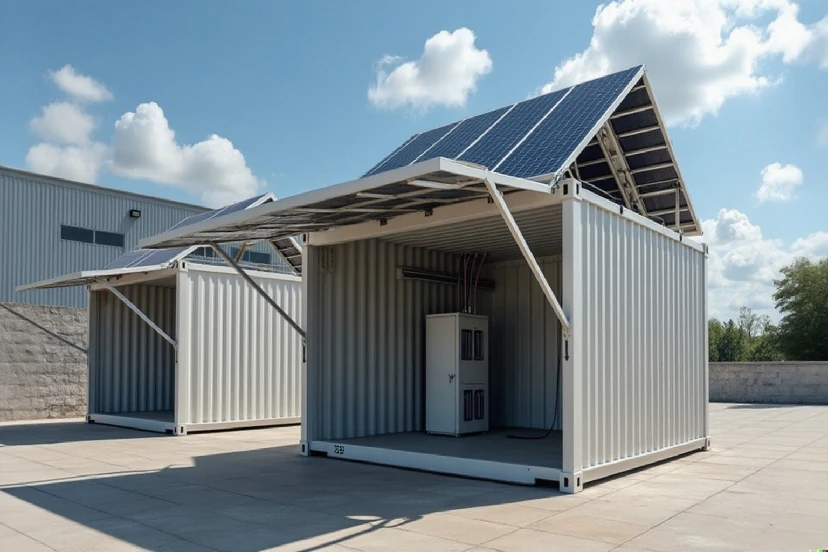
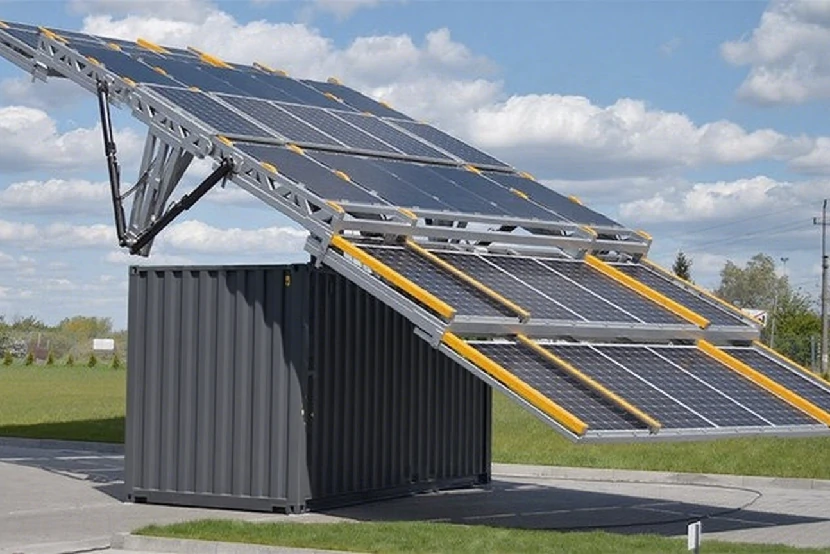
What is a Solar Container?
Here’s a simple definition box:
| Term | Meaning |
| Solar container | A pre-configured container housing solar panels – roof or side mounted – batteries, inverters, control systems and wiring in a shipping-container or similar enclosure. |
| Mobile solar container | A transportable solar container, quick to deploy, maybe on a truck or remote location. |
| Solar shipping container | A shipping container retrofitted or constructed for solar generation-plus-storage, often employed in modular or remote-edge solutions. |
Understanding such terms helps in comparing quotes: “a mobile solar container” might emphasize logistics & transport, where a “solar shipping container” would refer to modular scale.
Why is it so important to more correctly calculate the costs?
- Underestimating the cost will lead to budget overruns or a low return on investment.
- If you over-budget, you might lose out on competitive deployment opportunities.
- Transparent cost breakdown enables you to compare suppliers, make decisions about sizing, select components and plan logistics.
- In remote or off-grid cases especially, costs such as transport, container structure, and climatic adaptation can dominate. For example, integrated solar container systems including 5 kW panels and 10 kWh batteries cost about USD $25,000 in one case.
Do you know what the largest part of your solar container cost is? You might just be surprised.
Key Cost Components: What You Should Consider
- Component Costs: Solar, Storage, Container Structure
- Solar panels: wattage, efficiency, brand/model.
- Battery storage: chemistry, capacity, depth of discharge (DoD), cycle life.
- Container/enclosure: structural steel, insulation, cooling/ventilation, racks, wiring.
- Inverter / power conversion system (PCS): AC/DC conversion, hybrid systems.
- Control and monitoring system: EMS/BMS, remote monitoring, safety systems.
A pricing snapshot shows the following for some typical ranges: 5 kW + 10 kWh systems in container form cost about USD $18,000–$28,000, while 20 kW + 40 kWh units go for USD $45,000–$75,000.
- Costs of Logistics & Deployment
- Container transport to site: shipping, trucking, crane/hoist.
- Site preparation: foundation, cabling, grounding, tie-in to grid or microgrid.
- Labour for installation: mounting, wiring, commissioning.
- Permits, Certifications, Inspections.
- In international deployments, shipping containers themselves – and oversize freight – can add unexpected cost: one transport-analysis study found transport cost share of module cost up to 14.7-15.8 % in international scenarios.
- Sizing & Specification Choices
- Larger vs smaller container: economies of scale often favor larger units, but logistics may hamper.
- Battery capacity and solar panel size: Oversizing will increase cost without proportional benefit; undersizing may hurt performance.
- “Mobile” designs often include added ruggedness, rapid deploy features and extra weatherproofing–adding premium cost.
- Example real case: In Tanzania, a telecom company (2023), changed from diesel generators to 10 kW solar containers priced at around USD $39,000 each, proving that remote logistics and the reliability premium are an issue.
- Operational & Lifecycle Considerations
- Cooling, insulation, and weatherproofing increase the cost in extreme climates.
- Maintenance and replacement parts include battery replacement, maintenance of the inverter, wear and tear on parts.
- ROI: Cost today versus savings-diesel, grid costs-over life. One source projects solar container market growthfrom USD 0.29 billion in 2025 to USD 0.83 billion by 2030, with a CAGR of ~23.8%, showing the market scaling and potential cost optimization as volume grows.
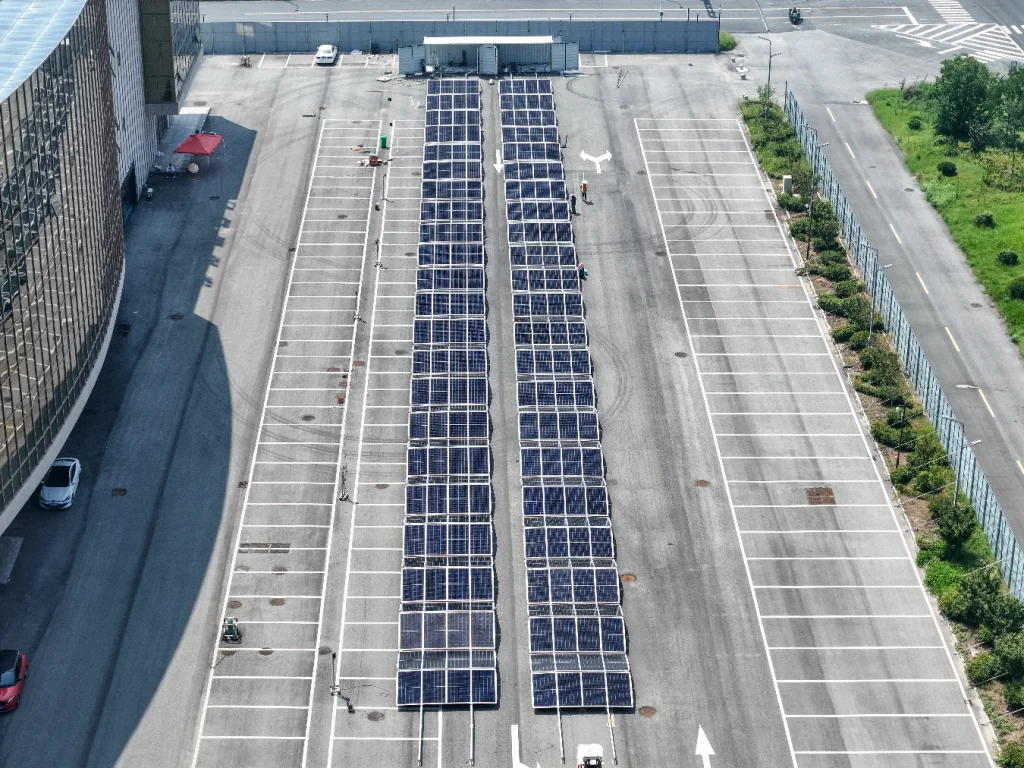
How to Estimate Cost: A Simple Calculation Framework
Here is the step-by-step method:
1.Define scope: for example, “20 kW solar container with 40 kWh of battery storage, container deployed to remote site”.
2.Estimate major component costs:
- Solar panels:for example, $X per kW → 20 kW × $X
- Battery bank: e.g. $Y per kWh → 40 kWh × $Y
- Container structure + modifications: e.g., $Z
3.Add logistics/installation costs: transport, site prep, labor = $W
4.Add contingency & markup: usually 5-15% of total cost
5.Lifecycle cost analysis: Include estimated maintenance, replacements, and savings from grid/diesel avoidance.
6.Calculate the cost per kW or cost per container unit: helps in comparing the vendor offers.
Comparison Table
| Item | Estimation Technique | Typical Cost % |
| Solar panels | Cost per kW × system size | 30-45% of total |
| Battery storage | Cost per kWh × capacity | 25-40% of total |
| Container structure & BOS | Fixed unit cost + site adaptation | 10-20% |
| Logistics & installation | Transport + labour + site prep | 10-20% |
| Contingency & other | Unplanned costs | ~5-10% |
This kind of structure helps you identify which cost bucket is “out of norm” and prompt questions with vendors.
Real-World Cases
Case 1 – Humanitarian Aid Site, Haiti, 2023
One aid organisation deployed 10-foot solar containers, with 5 kW panels plus a 10 kWh battery for USD ~25,000 apiece, shipping and installation included.
The breakdown showed the container plus logistics premium because of remote port access.
Case 2 – Remote Telecom Site, Tanzania, 2023
Telecom company replaced three diesel generators at cell towers with 10 kW solar containers. Each module cost ~USD 39,000 and saved fuel + maintenance over ~26 months pay-back.
These show that context (remote site, logistics, backup reliability) heavily influences cost beyond “just panels + battery”.
Thought-Provoking Questions
Q1: Could a cheaper ‘component-by-component’ build beat a packaged solar container?
Yes, but you may lose modular deployability, sealed container weatherproofing, and logistics simplicity. The premium may be worth it if you value plug-and-play and remote deployment.
Q2: Compared to solar/battery, how much does container structure matter in cost?
For many remote/mobile applications, enclosure plus logistics (~10-20% of cost) is the “hidden” premium—but it can dominate if the site conditions are harsh.
Choosing Your Specification: My Insight
From working with modular solar storage systems, I have come to realize:
- Going for “just enough” solar & battery matched to usage often gives better ROI than simply upsizing capacity.
- Always ask vendors for “cost per kW installed” and “cost per container unit”-helps apples-to-apples.
- Logistics & site adaptation often creep in for remote/mobile deployments – budget for site preparation and transport early.
- Ensure modularity: choose containers that you can scale by adding units rather than over-sizing one unit.
If you are keen to compare items that different vendors are offering or to see breakdowns for different sizes (say, 20 kW versus 50 kW solar container), we have detailed guides that break down the cost by component and use-case, which you can explore for deeper clarity.
Contact US