
How to Set Up a Mobile Solar Container Efficiently
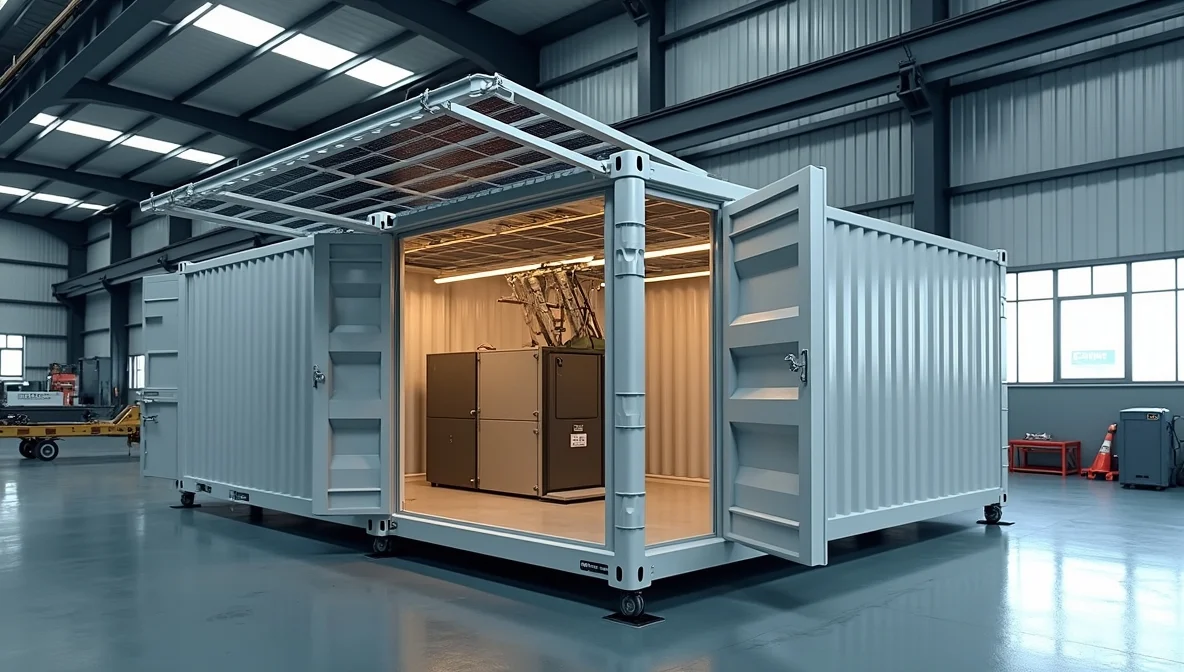
Setting up a mobile solar container efficiently can make the difference between reliable off-grid power and frustrating downtime. Whether you’re powering a remote construction site, a telecom station, disaster-relief field base, or an eco-tourism island, knowing how to set up a mobile solar container efficiently ensures maximum energy output, safety, and long-term performance. In this guide, we’ll walk through key steps, practical tips, and real global use cases, so your solar container installation is smooth, fast, and technically sound.
What is a Mobile Solar Container? (Quick Definition)
| Item | Description |
| Meaning | A transportable energy system integrated with solar panels, battery storage, and power electronics within a shipping-style container |
| Core Components | Solar panels, lithium batteries, inverter, MPPT controller, monitoring system |
| Typical Uses | Remote sites, telecom base stations, emergency relief, mining camps, farms, military bases |
It’s essentially a solar farm in a box: movable, plug-and-play, and ready in hours, not months.
Why Efficient Setup Matters
Poorly-deployed mobile solar containers waste sunlight, increase system losses, heat up internal equipment, and shorten battery life. It’s not just a technical goal: Efficiency impacts energy cost, safety, and uptime.
Step-by-Step: How to Set Up a Mobile Solar Container Efficiently
- Conduct Site Assessment
Before anything else, analyze:
- Solar irradiation & shading
- Ground conditions & levelness
- Safety clearance & airflow
- Local weather – wind, humidity, temperature
- Access for transport and maintenance
- Position the Container Correctly
Direction & angle makes all the difference.
| Region | Optimal Orientation | Created tilt |
| Northern Hemisphere | South-facing | 10°–30° |
| Southern Hemisphere | North-facing | 10°–30° |
| Equatorial Zones | East-West workable | Low tilt (0°–10°) |
Wind exposure? Add anchoring. Remote desert? Dust management is key.
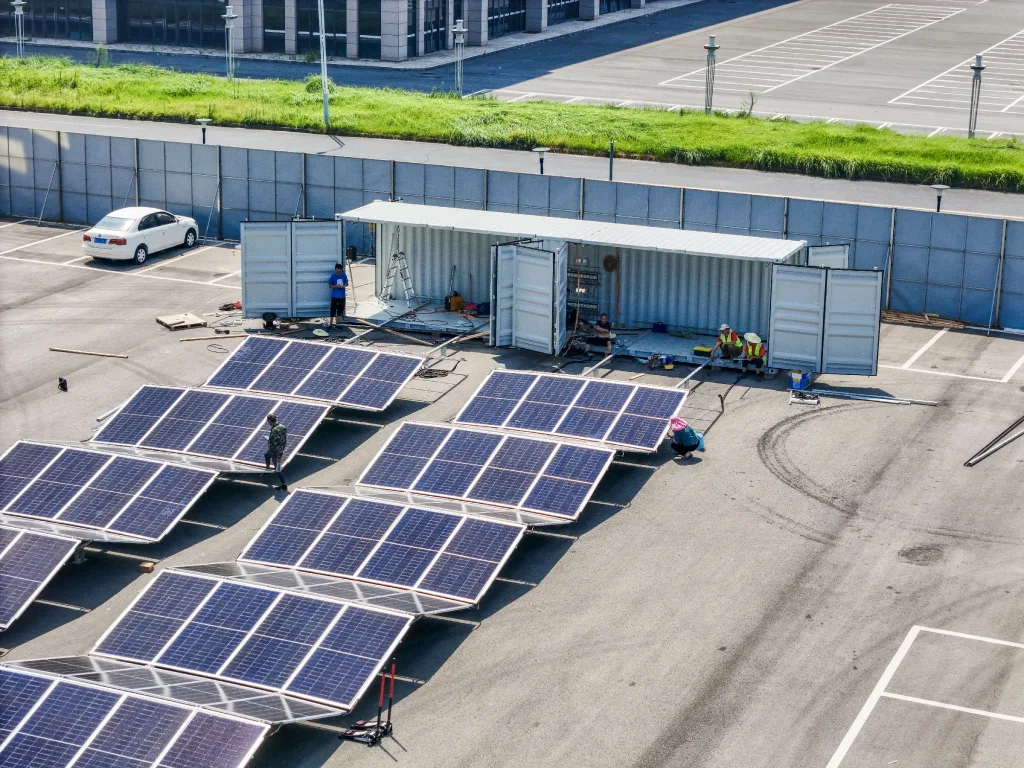
- Proper Installation of Solar Panels
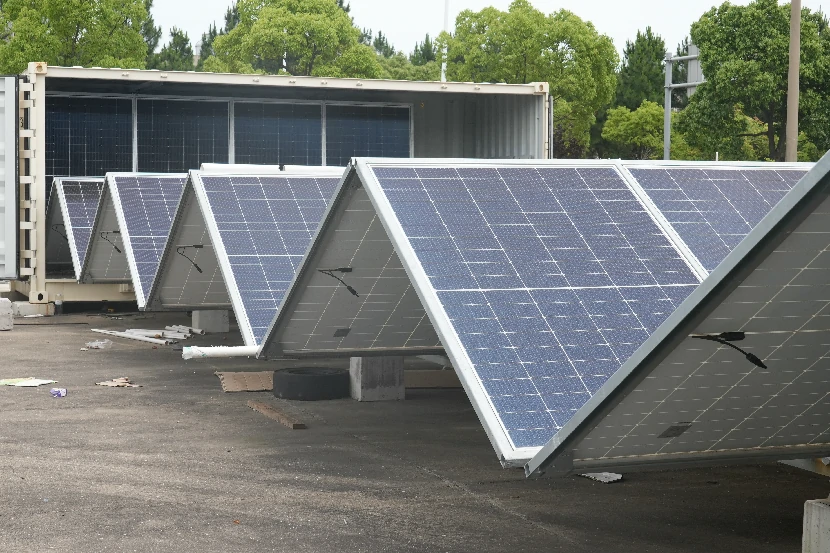
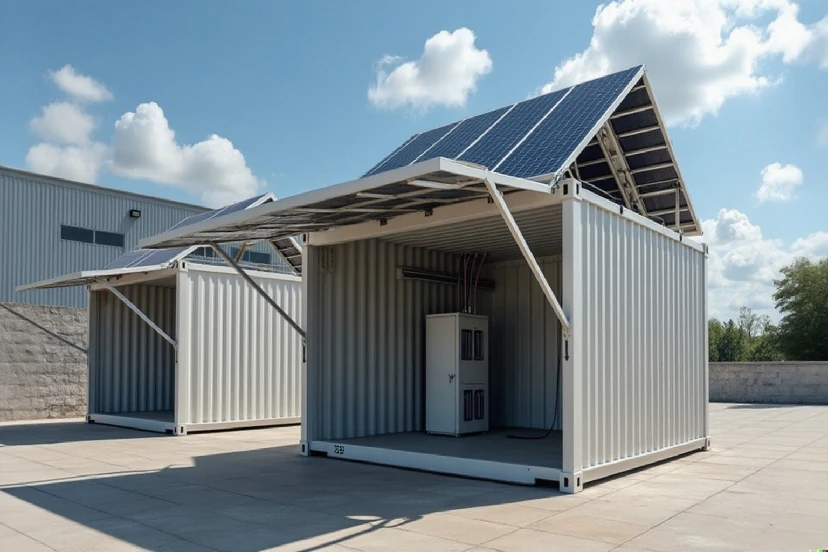
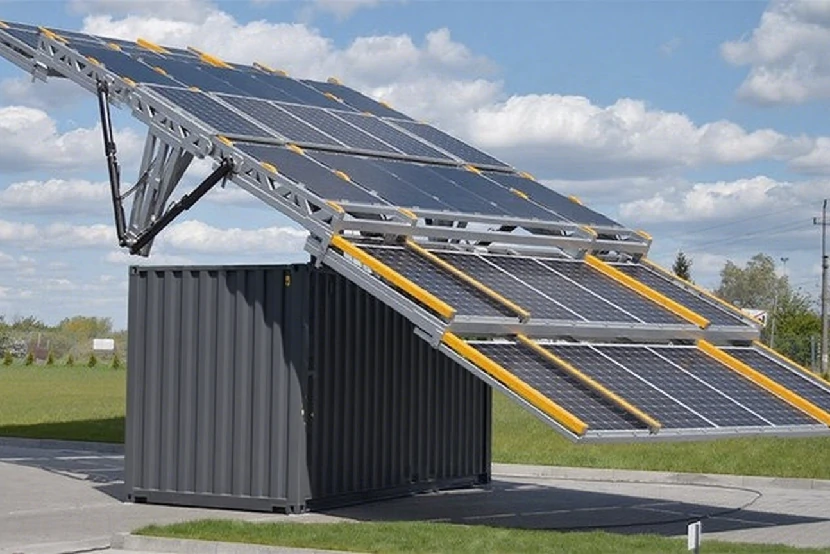
Most mobile solar containers feature folding or slide-out solar arrays. Ensure that
- Panels fully extended and locked
- No shading from trees, towers or buildings
- Wiring tied & UV-protected
- Clean glass surface – dust reduces power by 20–30% in dry zones
- Configure Battery & Inverter Systems
Key steps for battery/inverter setup:
- Check battery connections & BMS communication
- Check inverter modes: off-grid, hybrid and diesel hybrid
- Set correct AC output voltage & frequency, such as 230V/50Hz for Asia/Africa
Safety Reminder: Always follow DC protection & grounding rules.
- Connect Loads and Test Output
Standard testing checklist:
- AC & DC load test
- Backup generator auto-switch test (if equipped)
- Check surge capacity for motors / telecom systems
- Network & monitoring activation
Modern containers often have cloud/APP monitoring. Use it to catch early faults.
- Optimize Energy Management Settings
For efficient long-term operation:
- Time-of-use/load scheduling
- Battery charging priority
- Peak shaving mode, if grid-tied
- Automatic cleaning reminders when in dusty environments
Real-World Case Examples
Telecom Deployment in Kenya (2023)
Vodafone and Safaricom deployed solar-powered container sites for rural mobile networks in Kenya, reducing reliance on diesel generators to lower both operating cost and emissions.
Key result: Improved uptime in remote areas + reduced fuel logistics risk.
Disaster Response Container System — UN Haiti Mission 2022
Outcome: Reliable emergency power where the grid was down.
Industry Trend: Solar Containers + AI + Batteries
According to the International Renewable Energy Agency, global battery energy storage capacity could go as high as 10x in 2030, driven by solar storage demand.
This contributes to fueling smarter solar containers:
- AI load prediction
- Remote diagnostics & self-adjusting MPPT control
- Scalable deployment of modular battery blocks
- Fold-out solar with robotic cleaning – emerging
Common Questions While Deploying a Solar Container
Do I need a foundation?
Not always — in many conditions of terrain, steel feet or ground screws are quite enough. But for sandy, loose, or flood-prone areas, stabilization is required.
What about security?
Anti-theft bolts, fencing, motion cameras, and GPS tracking contribute to the protection of assets in rural deployments.
Can mobile solar containers replace diesel generators?
Yes, especially in telecom, rural clinics, mining camps, islands, and also emergency relief. Hybrid mode is also common in cloudy regions.
Expert Tips for Maximum Efficiency
- Choose the battery chemistry LiFePO₄ for lifespan: 3000-6000 cycles
- Use anti-dust and salt-mist coating near deserts & coastlines
- Prefer remote monitoring systems
- Add energy storage cabinet ventilation fans in hot climates
- Keep spare fuses, breakers, MC4 connectors on site
Emerging Best Practice: Circular Energy Storage Thinking
Many developers now design mobile solar containers with future battery recycling in mind, including modular racks and serial-number traceability. This all fits with global circular-energy trends: reuse, repower, recycle.
Where Mobile Solar Containers Work Best
- Telecom towers
- Island resorts
- Military forward bases
- Mining & oil camps
- Temporary events & construction
- Emergency field hospitals
- Humanitarian aid deployments
If the location is remote or temporary, grid-weak, then mobile solar wins.
Contact US