
Mobile Energy Made Easy: How the Shipping Container Solar System Works
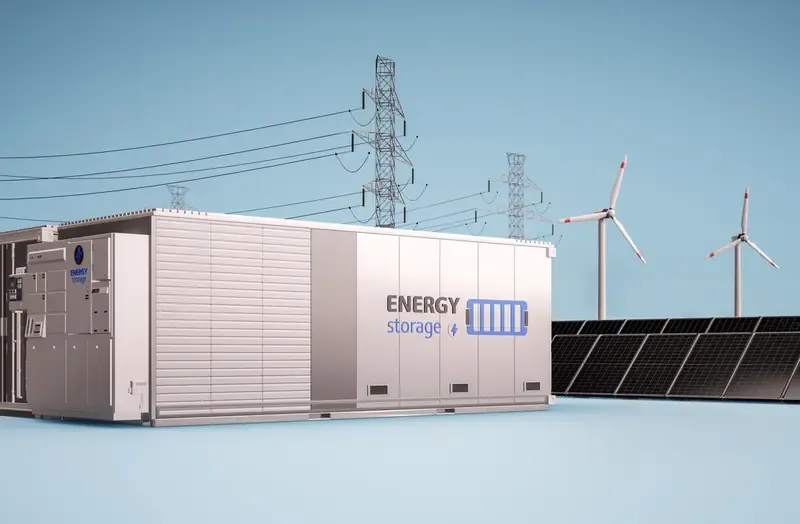
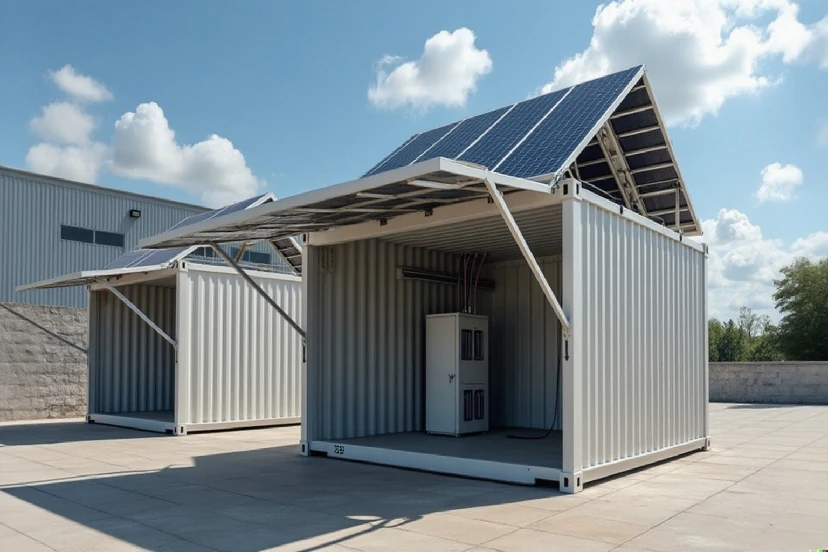
A shipping container solar system is a powerful, modular solution for mobile clean energy. Think of a standard 20- or 40-foot container, transformed into an all-in-one power station: solar panels, batteries, inverters, and monitoring systems all packaged inside. This is not some far-out dream for outer villages; it’s rapidly becoming a reliable choice for construction sites, telecom towers, disaster relief operations, and more.
At its core, a solar shipping container combines the ease of transport with the durability of a container and the flexibility of solar generation. It offers a plug-and-play power solution that can be deployed quickly, scaled up easily, and relocated as needed.
Why Use a Solar Container?
There are several strong reasons why a solar container makes sense:
- Transportable power:A system that can be moved by truck or ship and set up anywhere the user needs off-grid energy.
- Quick deployment:many factory-assembled systems require only minimal on-site work.
- Durable housing:A steel container protects components from weather, wildlife, and theft.
- Integrated storage: batteries inside can store energy for nighttime or cloudy periods.
- Scalable design:When demand increases, several units can work together to form a microgrid.
These advantages make it perfect for situations where traditional grid power is unreliable-or not even available.
What’s Inside a Shipping Container Solar System
A standard solar container houses all the major energy infrastructure for off-grid operation. The key components include:
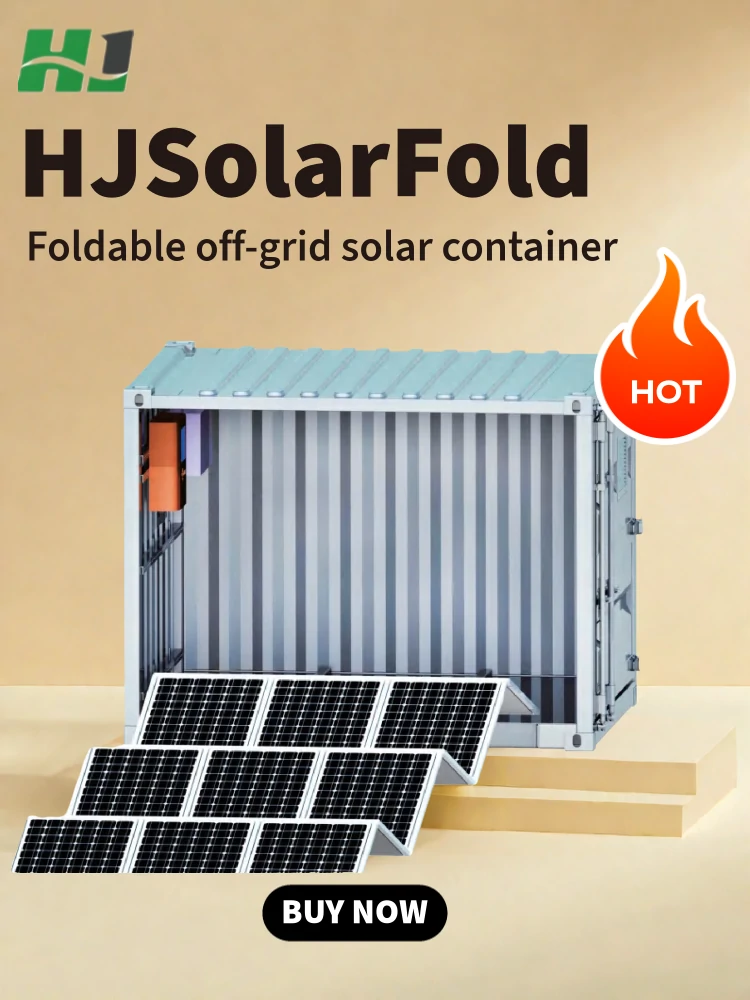
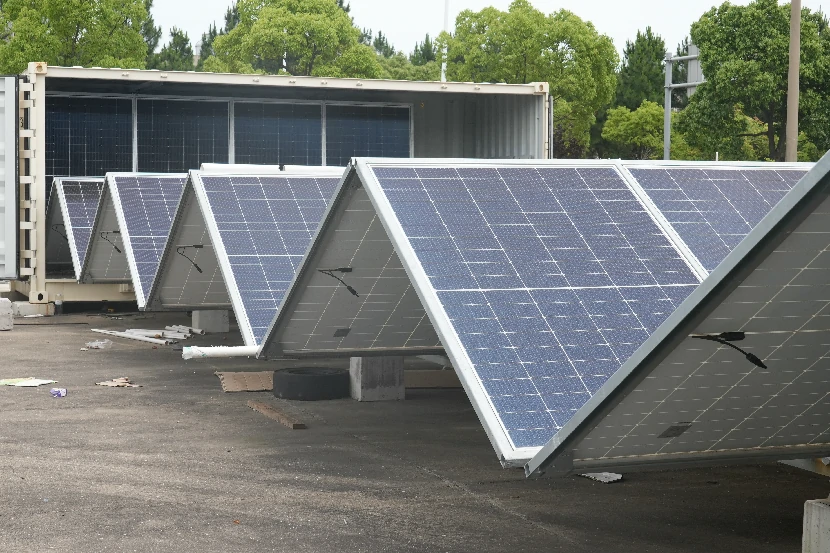
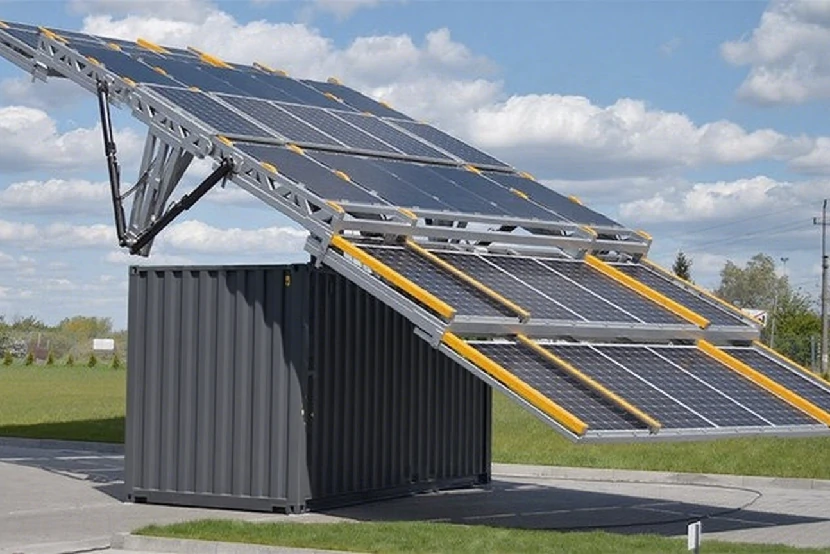
- Solar panels:These can be mounted on top or on fold-out wings to maximize production.
- Battery bank: Mostly lithium-based, such as LiFePO₄, for high cycle life and safety.
- Inverter and MPPT controller: This converts DC from panels to AC and optimizes charging.
- Electric protection and safety gear: Breakers, surge arresters, and fuses.
- Thermal Management:Fans/vents that deal with overheating inside the container.
- Monitoring system:real-time data of power generation, state of charge, and operating conditions.
Since everything is pre-wired at the factory, on-site installation is generally faster and less subject to errors than the on-site assembly of individual components.
How It Actually Runs
The operation process is pretty straightforward:
- Solar panels capture sunlight and convert it into DC power.
- The MPPT controller ensures optimum charging to the batteries.
- Batteries store the energy for later use in nighttime or cloudy days.
- The inverter converts DC into AC to power equipment.
- Monitoring hardware provides real-time system status and alerts.
In essence, it acts like a mobile microgrid, which is able to operate standalone from the main grid or supplement the latter if needed.
Where Solar Containers Are Deployed
These systems fit into many real-world scenarios. A few common use cases include:
- Off-grid and remote communities
- Construction and mining sites
- Emergency response/disaster relief camps
- telecom infrastructure – tower sites, relay stations
- Agricultural or irrigation sites
- Military or field operations
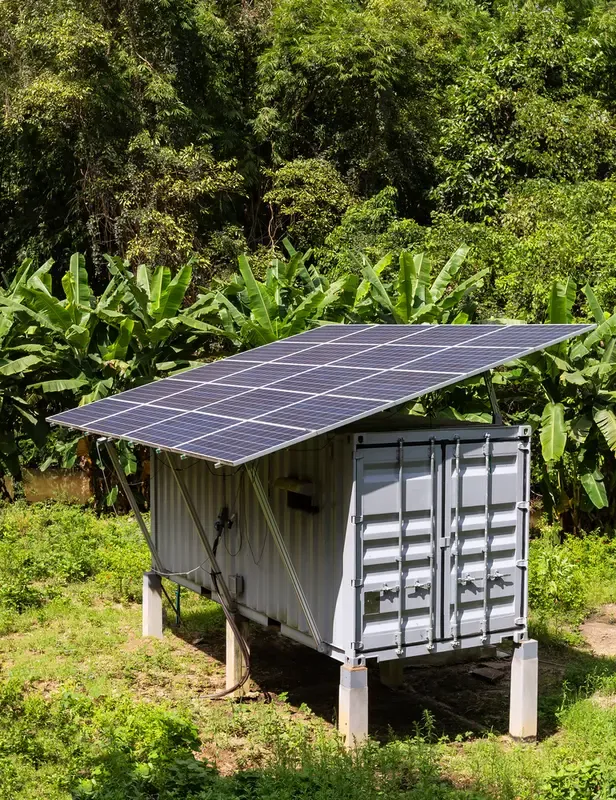
For example, in 2023, a development NGO deployed a 40-foot solar container in a rural area of Southeast Asia, which powers a community school and a water-pumping station with no need for diesel generators.
Real-World Relevance of Distributed Energy Resources
Shipping container solar systems are part of a broader trend toward distributed energy resources. According to the International Energy Agency, DERs-including behind-the-meter solar and storage-are transforming how we produce and use electricity, presenting both opportunities and challenges in grid design.
You will effectively be decentralizing energy production by turning each container into a mini-power hub, hence providing resilience to the local network. This is very important since grids have been modernizing and are becoming increasingly flexible.
Benefits and Limitations
Benefits
- Very portable and modular
- Rapid deployment
- Self-sufficient energy with integrated storage
- Hard shell protects against weather and theft
- Scalable for growing demand
Limitations
- Initial costs may be high for small deployments.
- Solar production depends on sunlight; storage must be sized accordingly
- Transporting large containers can be very logistically cumbersome.
- Maintenance of batteries and electronics still required
Things to Consider When Choosing a System
Following are the important factors if you’re evaluating a solar shipping container:
Energy demand: Estimate your needs in kilowatt-hours per day.
Sunlight profile: How many sun-hours can you reliably count on?
Battery sizing: Determine how much stored energy you need for autonomy.
Cooling Design: Ensure the thermal system is able to deal with local temperatures.
The need for security: consider locks or structural protection if this is in a public or exposed location.
Scalability: Will you add more containers or expand generation later?
In my experience suggests that solar containers reach a sweet spot between flexibility and robustness. They are much more than “just a shipping box with panels.” Because they are self-contained and transportable, they reduce reliance on traditional infrastructure. The steel enclosure gives peace of mind in tough environments. I’ve seen clients choose containers over fixed solar installations just because they value how quickly they can move or expand.
If you are interested in how different shipping container solar systems compare, and which configuration might best match your energy goals, you can check our solar container solutions.
Contact US