
Overseas Large-Scale Energy Storage Projects: Investment Hotspots, Evolving Models, and China’s Opportunities
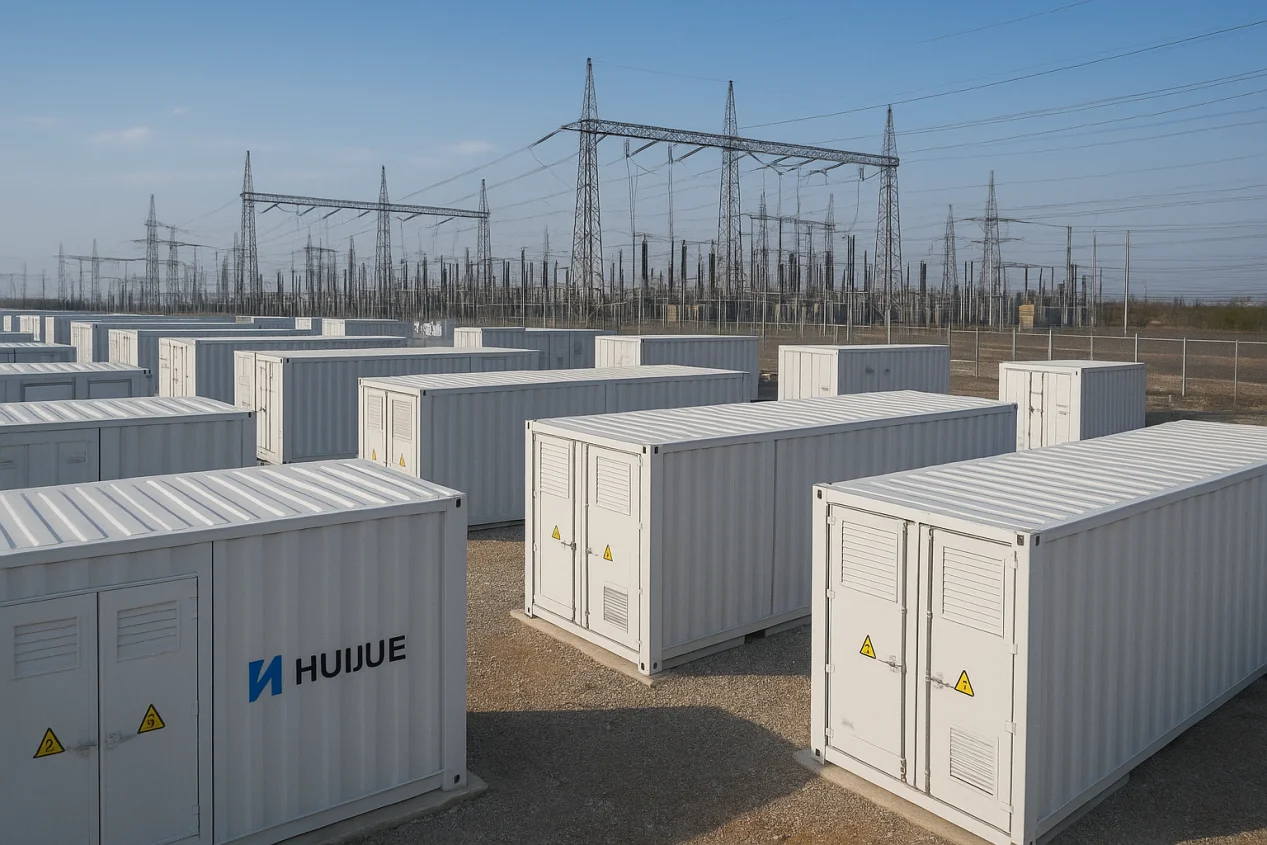
In recent years, as renewable energy surges worldwide, large-scale energy storage projects have quietly become one of the most important pieces in the global energy puzzle. From the deserts of the Middle East to the windy coasts of Europe, massive battery systems are being deployed to stabilize power grids, store excess solar and wind energy, and enhance energy security. But behind this global boom, what are the real investment hotspots, how are project models changing, and where do China’s opportunities lie?
Let’s start with the trend. According to industry data, the global installed capacity of energy storage has been growing at more than 50% annually since 2020, with large-scale (utility and industrial) projects taking the lead. The U.S., Europe, and China remain the top three regions, while Southeast Asia, the Middle East, and Africa are emerging fast. What’s driving this? Simple — renewable energy penetration is rising, and the grid needs stability. Without storage, solar and wind power can’t deliver 24-hour reliability, and that’s where large-scale energy storage comes in.
When we look at investment hotspots, we can clearly see two directions. The first is regions with strong policy support — for example, the U.S. Inflation Reduction Act, which provides long-term tax incentives for energy storage, has triggered a wave of investment. The second is countries with unstable grids but abundant renewable potential, like South Africa, Saudi Arabia, and Vietnam. These markets urgently need storage to balance intermittent renewables and reduce blackouts, which creates huge opportunities for project developers and equipment suppliers.
In terms of project models, we are seeing some interesting shifts. The traditional “build-and-sell” EPC model is being replaced by hybrid models like “energy storage as a service” (ESaaS) and BOT (Build-Operate-Transfer). In these models, companies don’t just sell systems; they also participate in operation and revenue sharing. This not only helps clients reduce upfront costs but also ensures long-term system maintenance and stable income streams. For example, some projects in the Middle East now integrate solar plants and storage under a unified EMS (Energy Management System), allowing flexible dispatch based on real-time electricity prices — a move that significantly improves profitability.
China’s role in this global wave is quite unique. On one hand, Chinese companies dominate the global supply chain for batteries, inverters, and energy management systems — especially in cost-effective manufacturing and large-scale deployment. On the other hand, China’s domestic energy storage market provides rich experience in engineering, safety, and digital management. This dual advantage enables Chinese firms to expand overseas with strong competitiveness, offering both technology and turnkey project capabilities.
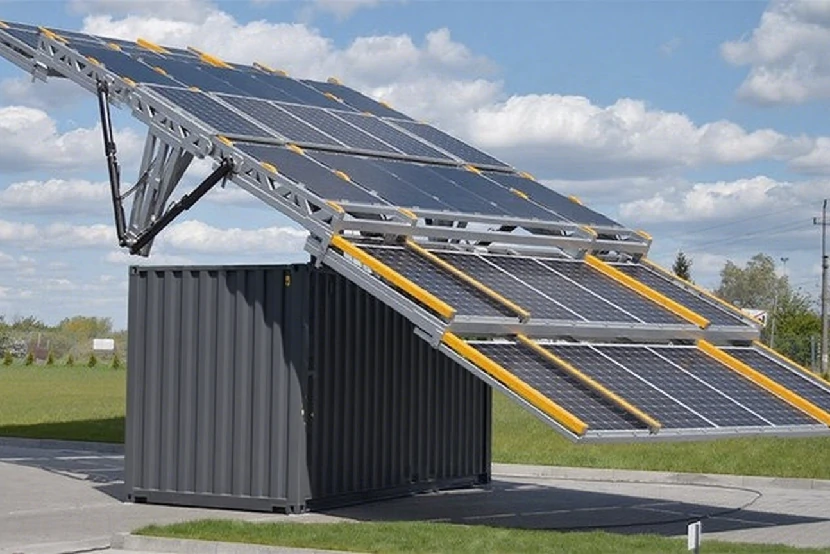
For instance, companies like Huijue Technology have been exporting integrated energy storage containers and outdoor cabinet systems to overseas markets. Their modular, liquid-cooled, and AI-managed designs are highly adaptable to harsh environments, making them ideal for large-scale deployment. These solutions not only support grid stability but also align with the global push toward green, sustainable, and intelligent energy systems.
Of course, challenges remain. Policy uncertainty, grid connection barriers, and local certification requirements can slow down project development. Additionally, in some regions, financing and land use issues still pose significant hurdles. But overall, the long-term direction is clear — energy storage will continue to grow as renewable energy accelerates its expansion.
In conclusion, overseas large-scale energy storage projects are no longer just about building batteries — they are about building smarter, more flexible, and more sustainable energy ecosystems. The combination of market demand, technological innovation, and policy support is creating a golden window of opportunity. For Chinese companies with strong manufacturing and integration capabilities, now is the time to step onto the global stage and lead the new era of intelligent energy storage.
Contact US