
Powering Remote Regions with Mobile Solar Solutions in Africa
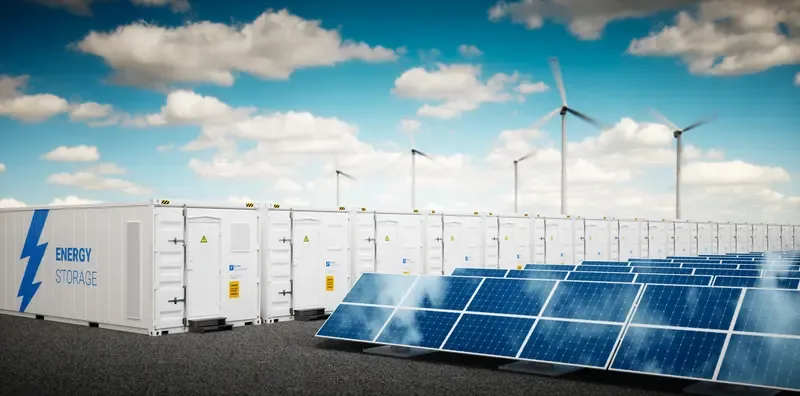
Access to consistent and reliable sources of electricity is one of the major hurdles to economic development for a number of remote locations in Africa. While efforts to extend the power grid are ongoing, the cost and pace of this process are a major concern. As such, the mobile solar system was born as a viable, flexible, and cost-effective alternative to traditional power extension methods. Unlike traditional solar power systems, the mobile solar system is movable and can be relocated depending on the changing power requirements. It is used for a number of applications, including healthcare facilities, mining, and humanitarian use.
Why Remote Regions in Africa Need Mobile Solar Solutions
In Africa, for instance, there are communities that are located far apart. Connecting these communities to the national grid is a problem, especially because of the vast distance and lack of infrastructure. Millions of people are forced to rely on diesel-powered generators or even live without power at all.
The mobile solar system is a solution to this problem because it does not require any infrastructure to be built. It is therefore possible to use this system in areas that are too far to be connected to the national grid. This is especially important for areas that are constantly on the move, such as pastoral communities, temporary settlements, and construction sites, among others.
Another issue that is important is the cost of operation. Moving diesel to these areas is a problem because it is unpredictable and expensive. After a while, the cost of power generated through diesel becomes unsustainable. The mobile solar system, on the other hand, is a cost-effective alternative because it is predictable.
What Defines a Mobile Solar System
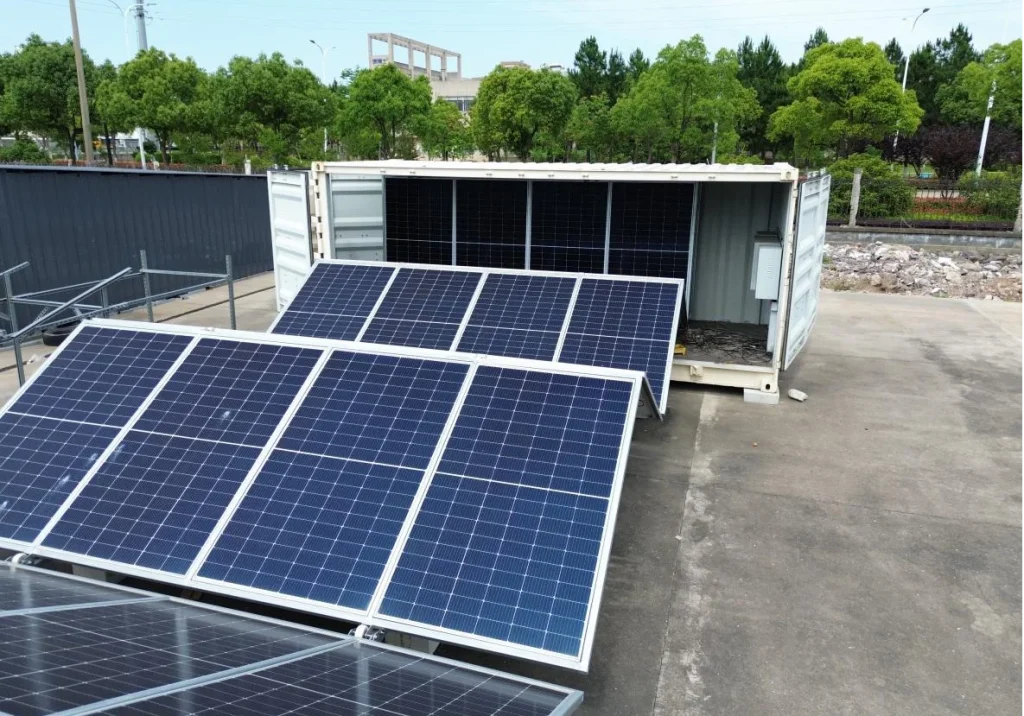
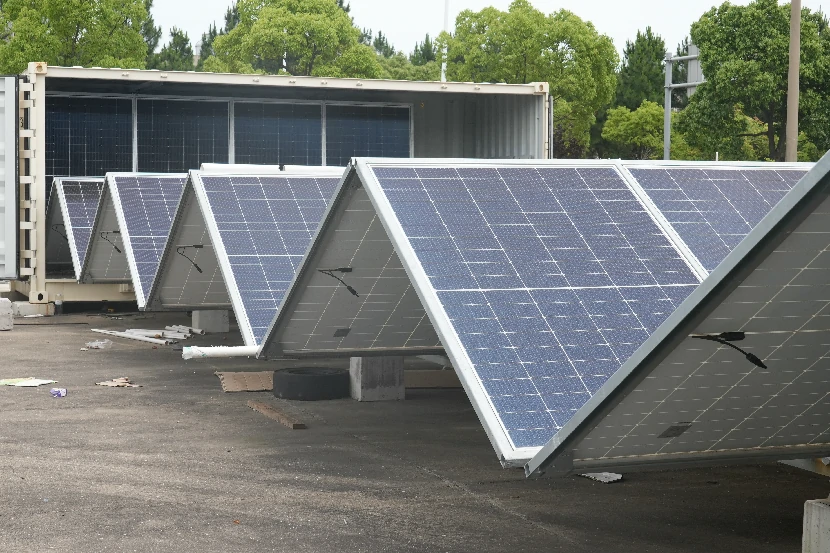
A mobile solar system usually combines solar panels, battery storage, and other components into a transportable package. The solar system can be built into a trailer, container, or designed as a modular system that can be easily assembled on the ground.
Portable and Rapid Deployment
The most important advantage of using mobile solar power is the ease and speed with which the system can be deployed. The solar power system can be up and running in a matter of hours or days, as opposed to months.
Integrated Energy Storage
Battery storage is a significant part of the mobile solar system. This is because the remote areas require 24 hours of electricity. This can only be possible with the use of energy storage systems. This ensures the solar system can operate independently and not just as a supplementary source of energy.
Scalable and Modular Design
Solar systems are modular in nature and can be expanded depending on the required energy demands. This is a significant advantage of the solar system because a small system can be set up to serve a rural clinic and later expanded to serve various facilities with refrigeration, communication, and lighting systems.
Solar Container Systems for Flexible Deployment
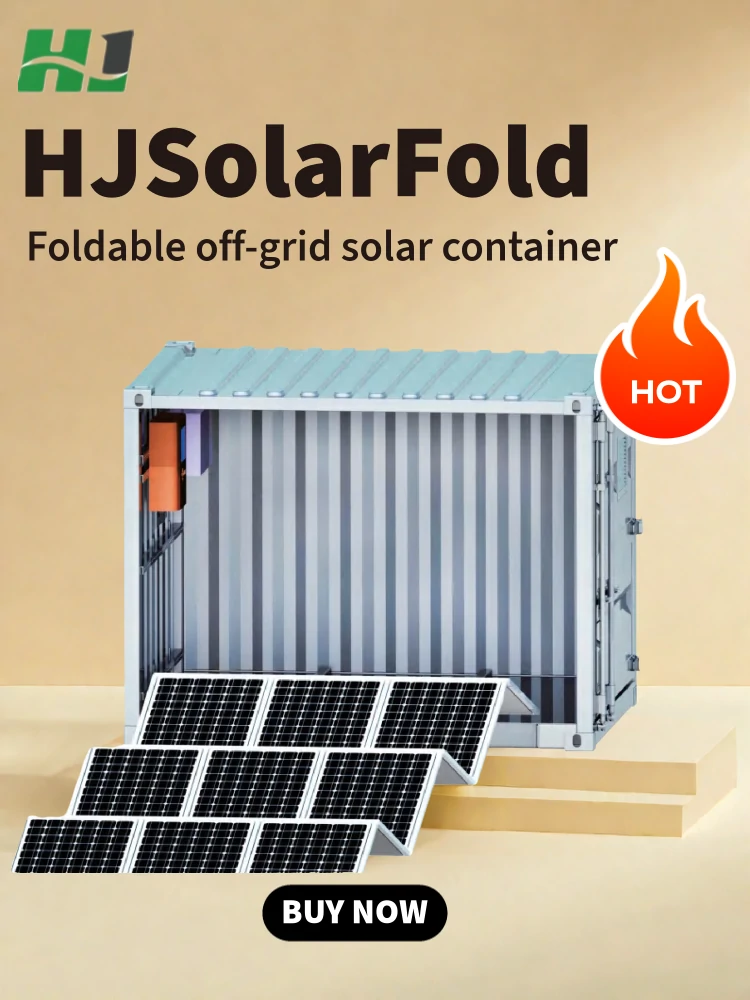
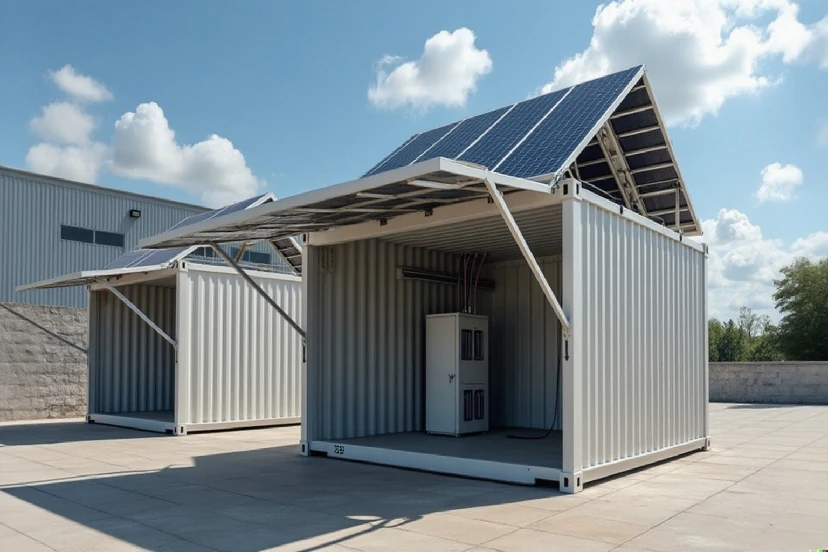
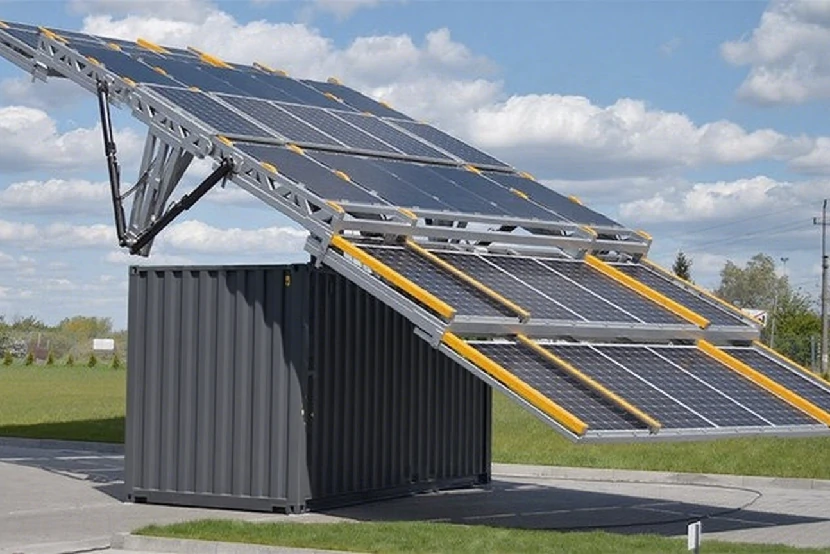
One of the most efficient means of solar deployment is through solar container solutions. This involves integrating all necessary components into a standard shipping container, allowing for ease of transport and deployment.
The benefits associated with solar containers include:
- Pre-assembled and factory-tested systems
- Installation time reduction
- Increased durability for harsh conditions
- Easy portability in case of changing needs
Containers are transported through standard logistics around the globe, allowing them to be transported by truck, train, and even boat. This makes them ideal for use in Africa, especially in remote areas, considering the different transportation infrastructures in those areas.
Containers are often used in remote healthcare, humanitarian, telecommunication, and village settings, especially considering their ability to provide instant and reliable energy, whether for a temporary or permanent setup.
Applications Across Remote African Regions
Mobile solar systems are being implemented in a variety of use cases across the African continent. Each of these use cases represents the flexibility and usability of modular solar systems.
Rural Healthcare Facilities
Access to reliable electrical power is a requirement for refrigeration systems, medical equipment, lighting, and communication systems. Mobile solar systems are a viable solution for rural clinics and can directly improve the quality of life in these areas.
Off-Grid Communities
Off-grid communities are areas where access to the electrical grid is not possible. Mobile solar systems can be implemented at the community level and can support homes, schools, and businesses. This can ultimately improve the quality of life in these areas.
Mining and Construction Sites
Temporary industrial facilities have energy demands for short periods of time. Portable solar systems enable companies to establish energy infrastructure for a short time and remove it once operations have been completed.
Disaster Relief and Humanitarian Operations
Mobile solar systems have been utilized for emergency operations. Natural disasters, refugee populations, and emergency operations have energy demands for short periods of time. Solar container systems have been utilized for emergency operations to provide power immediately.
Advantages Over Traditional Power Solutions
Mobile solar solutions also have a number of advantages over diesel generators and grid extension, including:
Lower Operational Costs
Once installed, solar systems do not use fuel to operate, and this has a positive impact on costs in the long term, especially for areas that are hard to reach and therefore cost a lot to transport fuel to.
Reduced Environmental Impact
Solar energy does not pollute, and this has a positive impact on our environment, especially considering Africa’s green initiative.
Increased Reliability
In the case of diesel generators, failures are likely to be caused by fuel supply issues or maintenance difficulties. Mobile solar systems have less likelihood of failure and are easier to maintain.
Energy Independence
Communities using mobile solar power systems have the advantage of energy independence, which is usually not the case with other forms of energy production.
Growing Role of Modular Solar Systems in Africa
The use of modular solar power systems is part of the changing energy infrastructure in Africa. The continent is witnessing the emergence of decentralized power generation as an alternative to the traditional energy production system.
The International Energy Agency’s publication Solar Energy: Mapping the Road Ahead shows that decentralized solar technologies, including off-grid and modular systems, are playing a growing role in expanding electricity access in developing regions, especially where grid expansion remains difficult and costly.
This change also underlines the value of flexible options like mobile solar systems and solar container deployments. This trend is likely to continue with improvements in technology and a decrease in costs.
Key Considerations When Deploying Mobile Solar Solutions
While there are many advantages associated with mobile solar systems, proper planning is necessary when they are deployed.
Energy Demand Assessment
Proper evaluation of energy demands helps in ensuring proper sizing of a solar system. An under-sized system might result in a shortage of power, and a system that is over-sized might result in unnecessary costs.
Environmental Conditions
In a remote location, environmental conditions like extreme temperatures, dust, and humidity might exist, and proper consideration has to be given to such conditions when choosing a solar system.
Future Expansion
Selecting modular systems will allow future expansion as demand increases. This is especially important in developing communities.
Transportation Logistics
Road conditions, transportation availability, and accessibility of the site will be taken into consideration in deployment planning.
The Future of Mobile Solar Solutions in Africa
With increasing energy demands in Africa, mobile solar energy will likely play a more significant role in the future. Advances in battery technology, solar panel prices, and modular design will drive this growth.
Governments, NGOs, and private sector organizations are beginning to realize the importance of having flexible energy infrastructure. Mobile solar energy has been recognized as a bridge between short-term and long-term energy needs. In many cases, mobile solar energy has been implemented as a permanent solution rather than a temporary one.
Solar container energy has been recognized as an efficient and deployable solution. With better logistics and manufacturing capabilities, this solution will likely become more accessible.
Conclusion
The use of mobile solar technology is changing the face of energy availability for remote areas in Africa. With the use of portability, scalability, and reliability, mobile solar technology, solar containers, and modular solar technology are changing the face of alternative power sources to traditional power extension approaches.
For organizations, governments, and developers, especially those working in remote areas, the use of mobile solar technology is a new alternative to power extension, and its evaluation is a new approach to maximize the use and benefits of the technology for power extension and availability.
The use of mobile solar technology is changing the face of power availability for Africa, especially for remote areas.
Contact US