
Scalable, Mobile, Reliable: Inside the Shipping Container Solar System
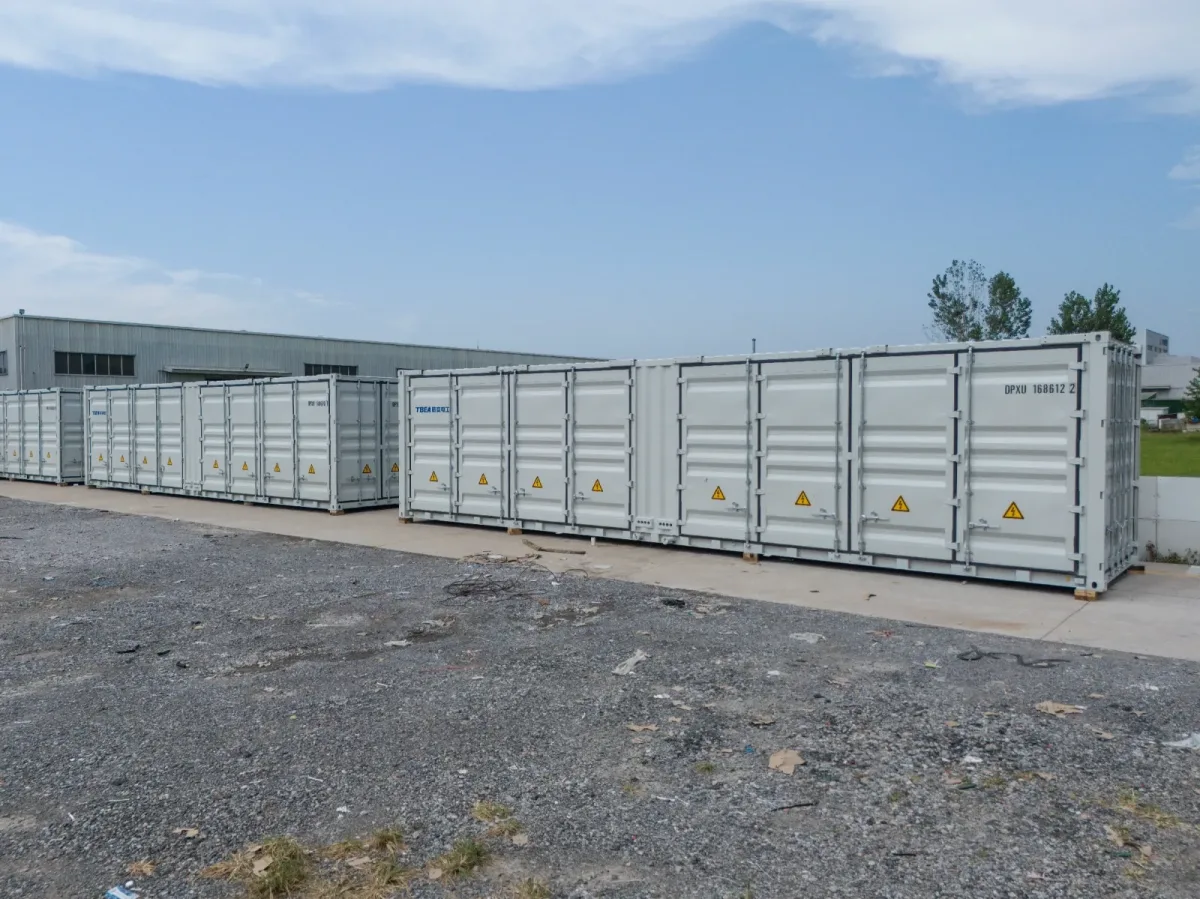
Renewable energy has driven innovative solutions for off-grid power—and one of the most exciting innovations is the shipping container solar system. The system is unlike traditional setups, as it integrates solar panels, inverters, and energy storage in a deployable container. But how does it become scalable, mobile, and reliable to different energy needs? Let’s dive into the details.
What is a Shipping Container Solar System All About?
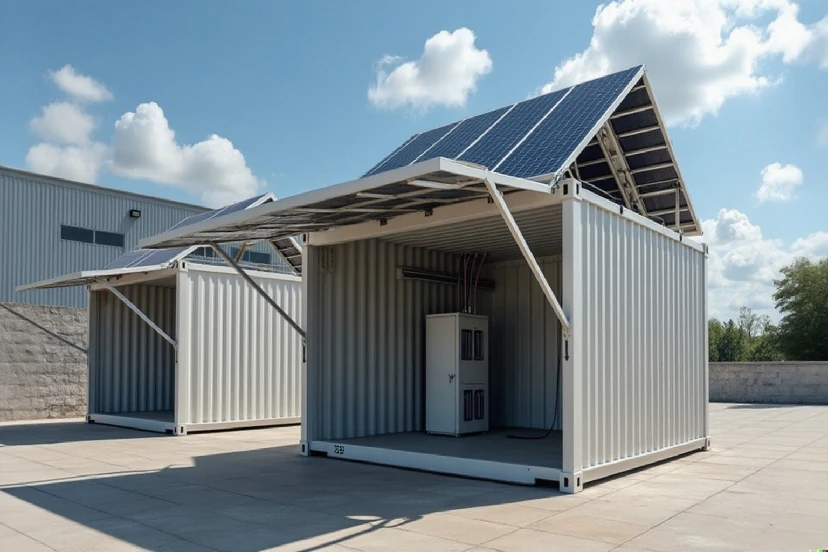
A shipping container solar system is a built, modular energy solution within a regular container. The container has the solar panels (sometimes foldable), battery banks, and off-grid solar system controller.
In short, it’s a “power station in a box” that’s easily shippable, deployable, and usable almost anywhere—from rural villages to construction sites.
The highlights are:
Mobility: Extremely transportable by truck, boat, or train.
Scalability: Units may be combined together to achieve greater capacity.
Reliability: Weather-resistant and designed to survive harsh environments.
Why Not Just Use a Traditional Off-Grid Solar System?
That’s a fair question. Everyone questions whether or not a shipping container solar system is worth the investment when traditional rooftop panels are less expensive.
Here’s where the difference lies:
| Feature | Conventional Off-Grid Solar System | Shipping Container Solar System |
| Installation Time | Weeks to months | Hours to days |
| Portability | Fixed, not mobile | Mobile, redeployable |
| Durability | Exposed to elements | Enclosed, weatherproof |
| Scalability | Limited to site | Modular, expandable |
If mobility or quick deployment is required for your project—such as disaster relief or mining camps—a mobile solar container is the clear choice.
The Use of Foldable Solar Containers
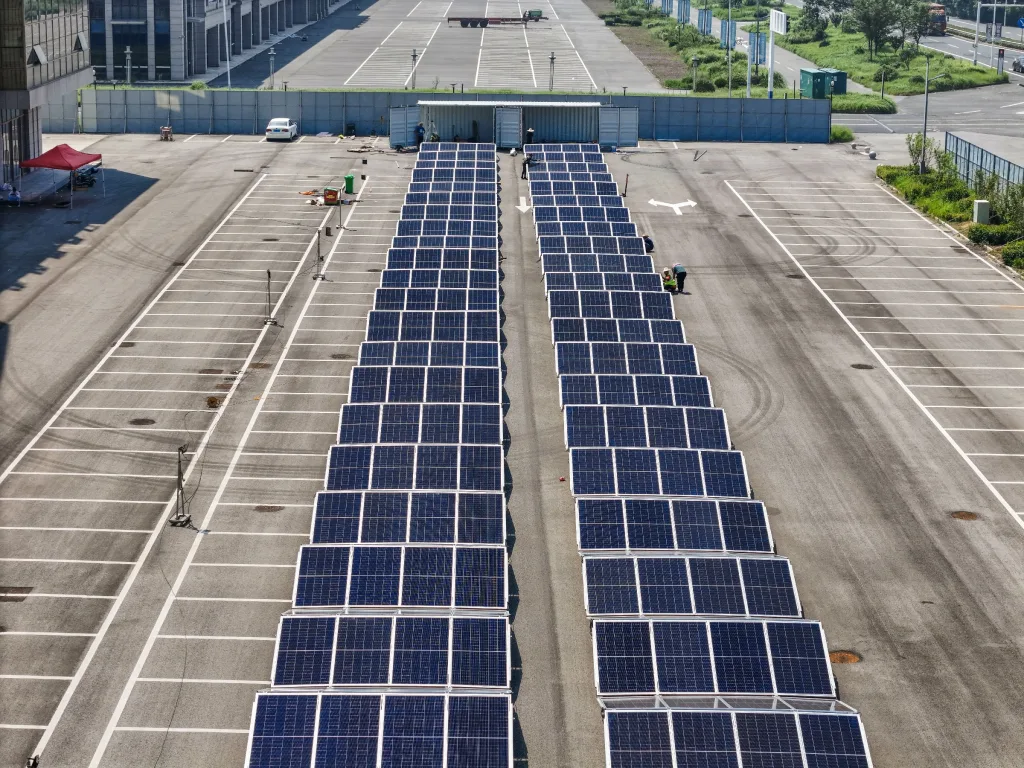
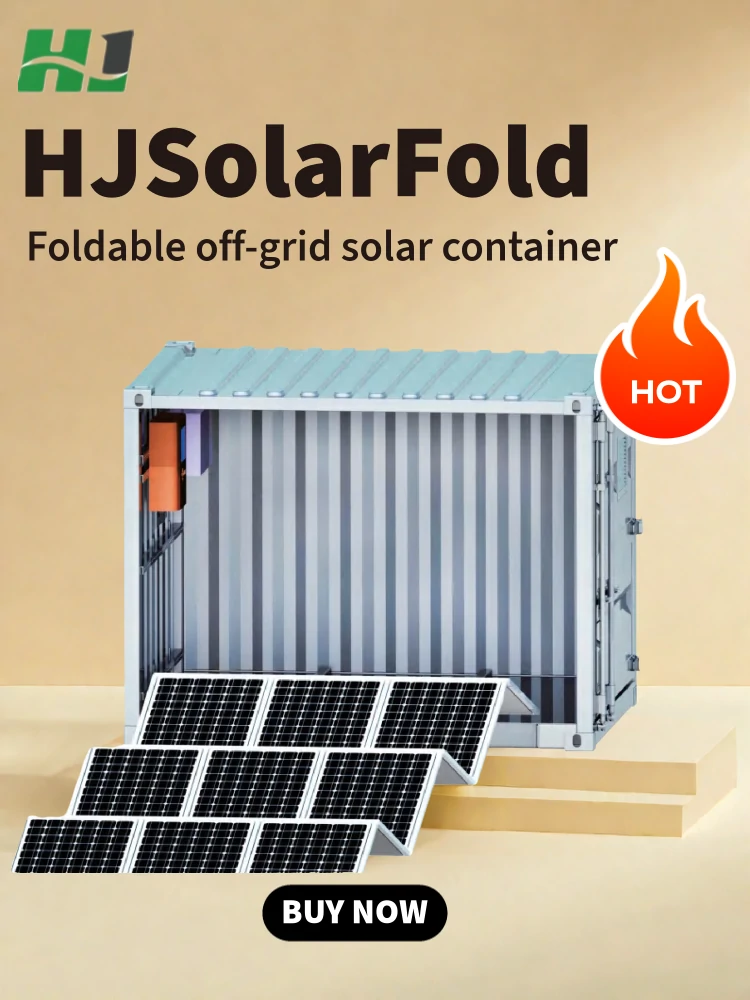
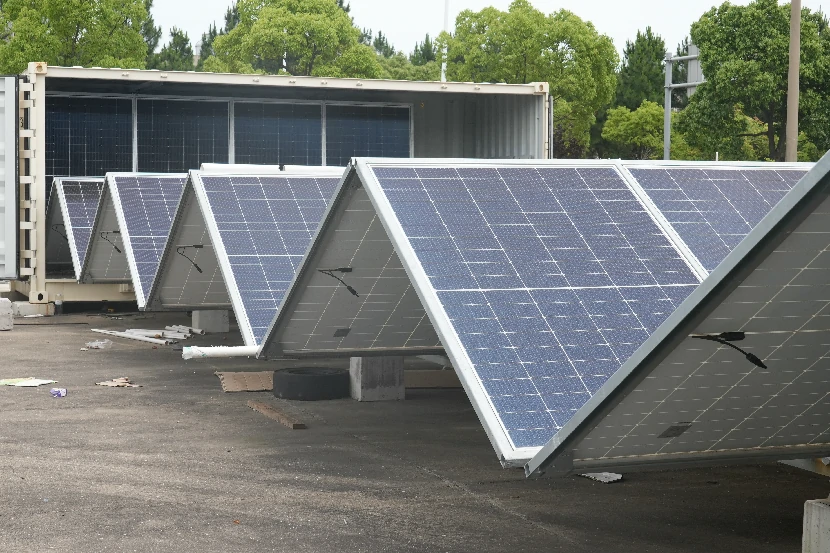
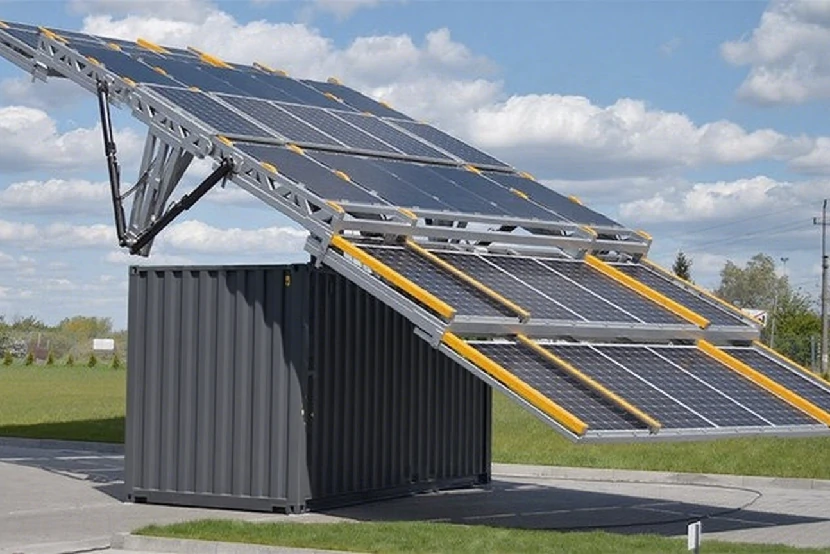
One thrilling variation is the foldable solar container. Rather than fixed panels, they employ solar modules that deploy like wings. This type of design significantly enhances surface area while maintaining compact transport size.
For instance, a 20-foot collapsible container can expand to deliver 50 kW of electricity—enough to power an off-grid rural health clinic or a small telecommunications base.
Industry Trends Driving Growth
Solar shipping container market is expanding based on three trends globally:
1.Decentralization of energy – People are seeking self-sufficient local sources of electricity.
2.Disaster resilience – Governments are investing in mobile systems as an emergency source of power.
3.Green business operations – Companies in industries like mining or oil & gas use containerized solar to reduce emissions.
Solar solutions that are transportable and modular are becoming a key component of global energy transitions, finds the International Renewable Energy Agency (IRENA) (IRENA, 2023).
Real-World Case Studies
Case 1: Humanitarian Aid in Mozambique
In the wake of Cyclone Idai in 2019, humanitarian groups rolled out mobile solar containers to provide power for medical stations and water pumps. The portability of container-based systems allowed them to bring stable electricity into areas where the grid had completely collapsed.
Case 2: Construction Projects in Western Australia
A mining project outside Perth transitioned from diesel generators to a foldable solar container solution. The system cut 30% in fuel costs in addition to cutting emissions—a definite economic and environmental benefit.
Core Benefits of Containerized Solar
In summary, the key reasons why organizations choose shipping container solar systems are:
- Speedy deployment: Plug-and-play setup in hours.
- Mobility:Move effortlessly with changing project sites.
- Reliability:Built for remote or hostile environments.
- Scalability:Just add more containers to expand capacity.
- Off-grid reliability:Operates independently of utility grids.
It’s essentially the Swiss Army knife of off-grid solar systems—all-purpose, compact, high-efficiency.
Looking Ahead
The next generation of mobile solar containers will likely feature hybrid energy storage systems (combining batteries with hydrogen or thermal storage), and AI-based energy management systems to achieve even higher efficiency.
As the U.S. Department of Energy notes, modular and scalable energy solutions will be key to rural electrification and grid resiliency programs (DOE, 2022).
Questions Answered Every Day
Others might ask: Can I have a shipping container solar system installed in my home? In theory, it is possible, but more characteristic of larger schemes, off-grid enterprises, or emergency needs.
Another is: Are these systems more expensive than traditional solar? At the initial cost, yes, but you’re conserving installation time, labor, and diesel fuel replacement costs. In the long term, the economics are in your favor.
And finally: Do foldable solar containers require special maintenance? Not at all—just regular cleaning and inspection, the same with traditional solar panels. The greatest benefit is the convenience of packing up when you’re ready to move on.
Contact US