
Shipping Container Solar System vs. Traditional Solar: Which Is Best for You?
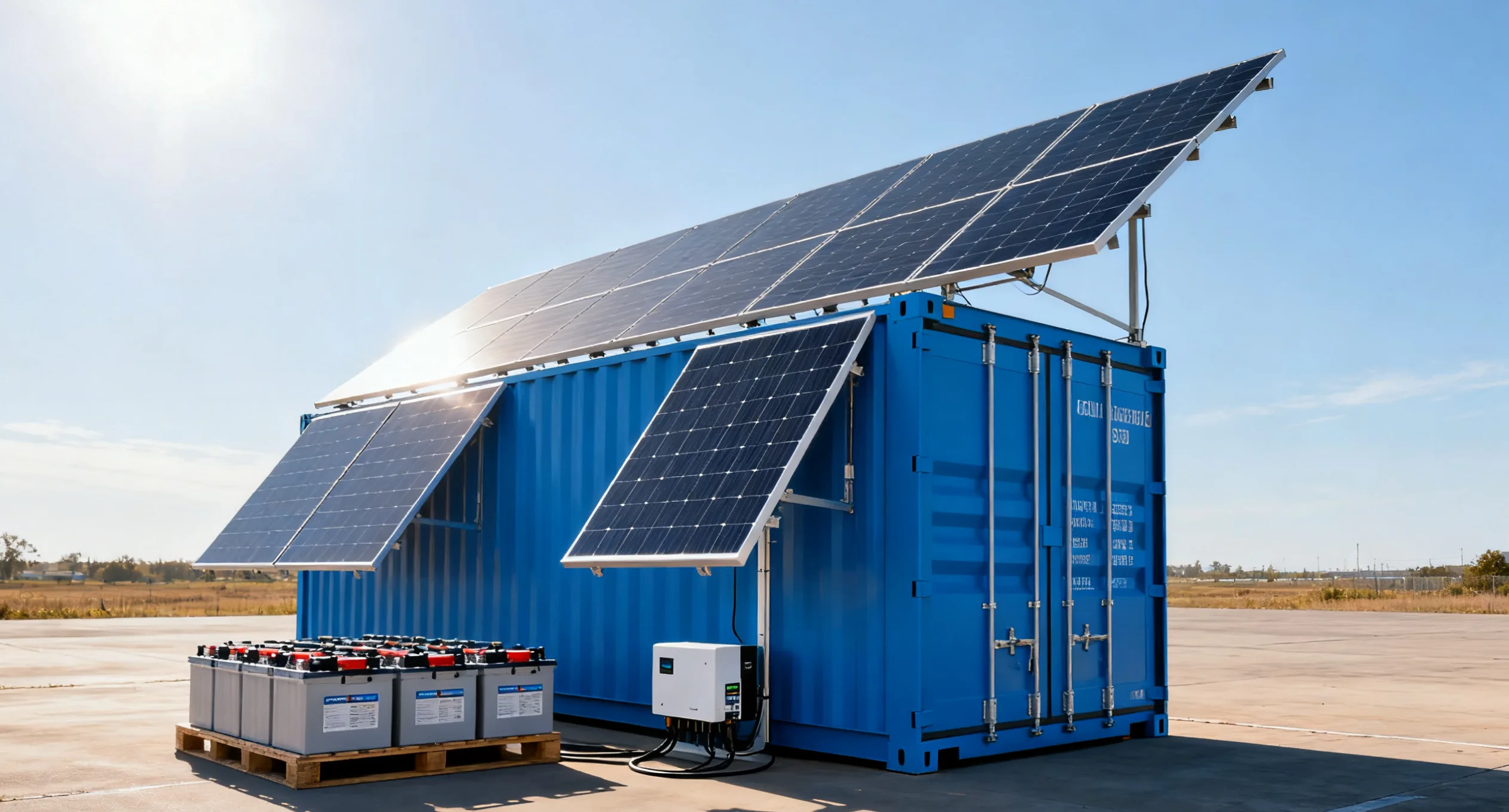
When most people imagine solar, they picture rooftop panels soaking up the sun. But in 2025, there’s another model emerging: the shipping container solar system. These systems combine panels, batteries, and inverters within a portable container, generating fast and agile power.
So how is this option different from conventional solar installations? And which might be more suitable for your needs?
What Is a Shipping Container Solar System?
A shipping container solar system is actually a pre-fabricated power plant in a shipping container. Fold-up panels, battery storage, and inverters are already installed and ready to deploy upon delivery. Within a few hours, the unit is unfolded and on the job.
Shipping container solar system describe modular, relocatable energy systems that can be installed quickly and moved easily.
The Traditional Solar Method
Traditional solar systems are static rooftop or ground-mounted panels. They’re reliable for permanent homes, companies, and offices. Installed, they provide clean power for decades with minimal upkeep.
They do require long site preparation, installation crews, and—once installed—cannot be relocated. That’s the main difference with containerized systems.

Key Differences Between the Two
Mobility:
- Containerized: Can be trucked, shipped, or even relocated seasonally.
- Conventional: Stationary in one place.
Deployment Speed:
- Containerized: Ready within hours or days.
- Conventional: Weeks or months to set up.
Scalability:
- Containerized: Add modules to expand capacity.
- Conventional: Recomes and new permits required.
Durability:
- Containerized: Secure in tough shipping containers.
- Conventional: Out in the open, albeit in stable environments.
What Solar System Do You Need?
Do you have a permanent site? Conventional solar is your best bet. It’s set up for permanence and economy long-term.
But if your work or daily life requires mobility—such as farms that change operations or disaster response efforts—a shipping container solar system is more fitting. Its portability and resilience set it apart.
Both approaches stimulate renewable adoption, yet each is better in various aspects. Conventional solar works best in static applications, whereas shipping container solar systems excel when speedy deployment and mobility are essential.

Contact US