
Solar Container for Indonesia’s 100 GW Solar Ambition
A new chapter is about to unfold in Indonesia’s energy journey, and the term of art for this new chapter is long-term solar expansion, which could reach 100 gigawatts of installed solar panels, thereby transforming Indonesia from an energy landscape dominated by fossil fuels to a new energy landscape dominated by solar energy.
This is not just about solar panels; this is about transforming the entire energy landscape of Indonesia, which is geographically one of the most complex countries in the world.
The first question to ask is how this solar power infrastructure can be rolled out across thousands of islands, remote industrial estates, and urban areas.
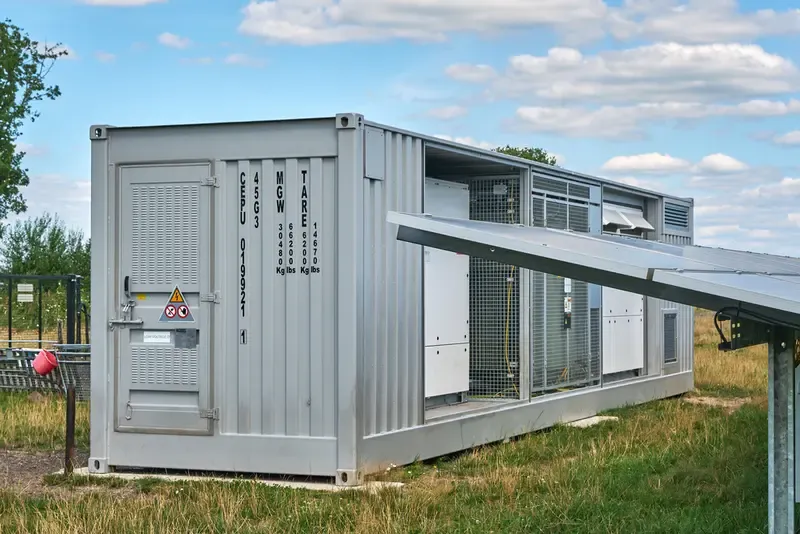
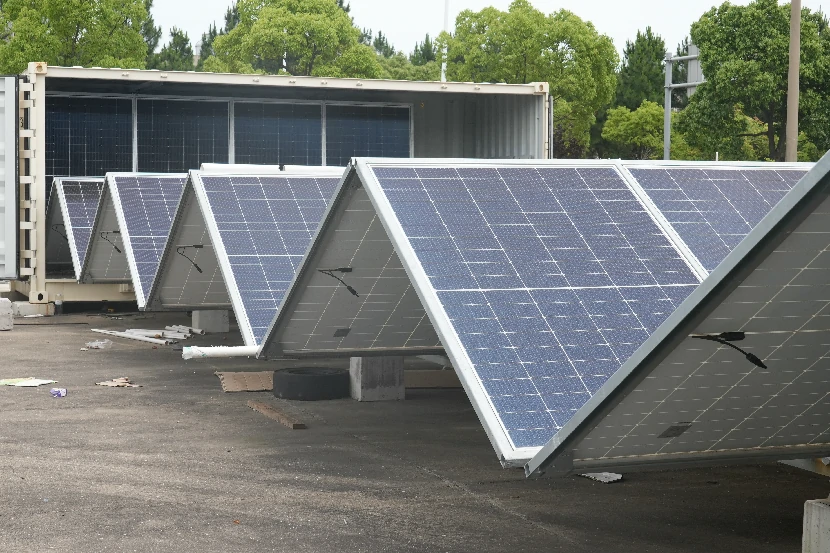
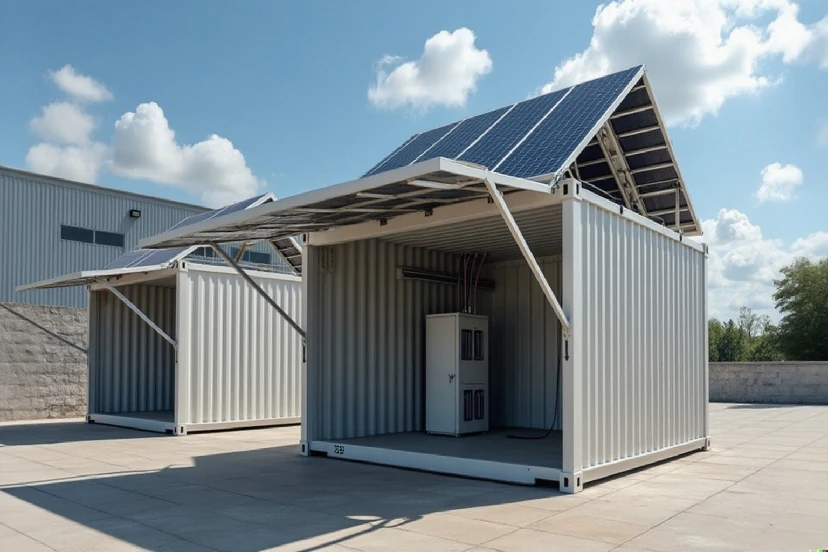
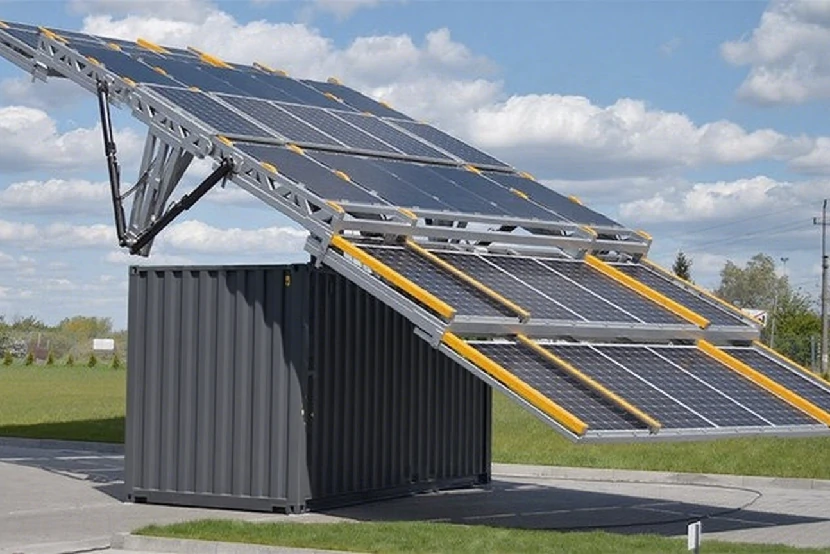
The answer to this question may lie in the solar container, which is essentially a modular solar energy system consisting of solar power equipment housed within shipping containers.
Why the 100 GW Solar Vision Creates New Infrastructure Challenges
Indonesia’s solar goals are massive in scale. Realizing it is not only about solar farms. There are structural issues to be resolved:
- An archipelago of more than 17,000 islands
- Industrialization of rural areas
- Diverse grid infrastructure across provinces
- Increasing demand for electricity in the mining, manufacturing, and logistics sectors
The study titled Unlocking Indonesia’s Renewable Energy Future, published by the Institute for Essential Services Reform, finds that Indonesia possesses vast renewable energy potential—particularly solar—that remains largely untapped, suggesting that expanding solar deployment could play a central role in the country’s energy transition.
The trick is to turn potential into real-world infrastructure with appropriate deployment models that can function in a wide range of environments.
Large solar farms will certainly be part of the equation. But they are not a panacea for all of the world’s energy access challenges.
The Geography Factor
Geography is a big driver in Indonesia’s energy strategy.
Some of the islands have small diesel-based power plants, and in others, there is aging infrastructure. At the same time, much of the industrial development is taking place in areas where grid infrastructure is not keeping up with development.
In such cases, a conventional centralized power plant is not always the quickest or easiest option.
What is needed is a distributed power system that can be easily rolled out and scaled up to meet growing demand. That is exactly where solar container systems start to make sense.
What the Solar Container Actually Includes
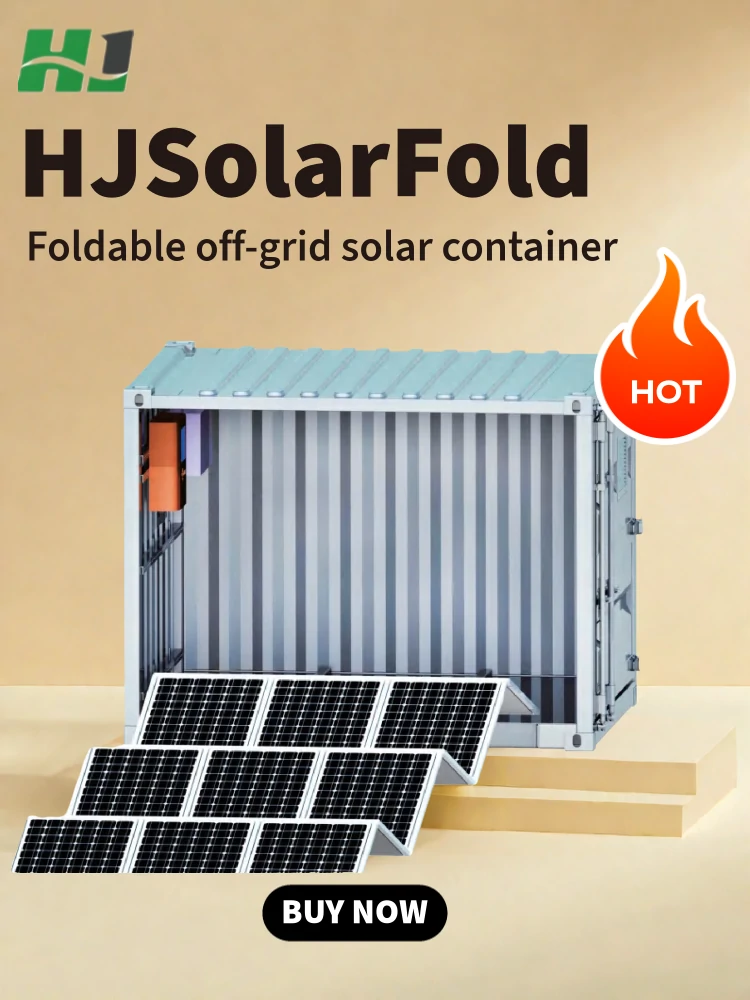
A solar container can be defined as an integrated energy unit, which is essentially compact and has the key components of the solar power system housed in a shipping container.
The solar container comes pre-assembled, which means that instead of having each and every component installed individually, the solar container comes pre-assembled.
The components include:
| Component | Purpose |
| Solar inverters | Convert DC electricity from panels into usable AC power |
| Battery energy storage | Store solar energy for evening or peak demand |
| Power distribution units | Manage load balancing and system integration |
| Monitoring systems | Enable remote diagnostics and performance tracking |
| Environmental protection | Maintain temperature and equipment stability |
As a result, these systems are easily transported via existing infrastructures.
This is important in an archipelago economy.
Why Shipping Containers Are Best for Energy Systems
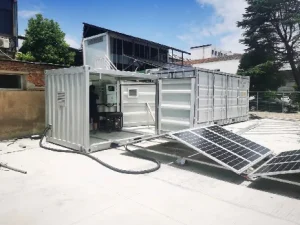
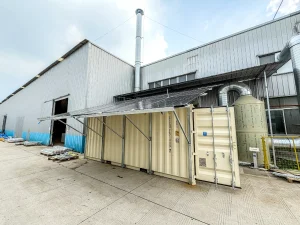
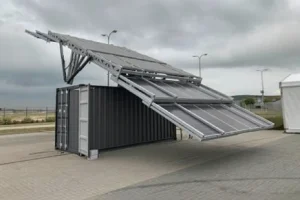
Shipping containers are already designed to withstand transportation and environmental extremes. Energy systems that are contained in shipping containers offer a number of benefits.
One of these is that shipping containers are easier to transport. Energy systems can travel via truck, ship, or train without any special preparation.
Second, shipping containers reduce installation times. Instead of setting up a brand new electrical system, it is possible to plug in a pre-configured unit and attach it to a solar panel and a local electrical demand.
Lastly, shipping containers are modular. Energy systems can start small and grow as electricity demand increases. One unit can be installed, and then additional shipping containers can be added to meet increasing demand.
Where Solar Shipping Containers Are Most Useful
In terms of Indonesia’s solar expansion, it plays the following roles:
It is not meant to replace utility-scale solar farms but can help in areas where such infrastructure is not feasible.
Remote Industrial Sites
Mining sites, construction sites, and resource extraction often occur in areas with limited access to strong grid infrastructure.
Traditionally, diesel generators serve as the power supply for such areas, but it is expensive and logistically difficult to supply diesel in such areas.
A solar shipping container system can help supply power at such industrial sites.
It can be combined with battery banks and generators to reduce fuel consumption significantly.
Temporary Infrastructure and Construction Projects
For infrastructure projects like construction of ports, roads, and industrial facilities, there is often a need for temporary power supply during construction.
A solar shipping container system can serve as the power supply for such construction sites.
Once construction is complete, it can be relocated to another construction site.
Island Microgrids
For smaller islands without robust transmission infrastructure, solar container systems can be considered as building blocks for microgrids.
Multiple units can be integrated to facilitate community electricity systems, thereby reducing dependency on diesel power plants.
This approach is also beneficial in terms of expansion as the population grows.
Containerized Solar vs Traditional Solar Installations
Knowledge of this difference can provide insight into where containerized solar systems can add the most value.
| Feature | Solar Container System | Conventional Solar Plant |
| Installation speed | Days or weeks | Several months or longer |
| Mobility | Relocatable | Permanent location |
| Infrastructure needs | Minimal site preparation | Significant civil works |
| Scalability | Modular expansion | Large initial investment |
| Typical applications | Remote sites, microgrids, industry | Utility-scale generation |
Both models are crucial for the solar future of Indonesia.
The key, however, is to use each model in the appropriate place.
From Ambitious Targets to Practical Energy Deployment
The 100 GW solar energy target of Indonesia presents one of the most exciting opportunities for the development of renewable energy in Southeast Asia. To reach the target, the country will need solar farms, rooftop solar, and the ability to deploy solar energy infrastructure in difficult conditions.
The solar container solution offers one such option in the broader solar ecosystem.
Renewable energy systems will be able to be deployed wherever the energy demand is greatest, be it in the middle of a mining operation, on an island, or in the development of a new industrial hub.
For those looking to assess solar and renewable energy opportunities in Indonesia, the solar container offers one solution: deploy, scale, and adapt to the changing energy environment in the country.
Contact US