
What Are the Disadvantages of a Hybrid Solar System?
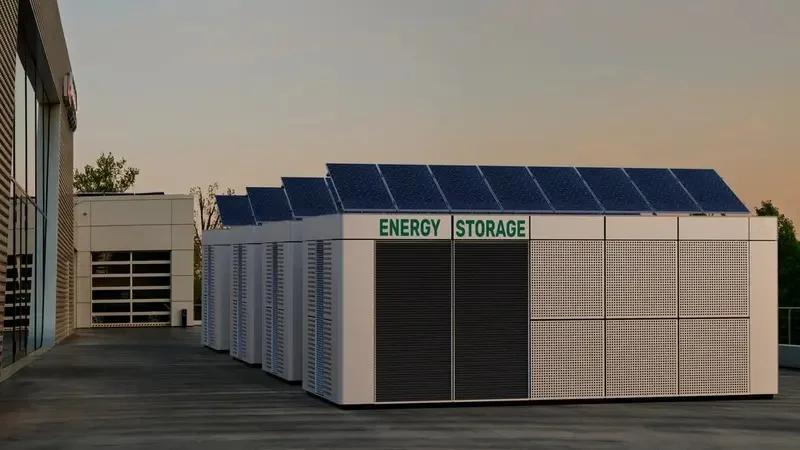
A hybrid solar system is usually touted as the best compromise between grid-tied and off-grid solar. It is a system where solar panels, batteries, and grid connection are all integrated. On paper, this sounds like the best solution. You get the benefits of backup, saving money, and all this is bundled up in one neat package.
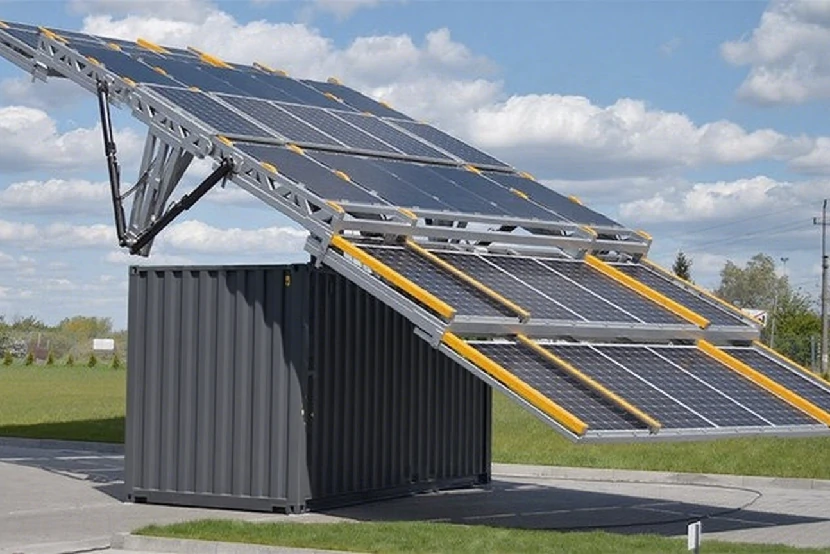
However, in practice, this is not necessarily the case. There are several disadvantages to a solar system that are not always made clear. These disadvantages become even more pertinent with the consideration of a solar system contained within a container.
It is important to be aware of these disadvantages before you install a solar system to avoid costly surprises.
Higher Upfront Cost Compared to Other Solar Systems
One of the major drawbacks of hybrid solar systems is the increased cost of investment. Unlike regular solar systems, hybrid solar systems require additional equipment. Some of the equipment needed for hybrid solar systems include:
- Battery storage systems
- Hybrid inverters
- Battery management systems
- Smart energy controllers
- Additional wiring and protection equipment
The cost of these additional equipment makes hybrid solar systems expensive. For instance, the cost of battery systems can sometimes double the cost of a basic solar system.
Containerized solar systems can sometimes make the cost of solar systems even higher. Some of the equipment included in containerized solar systems include:
- Pre-installed battery cabinets
- Cooling and ventilation equipment
- Structural modifications for the container
- Transport and deployment costs
The major advantage of containerized solar systems is the ease of installation. However, the concentration of different solar technologies in one container makes the cost of installation higher.
The payback period for some solar system users can sometimes be longer than anticipated. This is especially true for those living in regions with stable electricity from the public grid and lower electricity costs.
System Design and Integration Complexity
Hybrid solar systems are far more complex than traditional solar systems. This is because they have to accommodate different types of energy at any given time. These types of energy include:
- Solar energy
- Battery power
- Grid power
- Generator power (for systems that use them)
This complexity means that the systems have more points of failure.
The International Energy Agency’s publication How Hybrid PV Technologies Can Contribute to the Decarbonisation of Thailand’s Power System explains that hybrid solar deployments often require trade-offs between optimal solar resource locations, grid connection points, and storage system placement, which can reduce overall system efficiency and increase operational complexity.
In other words, hybrid solar systems are not as plug-and-play as one might think. Instead, there is a need to perform the following:
- Load Analysis
- Battery Sizing
- Grid Interaction Configuration
- Peak Demand Planning
- Backup Strategy Design
The complexity of design for hybrid solar systems makes it more time-consuming for engineers. However, it also increases the possibility of incorrect system sizing.
Containerized Solar Systems Add Additional Constraints
In terms of containerized solar systems, there are several additional constraints to consider, such as:
- Physical Space for Expansion
- Thermal Management within Containers
- Density of Equipment within Containers
- Weight of Containers during Transport
Although containerized solar systems are very portable, it should be noted that it can limit scalability in the future. As such, it is more critical to consider system design, as mistakes can become very costly.
Battery Maintenance and Replacement Costs
Battery storage is the defining characteristic of hybrid solar systems. However, it is also one of the biggest disadvantages.
Unlike solar panels, which have a lifespan of 25 years or more, the lifespan of a battery is:
- Lithium Batteries – 8-15 years
- Lead Acid Batteries – 3-7 years
This means that the lifespan of a hybrid solar system will require the replacement of the batteries at least once.
Battery performance also degrades over time:
- Reduced capacity
- Slower charging
- Lower efficiency
- Increased heat generation
The study titled Comprehensive techno-environmental evaluation of an isolated PV/wind/biomass hybrid microgrid, published by PLOS ONE, finds that hybrid energy systems require continuous optimization due to battery degradation and system performance fluctuations, which can increase long-term operational costs and maintenance requirements.
This means that the owner of the hybrid solar system will need to consider:
- Battery monitoring
- Maintenance requirements
- Replacement considerations
- Recycling options
This is not the case with the more simple grid-tied solar system.
More Complex Maintenance and Troubleshooting
Hybrid solar systems have more parts compared to the more simple solar system.
Hybrid solar system parts include:
- Solar panels
- Hybrid inverter
- Battery storage system
- Energy management system
- Grid connect interface
- Backup generator (optional)
This means that each part can be prone to failure. As such, troubleshooting can be quite complex.
For example:
- Is battery communication related to the problem?
- Is the inverter misconfigured?
- Is the grid interface limiting the output?
- Is there a problem in prioritizing the loads?
Such questions may require specialized technicians instead of general solar panel installation personnel.
Containerized solar systems are another factor which can complicate maintenance activities as all the components are integrated into a small space. This can make maintenance activities more time-consuming.
Efficiency Loss from Multiple Energy Conversions
More energy conversion steps are involved in the hybrid solar systems compared to the grid-tied systems:
- Solar panels produce DC power
- Power conversion from DC to AC for the loads
- Surplus energy conversion from AC to DC for the batteries
- Discharging from the batteries involves the conversion from DC to AC
As mentioned above, the efficiency of the system decreases due to the conversion losses. These losses may be observed in the following systems:
- Off-grid-leaning hybrid systems
- Backup-priority systems
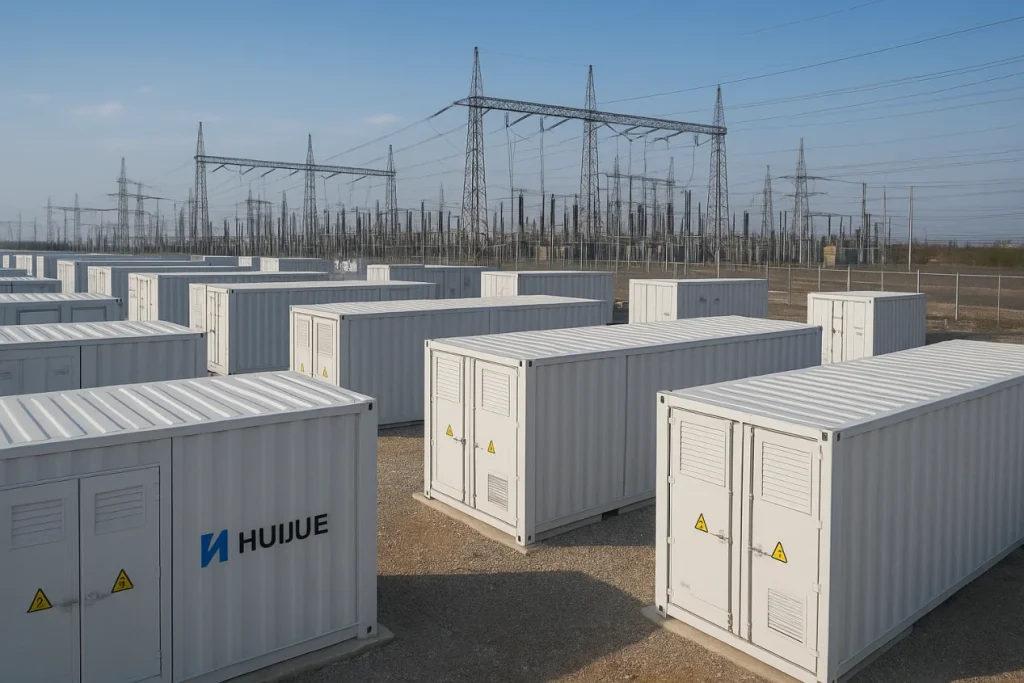
- Containerized microgrid systems
Sometimes the efficiency of the system may be less than expected.
Space and Infrastructure Requirements
For the hybrid solar systems, the following infrastructure would be needed:
- Battery cabinets
- Ventilation systems
- Safety clearance
- Fire protection systems
For the containerized solar systems, the above would be categorized under the following constraints:
- Cooling systems
- Fire suppression systems
- Structural reinforcements
- Access clearances
Although the use of containers makes the installation easy, it may add to the footprint and logistics of the containers.
For the commercial solar systems, the following may be required:
- Additional land acquisition
- Concrete foundations
- Crane installation
Longer Installation and Commissioning Time
Hybrid solar systems require more time for their implementation and commissioning compared to grid-tied systems.
Reasons include:
- Battery configuration
- System programming
- Setting up load prioritization
- Backup mode testing
- Grid interaction approval
Although the containerized solar system can minimize the time taken during the implementation process, it still requires:
- Planning of transportation
- Positioning and anchoring
- Electrical integration
- Safety inspections
Are Hybrid Solar System Disadvantages Always a Deal-Breaker?
Not necessarily. There are still some benefits to hybrid solar systems:
- Backup power
- Energy independence
- Peak shaving
- Remote operation capability
But again, there are some trade-offs. The hybrid solar systems will be most suitable for users when:
- Grid power reliability is poor
- Energy prices are high
- Backup power is required
- Remote operation capability is required
In users where grid power is stable and prices are average, the disadvantages may outweigh the advantages.
Final Considerations Before Choosing a Hybrid Solar System
Hybrid solar systems, while powerful, also have the drawback of being expensive and difficult to maintain. These factors contribute to the long-term viability and efficiency of the system.
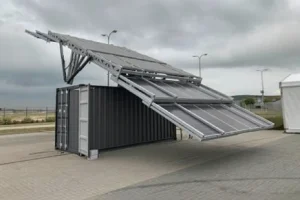
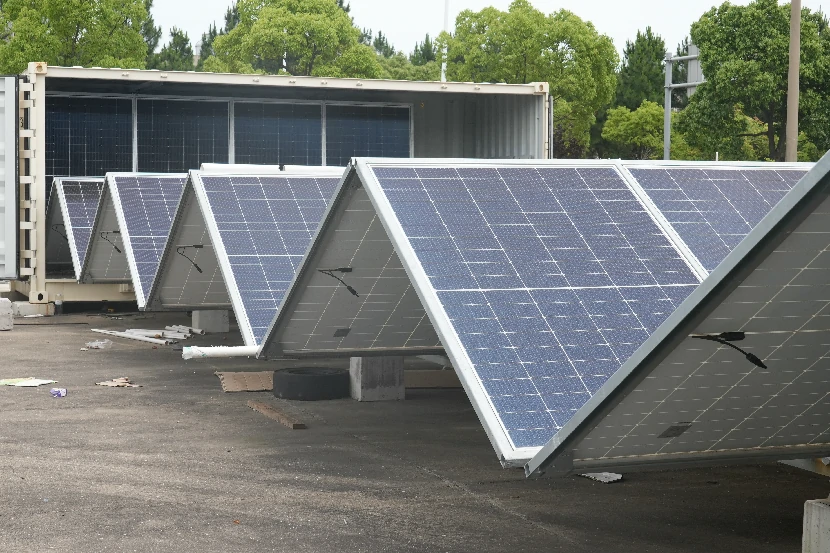
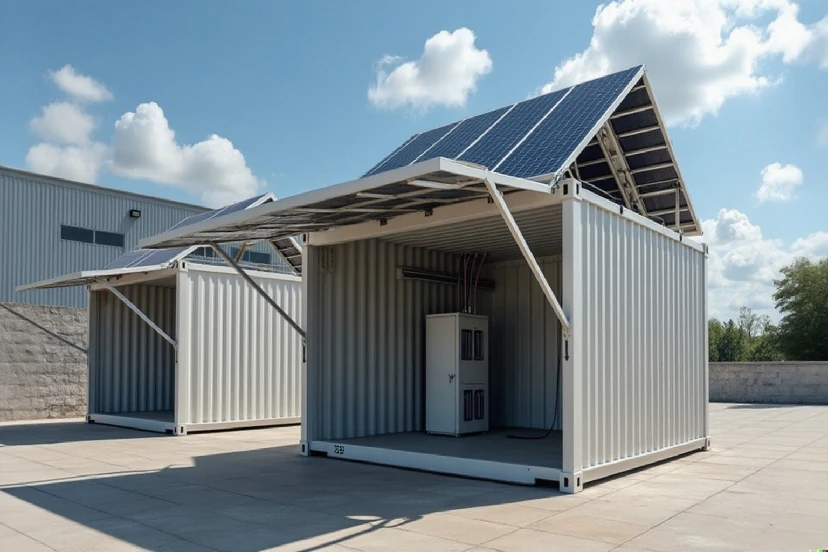
Containerized solar systems offer the advantages of portability and rapid deployment. However, they also offer the disadvantages of expansion limitations and system constraints.
Prior to entering a solar system contract, it’s necessary to assess the following factors:
- Energy usage patterns
- Budget and payback expectations
- Space availability
- Maintenance capability
- Future scalability needs
A hybrid solar system will function best when all the factors are in place. If not, a simpler system such as a grid-tied system or a modular solar system might be more cost-effective in the long term.
Contact US