
What Is an Island Renewable Energy System?
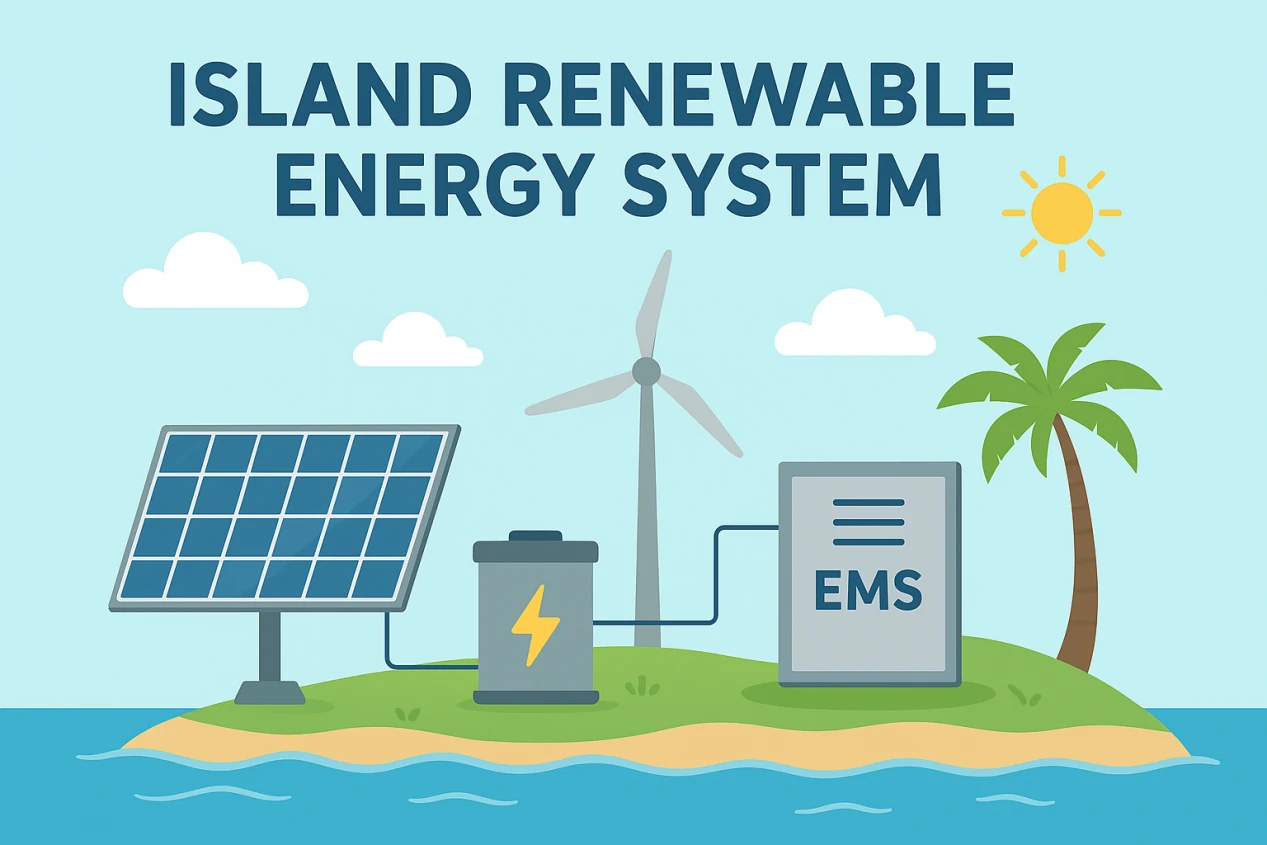
When people talk about renewable energy, they often imagine big wind farms or huge solar fields on the mainland. But there’s another interesting part of this story — island renewable energy systems. These systems are specially designed for islands, where the power situation is often very different from cities or big countries. Small islands, especially remote ones, face unique challenges like high fuel costs, unstable electricity, and limited access to national grids. That’s why renewable energy on islands is not just a green choice — it’s often a survival need.
So, what exactly is an island renewable energy system? In simple words, it’s a combination of clean energy sources (like solar, wind, or even ocean energy) and modern storage or control systems that together provide reliable power for an island community. It’s basically a small, independent power network that doesn’t depend on mainland electricity. Some call it a “microgrid,” but the key difference is — it’s built for island conditions, which means it must handle sudden weather changes, energy fluctuations, and sometimes isolation for months.
Why islands need renewable systems
Traditional island power generation usually depends on diesel generators. They are simple and fast to install, but extremely expensive to operate. Think about the cost of transporting fuel to a remote island — plus the carbon footprint! For many islands, the cost of electricity can be 3–5 times higher than on the mainland. And if a ship can’t deliver fuel on time, people may literally face power cuts.
That’s where renewable energy systems come in. Solar panels can be placed on rooftops or open land, wind turbines can take advantage of strong sea breezes, and battery storage can keep the lights on even when the sun goes down. In some cases, islands are also experimenting with tidal or wave energy, since the ocean is right next door. Combining these technologies reduces diesel use, saves money, and improves energy security.
How an island renewable system works
A typical island renewable system includes three key parts:
- Energy generation– mainly solar, wind, or sometimes biomass or ocean energy.
- Energy storage– usually lithium-ion or sodium battery systems, which balance supply and demand.
- Energy management system (EMS)– smart software that monitors energy flow, predicts load demand, and makes sure everything runs smoothly.
For example, during the day, solar panels might produce more power than needed. The system stores the extra energy in batteries. At night or during cloudy weather, those batteries release stored energy to keep things running. The EMS automatically adjusts how much power comes from solar, wind, or storage — no human needed most of the time.
Some modern systems even include backup generators, just in case renewable supply drops too low. But in well-designed systems, renewables can provide 70%–100% of daily energy needs.
Real-world examples
Islands around the world are already making big changes. Take Ta‘ū Island in American Samoa — it runs almost entirely on solar power combined with Tesla batteries. Then there’s El Hierro in Spain’s Canary Islands, which mixes wind turbines with a hydro storage system built in a volcanic crater. In the Maldives, resorts are switching to solar-diesel hybrid systems to reduce pollution and costs. Each island finds its own mix, depending on the local weather, size, and energy demand.
Benefits beyond clean power
The beauty of island renewable systems goes beyond just saving fuel. They can:
– Improve energy independence, meaning no need to rely on imported diesel.
– Cut down CO₂ emissions, helping with global climate goals.
– Support local jobs — installation, maintenance, and tech work often involve local people.
– Provide stable electricity for hospitals, schools, and communication systems.
Some islands even use their renewable systems as a tourism attraction — “eco-islands” that show the world a sustainable lifestyle.
Challenges and the way forward
Of course, it’s not all easy. High upfront costs, lack of skilled technicians, and difficult maintenance in remote areas can slow down projects. Also, renewable energy depends a lot on the weather — cloudy days or long calm periods can reduce generation. That’s why smart design, strong storage, and reliable control systems are so important.
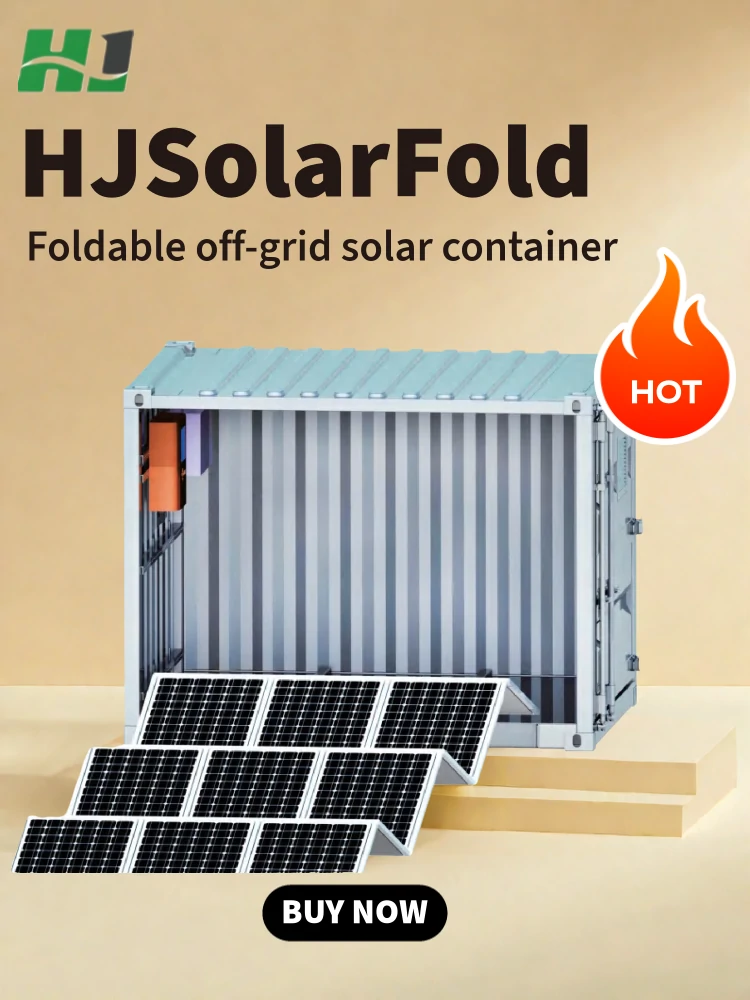
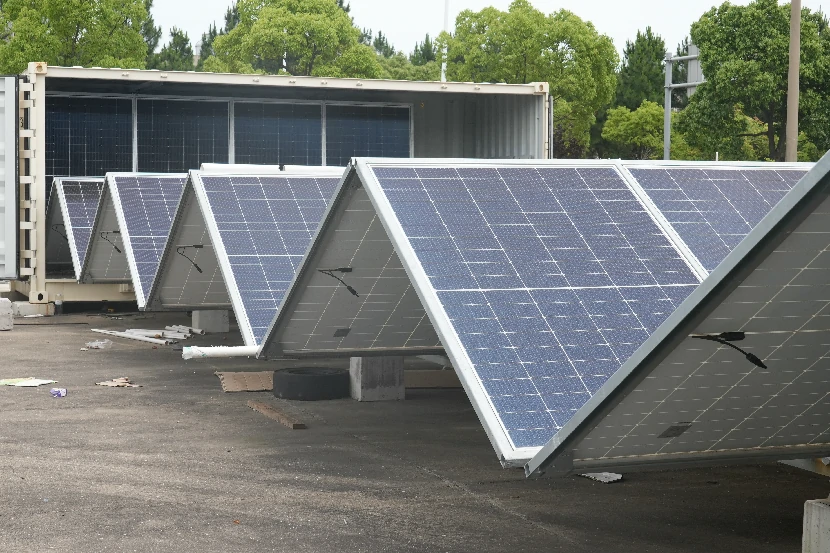
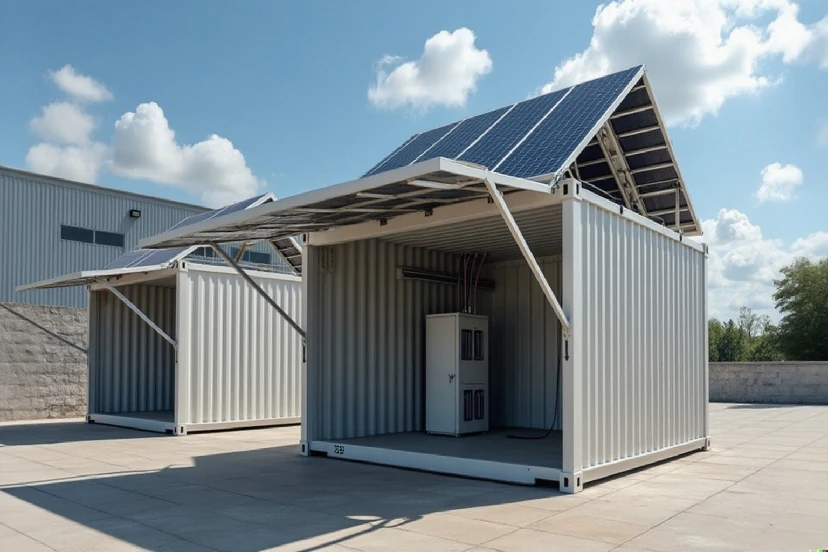
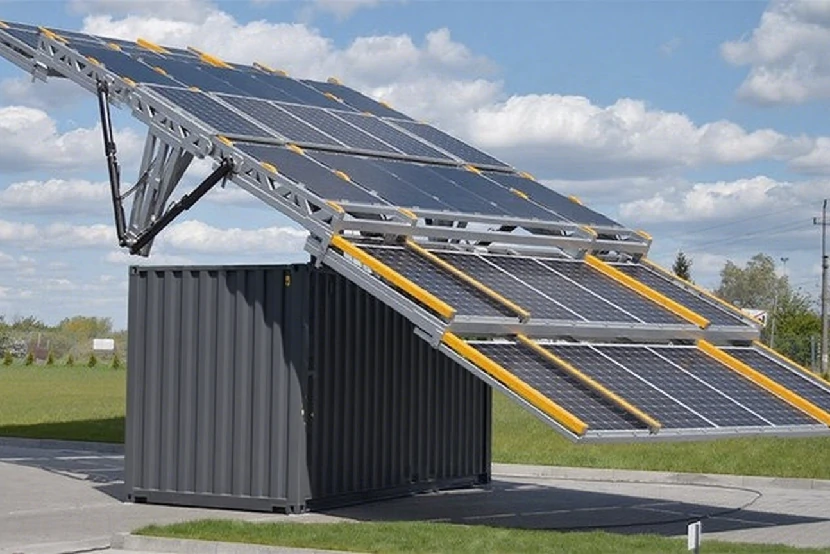
In the future, new technologies like modular solar containers, liquid-cooled battery systems, and AI-based EMS will make island renewable energy more flexible and affordable. Governments and companies are also offering more support, knowing that these systems are key to reaching global net-zero goals.
Final thoughts
Island renewable energy systems are not just an idea — they’re a growing reality. From the Pacific to the Caribbean, small communities are proving that clean energy can power even the most remote places on Earth. It’s not always perfect, and sometimes things break or need adjustment, but every system built brings us closer to a sustainable future.
In short, islands might be small, but they’re showing the world something big — that renewable energy, when done right, can truly stand alone.
Contact US