
What Is Off-Grid Solar Container? The Future of Portable Clean Energy
In a world where power outages and remote operations are more common than we’d like, a growing number of people are asking: what is an off-grid solar container, and how can it help? Whether you’re running a construction site in the mountains or preparing for the next natural disaster, these solar-powered units are quietly transforming how we think about mobile energy.
Off-Grid Solar Container Explained: A Compact Powerhouse
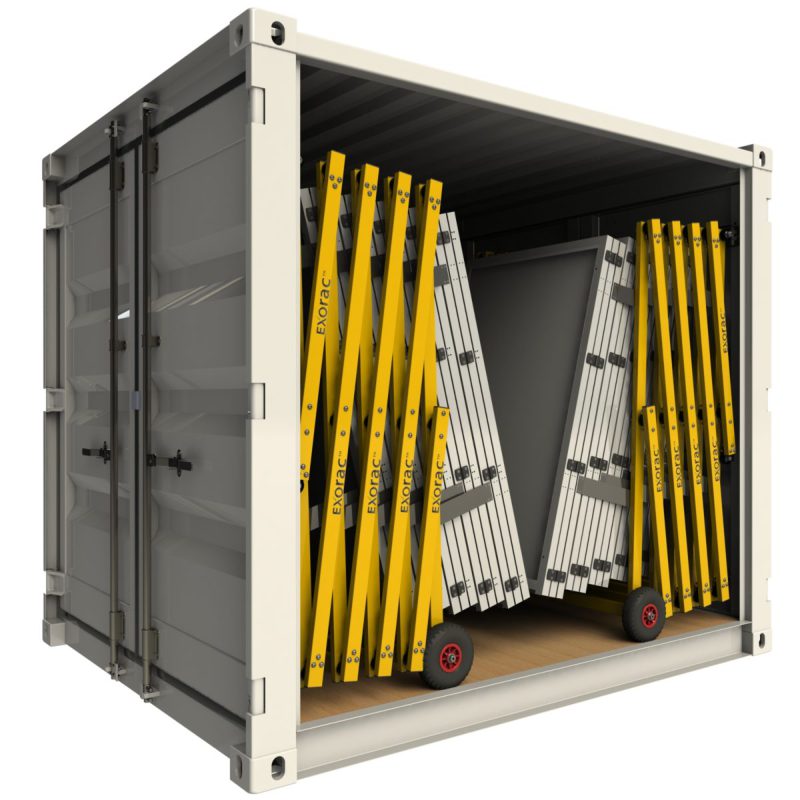
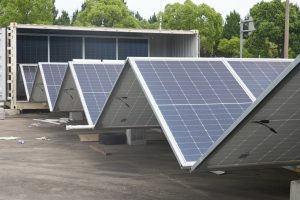
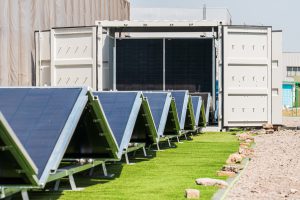
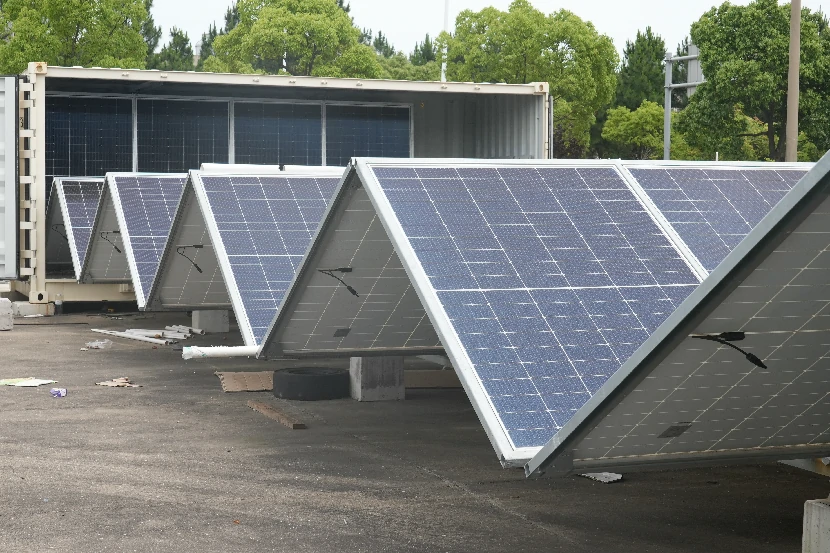
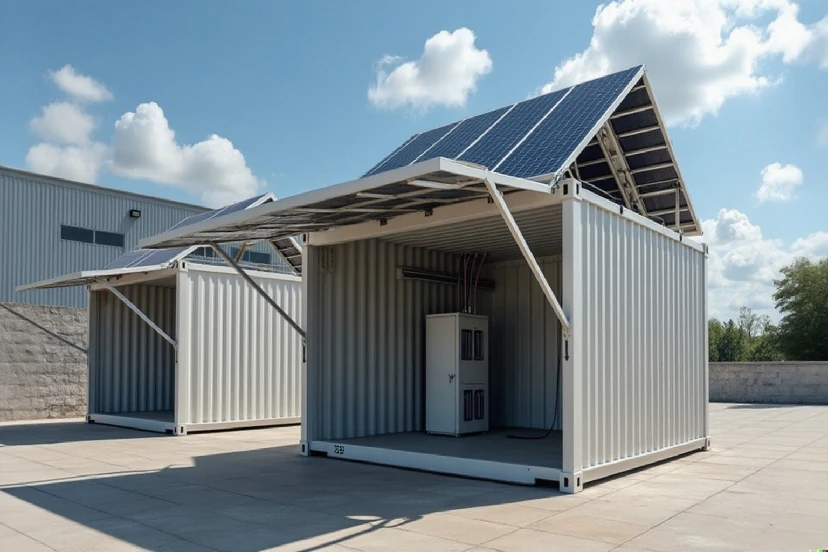
An off-grid solar container is a mobile, self-contained power unit that generates electricity using solar panels, stores it in batteries, and delivers clean, reliable energy—without any connection to the traditional power grid. Think of it as a solar power station in a box.
Most systems are built into standard shipping containers and include:
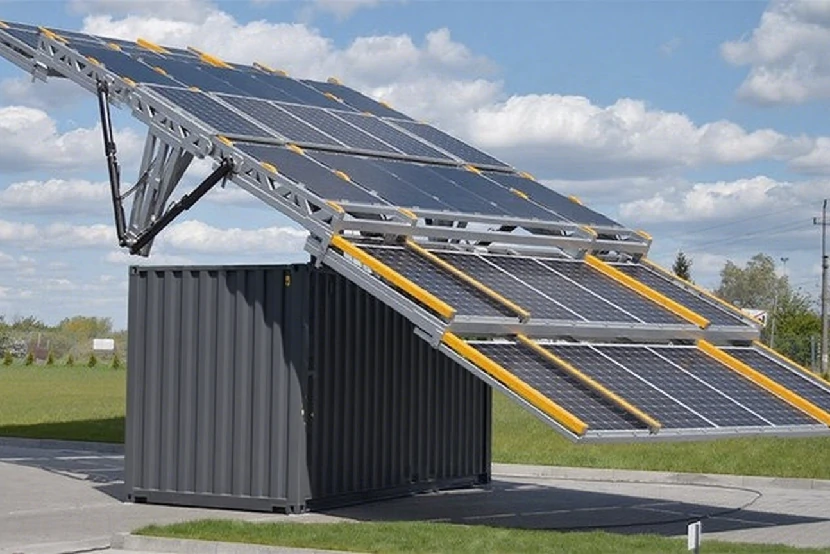
- Fold-out or fixed solar PV panels (e.g., 18 kW capacity)
- High-capacity lithium-ion battery storage (commonly 80 kWh or more)
- Smart energy management systems (like SmartWatt™ EMS)
- Inverters for both AC and DC output
Some models even support hybrid functionality, meaning they can integrate with backup diesel or wind systems if needed. But the real magic lies in their portability and plug-and-play design.
Who Uses Off-Grid Solar Containers—and Why?
These units aren’t just for tech nerds or green idealists. They’re becoming game-changers for:
- Remote construction sites (where grid access is poor or expensive)
- Disaster recovery zones (where speed and self-sufficiency are critical)
- Military or NGO operations (needing silent, fuel-free energy in the field)
- Sustainable infrastructure projects (driven by low-carbon goals)
Let’s take a real example:
In Nujiang, Yunnan Province, a civil engineering firm deployed two OES-Core-10 solar containers for a massive tunnel project. Before that, they were spending nearly ¥100,000 per month on diesel, dealing with noise, fumes, and fuel transport issues. After switching, not only did they cut emissions by 12 tons per month, but they also hit full daytime energy independence.
Here’s a question worth asking: Why not just use diesel generators?
Well, besides being noisy and expensive, diesel isn’t exactly “future-proof.” With rising fuel costs, noise regulations, and environmental restrictions tightening in Europe and Asia alike, solar is often a cleaner—and cheaper—bet.
Noise, Compliance & Urban Projects: A Quiet Revolution
You might be surprised to know that off-grid solar containers aren’t just for remote areas. In a recent European high-rise project, located in a noise-sensitive urban zone, traditional diesel generators exceeded allowable decibel levels.
The company instead deployed three OES-Core-10 containers, each operating at under 45 dB—quiet enough to comply with EU urban noise standards. These solar containers powered 30% of the building’s energy needs, saving around €15,000 per month in energy costs.
So yes, they’re urban-proof too.
Why Off-Grid Solar Containers Are Gaining Popularity
Sustainability with Zero Fuel
No fossil fuels. No refueling logistics. No carbon guilt. They simply unfold, capture the sun, and go to work. Perfect for ESG-focused companies.
Instant Deployment
Most units can be deployed in under an hour. In fact, OES-Core-10 systems have been set up in less than one workday by trained volunteers—no engineers needed.
Modularity & Scalability
Need more power? Just add more containers. Each unit can operate independently or be linked together to support higher loads.
Energy Autonomy
Systems typically support 4–6 hours of night usage thanks to battery storage. That means power stays on long after the sun goes down.
Trends & Innovations
We’re seeing increased adoption in:
- Temporary infrastructure
- Smart cities
- Post-conflict recovery zones
- Agricultural tech deployments
Companies like OES (Offgrid Energy Systems) are leading the charge with scalable, AI-managed energy systems that work in cloud-heavy, high-altitude, or even extreme weather environments.
It raises another important question: Are off-grid solar containers reliable in poor weather conditions?
Actually, yes. Advanced EMS (Energy Management Systems) and improved PV cell tech ensure consistent output, even in overcast conditions—perfect for places like Scotland, Sichuan, or Seattle.
How Much Do Off-Grid Solar Containers Cost to Run?
While the upfront investment varies, the real story is in cost avoidance. With diesel generators, you’re paying for:
- Fuel (volatile pricing)
- Transport logistics
- Maintenance & replacement
- Emission fees or carbon taxes (in some regions)
An off-grid solar container pays for itself in as little as 12–15 months in fuel savings alone, as seen in both the Yunnan and European high-rise cases. From there, it’s nearly free power.
Off-Grid Solar Containers Are Here to Stay
So, what is an off-grid solar container really?
It’s a portable, scalable, silent energy source—and a bold alternative to outdated, noisy, and dirty diesel-powered systems. Whether you’re managing a remote mining site in Western Australia, rebuilding after a typhoon in the Philippines, or building Europe’s next skyscraper, off-grid solar is no longer a fringe solution—it’s the smart one.
Contact US