
What is the Average Mobile Solar Container Cost?
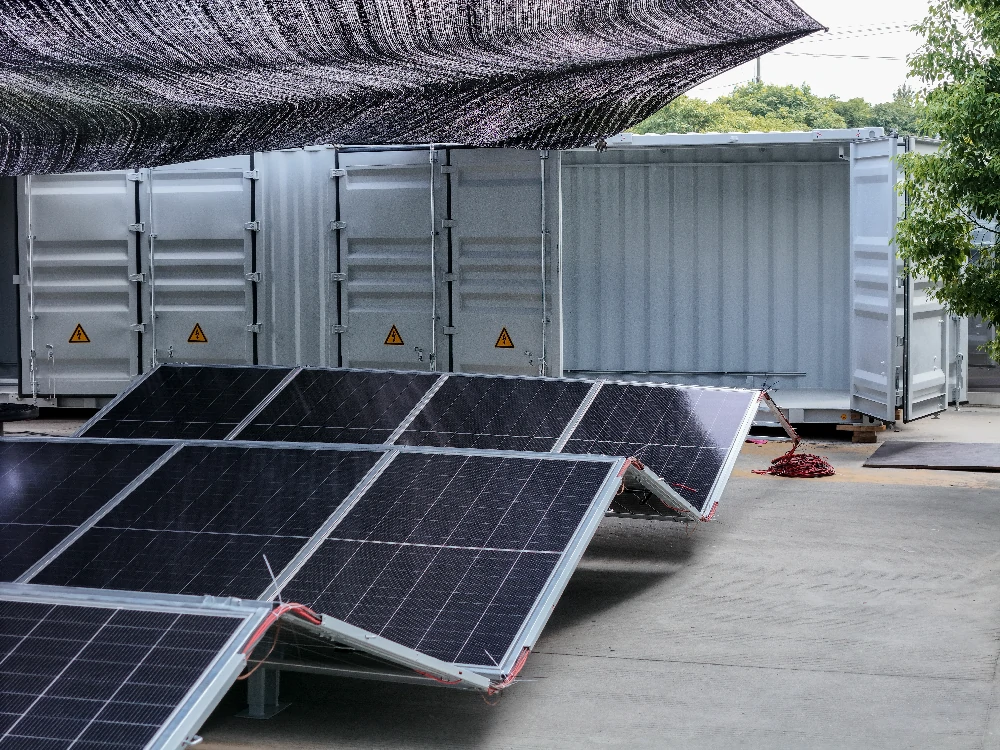
Upon learning about a mobile solar container for the very first time, the initial question is always: How much does it cost, and is it worth the investment? The response is dependent on size, capacity, and construction. Currently, as of 2025, the cost of a completely contained off-grid power container is between USD 25,000 and USD 65,000, which makes them affordable as a viable but not cheap option for off-grid availability of power.
What is a Mobile Solar Container?
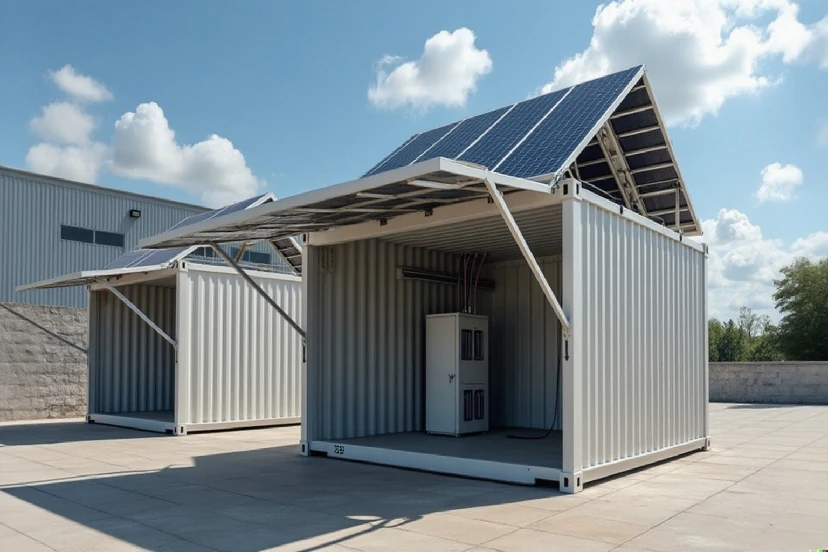
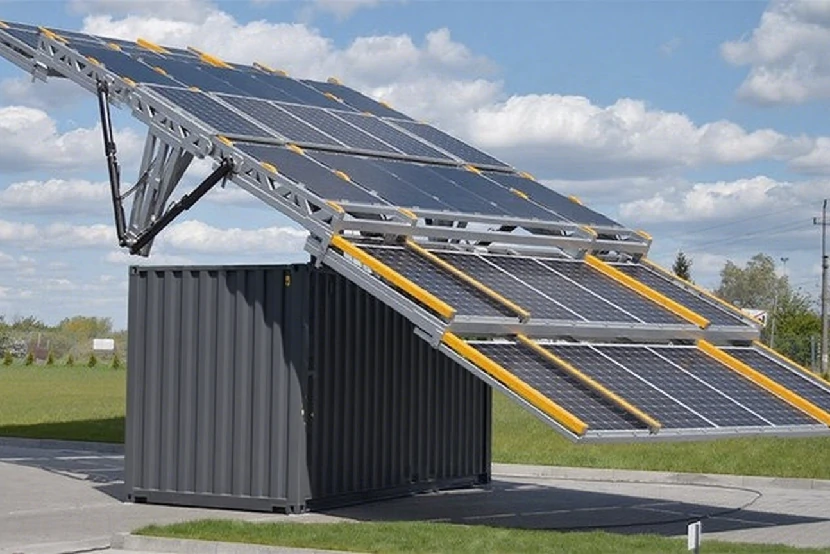
A mobile solar container is a shipping container converted into an independent solar power system. It is typically made up of:
- Solar panels (tend to be foldable for easy transport)
- An inverter, ideally pure sine wave to achieve full efficiency
- A lithium battery bank
- Plug-and-play connectors for easy deployment
This raises a common question: Why not just buy solo solar panels and a battery? The engineering distinction is what divides it. A solar container is pre-installed, portable, weatherproofed, and configured to be a plug-and-play power station. That level of strength and ease is what justifies the price premium.
Average Price Range in 2025
Depending on system size, this is the cost split on mobile solar container pricing:
| Type of Solar Container | Capacity (kW) | Battery Size | Average Price (USD) |
| Small (basic/emergency) | 5–10 kW | 30–50 kWh | $25,000–$30,000 |
| Medium (business/clinic) | 15–30 kW | 80–150 kWh | $35,000–$50,000 |
| Large (community scale) | 50–100 kW | 200–400 kWh | $55,000–$65,000 |
You would say here: Isn’t that more than a diesel generator? Initially, yes. However, over the lifetime of a solar container, it tends to be less expensive because fuel is zero, maintenance costs are lower, and it can increase by adding panels or batteries.
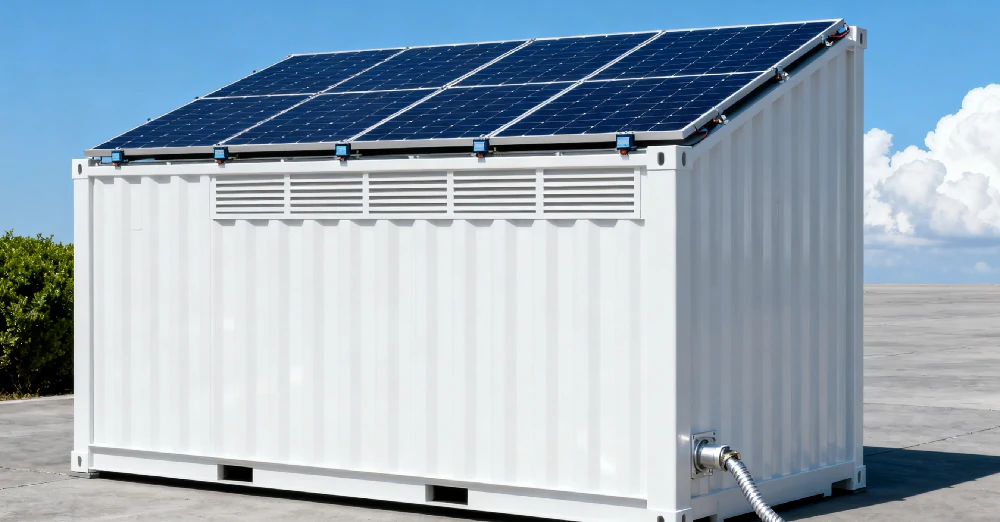
Why Are Mobile Solar Containers So Expensive?
The main cost drivers are self-evident:
1.Lithium battery systems – By far the most expensive component. According to the PNNL 2022 Energy Storage Cost and Performance Assessment, while lithium-ion prices dropped hugely between 2010 and 2020, more recent supply chain disruptions and heightened raw material demand have slowed that trend (PNNL report).
2.Integration and portability – All the gear must be loaded into a container, typically including foldable solar panels and modular cable sets.
3.Durability for harsh environments – Those containers are designed strong enough to withstand high and low temperatures, dust, and shipping stress.
Are these expenses going to decrease in the near future? According to market tendencies, expenses will tend to stabilize post-2026 with rising global battery manufacturing, though regional tariffs and shipping rates will still maintain local expenses relatively higher.
Real-World Applications
Humanitarian Aid in East Africa
The mobile solar container have been implemented in rural Kenya to power health clinics. At around $40,000 per unit, they are undoubtedly pricey, but they provide a stable source of electricity for lighting and vaccine storage, which a conventional off-grid solar array could not without taking up the entire installation.
Remote Mining Camps in Northern Canada
Canadian mining in the north is turning to solar containers as a diesel backup. While the initial investment reached $60,000 per unit, payback was achieved within five years due to fuel savings and reduced maintenance.
The instances answer a frequent query: Do solar containers really replace diesel generators? The answer is yes, where sunlight is good, though hybrid systems are employed at times for the purposes of redundancy during times of low sun.
Market Trends and Future Outlook
The price of solar containers depends on the global price of solar PV and storage. The IRENA Renewable Power Generation Costs in 2022 report highlights that solar PV prices fell more than 80% from 2010, as solar power has become cheaper compared to fossil fuel power generation in the majority of the world (IRENA report).
So, while a $30,000 to $60,000 solar container may seem steep today, the long-term competitiveness against fuel-based systems is increasingly clear. And for organizations working in off-grid locations, the decision often comes down to reliability rather than upfront cost.
Practical Buying Considerations
If you’re considering a mobile solar container, here are a few things to keep in mind:
- Warranty should cover at least three years on batteries.
- Cycle life of more than 3,000 is a good sign for lithium systems.
- Think in terms of cost per useful kWh, not initial cost.
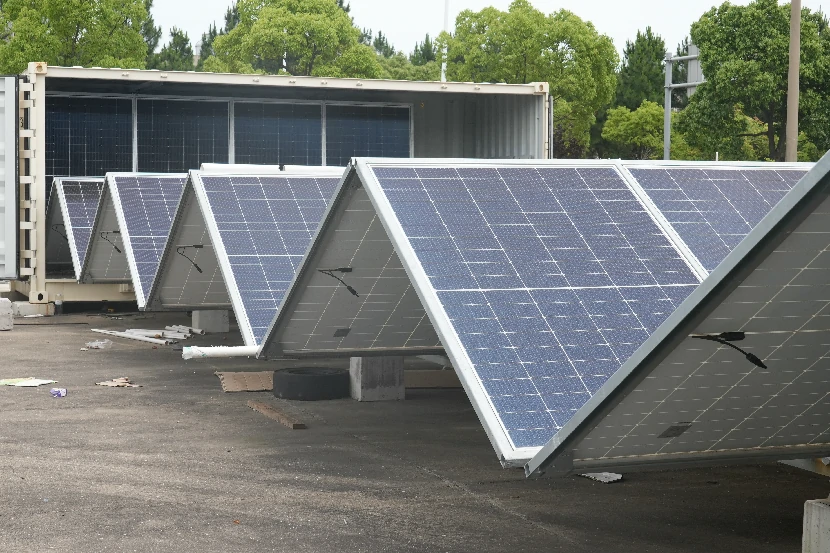
- Foldable solar containers are more costly but save on logistics expense.
- Verify always whether there are any local partners for after-sales services.
Contact US