
What Is the Cheapest Source of Electricity in Australia?
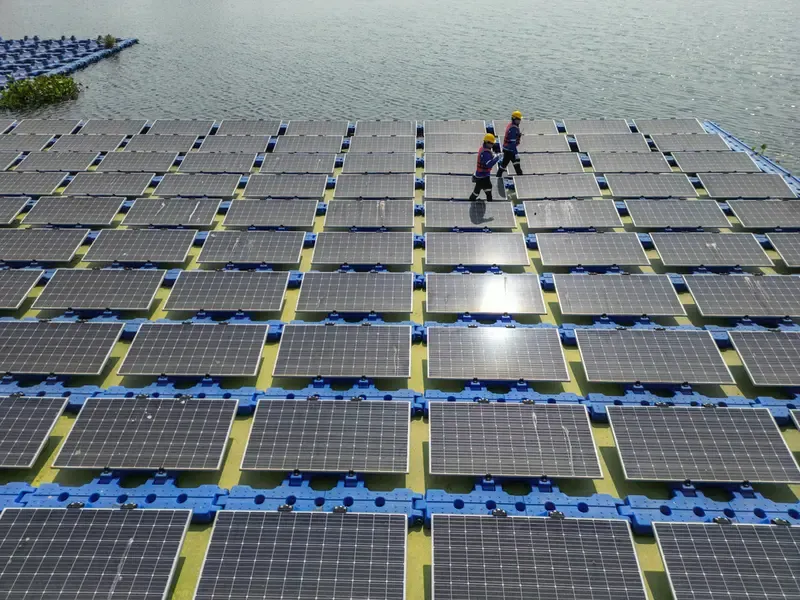
If you are trying to determine the cheapest source of electricity in Australia, the answer has become increasingly clear over the past few years: solar energy is the cheapest source of electricity. Not only has it become the cheapest source of electricity compared to traditional fossil fuels, but it is also revolutionizing the approach to the use and implementation of electricity systems and their scalability, especially in the form of containerized solar systems.
To understand why solar energy is the cheapest source of electricity in Australia, it is essential to understand that it is not just the cost of generating electricity that determines the cost of the end product.
Why solar is the cheapest source of electricity in Australia
The cost advantage of solar energy over other forms of electricity is not a recent phenomenon.
The Australian Government Ministerial Release’s publication Joint media release: Renewables lead as Australia’s cheapest energy source shows that renewable energy—particularly solar combined with storage—now represents the lowest-cost form of new electricity generation in Australia.
This conclusion is noteworthy because it is not only the cost of generating the power, but the system cost. Solar power benefits from:
- Zero cost of fuel once installed
- Minimal cost of operation
- Rapid deployment time
- Ability to scale from small systems to large power plants
In comparison to coal or gas power plants, whose fuel costs are subject to price fluctuations, solar power provides a stable cost structure.
How solar power compares to other energy sources in Australia
To have a comprehensive view of the situation, it is imperative to compare solar power to other energy sources.
| Energy Source | Cost Trend | Key Cost Drivers | Flexibility |
| Solar PV | Rapidly declining | Equipment + installation | High |
| Wind | Low | Turbine + site conditions | Medium |
| Coal | Increasing | Fuel + maintenance | Low |
| Natural Gas | Volatile | Fuel price fluctuations | Medium |
| Diesel (off-grid) | Very high | Fuel transport + consumption | Low |
Solar is differentiated from the rest by the elimination of the largest cost factor over time: fuel. In the case of off-grid locations, the cost of diesel is usually very high due to logistical challenges.
The Role of Solar Containers in Reducing the Cost of Electricity
While solar farms are already cost-effective, solar containers are taking the cost-effectiveness of solar power a step further.
What is a Containerized Solar System?
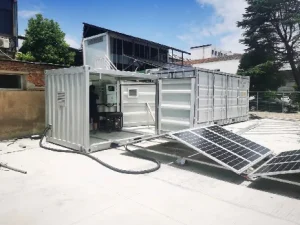
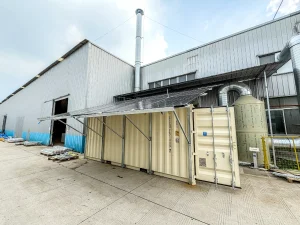
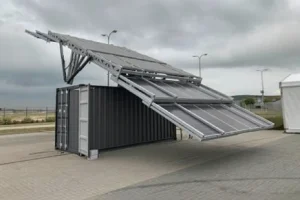
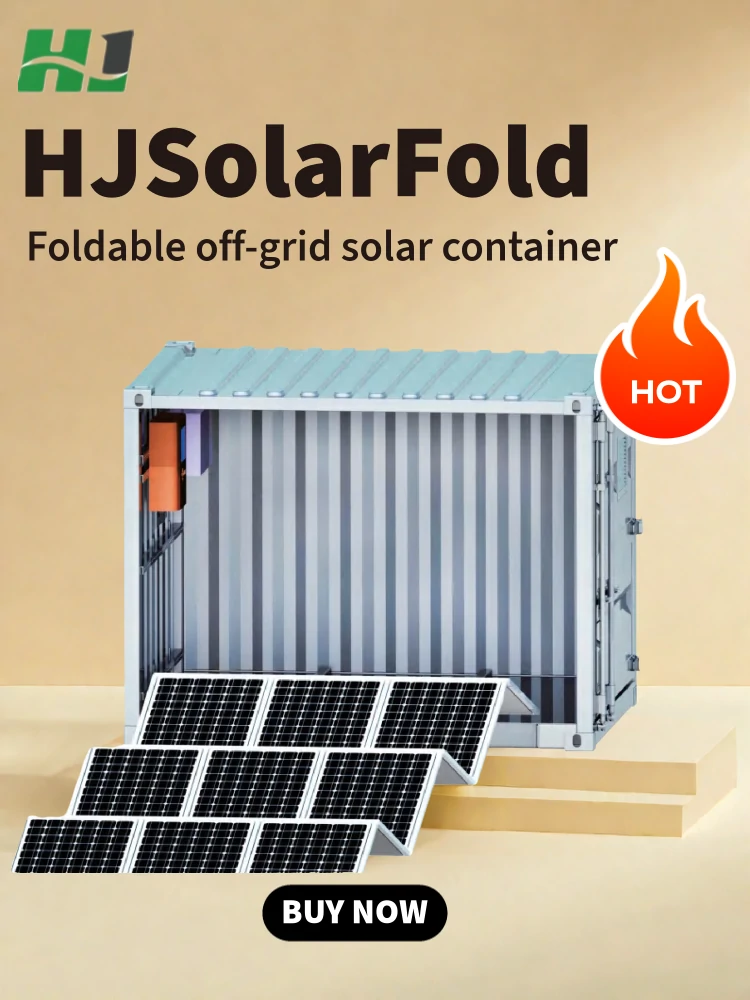
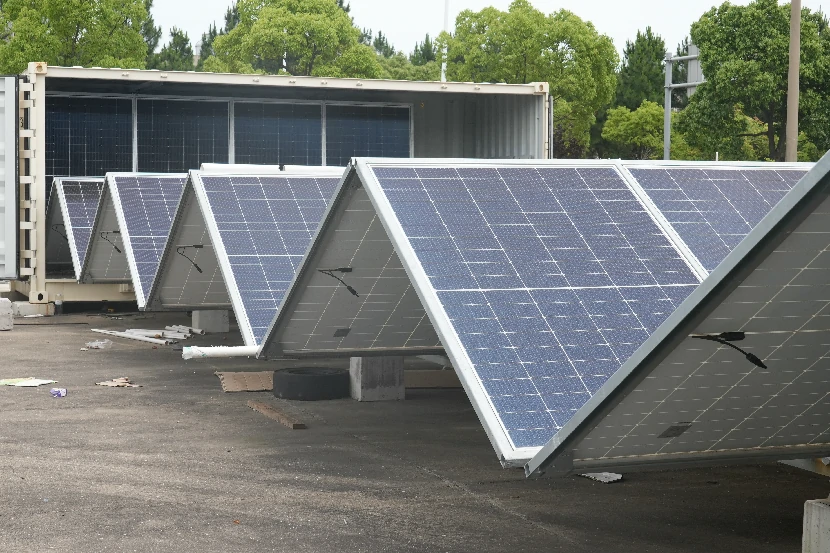
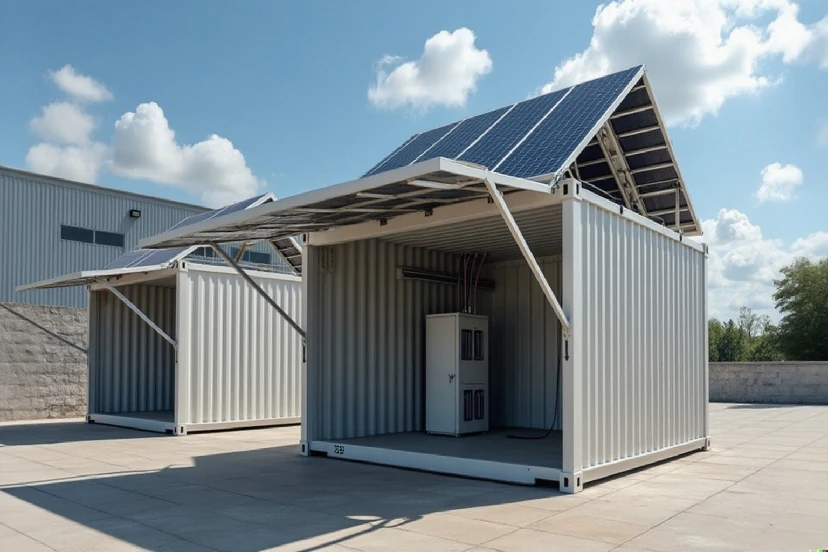
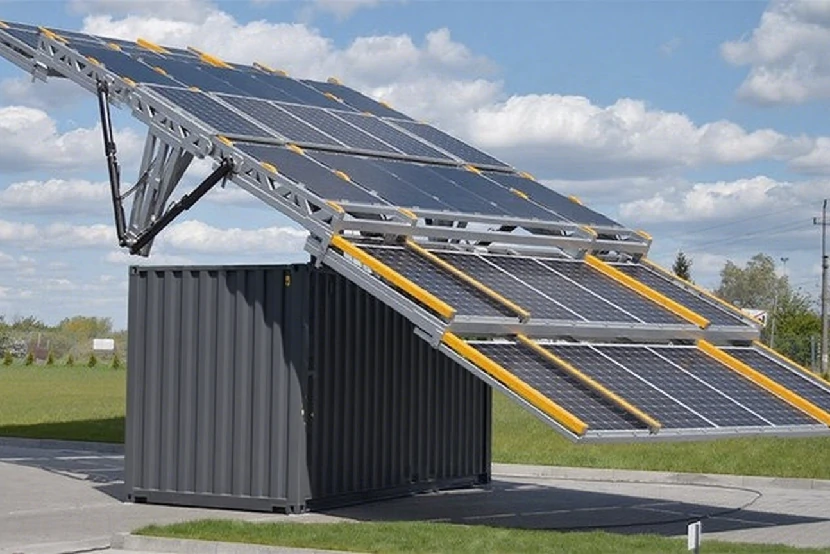
A solar container is a solar power system that is already assembled inside a shipping container. It is usually installed at a site where it is not possible to build due to cost.
Typical features include:
- Fold-out or pre-mounted solar panels
- Integrated inverters and control systems
- Optional battery storage
- Plug-and-play installation design
Why containerized solar lowers total electricity cost
Containerized systems help in cutting down costs not by making solar panels cheaper, but by cutting down on everything else around it.
Firstly, it helps in cutting down on installation costs. Since it is a pre-assembled system, it requires less labor for installation. This is particularly important for remote areas in Australia, as labor is quite costly in such areas.
Secondly, it helps in cutting down on deployment time. The sooner it is deployed, the sooner it will start generating returns for us.
Thirdly, it helps in adding economic mobility. If the demand for solar power decreases, it can always be moved to another location, thus not going waste.
Lastly, it helps in adding storage, which is in line with the overall finding that solar power combined with storage has the least cost for a system, particularly if it is a reliable system.
When solar is not the absolute cheapest option
Though solar is generally the cheapest source of electricity, there are certain situations where other sources of power might compete:
Short-term power requirements
For very short periods of time, diesel generators can still be used as they are instantly available and require less setup cost, even though they incur higher operational costs.
Locations where solar irradiance is less
For locations where solar irradiance is consistently low, the efficiency of solar power generation is less. But in most of Australia, solar irradiance is high, making this a less likely situation.
Grid constraints
At certain locations, grid integration costs might act as a constraint for solar power deployment. But distributed solutions like containerized solutions can help solve this problem.
The future of cheap electricity in Australia
The direction is quite obvious: solar is not only the cheapest source of power today, but it is also becoming increasingly flexible. The mix of solar power production, battery storage, and modular deployment is revolutionizing the way energy systems are designed.
Solar systems in containers are an indication of the move from a centralized approach to energy production. In the past, energy production had to be done at a large scale. However, today it is possible to generate energy near the point of use.
With the improvement of technology, the price gap between solar power and conventional power is expected to increase.
What this means for energy users and decision-makers
For businesses, developers, and remote operations, this means:
- Solar is now the default choice for new energy projects
- Containerized solar is particularly well-suited for remote, temporary, or mobile applications
- Solar combined with storage is key for maximum cost savings and reliability
In some cases, it is no longer a matter of whether solar is the least cost solution, but how it can be done in the most effective way.
Choosing the cheapest electricity solution
It is now firmly established that solar is the cheapest source of electricity in Australia, thanks to low operating costs, scalability, and a strong body of evidence supported and backed by the government. And when we talk about pairing it with storage and implementing it in a flexible manner such as containers, it becomes all the more attractive in terms of cost.
For anyone considering their energy options, the first step is to look at the conditions and constraints of deploying the solution. In all cases, a solar solution is going to provide the cheapest cost of electricity in the long term and the highest flexibility in operation, especially in a containerized form.
Contact US