Energy Management refers to the structured and continuous process of monitoring, controlling, and optimizing energy consumption across buildings, facilities, and industrial operations. Its core purpose is to improve energy efficiency, reduce unnecessary energy waste, lower operational costs, and enhance overall energy performance. In today’s data driven environment, this discipline is no longer limited to basic meter reading or manual reporting. Instead, it has evolved into a strategic management approach supported by digital technologies and advanced analytics.
By enabling full visibility into how energy is generated, distributed, and consumed, organizations can establish clear baselines and performance indicators. This makes it possible to implement targeted energy saving measures and drive long term improvements in operational efficiency and sustainability.
To support modern energy operations, enterprises increasingly rely on the Energy Management System, also known as EMS. An Energy Management System is a centralized digital platform designed to collect, process, and analyze energy data in real time. It integrates data from meters, sensors, and intelligent devices to provide a unified view of energy usage across different assets and departments.
Through the Energy Management System, organizations can track electricity, water, gas, steam, and other energy media with high accuracy. The platform enables real time monitoring, historical trend analysis, and automatic reporting, allowing managers to identify abnormal consumption, detect inefficiencies, and perform precise energy diagnostics. As a result, operational control evolves from passive monitoring into a proactive optimization process.
With a professional Energy Management System in place, enterprises gain access to advanced capabilities such as real time energy monitoring, load analysis, peak demand management, and energy efficiency benchmarking. The Energy Management System also supports energy forecasting based on historical consumption patterns, helping businesses optimize production planning and energy procurement strategies.
In addition, the platform plays a critical role in supporting carbon management and sustainability initiatives by providing accurate energy data as the foundation for emission calculation and performance evaluation. This enables companies to align cost reduction objectives with environmental and regulatory requirements.
The strategic value of structured energy control extends far beyond basic energy savings. By deploying a digital system, organizations can significantly improve operational transparency, strengthen cost control, and enhance risk management related to energy supply and price fluctuations. Data driven management also supports continuous improvement through long term performance tracking and optimization.
More importantly, a reliable Energy Management System becomes core infrastructure for long term competitiveness. It supports digital transformation, strengthens ESG performance, and enables enterprises to build a low carbon and sustainable operational model. In this way, digital energy optimization evolves from a cost control tool into a key driver of intelligent operations and sustainable growth.
Energy Management represents a category of solutions, technologies, or insights related to this topic. It is important because it helps users better understand key concepts, applications, and benefits within this field.
Applications of Energy Management are commonly found in commercial, industrial, and project-based environments. It is typically used to improve performance, optimize workflows, or support technical decision-making.
Key advantages include improved efficiency, reduced costs, enhanced reliability, and better long-term results. Depending on the context, it may also support flexibility, scalability, and optimized resource utilization.
Choosing the right Energy Management solution depends on your requirements, budget, expected project scale, and performance needs. Comparing features and reviewing real-world use cases can help you make an informed decision.
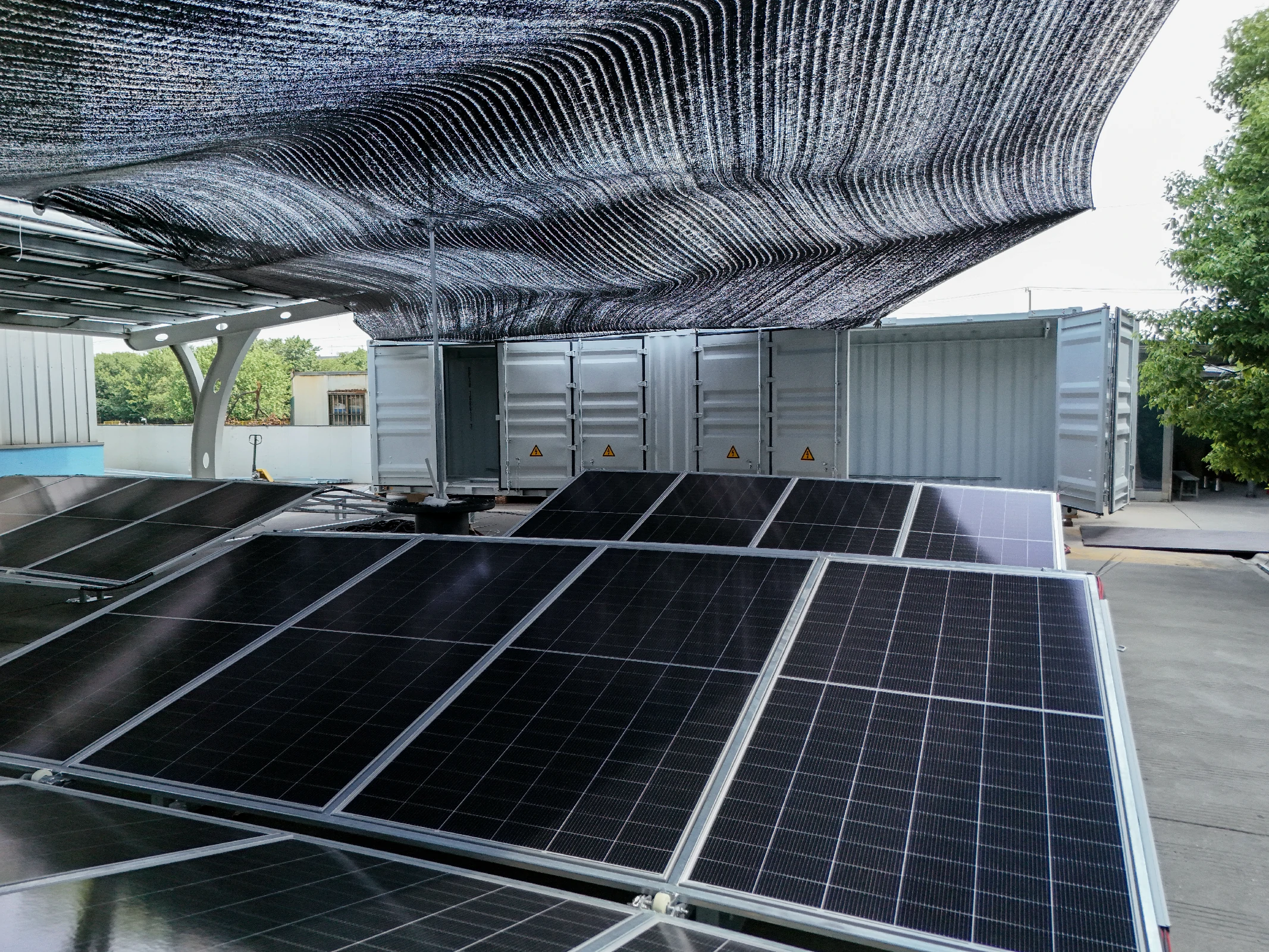
Practical, field-tested strategies to maximize energy output from a mobile solar container, covering design, deployment, and operational optimization.
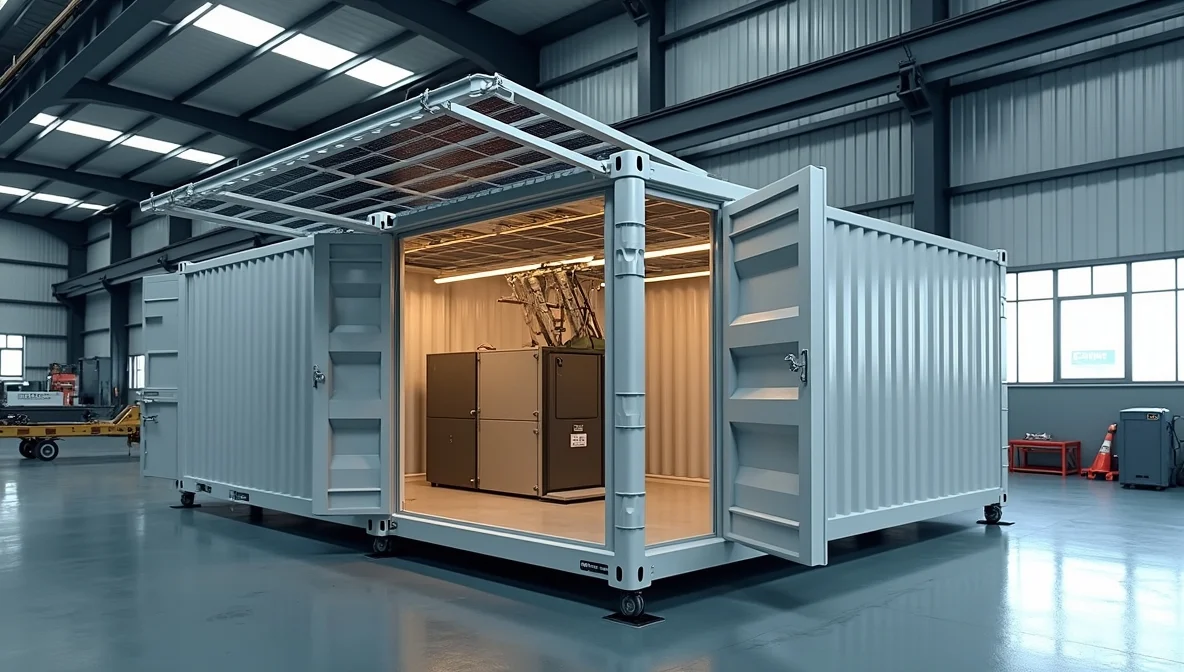
In this course, you will learn how to efficiently set up a mobile solar container. It covers practical steps, real cases, and tips in order to maximize solar container performance for off-grid energy.
Get in Touch to Power Your Project with Sustainable Energy