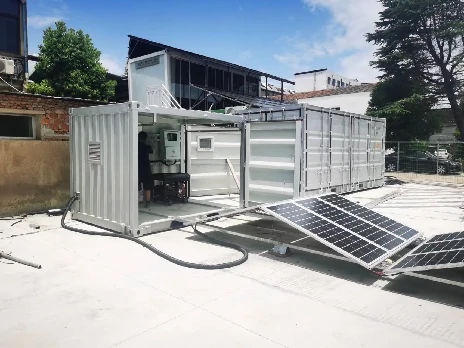
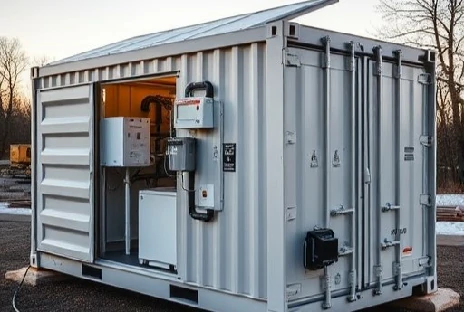
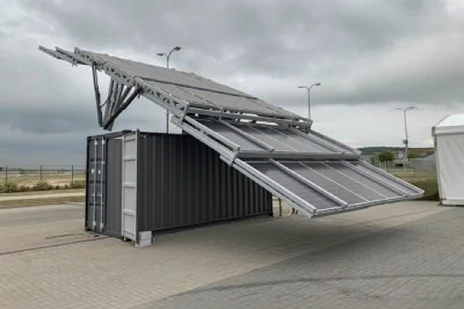
Solar Energy refers to the power generated from sunlight through photovoltaic and solar thermal technologies. As one of the most mature and widely adopted forms of renewable power, solar Energy plays a central role in the global transition toward low carbon and sustainable electricity systems.
By converting sunlight directly into electricity, solar Energy provides a clean, silent, and inexhaustible energy source. It can be deployed at utility scale, on commercial rooftops, industrial facilities, and residential buildings, offering strong flexibility across different application environments.
In modern power infrastructure, solar Energy is no longer limited to simple grid connected generation. It is now deeply integrated into distributed energy systems, microgrids, and hybrid power solutions combined with battery storage, diesel generators, or other renewable sources.
Through intelligent power control and energy storage integration, solar Energy systems can support peak load management, backup power supply, and grid stability. This makes solar based electricity an important component not only for sustainability goals, but also for energy security and resilient power networks.
In the commercial and industrial sector, solar Energy is widely used to reduce electricity costs, stabilize power supply, and improve energy independence. Factories, logistics centers, office buildings, and data centers increasingly rely on photovoltaic systems to offset grid consumption and manage long term operational energy expenses.
In remote and off grid environments, solar based power generation replaces traditional diesel generation, reducing fuel costs, maintenance requirements, and carbon emissions. This makes solar Energy especially valuable in mining, oil and gas, telecommunications, and infrastructure projects.
From an economic perspective, solar Energy offers predictable long term electricity costs and protection against energy price volatility. From an environmental perspective, it significantly reduces greenhouse gas emissions and air pollution. From a strategic perspective, it strengthens national and corporate energy independence.
With continuous improvements in photovoltaic efficiency, energy storage technology, and smart energy management, solar Energy will remain a foundational pillar of the global clean energy transition and a core driver of future power system transformation.
Solar Energy represents a category of solutions, technologies, or insights related to this topic. It is important because it helps users better understand key concepts, applications, and benefits within this field.
Applications of Solar Energy are commonly found in commercial, industrial, and project-based environments. It is typically used to improve performance, optimize workflows, or support technical decision-making.
Key advantages include improved efficiency, reduced costs, enhanced reliability, and better long-term results. Depending on the context, it may also support flexibility, scalability, and optimized resource utilization.
Choosing the right Solar Energy solution depends on your requirements, budget, expected project scale, and performance needs. Comparing features and reviewing real-world use cases can help you make an informed decision.
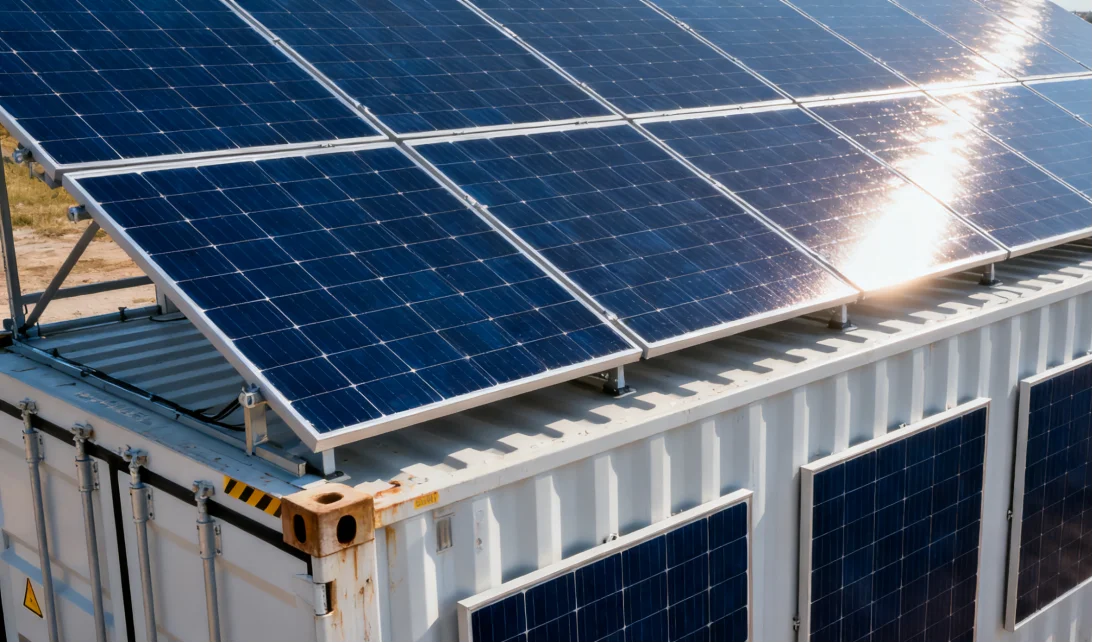
Learn how to design and build an efficient shipping container solar kit for off-grid power. Discover components, setup steps, smart management systems, and real-world applications to achieve true energy independence.
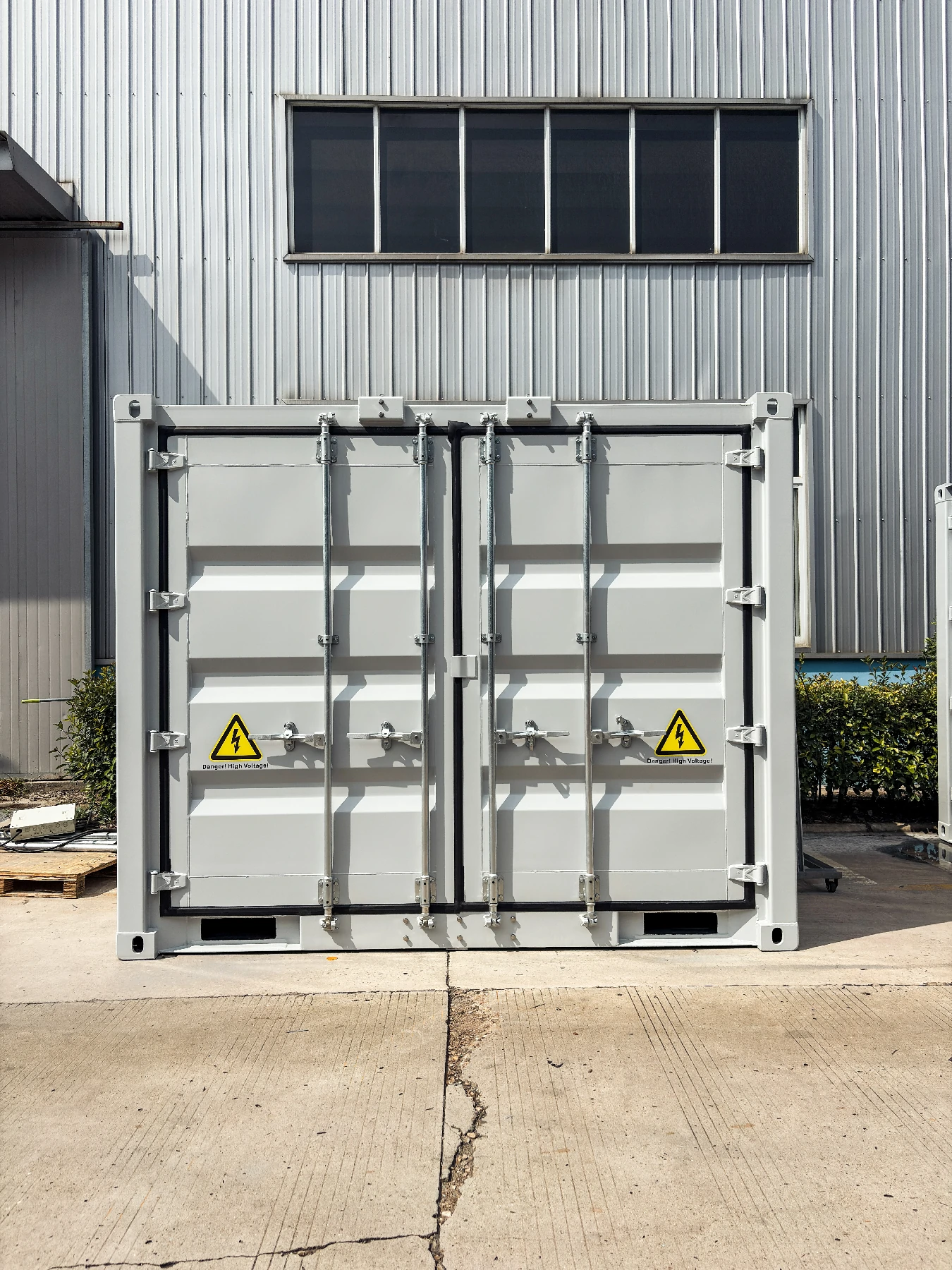
Explore key technical parameters of mobile solar containers — from power capacity to battery systems — and learn how to select the right off-grid energy solution for your needs.
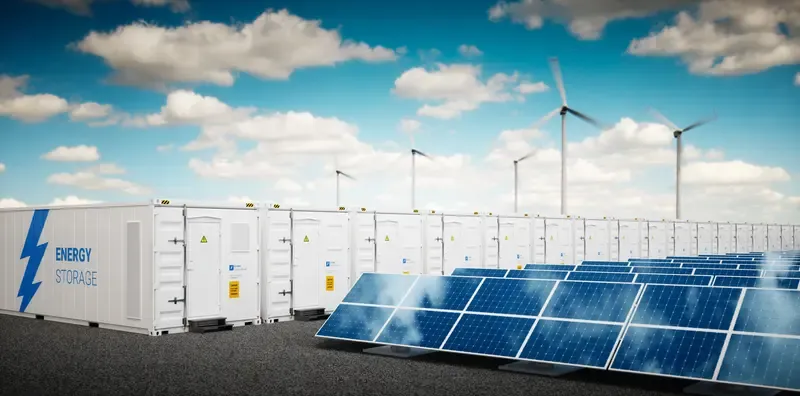
Talk about the best mobile solar container options, their characteristics, and price ranges. Understand how to choose the right solar container for off-grid or remote deployments.
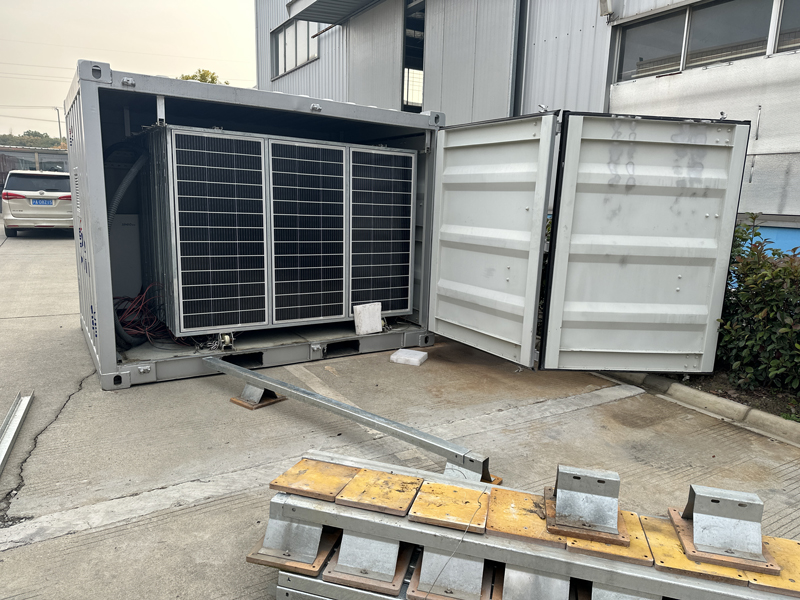
In our solar container solutions, a 40ft High Cube typically accommodates 700–750 solar panels.
Get in Touch to Power Your Project with Sustainable Energy